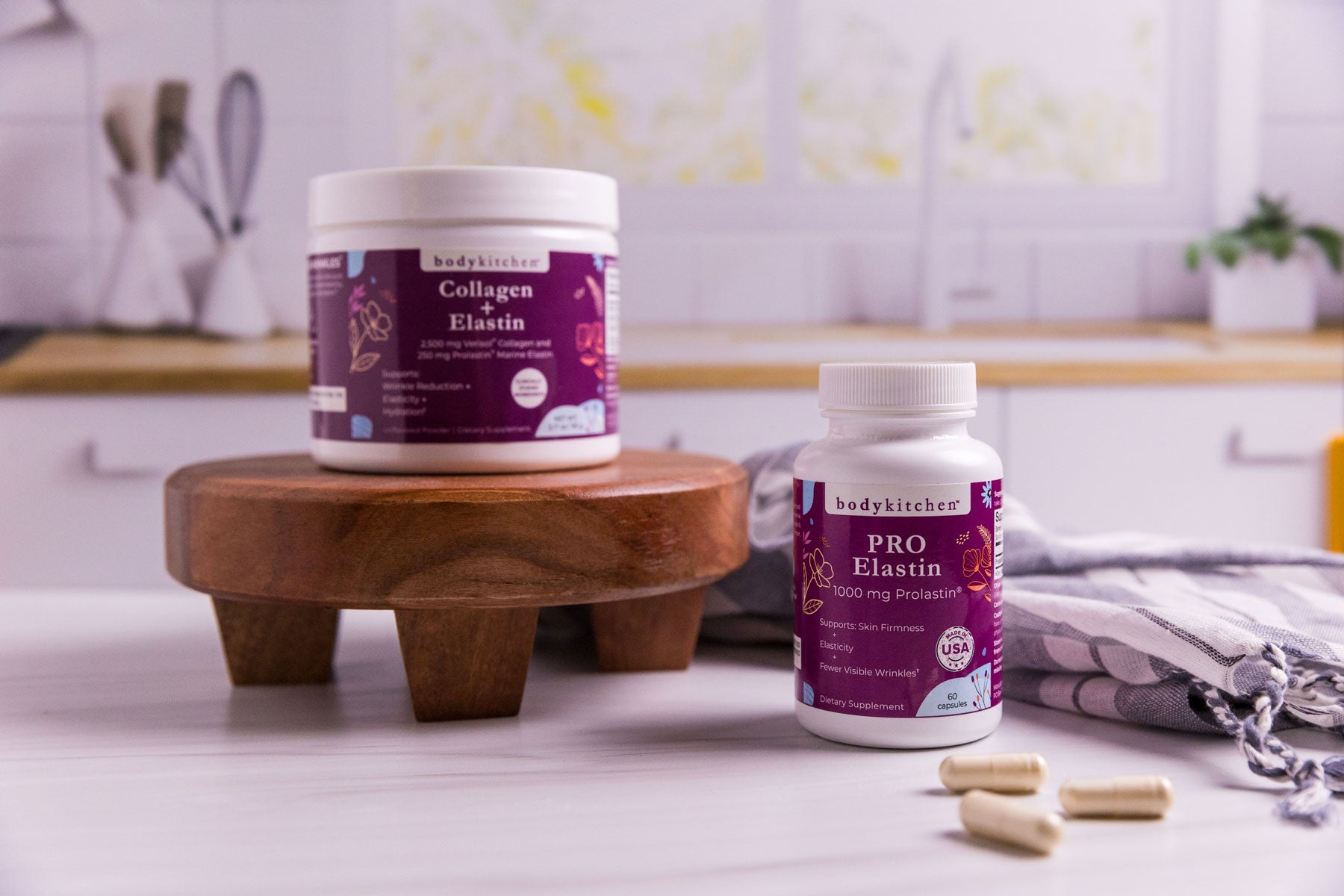
New Products

Mega Magnesium
WELLNESS
Highly absorbable magnesium for calm, relaxation & muscle support
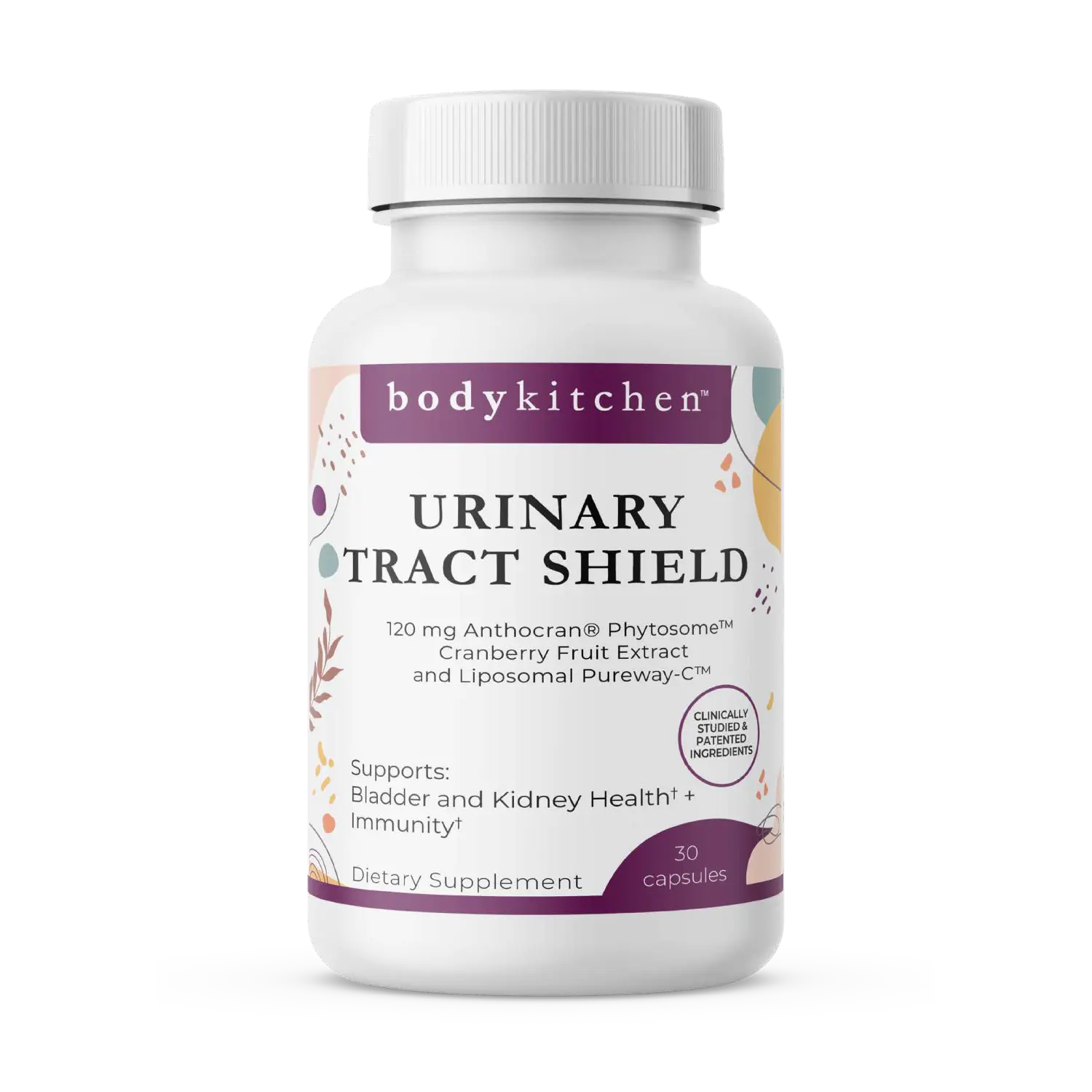
Urinary Tract Shield
Wellness
Proactive Protection for Bladder & Urinary Health
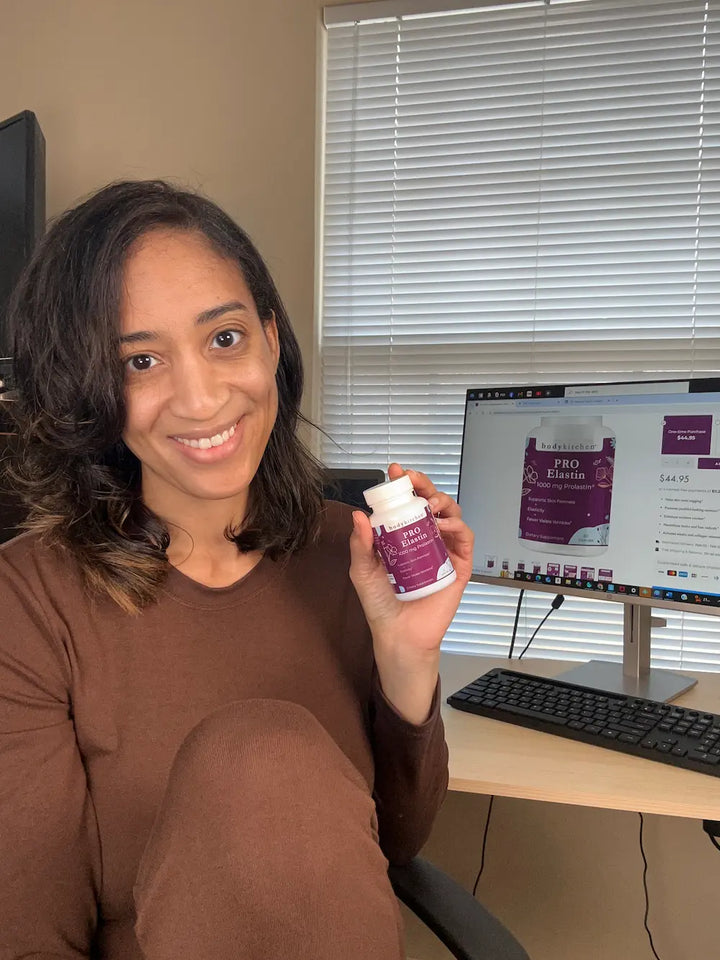
Build Your Elastin Wellness Routine
Boost Elasticity, Resist Sagging, and Restore Your Skin’s Radiance with Elastin



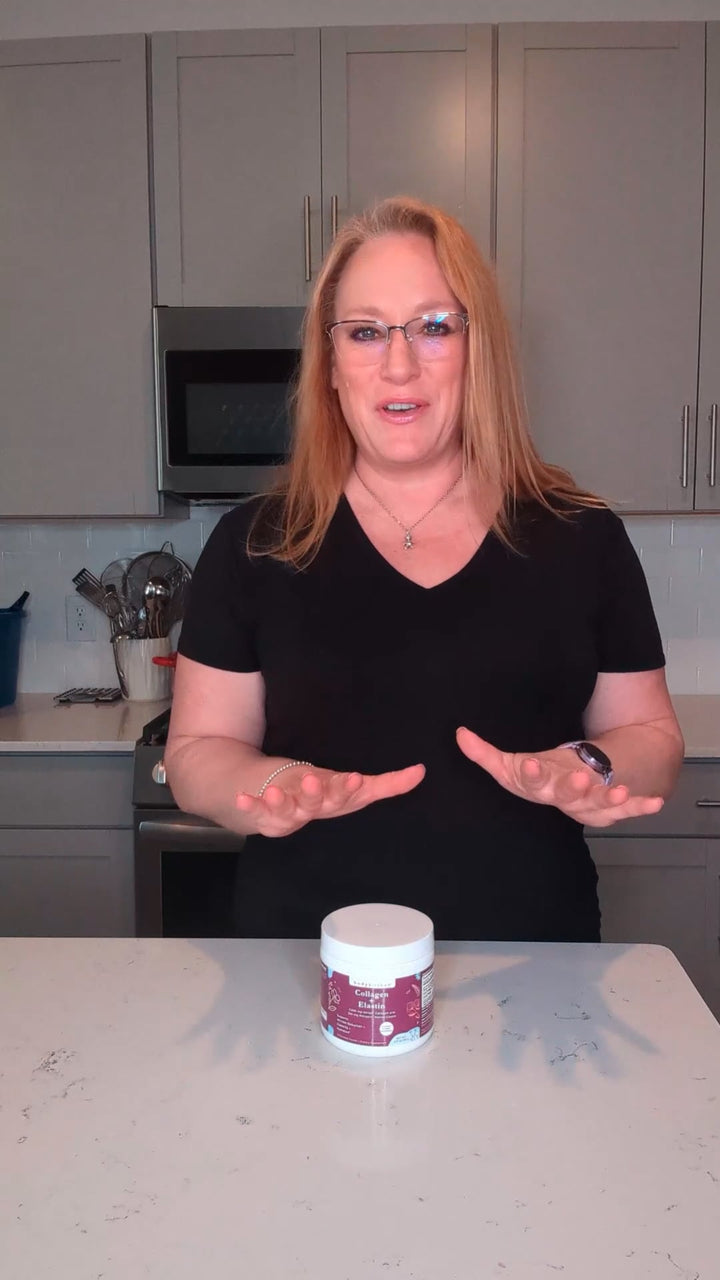


Dr. Whitney Bowe’s
Beauty of Science
“If a collagen supplement isn’t fortified with di-peptides PO and OG, it’s not powerful enough to merit my recommendation. Body Kitchen uses a sophisticated enzymatic process that concentrates these two di-peptides. That’s why I recommend Body Kitchen collagen to my patients and use it myself.”



From Our Wellness Blog

Refreshing Watermelon Electrolyte Drink with Collagen
In hot weather, electrolytes are as important for hydration as water. Before turning to sports drinks or powdered packets, try this homemade electrolyte drink featuring real food ingredients and the bonus of collagen protein.
Learn more
Candy, Collagen and “Sugar Sag”: The Dark Side of Halloween
Have you ever noticed your skin looking a little dull, less bouncy, or surprisingly slack after a high-sugar week? You’re not imagining it. There is a direct, scientifically proven link between excess sugar intake and premature skin sagging, a phenomenon dermatologists call “sugar sag.” Multiplied by weeks of increased candy and chocolate consumption (curse you, leftovers!), and your skin can be left crying out for help. While a few fun-size chocolate bars are a delightful part of October and are no cause for concern, research reveals the frightening truth behind sugar consumption: the average American eats more than three pounds of Halloween candy around spooky season. “Sugar Sag” is Real When you overindulge in sugary treats, your body breaks those carbohydrates down into glucose. While your cells use glucose for energy, an overload of simple sugars floating in your bloodstream can trigger a biochemical reaction called glycation. Glycation occurs when excess sugar molecules attach themselves to proteins and lipids without the control of an enzyme. When sugar binds to these essential structural components, it forms destructive new molecules called Advanced Glycation End-products, aptly known as AGEs. These destructive molecules can actually accelerate the biological aging process of your skin cells, contributing to wrinkles, sagging and lifeless skin.* How Excess Sugar Hijacks Your Glow Transformed by hitchhiking sugar, AGEs target the protein-fortified scaffold of your skin: collagen and elastin. Collagen is the primary structural protein that builds firm, plump, smooth and youthful-looking skin, making up nearly 75% to 80% of its dry weight.* Elastin, its counterpart, makes up less than 4% of skin, yet is responsible for its flexibility and spring. At their strongest, collagen and elastin proteins form a resilient matrix that resists gravity. However, collagen and elastin are uniquely vulnerable to glycation due to their naturally slow cellular turnover. Unlike skin cells that constantly regenerate, the long lifespan of these proteins means a lifetime of fighting the effects of glucose molecules latching on. Over time, once-supple collagen and elastin fibers can weaken and rust, resulting in noticeable skin aging: Loss of Elasticity – Skin loses the ability to snap back into shape. Accentuated Wrinkles – The rigid structural mesh cracks under repeated facial expressions, resulting in “smile lines” and “crow’s feet”. Visible Sagging – Without strong structural anchors, gravity pulls cheekbones and jawline downward. Dullness – Youthful radiance dims as cellular turnover slows. And that’s not where the damage of AGEs ends. They can also deactivate your skin’s natural antioxidant defenses, leaving you far more vulnerable to UV damage and environmental stress.* By age 35, glycation rapidly accelerates, compounding the natural 1% annual decline in collagen production.* 3 Tips for Saving Your Skin (Without Banning Halloween) You don’t need to completely abandon Halloween festivities or banish every autumn treat. The goal is smart dietary balance paired with a targeted, science-backed nutritional defense. 1. Time your treat right. A spike in blood sugar creates an immediate surge of glycation. If you indulge in a sweet treat, enjoy it after a meal that is rich in protein, healthy fats and fiber. Fiber slows down gastric emptying, minimizing glucose spikes.* 2. Harness antioxidant protectors. Antioxidants neutralize the free radicals generated during the glycation process. Incorporate potent antioxidants into your routine, such as vitamin C. This hard-working, versatile vitamin serves as an indispensable cofactor for collagen production while countering oxidative damage.* 3. Replenish structural proteins. Since glycation degrades existing structural proteins, replenishing them is vital for maintaining youthful skin for as long as you can. For the best of both, try our peptides powerhouse Collagen + Elastin. The micro-sized peptides remain intact in the bloodstream, signaling skin cells to repair and rebuild structural fibers. Keep Your Glow All Season Long This October, enjoy the season mindfully. By understanding the science of glycation, how skin reacts under the influence of excess sugar, and how to reinforce your radiance from the inside, you can enjoy the fun of the season while protecting your skin from “sugar sag”.
Learn more
Don’t Take Our Word for It. Here’s the Proof.
- Sarah
This is absolutely amazing! Nails are growing, joints love it! 66 yrs old, and hair to the hips!!!

- Joanna N.
I take this wonderful product when I’m feeling like I’m coming down with sickness. It’s the best! It almost immediately helps me feel better after taking it.

- Denise R.
I went and had my blood tested for vitamin D and my level of vitamin D is very good now thank you I will continue to purchase from you.

- Joann G.
I'm now a middle aged woman that started with this brand in my mid 40's until GNC no longer carried it. Then I tried another brand which was cheaper but not even close in comparison. My hair, skin, and nails love the Body Kitchen brand which is the best IMO, hands down!

Frequently Asked Questions

How long does it take to see results from collagen supplements
How long does it take to see results from collagen supplements
It usually takes 8 to 12 weeks of consistent daily use to see visible results from collagen supplements. Collagen works at the cellular level, so the benefits build gradually rather than overnight. Many people notice smoother, more hydrated skin first, often around the 4 week mark, while changes in elasticity, hair, nails, and joint comfort tend to follow. The key is consistency, so a daily scoop is the simplest way to give your body the collagen it's missing.
What is elastin and how is it different from collagen?
What is elastin and how is it different from collagen?
Elastin is a stretchy structural protein found in your skin and connective tissue that helps them snap back into shape after stretching. It works hand in hand with collagen, but the two play different roles: collagen is the framework that gives skin its strength and firmness, while elastin provides the elasticity and bounce that let it recoil. In short, collagen holds things together and elastin helps it spring back. Both rely on the amino acids and nutrients your body draws from your diet, which is why supporting them from the inside makes a difference.
Are Body Kitchen supplements safe for daily use?
Are Body Kitchen supplements safe for daily use?
Yes. For most healthy adults, Body Kitchen supplements are made for safe, everyday use when taken as directed. Our collagen and elastin formulas use high-quality, naturally sourced ingredients backed by cellular science, and they're generally well tolerated as part of a daily routine. As with any dietary supplement, it's a good idea to check with your healthcare provider before starting, especially if you're pregnant or nursing, taking medication, or managing a medical condition.
Are Body Kitchen supplements manufactured in the USA?
Are Body Kitchen supplements manufactured in the USA?
Yes. Body Kitchen supplements are proudly manufactured in the USA, in a GMP-certified facility that complies with current FDA regulations under the Food Safety Modernization Act (FSMA). While we source high-quality ingredients globally, every supplier meets a rigorous qualification program built to safeguard the safety, purity, and consistency of what goes into each formula. From sourcing to the final bottle, our standards never change, because where and how your supplements are made matters.