If you've spent any time scrolling through your social feeds or catching up on the latest health trends, you know that peptides are dominating wellness conversations. From weight-loss breakthroughs to high-tech anti-aging routines, peptides are officially the star of the modern wellness show.
For decades, peptides were almost exclusively associated with hardcore bodybuilders looking for a shortcut to muscle growth and recovery. But here’s a little secret: peptides haven’t just suddenly materialized out of thin air. They have been around since forever, quietly supporting our bodies in extraordinary ways.
Today, the science of peptides has gone completely mainstream, opening up a wide range of accessible health and wellness applications. These microscopic powerhouses are being studied for their promising contributions to weight-loss, addiction recovery and mental health. These exciting new horizons in science sit right on top of the already vast body of research related to the use of peptides for supporting flexible joints, healthier skin and fuller hair.
What Exactly are Peptides?
To understand peptides, you first have to get to know proteins. At their biological core, peptides are short chains of amino acids, which serve as the fundamental building blocks of protein molecules – the workhorses of our bodies.
Think of individual amino acids as letters of the alphabet, peptides as short words, and proteins as entire chapters in a book. Because peptides are smaller versions of unbroken proteins, your system can absorb them effortlessly and put them to work efficiently, allowing them to communicate clear structural messages straight to your cells.
From Anti-Aging Hero to Hazardous Villain
Here’s a fascinating plot twist: peptides can be both “good” and “bad”. Some peptides act as vital protectors that help keep tissues firm, elastic and strong (thank you, collagen, keratin and elastin peptides!)
Others, however, can trigger unwanted inflammation or block the normal functioning of systems if they are unbalanced.
Scorpion venom is an extreme example of their diversity. It’s comprised of peptide-based neurotoxins that stun the nervous system of prey and rivals. So, just because a substance is a peptide doesn't automatically mean it belongs in your wellness routine.
Types of Peptides
Your body produces a diverse family of peptides constantly to maintain strength, balance and order across a multitude of internal processes. There are two main types of peptides:
Peptide-based hormones are your body’s chemical messengers. They travel throughout systems communicating vital instructions and information. Famous examples include:
- Insulin – regulates your blood sugar
- Oxytocin – the “love hormone” that promotes bonding
- GLP-1 – the natural gut hormone that controls fullness and forms the basis of today's most popular weight-loss therapies.
Structural peptides are biological “bricks” that act as scaffolding, promote tissue repair and give your body its physical shape. The ultimate structural trio includes:
- Collagen – found in skin, bones, ligaments and tendons for stability
- Elastin – found in skin, lungs and blood vessels for elasticity
- Keratin – found in hair, nails, outer skin layer and lining of vital organs for structure
Inspired by these powerful, naturally occurring molecules, scientists are now creating advanced, targeted peptides. You may have heard people buzzing about BPC-157 (Body Protection Compound-157). While it sounds like a sci-fi experiment, it’s a synthetic peptide being studied for its potential to support gut health, balance inflammation, and reduce daily physical discomfort by accelerating blood vessel repair.*
Some You Sip, Others You Inject
Because of their unique "bite-sized" composition, your body naturally treats oral peptides as food. If a standard peptide hits your digestive system, stomach enzymes immediately start to break it down into the nutritional sum of its parts.
This is exactly why metabolic and hormonal therapies like GLP-1 must be injected rather than consumed as a pill, capsule or powder. If you were to drink a liquid hormone peptide, your stomach acid would destroy it before it ever had a chance to reach your bloodstream and signal your brain.
Also, hormone peptides inside the human body have an incredibly short lifespan. Many of them are active for only 90 seconds to two minutes before they are completely degraded by internal enzymes.* Because they vanish so quickly, your body has to work overtime, constantly producing fresh peptides around the clock to keep your systems running smoothly.
A note on safety: because many injectable forms of synthetic peptides are still undergoing intense pre-clinical research, it’s important to speak to a healthcare practitioner before beginning any hormone-based peptide therapies.
The Consumable Peptide Advantage
On the flip side, food-based structural peptide formulas in the simple form of powder and capsule supplements have undergone decades of rigorous studies for safety and efficacy. This is especially the case for skin anti-aging benefits.* And while they may not seem novel, they are incredibly powerful.
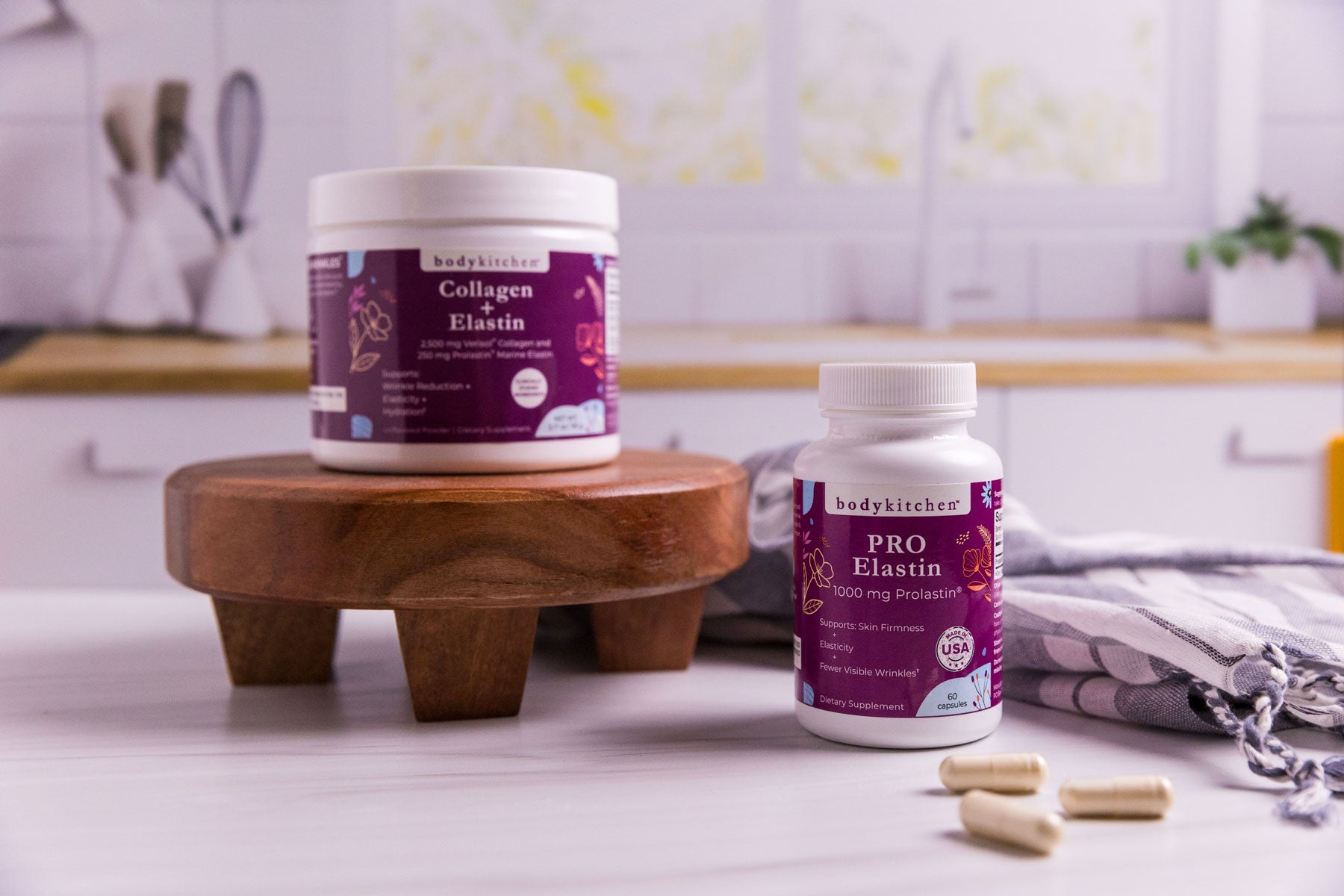
These scientifically tested formulas supply you with the bioavailable raw materials your body needs to rebuild itself from within. Our popular multi-source collagen di-peptide powder, for example, is designed to be broken down and rebuilt into new protein structures that support skin firmness, strong bones and healthy joints.
Whether you’ve tried peptides supplements in the past or are hearing the term for the first time, the global headlines are right about one thing: peptides are the future of cellular health.