Inflammation affects us all. But it can be a force for good as well as a force for damage. Short-term inflammation helps us heal and fight infection, but chronic, low-grade inflammation quietly drives many modern health conditions, such as cardiovascular disease, cancer, allergies, immune disorders and obesity.
That is why giving our body the tools it needs to fight inflammation through an anti-inflammatory diet and when needed, supplements, is so critical.
One incredible inflammation-fighter found in many everyday foods is a compound called quercetin. Known for its anti-inflammatory, antioxidant and immune supportive benefits, it’s one of the most effective natural anti-inflammatory aids we can get from diet and supplements.
Let’s take a closer look at exactly how quercetin benefits health and why it could be your new best friend when it comes to beating inflammation for good.
Exploring this Flavonoids’ Role in Immune and Cardiovascular Health
Quercetin belongs to a class of phytonutrients called flavonoids, which are key components in foods that are part of an anti-inflammatory diet. In the body, flavonoids such a quercetin help neutralize free radicals that would otherwise damage cells and tissues, including our heart and vascular system.1
In fact, studies suggest that potent antioxidants like quercetin can protect our cardiovascular health by:2
- Improving the function of blood vessels
- Reducing inflammation within the arteries
- Keeping blood pressure regulated
- Lowering overall inflammation, which reduces stress on the heart
In addition, quercetin benefits the immune system as well. Research shows it can increase the ability to fight off viruses, help regulate the production of important immune cells, and reduce overactivation of these defenses (ie calming down inflammation), which keeps our immune response in balance.2
This is why a healthy diet as well as anti-inflammatory supplements that include quercetin are something to consider for those looking to optimize overall health.
Quercetin’s Anti-Inflammatory Mechanism Explained
One reason that quercetin is so powerful is that it acts as a natural anti-inflammatory in several different ways. Research shows that quercetin can:3,4
- Inhibit a signaling pathway called NF-kB, which drives chronic inflammation
- Reduce the output of inflammatory cytokines such as TNF-a and IL-6
- Stabilize mast cells (which contribute to allergic reactions), and prevent excessive histamine release
- Decrease lipid oxidation, which keeps cells and blood vessels healthy and may even help people with fatty liver disease
Quercetin’s ability to target multiple inflammatory pathways is why it is often touted as one of the most anti-inflammatory supplements, especially for those dealing with chronic inflammatory issues or allergies.
Targeting Seasonal Allergies with This Flavonoid
Quercetin is most known for its role in fighting seasonal allergies – and for good reason.
Because quercetin can help regulate mast cells, which produce histamine, it can help ease allergy symptoms, such as:5
- Sneezing
- Congestion
- Post-nasal drop
- Itchy eyes and skin
Studies suggest it can take several weeks for quercetin to take effect, and for those with known seasonal allergies, taking it prior to developing symptoms may be helpful.5 But always discuss with your doctor first to make sure quercetin is appropriate for your allergies and other health conditions.
Food Sources and Supplement Dosage
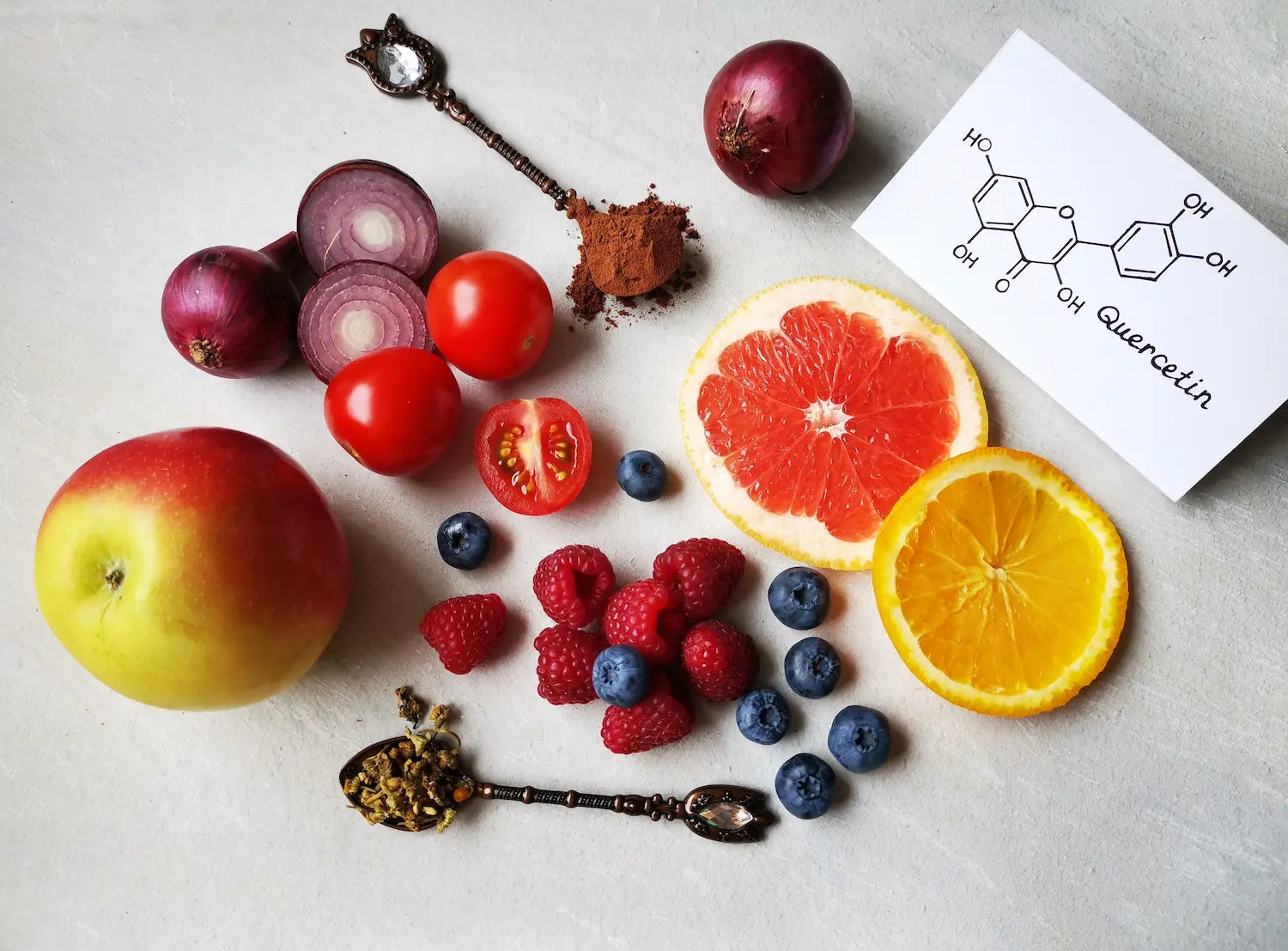
Thankfully nature offers us many anti-inflammatory foods that are rich in quercetin! Some of these common food choices include:
- Onions
- Apples
- Berries
- Leafy greens
- Broccoli
- Asparagus
- Red grapes
- Tomatoes
- Capers
While these foods are great sources of quercetin, most with seasonal allergies or other chronic inflammatory conditions likely need a larger and more consistent dose. This is where anti-inflammatory supplements like quercetin are key.
Typical supplemental doses of quercetin range from 250-500mg per day for general anti-inflammatory and immune support, and up 1,000mg per day if additional support is needed for severe allergies or other critical inflammatory issues.6
Maximine Quercetin Absorption Benefits
One major concern with quercetin supplements is that it isn’t always well absorbed. Fortunately, there are a few ways to maximize absorption and increase the effectiveness.7
-
Pair with vitamin C and other antioxidants
Vitamin C helps regenerate quercetin’s antioxidant capacity, and that can help increase its effectiveness for longer. -
Take with meals
Quercetin tends to be better absorbed with fats and other nutrients. While some supplements work best on an empty stomach, make sure to take quercetin with foods. -
Choose a supplement that uses a more bioavailable form
Not all quercetin supplements are created equal. There are forms that studies have shown to be better absorbed and hence more effective.
One form, called Quercefit, has shown exceptional absorption by the body.7 This is the compound that Body Kitchen uses in its Mega NAC + Quercetin, making it a high-quality, highly bioavailable choice.
Additionally, Body Kitchen adds N-acetyl cysteine (NAC), which increases glutathione, our body’s master antioxidant, which further enhances quercetin’s ability to fight inflammation.
For the best way to consistently increase your quercetin levels and target inflammation and allergies, eat a well-rounded anti-inflammatory diet, and consider adding extra support from high-quality supplement like Body Kitchen’s Mega NAC + Quercetin.
Final Thoughts
Quercetin is a powerful natural anti-inflammatory that studies have shown can have a meaningful impact on chronic inflammation, immune function, cardiovascular health and seasonal allergies.
Thankfully we have many foods that are rich sources of quercetin, and including these as part of an anti-inflammatory diet can provide a huge boost. But a high-quality supplement can be very helpful as well, especially for those needing higher and more consistent dosages to see results.
But remember, no single compound works in isolation. Supplements can make things easier, but the greatest benefit comes from pairing quercetin foods and supplements with a diverse array of anti-inflammatory foods. When used thoughtfully and in conjunction with other healthy habits, quercetin shines as an anti-inflammatory powerhouse.