Blog

FUTURES TRADING, CONTRARIAN THINKING AND COGNITIVE HEALTH
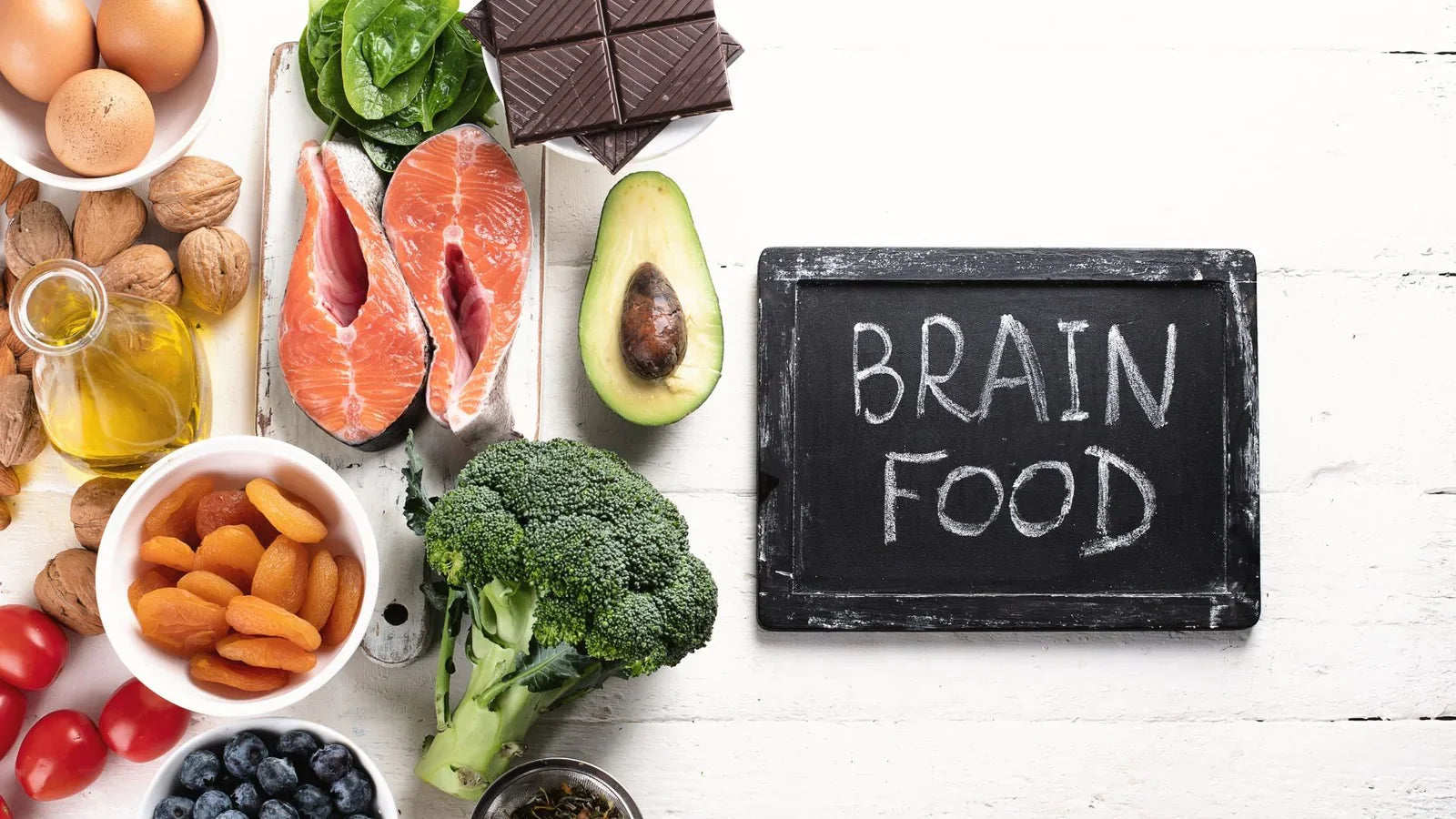
Day trading futures can be an exciting career or pastime, but it can also be a stressful, mentally taxing endeavor. Whether you're focused on E-mini futures trading or another type of commodity futures trading, trading psychology is vital to your success, as is critical thinking and decision-making ability. If you wish to pursue a contrarian trading strategy, this is especially the case. Read on to learn more about the role of trading psychology in successful futures trading and how to improve cognitive function to set yourself up for success. WHAT IS TRADING PSYCHOLOGY? Trading psychology is the term for the mental elements of stock, securities, and futures trading. Some aspects of trading psychology include: Quick decision-making Separating reason from emotion Keeping greed in check Overcoming fear Being disciplined WHY IS TRADING PSYCHOLOGY IMPORTANT FOR FUTURES TRADING? While you may have short-term luck in futures trading without it, true success requires trading psychology. Futures markets are volatile and often unpredictable, so losses are common. If you lack the proper trading psychology, you may be afraid to take the risks necessary to make significant gains. On the flip side, becoming too greedy can lead to mistakes. Success in futures trading requires a long-term strategy. You need to develop a rational mindset and then stick to it, even when your emotions tell you otherwise. If your strategy isn't giving you the results you desire, you need to analyze it without fear or greed's influence and make logical changes to improve outcomes. All of this requires the proper trading psychology. WHAT IS CONTRARIAN TRADING STRATEGY? Many experts recommend adopting a contrarian trading strategy for the futures market. The term refers to doing the opposite of what the majority of the market is doing. It relies on the principle that the market maximizes profits by moving counter to what most people do. HOW DOES TRADING PSYCHOLOGY IMPACT CONTRARIAN TRADING? Using a contrarian trading strategy requires fearlessness, a willingness to accept risk, a high degree of discipline, and emotional resiliency to recover when losses occur. Humans' natural inclination is to follow the crowd, but contrarian trading requires you to do the opposite. Because of this, it's virtually impossible to succeed with a contrarian approach to day futures trading without trading psychology. THE IMPORTANCE OF COGNITIVE FUNCTION WHEN TAKING A CONTRARIAN APPROACH One of the most important elements of trading psychology for a contrarian trading strategy is decisiveness. Once you adopt the system, you need to react to market trends to go the other way quickly. If your critical-thinking skills cause you to hesitate, you may lose your opportunity to take the other position and profit from your contrarian approach. This makes cognitive function especially important for contrarian trading. The more you improve cognitive function, the more you will be able to tap into the power of your brain to make fast, insightful moves in the market. USING NOOTROPIC COGNITIVE HEALTH SUPPLEMENTS AS A DAY TRADER Many futures traders rely on nootropic supplements because a cognitive function is so important. Nootropic refers to dietary supplements believed to affect the brain in various ways. Because of their potential benefits, nootropics are sometimes referred to as "brain hacks." Adding a nootropic supplement to your diet may help to support brain health and improve cognitive function. Most nootropic cognitive health supplements are generally safe for most people. However, it would be best to talk to your doctor before using one to ensure the best results. SUPPLEMENTS FOR COGNITIVE FUNCTION Research into the use of cognitive health supplements is ongoing. While more research is needed to validate their effectiveness, early studies indicate that the following supplements may benefit mental health. ASHWAGANDHA EXTRACT Ashwagandha extract is an Ayurvedic herb with a long use as a folk remedy. Modern-day science has shown that the herb may: Improve cognitive function: One double-blind study found that people who took ashwagandha performed better at a series of cognitive tests than those who didn't. Reduce the effects of stress: Many scientists believe ashwagandha is an adaptogen, a substance that helps to protect the body from the physical effects of stress. The earlier study verified this hypothesis, showing a lesser stress response in the group that took the supplement. Alleviate anxiety: Studies show that ashwagandha extract may promote a greater sense of calm and support relaxation. FATIGUE FIGHTERS If your mind becomes fatigued in the middle of a trading day, you're less likely to make sound decisions. Some cognitive health supplements help to increase alertness and may help you think more clearly, including: Caffeine is a naturally occurring substance found in coffee, tea, and chocolate. It activates the nervous system by acting as a stimulant. Cocoa bean, a substance in cocoa beans called theobromine, may also increase alertness, but not by increasing nervous system activity in the way that caffeine does. Instead, cocoa bean boosts circulation to the brain to support cognitive function. Antioxidants, nutrients found in berries and other foods, fight the effects of free radicals found in UV and environmental pollutants. Exposure to free radicals can put the body in a state of oxidative stress resulting in fatigue. Antioxidants may benefit the mind by combating oxidative stress. Research into the use of cognitive health supplements is ongoing. While more research is needed to validate their effectiveness, early studies indicate that the following supplements may benefit mental health.

What Is Sleep Hygiene?
Roughly 32% of adults don't get enough sleep every night, according to the U.S. Centers for Disease Control and Prevention (CDC). Sleep problems can range from difficulty falling asleep, not staying asleep all night, or waking up too early and being unable to fall back to sleep. While causes of sleep problems vary, sleep hygiene can benefit nearly anyone suffering. Read on to discover sleep hygiene tips that may help you get a better night's rest. How Much Sleep Do I Need? The CDC advises that adults between 18 and 60 generally need at least 7 hours of sleep every night. For adults aged 61 to 64, the CDC recommends 7 to 9 hours of sleep; for older adults, the recommended nightly amount of sleep is 7 to 8 hours. Your medical provider can help you determine how much sleep you need to support your physical and mental health. Signs of Poor Sleep Quality Recognizing the signs of poor sleep quality can help determine if you could benefit from proper sleep hygiene. Some signs of poor sleep quality include: Excessive daytime sleepiness Fatigue that persists for weeks Increased appetite Difficulty falling asleep Waking up frequently at night to use the bathroom Gasping or choking in your sleep What Is Sleep Hygiene? Sleep hygiene is the term for habits and actions that promote good quality sleep. Someone with poor sleep hygiene is more likely to suffer from sleep problems. On the other hand, those who practice good sleep hygiene may fall asleep quickly and stay asleep throughout the night more regularly. Do's and Don'ts of Sleep Hygiene To start practicing good sleep hygiene, follow these dos and don'ts: Do Stick to a Set Sleep Schedule. Circadian rhythms control your sleep-wake cycle. When you vary your bedtimes and waking times, it can be difficult for your body's natural rhythms to adapt. Going to bed and getting up simultaneously every day, regardless of your activities, can help keep your circadian rhythms well-regulated. Don't Use Alcohol to Induce Sleep. Alcohol is a depressant, so it can make you feel drowsy. However, relying on alcohol to help you fall asleep every night can do more harm than good. This is because alcohol contains sugars that your body breaks down after you drink. In the process, this produces energy, which can cause you to wake up frequently during the night. Plus, alcohol intake can raise your risk of high blood pressure, heart disease, stroke, liver disease, digestive problems, some forms of cancer, immune system problems, and alcohol use disorder. Do Establish a Relaxing Nightly Routine. Create a 30-minute routine to help you transition from your day to bedtime. Choose activities that allow you to calm your mind and relax your body. Turn down the lights or soak in the tub. Read a book or close your eyes and listen to music. Try to do the same tasks at the same time every night to condition your body to anticipate sleep. Don't Use Blue Light Devices in Bed. Blue light from computers, televisions, and mobile devices can activate the central nervous system and energize your body, making it harder to fall asleep. Stop using blue light devices 30 minutes to an hour before you head to bed, and avoid looking at your phone if you wake up in the middle of the night. Instead, invest in an alarm clock that will allow you to check the time. Don't Consume Caffeine Late in the Day. Caffeine is a stimulant, meaning it activates the central nervous system and awakens your body. Depending on how sensitive you are to caffeine, you may need to limit intake to the morning hours or stop drinking soda, coffee, and tea at dinner time to support restful sleep. Do Investigate Natural Sleep Aids. The right natural sleep aids may help you to fall asleep more quickly and enjoy better sleep throughout the night. Magnesium supplements are one option. An essential mineral, magnesium is necessary for muscle reaction. Taking a supplement may help ease tension, allowing you to relax and drift asleep. Magnesium may also enhance sleep quality by acting on the parasympathetic nervous system. How to Get High-Quality Sleep Establishing good sleep hygiene habits can go a long way toward helping you to improve sleep quality and get enough rest. Your healthcare provider can help you evaluate your sleep hygiene habits and advise on how interventions like taking magnesium for sleep may improve your sleep and overall health and well-being.

Chocolate Avocado Pudding with Collagen
Chocolate pudding that’s good for your skin? Yes, please.

Why Free Radicals Are Bad News For Your Health (And How to Fight Back)
Free radicals. Just the sound of them may activate your protective instincts, sending you reaching for known antioxidants found in foods such as red wine, dark chocolate and pomegranates. You’ve been trained to be fearful of them, and for good reason – free radicals are synonymous with advanced aging of the skin and are known to run interference on cardiovascular health and brain function. And they’re key contributors to inflammation, the root cause of many health and age-related afflictions. How free radicals form Free radicals are volatile, co-dependent atoms that seek to bond with and destroy healthy atoms by causing a fiery reaction called oxidation. It’s why they earned the name reactive oxygen species (ROS). They form as a result of external forces, such as environmental pollutants and chemical toxins, as well as internally when your body takes care of routine matters, including cell division, DNA repair and even respiratory function. That’s right – breathing creates free radicals! Just as fruit starts to brown (or oxidize) when cut, the trillions of cells in your body that breath health, life and energy into you have to battle oxidative stress caused by these energy-stealing vultures. If your natural defenses can’t keep up, the buildup can lead to premature aging, which presents through a whole host of issues that include wrinkles, thinning hair, high cholesterol, cognitive decline and inflammatory and autoimmune conditions.*** Antioxidants help your body fight back Nature has gifted us with powerful substances numbering in the thousands that knock-out cellular oxidation and help turn the tide on damage done to cells. A few well-studied groups of antioxidants include flavonoids, polyphenols and catechins found in various fruits, vegetables and plant species, and each one bears its own set of characteristics. While these free radical fighters are typically associated with plants, antioxidants can also be manmade, and some are produced within your own body. The “master antioxidant” inside you Because free radicals can be by-products of normal cellular functions, your body is equipped to reset the balance of power by creating a very mighty antioxidant: glutathione. Glutathione is the toxin-trapping mother of all free radical fighters. Your cells produce it to counter oxidation and inflammation throughout, especially in the lungs – your body’s natural filtration system. Pollution and pesticides are everyday health threats… and your lungs are on the front lines against them. Also, traces of chemicals consumed and absorbed from processed food, everyday products and household items can threatening to overburden your cells. Glutathione helps eliminate trapped toxins before they can cause irreparable harm, but production dwindles with age. To boost levels of your master antioxidant, supplement with N-acetyl cysteine (NAC). NAC is the supplement form of the amino acid, cysteine, which is vital for replenishing glutathione. It also supports optimal detox function of the lungs and liver.** In addition to supporting the health of your respiratory system, glutathione also protects your brain from oxidation, which is vital for staying bright and alert as you age.* Studies show its neuroprotective qualities are enhanced when combined with another potent antioxidant, vitamin D.* Known as the “sunshine vitamin”, vitamin D is actually a steroid hormone that kidneys produce to absorb calcium and promote immune health, among other benefits. As a fat-soluble nutrient, it’s concentrated in good fats such as oily fish, egg yolks and some in cheese, but through brief, direct exposure to sunlight, your body can synthesize vitamin D naturally. Most vitamin D supplements are synthetic. For a plant-derived vitamin D alternative, try this Vitamin D + K2. Fruit antioxidants that work In plants, antioxidants contribute to their color, smell and/or taste, protecting them from predators and the sun’s intense UV rays. While there are many plant-based antioxidants, there are two potent polyphenols that stand out. Resveratrol is best known as the heart-healthy antioxidant in red wine and dark chocolate, though its most concentrated in the stems, skins and seeds of the plants that contain them. And it has so much more to offer than cardiovascular benefits, including helping to protect cognition and memory as you age. Resveratrol is also skin’s best friend, because it has been shown to counter the effects of photoaging and support collagen production to boost firmness and reduce wrinkle formation.* Find this powerful combination of resveratrol and collagen here. Mix it up for best health! By consuming a rainbow of nutritious fruits and vegetables, and boosting with a high-potency antioxidant supplement, you can neutralize free radical threats and support the healthy function of your cells.

Holiday Season 2022 and Immune System Health
With the holiday season fast approaching, it's time to start thinking about how you'll celebrate. While making your plans, you should also consider how to support your immune system health during this busy time of the year. After all, the holidays occur during cold and flu season, and you don't want an unexpected illness to get in the way of the festive fun. Read on to learn how to support your immune system naturally during the holidays and beyond. Impact of Stress on the Immune System Many people come down with colds and the flu during or immediately after the holidays. Parties and get-togethers create the right environment for germs to spread. When functioning at its best, your immune system can fight off many of the microbes you encounter when hugging, chatting, caroling, and dancing with others, but holiday stress could lower your defenses. When you're feeling stressed, your body produces an inflammatory response in an attempt to protect you from threats. This inflammation can make you more vulnerable to germs. In addition, stress raises levels of the hormone cortisol, which has been shown to increase the risk of infections. Knowing how to boost your immune system during the holidays can help to counteract some of the effects of holiday stress. How to Support Your Immune System Naturally To support your immune system during the holidays, follow these tips. Take steps to reduce stress. Busy schedules and the potential for conflict with relatives can make holiday stress inescapable. While you may be unable to avoid it, you can take steps to ease tension. Try deep-breathing exercises or use a guided meditation app to relax and unwind. Devote at least a few minutes daily to doing something you enjoy, such as listening to music or reading a book. And remember that it's okay to establish boundaries during the holiday season. If you're feeling overwhelmed by your social calendar, consider turning down a few invitations. Cut down on your sugar intake. Christmas cookies, pumpkin pie, and rum-spiked eggnog might get your mouth watering during the fall and winter holidays, but try not to overindulge in sugary foods. Sugar has been shown to dampen the immune system. Plus, overeating sugar can contribute to holiday weight gain, as excess sugar that your body can't burn becomes stored in the form of fat. Stay active. Exercise helps to keep your immune system functioning correctly. The U.S. Centers for Disease Control and Prevention (CDC) advises adults to get at least 150 minutes of moderate-intensity exercise every week, but this doesn't have to mean spending the holidays in the gym. Brisk walking is a great way to stay active, so consider taking walks through holiday light displays or beautifully decorated neighborhoods. Just five 30-minute walks per week will be enough to meet CDC guidelines. Not only will all that walking benefit your immune system, but it can also help to relieve holiday stress. Get plenty of rest. Sleep is vital to immune system function; many American adults don't get enough of it during the holidays and the rest of the year. To improve your sleep during the holiday season: Stick to a consistent bedtime and wake time as much as possible. Avoid alcohol, caffeine, and heavy meals close to bedtime. Limit exposure to blue light from televisions, phones, and computers. Take earplugs and an eye mask with you if you travel. Reduce the risk of jet lag from holiday trips by gradually adjusting your sleep-wake schedule by 10 or 15 minutes daily during the weeks leading up to your travels. Drink fluids. Up to 60% of your body is water, and every cell in your body needs it to work correctly. To avoid dehydration during the holiday season, make sure that you drink plenty of fluids. Water is the best option, but other beverages will do in a pinch. Ensure you don't try to hydrate with caffeinated or alcoholic drinks, as they can worsen dehydration. Try immune-boosting supplements. Immune-boosting supplements like Body Kitchen Mega NAC + Quercetin can help support your immune system during the holiday season and beyond. The supplement contains the antioxidant Quercetin and n-acetyl cysteine (NAC), which your body needs to manufacture the antioxidant glutathione. Numerous studies have demonstrated the importance of antioxidants for immune system health. Antioxidants help to break down free radicals that damage cells. By bolstering your defenses, antioxidants may reduce oxidative damage and support a healthy inflammatory response to benefit your immune system.

Support Joint Function and Healthy Inflammatory Response
More than 32.5 million adults in the U.S. suffer from osteoarthritis, a degenerative condition where the cartilage that protects joints gradually breaks down. Most often, arthritis affects the hands, hips, and knees, leading to pain and decreased joint function and flexibility. Although there is no cure for arthritis, people with the condition can take steps to improve joint health naturally. Read on to learn how. How To Improve Joint Health Naturally The following tips are natural ways to promote joint health and may help to reduce discomfort and stiffness associated with arthritis. Stick to a Healthy Diet A healthy diet is essential for the entire body, and the joints are no exception. Eating a balanced blend of vitamins, minerals and macronutrients may reduce inflammation and support the production and maintenance of cartilage. Here are some tips for designing a joint-friendly diet: Eat three to four ounces of fish twice a week. Choose varieties rich in anti-inflammatory omega-3 fatty acids like salmon, tuna, mackerel, herring, and sardines. Bake or grill the fish and use monounsaturated or polyunsaturated fats in place of butter for cooking. Strive to eat nine or more servings of fruits and vegetables daily to treat your body with protective antioxidants and essential vitamins and minerals. Opt for fresh produce whenever possible. Fill at least one-fourth of your plate with whole grains like barley, brown rice, and quinoa. Whole grains are an excellent source of selenium and other essential nutrients for joint health. Drink water. Dehydration can lead to a host of health problems. Staying hydrated can help to ensure that your joints stay lubricated and that muscle and cartilage cells function correctly. Increase Your Physical Activity People with osteoarthritis may avoid exercise due to reduced mobility and discomfort, but this can worsen the condition. Regular physical activity can help strengthen bones and cartilage and modulate the body's inflammatory response. In other words, exercise is good for the joints and may help relieve some of the discomforts of osteoarthritis. The U.S. Centers for Disease Control and Prevention (CDC) advises all adults to get 150 hours of moderate-intensity exercise like walking, swimming, hiking, or playing a sport every week. You can divide the minutes up in whatever way best fits your schedule. The CDC also recommends completing weekly resistance or strength training workouts to improve muscle and bone strength and increase flexibility. Although exercise benefits the body, you should consult your doctor before beginning any new fitness regimen. Maintain a Healthy Weight Excess body fat places additional stress on joints and can worsen the effects of osteoarthritis. Studies have found that being just 10 pounds overweight can increase pressure on the knees by 15 to 50 pounds, and the more overweight a person is, the more dramatic the effects are. Following the diet and physical activity advice above may help you lose weight or maintain a healthy weight as you age. If you're overweight or obese, your doctor can provide additional guidance regarding the best approach to weight loss. Best Supplements for Joint Health Many people combine traditional treatment for osteoarthritis with a joint support supplement to reduce pain and increase flexibility and range of motion. Some of the most popular joint health supplements include all of the following. Boswellia Serrata Extract Boswellia serrata is an herb that has long been used for religious ceremonies in India, North Africa, and the Middle East. It is also a traditional remedy for pain. Studies have found that Boswellia serrata has natural anti-inflammatory properties and may help lessen chronic inflammation, potentially decreasing pain and improving movement for people with joint problems. Calcium Fructoborate Calcium fructoborate is a natural substance in fruits and vegetables and contains boron, which has been shown in studies to support a healthy inflammatory response. As a result, it may provide benefits for people who have or are at risk for developing heart disease. There is also evidence to suggest that it may be beneficial for people with arthritis. One study found that those who took calcium fructoborate along with glucosamine and chondroitin saw a more significant decrease in inflammation than those who took only glucosamine and chondroitin or were given a placebo. Green-Lipped Mussel Extract Green-lipped mussel is a type of shellfish native to New Zealand. However, scientists are still investigating why studies indicate that green-lipped mussel extract benefits joints by reducing inflammation and decreasing osteoarthritis-related damage. One theory is that the high concentration of omega-3 fatty acids found in the mussels is due to its joint-protective and anti-inflammatory properties. Before taking any joint support supplement, talk to your doctor. Although the above supplements are generally safe, they can cause side effects, allergic reactions, and drug interactions in some people.

Ingredients To Avoid for Healthy Skin
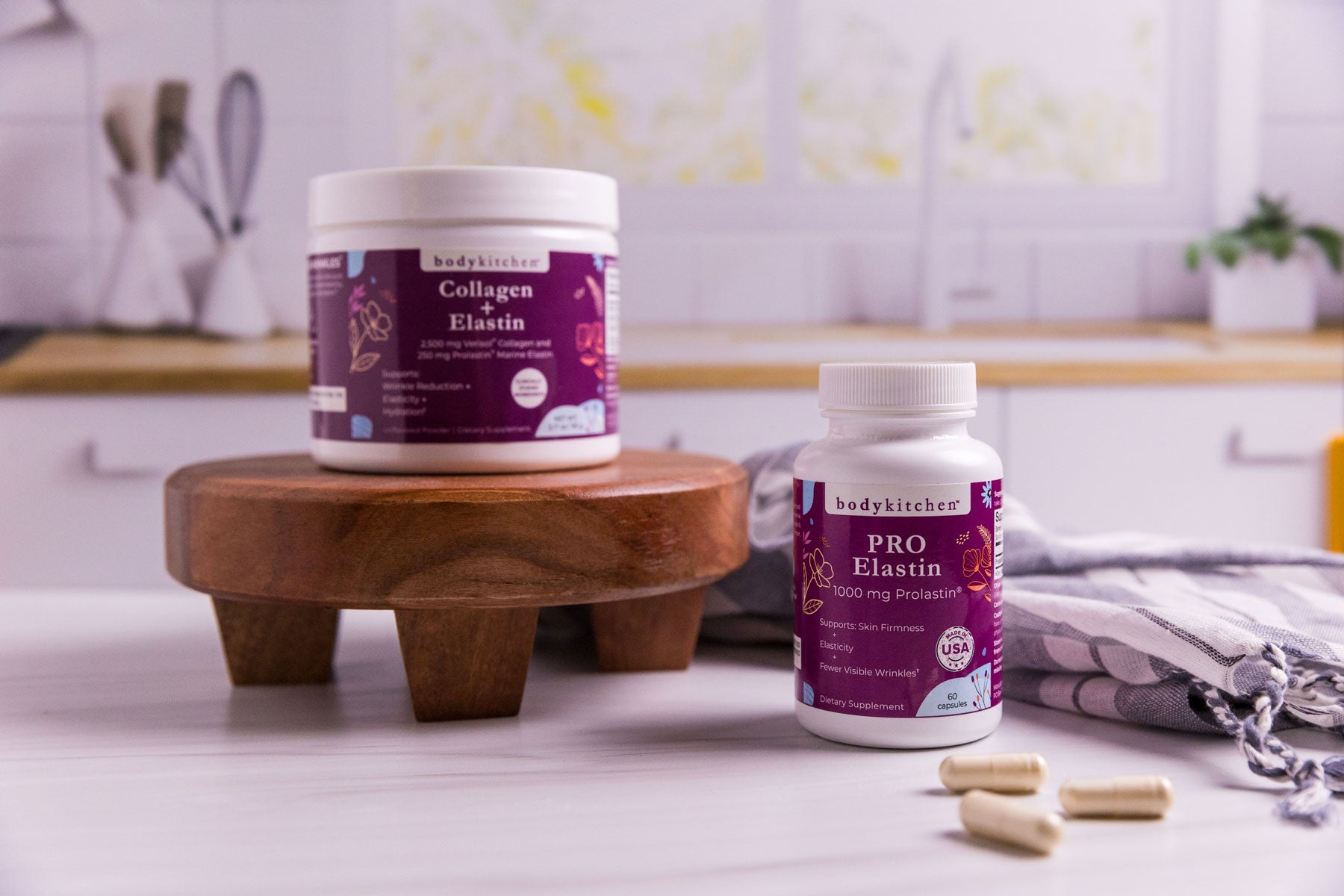
Having healthy skin means more than minimizing fine lines and wrinkles. To promote a healthy complexion, you must protect your skin from irritants and harsh chemicals. Unfortunately, many topical skin care products contain common allergens and ingredients that have carcinogenic potential. Read on to learn more about the worst ingredients for skin and what you can do instead to support a more radiant, youthful-looking complexion. The Worst Ingredients for Your Skin The following are the eight worst things for your skin. PEGs (polyethylene glycols) Polyethylene glycol, or PEG, is added to many creams and lotions to increase thickness and carry moisture into the skin tissue. It is also sometimes used to make cosmetics softer and simpler to apply. Depending on how the polyethylene glycol is manufactured, it may contain the known carcinogens ethylene oxide and 1,4-Dioxane. Some people are also sensitive to PEG and may develop irritation from exposure. Methyl and Propyl Parabens Parabens is a blanket term for chemicals known as methyl and propyl parabens. Manufacturers add parabens to body lotions, facial cleansers, body washes, shampoos, foundations, and other products to fight the growth of bacteria and extend shelf life. Studies into the safety of parabens have yielded mixed results. While some have found that parabens pose little or no risk of ill effects, others indicate that exposure to the chemicals can lead to imbalances in male and female sex hormones. Even though the U.S. Food and Drug Administration (FDA) has stated that there is not enough evidence of health risks to necessitate a consumer warning, many people choose to avoid parabens. Aluminum Aluminum in the form of aluminum oxide and other compounds is frequently added to deodorant, lipstick, and eye makeup. In 2015, a study revealed that aluminum could cause breast cancer cells to spread more quickly. However, critics of the research state that aluminum isn't absorbed by the skin and is safe to use topically. Although opinions differ, it may be wise to avoid aluminum entirely until more research is done to explore the potential link between cancer and aluminum. Formaldehyde Formaldehyde is a powerful preservative used for embalming and preserving laboratory specimens. It is also an ingredient in some nail polishes, bubble baths, body washes and shampoos. The chemical is a known carcinogen and has been linked to respiratory problems and irritation of the skin and eyes. The American Cancer Society states that levels of formaldehyde in beauty products are too low to be hazardous to health. Still, you may want to think twice about using anything that contains it, especially if you have asthma or sensitive skin. Phthalates Phthalates are added to plastics to increase strength and are used as additives in some skin care products. When studied in isolation, phthalates cause hormonal disruptions that accelerate puberty and increase the risk of cancer and infertility. So far, science has not fully explored whether beauty products that contain phthalates pose these risks. However, many skincare and cosmetics companies have eliminated them from their products due to safety concerns. Oxybenzone Oxybenzone is a highly effective chemical sunscreen that absorbs ultraviolet radiation before it reaches the skin. Many people experience allergic reactions to the ingredient, and some older studies linked its usage with lower sperm counts in men. More recent studies have not been able to reproduce these results, but concerns over the ingredient have led many health boards to ban it. Key West, Florida, and the state of Hawaii are among the growing number of places where the sale of sunscreens with oxybenzone is prohibited. Alcohol Alcohol isn't a carcinogen, but it does have a drying effect on the skin. If you have normal to dry skin or are prone to sensitivity, it's generally best to avoid products that contain alcohol. Fragrances There are more than 3,000 fragrances commonly used in perfumes, skin care products, and cosmetics. Although these ingredients are generally considered safe regarding toxicity and carcinogenic risks, fragrance in skin care products is a common allergen. People with sensitive skin and environmental allergies may wish to buy fragrance-free products to avoid synthetic perfumes. Healthy Skin From the Inside Out Promoting beauty from the inside out is one of the best tips for healthy skin care. Using supplements for healthy skin helps to ensure that your body has the nutrients needed to produce collagen and elastin fibers, rejuvenate damaged tissue and maintain an adequate moisture barrier. Body Kitchen Pro-Elastin is one option. Each serving delivers 1000mg of Prolastin elastin, shown in clinical studies to increase elastin production by 250% and collagen production by 100% to improve skin elasticity and firmness. A unique enzymatic hydrolysis process makes the critical ingredient easier for your body to absorb and utilize for enhanced effectiveness. The supplement is made in the USA to ensure quality and safety.

Chocolate Peanut Butter Power Smoothie
Collagen and elastin work together to promote supple, plump, and glowing skin. Collagen builds structure in the skin, while elastin allows for increased flexibility. Both proteins decrease with age, stress, and exposure to environmental toxins. Adding them to the diet using Body Kitchen supplements helps to replenish and rejuvenate the skin from the inside out. Both collagen and elastin are easy to incorporate into smoothies, such as this delicious chocolate peanut butter version. Try it for breakfast, after a workout, or as an afternoon snack. The only sweetener in this smoothie is banana, but for a sweeter version, feel free to add a little honey or maple syrup.

The No-Gym Plan for Building a Fit, Strong Body
When you think about what “fit and strong” looks like, you probably imagine a lean, sturdy and well-sculpted physique that takes hours in the gym or workout studio to build. Without question, strength training is scientifically proven to improve body mass index, increase physical strength and help expend energy more efficiently. So whether the heavy lifting is done in the gym or in your living room, training with weights deserves to be an important part of your health routine. However, weight training that mostly focuses on your body’s largest muscle groups is not the rock-solid foundation of a fit, strong, balanced body. In fact, it’s your entire musculoskeletal system that needs to be fortified, including small muscles, bones, cartilage, tendons and ligaments. Treat your body like a temple, not a house of cards From the largest muscle to the smallest piece of cartilage, all are part of an interconnected web of structural, protein-based tissues that form the foundation of not only your strength, but your agility, flexibility, mobility, balance and overall level of fitness. And what this means to you is having a body that can keep up with your hobbies, passions and life’s everyday physical demands… especially as you age. But if you only exercise large muscle groups at the gym, you may gain muscle but not the functional strength that aging well requires. Every stage of life brings factors that we don’t account for when we’re young… the gradual decline of muscle mass every year after age 30… hormonal shifts that affect bone strength and body composition… and the increased risk of injury and fractures they invite. So your fitness routine needs to be as limber as your body. Tips for Building a Fit Foundation Most people focus on just one or two fundamentals of fitness. But to build and maintain a fit, functional body as you age, it’s important for all components of your musculoskeletal system to get the attention they deserve. Maintain healthy bones From holding your body in place to storing calcium, your bones are integral to your health and daily quality of life. While your body has the ability to renew bone tissue, the ratio starts to change at about age 30 when bone breaks down faster than can be rebuilt. And after age 50, you lose bone density by about 3-4% per decade.* Women are especially vulnerable to experiencing bone loss due to having less bone tissue and smaller frames compared to men. And, because estrogen stimulates bone-building cells called osteoblasts, its decline during and after menopause also contribute to bone loss. What you can do: High-impact cardio exercise Weight-bearing exercise Mineral supplementation Regular exercise is not only for building muscle strength and promoting a healthy body shape, but for strengthening your bones too. It forced tissues to work against gravity and stresses tissue in a beneficial way, all of which improve strength, coordination and balance. Equally as important as regular exercise for reducing bone loss is to prevent mineral deficiencies. Your bones depend on an adequate and steady supply of calcium, vitamin D, magnesium, phosphorus, potassium and other minerals. And while calcium is one of the most recognized minerals and is easily accessible in many foods, you may not be absorbing as much as you think. According to the NIH, calcium absorption from food is only about 45% of intake*. You can easily boost your calcium absorption by taking it with a vitamin D supplement, such as Body Kitchen Vitamin D + K2, two complementary nutrients that support bone health. Build core strength Being steady on your feet and agile in your movements depends on your core strength and balance. The “core” is often attributed to abdominal muscles, but they are only one part of your trunk – the source of stability and from which all movement stems. Your trunk includes your stomach, lower back, hips and pelvis, and together they play a monumental role in helping you maintain your mobility and physical performance, as well as making you less prone to falls and injuries. You don’t need to hit the gym or even use weights to build core strength and improve balance. Your body is all the weight that you need to do these core-building activities: Yoga Pilates Calisthenics Bonus: these exercises have the added benefit of strengthening small muscle groups, ligaments and tendons that might normally not get isolated and worked-out during traditional workouts. For a stronger, more robust core, nourish your body from within with our core collagen formula, Original Body Boost. It remains one of our most popular products, because it delivers 19 grams of protein, plus 30X the collagen peptides of many other supplements. And it’s loaded with fruit antioxidants that fight tissue breakdown. Protect joints and other connective tissue Connective tissue is found throughout the body and is designed to offer structural support, cushion and insulation to other tissues and organs. These are the tissues that help you react quickly and avoid injury when you roll your ankle stepping off a curb or reach behind you in the car, for example. Three connective tissues that your flexibility and mobility depend on are: Joint cartilage – a smooth substance that coats and cushions the ends of bones Tendons – strong fibers that connect muscles to bones Ligaments – thick bands that connect bones to other bones All connective tissue is composed of a strong structural protein and hydrating, cushioning polymer: collagen and hyaluronic acid. Your body continually synthesizes collagen and hyaluronic acid to rebuild joints and other connective tissue. But with aging, production of both naturally declines, affecting their ability to repair tissue and contributing to cartilage degradation and grinding. Additionally, tendons and ligaments lose elasticity, which reduces flexibility and range of motion over time. What you can do: The key to strengthening supporting tissues and extending the shelf life of your joints, ligaments and tendons is with exercises that stress them in ways that simulate everyday movements: Resistance training – use exercise bands for low, steady weight Eccentric training – extending the lengthening phase of an exercise Stretching – exercises that use your full range of motion Plyometrics – quick, explosive movements Nutritionally, you can support these tissues by consuming the building blocks of healthy connective tissue. Protein-rich foods such as beef, seafood, whole food soy (tofu, edamame, protein powder) and eggs help the body form collagen. And citrus fruit, such as oranges, contain vitamin C to support collagen production and another powerful antioxidant, naringenin, that helps your body resist the breakdown of hyaluronic acid. To boost your collagen and hyaluronic acid for healthy joints with Collagen Enrich. Or for advanced joint support, try Pro-Mobility clinically shown to reduce joint discomfort and nourish healthy tissue.