Blog

Candy, Collagen and “Sugar Sag”: The Dark Side of Halloween
Have you ever noticed your skin looking a little dull, less bouncy, or surprisingly slack after a high-sugar week? You’re not imagining it. There is a direct, scientifically proven link between excess sugar intake and premature skin sagging, a phenomenon dermatologists call “sugar sag.” Multiplied by weeks of increased candy and chocolate consumption (curse you, leftovers!), and your skin can be left crying out for help. While a few fun-size chocolate bars are a delightful part of October and are no cause for concern, research reveals the frightening truth behind sugar consumption: the average American eats more than three pounds of Halloween candy around spooky season. “Sugar Sag” is Real When you overindulge in sugary treats, your body breaks those carbohydrates down into glucose. While your cells use glucose for energy, an overload of simple sugars floating in your bloodstream can trigger a biochemical reaction called glycation. Glycation occurs when excess sugar molecules attach themselves to proteins and lipids without the control of an enzyme. When sugar binds to these essential structural components, it forms destructive new molecules called Advanced Glycation End-products, aptly known as AGEs. These destructive molecules can actually accelerate the biological aging process of your skin cells, contributing to wrinkles, sagging and lifeless skin.* How Excess Sugar Hijacks Your Glow Transformed by hitchhiking sugar, AGEs target the protein-fortified scaffold of your skin: collagen and elastin. Collagen is the primary structural protein that builds firm, plump, smooth and youthful-looking skin, making up nearly 75% to 80% of its dry weight.* Elastin, its counterpart, makes up less than 4% of skin, yet is responsible for its flexibility and spring. At their strongest, collagen and elastin proteins form a resilient matrix that resists gravity. However, collagen and elastin are uniquely vulnerable to glycation due to their naturally slow cellular turnover. Unlike skin cells that constantly regenerate, the long lifespan of these proteins means a lifetime of fighting the effects of glucose molecules latching on. Over time, once-supple collagen and elastin fibers can weaken and rust, resulting in noticeable skin aging: Loss of Elasticity – Skin loses the ability to snap back into shape. Accentuated Wrinkles – The rigid structural mesh cracks under repeated facial expressions, resulting in “smile lines” and “crow’s feet”. Visible Sagging – Without strong structural anchors, gravity pulls cheekbones and jawline downward. Dullness – Youthful radiance dims as cellular turnover slows. And that’s not where the damage of AGEs ends. They can also deactivate your skin’s natural antioxidant defenses, leaving you far more vulnerable to UV damage and environmental stress.* By age 35, glycation rapidly accelerates, compounding the natural 1% annual decline in collagen production.* 3 Tips for Saving Your Skin (Without Banning Halloween) You don’t need to completely abandon Halloween festivities or banish every autumn treat. The goal is smart dietary balance paired with a targeted, science-backed nutritional defense. 1. Time your treat right. A spike in blood sugar creates an immediate surge of glycation. If you indulge in a sweet treat, enjoy it after a meal that is rich in protein, healthy fats and fiber. Fiber slows down gastric emptying, minimizing glucose spikes.* 2. Harness antioxidant protectors. Antioxidants neutralize the free radicals generated during the glycation process. Incorporate potent antioxidants into your routine, such as vitamin C. This hard-working, versatile vitamin serves as an indispensable cofactor for collagen production while countering oxidative damage.* 3. Replenish structural proteins. Since glycation degrades existing structural proteins, replenishing them is vital for maintaining youthful skin for as long as you can. For the best of both, try our peptides powerhouse Collagen + Elastin. The micro-sized peptides remain intact in the bloodstream, signaling skin cells to repair and rebuild structural fibers. Keep Your Glow All Season Long This October, enjoy the season mindfully. By understanding the science of glycation, how skin reacts under the influence of excess sugar, and how to reinforce your radiance from the inside, you can enjoy the fun of the season while protecting your skin from “sugar sag”.

Why Vitamin D Deficiency Peaks in Autumn and What to Do About it
As the days get shorter, the sun shines less and the temperatures drop, there is another seasonal change that many people may not think about: low vitamin D levels. Most of us know that we can make vitamin D from the sun, but it’s so easy to forget that depending on where you live, many people don’t get enough sun to make adequate vitamin D during certain parts of the year, typically starting in fall. Technically, vitamin D deficiency does not “peak” in early autumn. Research shows that vitamin D levels often are at their lowest point in winter or early spring, but fall is the critical season to be thinking about vitamin D and taking proactive steps to prevent deficiency later on.1 Why does this matter? Because vitamin D is critical for bone health, the immune system, inflammation, and so much more. Read on to get the tools you need to be prepared to prevent vitamin D deficiency this autumn and beyond. Why Autumn and Winter Dramatically Reduce Vitamin D Production The amount of vitamin D your skin can produce depends on a few factors. First there’s the sun. During fall and winter, when the sun sits lower in the sky, the UV rays are not as strong as they are in summer. Additionally, the days are shorter, offering less time during the day to get exposed to the sun’s light. Second, we are typically more covered up in the colder months, so there’s less surface area of the skin getting direct sunlight. And third, we are indoors more. All of these factors mean less vitamin D production. There can be other factors as well, such as age, genetics, medical conditions and more that can influence vitamin D levels. People who are the most susceptible to low vitamin D may fit into one or more of these categories:2 Liver at northern latitudes Spend little time outdoors Regularly cover most of their skin Have darker skin pigmentation (darker skin is better at blocking UV light) Are older adults Have conditions or medications affecting fat absorption (fat helps vitamin D absorb better) And because relatively few foods naturally contain substantial amounts of vitamin D, it can be difficult to make up the difference from diet alone. Common Signs That Your Vitamin D Levels May Be Low One of the challenges with vitamin D is that it does not always produce obvious symptoms. Many live with mild deficiency that may cause no noticeable symptoms at all.3 But if the deficiency gets worse, there are some common signs you might see:3,4 Muscle weakness Muscle aches Bone and back pain Fatigue Reduce physical performance Mood changes (sadness, depression, irritability) Frequent illness Vitamin D is particularly important for bone health because it helps the intestines absorb calcium and support normal bone mineralization. This is especially critical during the menopause years when our bone density can take a hit. Research also associates adequate vitamin D levels with maintaining muscle function.4 Research also suggests vitamin D has a role to play in a properly functioning immune system. This is why you commonly see vitamin D included in vitamins for the immune system and other immune support supplements.5 If you are one of those people that frequently get sick or experience any of these symptoms listed, considering getting your vitamin D levels checked. A high-quality vitamin D supplement can fill the gap and get you on the path to restoring those levels for optimal health. Why Vitamin D and K2 Work Better Together Than Alone When it comes to bone health supplements, vitamin D often gets most of the attention, But vitamin K is also up there when it comes to important nutrients for bone health. They have separate yet complementary roles. Think of their partnership this way:4,6 Vitamin D helps you absorb calcium: It increases the body’s ability to absorb calcium from the digestive tract so that calcium can get where it needs to go – namely the bones. Vitamin K helps activate proteins involved in binding calcium to the bone matrix. One of these is osteocalcin, a vitamin K-dependent protein needed for bone mineralization. This unique relationship is why the best bone health supplements have both. As you might expect, Body Kitchen understands these roles and offers both nutrients combined conveniently in one capsule, helping you prevent deficiency and achieve optimal bone health and overall body support. But please note: anyone taking warfarin or other medications that can be affected by vitamin K need to talk with their doctor first before adding vitamin K2 or any other supplements. How to Choose the Right Vitamin D Supplement Heading into Winter If a vitamin D supplement sounds like something you want to consider, here are a few things to look for so you make the right choice: The type of vitamin DTypically we mention vitamin D3, but did you know there is also vitamin D2 in some supplements? Most people should choose D3 as it’s more potent and arguably better absorbed. A recent study found that D3 was more effective than D2 at raising total vitamin D blood levels.7 Check the doseThe recommended intake for vitamin D is 600-800IU per day for adults, but some studies some studies suggest higher doses may be better.8 Taking moderate doses up to 5,000IU/ per day is safe, but always check with your doctor first to make sure it does not interfere with any medications or other treatment goals. Consider having your vitamin D levels checkedWhether you are deficient or not (and many people are) can help you determine the best product and dose. Final Thoughts Autumn is a smart time to pay attention to vitamin D since levels start declining as soon as the sun begins to dip. It’s really important not to neglect this key nutrient as it’s involved in bone health, muscle function, the immune system and overall health. Be sure to check out Body Kitchens Vitamin D + K2 for the best combo for bone health and beyond. Proper vitamin D levels will make sure you go into autumn and winter fully armed and feeling your best. And if in doubt – get your vitamin D levels checked! Frequently Asked Questions Why does vitamin D deficiency become more common in autumn and winter? Vitamin D is primarily synthesized in the skin through direct exposure to UVB sunlight. In autumn and winter, the sun sits lower in the sky, UVB rays travel through more of the atmosphere, and people spend significantly less time outdoors. In many northern latitudes, the angle of the sun from October through March means that UVB exposure is insufficient for meaningful vitamin D production even on clear days. Combined with shorter days and more time spent indoors, this seasonal shift causes vitamin D levels to drop for a large portion of the population. What are the most common signs that vitamin D levels may be low? Vitamin D deficiency is often subtle and easy to attribute to other causes. Common signs include persistent fatigue, low mood or seasonal blues, muscle weakness, frequent illness, and bone or joint discomfort. Because vitamin D plays a role in immune function, mood regulation, muscle health, and calcium metabolism, deficiency can affect multiple systems at once. A blood test measuring serum 25-hydroxyvitamin D is the most reliable way to confirm a deficiency rather than relying on symptoms alone. What does vitamin K2 have to do with vitamin D supplementation? Vitamin D increases the absorption of calcium from the gut, but calcium needs to be directed to the right places in the body. Vitamin K2 activates proteins that guide calcium into bones and teeth rather than allowing it to deposit in soft tissues like arteries and blood vessels. When vitamin D supplementation is taken without adequate K2, calcium absorption increases but without the directional guidance that K2 provides. Combining D3 with K2 supports both effective calcium utilization and cardiovascular safety. How much vitamin D do most adults need during autumn and winter months? The amount of vitamin D needed varies by individual based on baseline blood levels, body weight, age, and how much sun exposure a person gets. General guidance suggests that many adults benefit from 1,000 to 2,000 IU of vitamin D3 daily during low-sun months, with some individuals requiring higher amounts under the guidance of a healthcare provider. Because vitamin D is fat-soluble and accumulates in the body, it is worth checking blood levels before significantly increasing intake, and taking it with a meal that contains dietary fat improves absorption. Who is most at risk for vitamin D deficiency heading into fall? People at greatest risk of autumn vitamin D deficiency include those who live at higher latitudes, spend most of their time indoors, have darker skin tones that require more sun exposure for adequate synthesis, are over 65 (as skin becomes less efficient at producing vitamin D with age), and those who are overweight, since vitamin D is stored in fat tissue and may be less bioavailable. People who wore sunscreen consistently through summer may also have lower stored levels than expected, making a fall supplement routine particularly important for this group.

Fall Skincare From Within: How To Prep Your Skin for Cold Weather
As fall rolls in and temperatures and humidity begin to drop, our skin can become noticeably drier, more rough, and even less soft. Add indoor heating, hot showers and less air flow, these colder months can really be challenging for maintaining proper skin health.1 But there are steps we can take to prep our skin for these inevitable changes. While there’s plenty of advice on what to put on our skin, from creams and moisturizers to serums and balms, it’s arguably more important how we support our skin health from the inside. Supporting youthful skin with an adequate diet, alongside key supplements such as elastin and collagen peptides, can help provide skin support at a much deeper level than topical products alone. Let’s take a look. Why Cold Weather Takes a Toll on Skin Elasticity and Hydration We often take our skin for granted, but it’s constantly defending us against the outside world while we carry on with our day. It functions as a protective barrier between us and the outside environment while also keeping moisture in and irritants out. But cold, dry weather can make maintaining skin firmness and skin hydration more difficult. There are several reasons why fall in particular can be tough on skin: Lower humidity, which means less moisture in the air Cold temperatures, which dries out skin Wind and cold air can mean more dryness and irritation Indoor heating, creating even less humid of an environment Long, hot showers which can strip away skin’s oils and moisture At the same time, we are slowly losing collagen and elastin, the main framework of our skin, due to normal skin aging. Cold weather and less moisture can make this loss appear even more prominent, which is why fall can be very challenging for optimal skin health. How Collagen and Elastin Supplements Support Seasonal Skin Resilience But don’t lose hope quite yet. We do have tools that can help us fight against these seasonal changes to keep our skin looking fresh and healthy. Let’s first talk collagen peptides. Think of collagen as the framework that gives skin firmness and strength. Studies have shown that hydrolyzed collagen peptides can improve visible skin hydration, elasticity and reduced skin wrinkling, even after just 12 weeks.2 Next we have elastin. Elastin gives skin its flexibility and bounce. While this compound is less studied, we do have evidence that oral marine-derived elastin supplements can improve skin hydration as well as improve skin elasticity.3 Body Kitchen understands that both offer different yet complementary roles, and that’s why we’ve added Pro-Elastin Peptides to our skin care line up, so you can include this key support alongside collagen peptides for the dual approach your skin needs. Body Kitchen’s Pro-Elastin provides 1,000 mg of marine-derived elastin peptides per serving and is designed to complement the structural role of collagen. Consider adding it this fall for the extra seasonal support your skin deserves. The Best Internal Nutrients to Fortify Skin Before Winter Arrives Don’t forget, even the best skin health supplements can’t outdo good nutrition. Your body needs a whole host of nutrients to build, maintain and protect skin health. Here are key areas to consider: Adequate protein: Collagen and elastin are proteins, so getting enough dietary protein daily helps provide the amino acids to build and repair these key proteins and so many other functions of skin health. In addition to food sources of protein, collagen peptides can help boost protein intake as well. Vitamin C: This vitamin is a key cofactor in collagen synthesis, and it also functions as an antioxidant that protects the skin from oxidative stress. Include foods such as citrus fruits, kiwi, bell peppers, and broccoli.4 Colorful plant foods: In addition to vitamin C foods, most plant foods offer an abundance of antioxidants. When you see color in food, what you really see are plant polyphenols, which help cell repair and ward off inflammation. Aim for a wide variety of colorful foods daily to get the most benefit. Healthy fats: Dietary fats are key to helping maintain skin barrier protection. Omega-3 fats in particular may be especially helpful. A 2024 study found that adding omega 3’s helped improve skin hydration and skin elasticity.5 Fatty fish, walnuts, leafy greens, flax seeds, hemp hearts and tofu are all good sources of dietary omega 3’s. Building a Fall Skin Prep Routine That Works From the Inside Out Building the best routine for fall skin health does not need to be complicated. Consistency matters more than adding more and more products to your routine. Start with these basics: Eat protein-rich foods at every meal Include vitamin C foods daily Eat a variety of colorful plant foods daily Eat omega-3 foods several times per week Stay hydrated, especially in cold weather Consider adding elastin and collagen peptides for daily support Continue using a high-quality moisturizer and daily sunscreen to protect the outside of your skin, even in winter If you decide to opt for adding additional skin support, remember Body Kitchen’s pro-elastin is the perfect complement to collagen peptides. While collagen benefits skin strength, elastin is there for elasticity. Both are key to revitalize dry, dull winter skin. But remember, as studies suggest, results don’t happen overnight. Think of internal nutrient supplementation as long-term skin health support, not a quick cosmetic fix. Final Thoughts The return to cold weather is unavoidable, but dry, dull skin doesn’t have to be. Protect your skin through the fall and beyond with just a few, intentional steps. Make sure to maintain a nutrient-rich diet with a variety of colorful plant foods, high protein choices, and omega 3 foods. Adding hydrolyzed collagen peptides and elastin peptides may offer additional support, especially when it comes to skin hydration and elasticity that can be challenging in dry, cold weather. Start supporting your skin the fall before the coldest weather arrives, and you will have a headstart on achieving skin that is firm, hydrated and resilient all season long. Frequently Asked Questions Why does skin often look and feel worse in fall and winter? Cooler air holds less moisture than warm air, and indoor heating further reduces humidity levels, both of which draw water out of the skin and compromise the skin barrier. At the same time, declining sun exposure in fall reduces vitamin D levels, which play a supporting role in skin cell renewal. For people already dealing with reduced collagen and elastin production due to age, the seasonal shift can make dryness, dullness, and fine lines noticeably more pronounced. How does elastin supplementation help the skin adapt to seasonal changes? Elastin is the protein that allows skin to flex and return to its original shape, and it plays a key role in how well skin withstands environmental stressors like low humidity and cold air. When elastin levels are supported through supplementation, skin maintains greater resilience and bounce-back even as external conditions become more challenging. An elastin supplement taken consistently in the weeks leading into fall can help build a stronger skin foundation before the harshest drying conditions arrive. What internal nutrients best support skin through cold weather months? Collagen and elastin peptides are among the most impactful internal skin nutrients for cold weather resilience. Collagen supports skin structure and volume, while elastin supports flexibility and bounce. Together, they help maintain a skin matrix that is better equipped to hold moisture and resist the thinning and tightening that cold, dry air can cause. Supporting these proteins from within, alongside adequate hydration and vitamin C intake, addresses skin health at a foundational level that topical products cannot reach. When should someone start taking a skin supplement before fall weather sets in? Because collagen and elastin supplementation works gradually by stimulating the body's own protein production, starting 6 to 8 weeks before the harshest seasonal conditions arrive allows time for meaningful results to develop. For most people in North America, beginning a skin supplement routine in late summer or early fall provides the lead time needed for skin to be at its most resilient when cold, dry conditions peak in late fall and winter. Can internal skin supplements replace a good topical skincare routine in fall? Internal supplements and topical skincare products address skin health through different mechanisms and work best when used together rather than as substitutes for each other. Topical products work primarily on the outer layers of skin to provide immediate moisture and protection. Internal supplements like collagen and elastin peptides work at a structural level to support the deeper dermal layers over time. The most effective fall skin prep strategy combines both approaches for comprehensive coverage inside and out.

Choline 101: The Overlooked Nutrient Most Women Are Missing
When you think about nutrients and women’s health supplements that are especially important for women, the first thing that comes to mind probably isn’t choline. While choline may not be making a splash in the headlines, it should be. It’s a critical micronutrient that’s involved in almost every part of our body, from brain health to liver support to cell membranes and nervous system function. Of particular note is it’s important yet often overlooked role in pregnancy where it helps with proper fetal growth and brain development. So why does choline receive so little attention? And how can we as women make sure we are getting enough? Let’s take a closer look. What is Choline and Why Is It Classified as an Essential Nutrient? Choline is a nutrient that was officially recognized as essential back in 1998. Over the years, evidence has grown that choline deficiency can lead to liver damage, mood and memory issues, and stunt proper brain and neural tube development in a growing fetus.1 Although our liver can make a small amount of choline on its own, it’s not enough to produce what the body needs. That means the rest needs to come from what we eat or things like a daily multivitamin. Here’s what choline does:1,2 Helps build essential phospholipids that strengthen our cell membranes Produces acetylcholine, a key neurotransmitter that’s involved with memory, mood and muscle control Helps shuttle fat out of the liver for optimal liver health Supports brain and nervous system development at key points during pregnancy and in growing infants Here are a couple other key facts about choline to note:2 Food Sources: Some of the best food sources of choline include eggs, beef, liver, chicken, broccoli and dairy products. Many of these higher sources are animal-based, which means women who eat few or no animal products may need to pay closer attention to their intake. Intake Needs: The Adequate Intake (AI) for choline is set at 425 mg per day for adult women. This increases to 450 mg per day for pregnant women and further increases to 550 mg per day during breastfeeding. And, the really interesting thing is that up until recently, choline was not routinely included in basic women’s prenatal vitamins. While folate still gets most of the attention, choline is arguably just as important for preventing neural tube defects and plays a whole host of other important roles during this formative time period.3 Why Women Are at Greater Risk of Choline Deficiency Than Men While the risk for choline deficiency is high amongst all groups, women do face a larger challenge at various points in life when it comes to this essential nutrient. The first is pregnancy. As discussed, choline needs increase during both pregnancy and breastfeeding. Here’s why:3 Pregnancy: Choline needs increase here because the developing fetus requires choline for proper growth. First, choline is involved in the early weeks for neural tube development. This is why having choline included in a women’s multivitamin is so important. Additionally, choline supports proper brain development, especially when it comes to memory function, at later weeks in pregnancy. Breastfeeding: As an infant continue to grow rapidly after birth, choline is needed as the brain grows, muscles develop, and the liver starts to function. For breastfeeding women, choline helps with mood, mental clarity, and healthy liver processing. The second is menopause, a time of hormonal upheaval. This is because as estrogen declines, so does choline production. Remember the liver can make some of its own choline? Well, this process is stimulated by estrogen. As estrogen declines during menopause, we lose this protective effect and are more susceptible to choline deficiency.4 This explains why choline is so important for women during many stages of life, especially pregnancy, breastfeeding, and menopause. Adding a well-rounded women’s multivitamin, such as Body Kitchens’ Women’s Multi with VitaCholine, can be a great move when it comes to optimal health. The Health Consequences of Not Getting Enough Choline With choline being so needed in many parts of the body, deficiencies of this important nutrient can be quite serious. Liver health: One of choline’s best known roles is for transporting fat out of the liver. When choline levels are low, fat can start to accumulate in the liver and lead to fatty liver disease over time.1 Brain and nervous system function: Choline is needed to produce acetylcholine, a neurotransmitter involved in learning, memory function, mood and muscle control.4 Pregnancy and fetal development: Choline contributes to cell division in the rapidly growing fetus which is particularly important for helping prevent neural tube defects. It also helps baby’s brain growth and memory formation.3 The takeaway here is that clearly getting enough choline matters, and there can be serious health consequences when deficient. Choline is essential to multiple systems in the body that are critical for women’s health. Keep this in mind when it comes to your diet choices and when choosing prenatal vitamins and the best multivitamin tailored to your health needs. How a Women’s Multivitamin with VitaCholine Can Close the Gap Ideally, look to get your choline needs met by food first. Vegans, vegetarians, and those with particular food allergies may need to pay special attention. If your diet just isn’t there yet with a wide variety of whole foods, or you are excluding many of these choline-rich foods for certain reasons, then a good quality women’s multivitamin might be right for you. Body Kitchen’s Women’s Multi is an example of one of the best multivitamins that recognizes choline as a part of women’s everyday nutrition needs. It contains 22 essential vitamins and minerals and specifically includes a patented form of choline called VitaCholine to target the unique needs of women. This formula is designed to fill dietary gaps while supporting energy, metabolism, immune health and cognitive function. Always discuss proper supplementation with your trusted healthcare practitioner first, but whatever stage of life you are in, consider if adding choline as part of a well-rounded women’s multivitamin might be a smart choice for you. Final Thoughts Choline may not get as much attention as other nutrients, but it plays an essential role in women’s health. Given its array of health benefits, it should be routinely included in women’s multivitamins. From liver function to brain health and reproduction, choline does a little bit of everything. Choline-rich foods should come first, but consider a adding a supplement like Body Kitchen’s Women’s Multi if you need that assurance your nutrient needs are being met by your daily multivitamin, especially when it comes to choline. Because at whatever age or life stage you are, a boost of choline is a boost to your health. Frequently Asked Questions What is choline and why is it considered an essential nutrient? Choline is a water-soluble nutrient that is essential for several core functions in the body, including cell membrane structure, fat metabolism in the liver, neurotransmitter production, and DNA synthesis. Although the body produces a small amount of choline on its own, it cannot produce enough to meet daily needs, making dietary intake or supplementation necessary. Despite its importance, choline remains one of the most under-consumed nutrients among women, with most adults in the United States falling short of recommended intake levels. Why are women especially likely to be deficient in choline? Women of reproductive age and postmenopausal women face a higher risk of choline insufficiency due to hormonal factors that influence how efficiently the body produces and uses choline. Estrogen plays a role in choline synthesis, which means that as estrogen levels decline during perimenopause and menopause, the body's ability to generate adequate choline internally decreases. Pregnant and breastfeeding women have elevated choline needs for fetal brain development, making deficiency even more common and consequential during those life stages. What are the signs of choline deficiency and how does it affect health? Choline deficiency can affect multiple systems in the body. Common signs include difficulty with memory and mental clarity, fatigue, and muscle discomfort. More significant deficiency has been linked to impaired liver function, since choline is essential for transporting fat out of the liver. Long-term insufficiency may also affect cardiovascular health through elevated homocysteine levels and impact fetal brain development when deficiency occurs during pregnancy. Many of these effects can be subtle and are often attributed to other causes. What is VitaCholine and why is it included in a women's multivitamin? VitaCholine is a branded, highly bioavailable form of choline designed to deliver the nutrient in a form the body can absorb and use efficiently. Including it in a women's multivitamin ensures that choline is addressed alongside other commonly deficient nutrients rather than requiring a separate supplement. For women who do not regularly consume choline-rich foods such as eggs and liver, a multivitamin containing VitaCholine offers a convenient and reliable way to meet daily needs and support brain, liver, and cellular health. Can getting enough choline make a noticeable difference in how a woman feels day to day? For women who are deficient, increasing choline intake can produce meaningful improvements in mental sharpness, focus, and energy levels, since choline is a precursor to acetylcholine, a neurotransmitter central to memory and cognitive function. Better liver function and improved fat metabolism may also support overall energy and reduce feelings of sluggishness. While choline is not a stimulant, addressing a nutritional gap that affects core physiological functions often translates into a noticeable improvement in daily wellbeing over time.

The Collagen-Elastin Peptide Duo: How These Two Proteins Work Together for Younger-Looking Skin
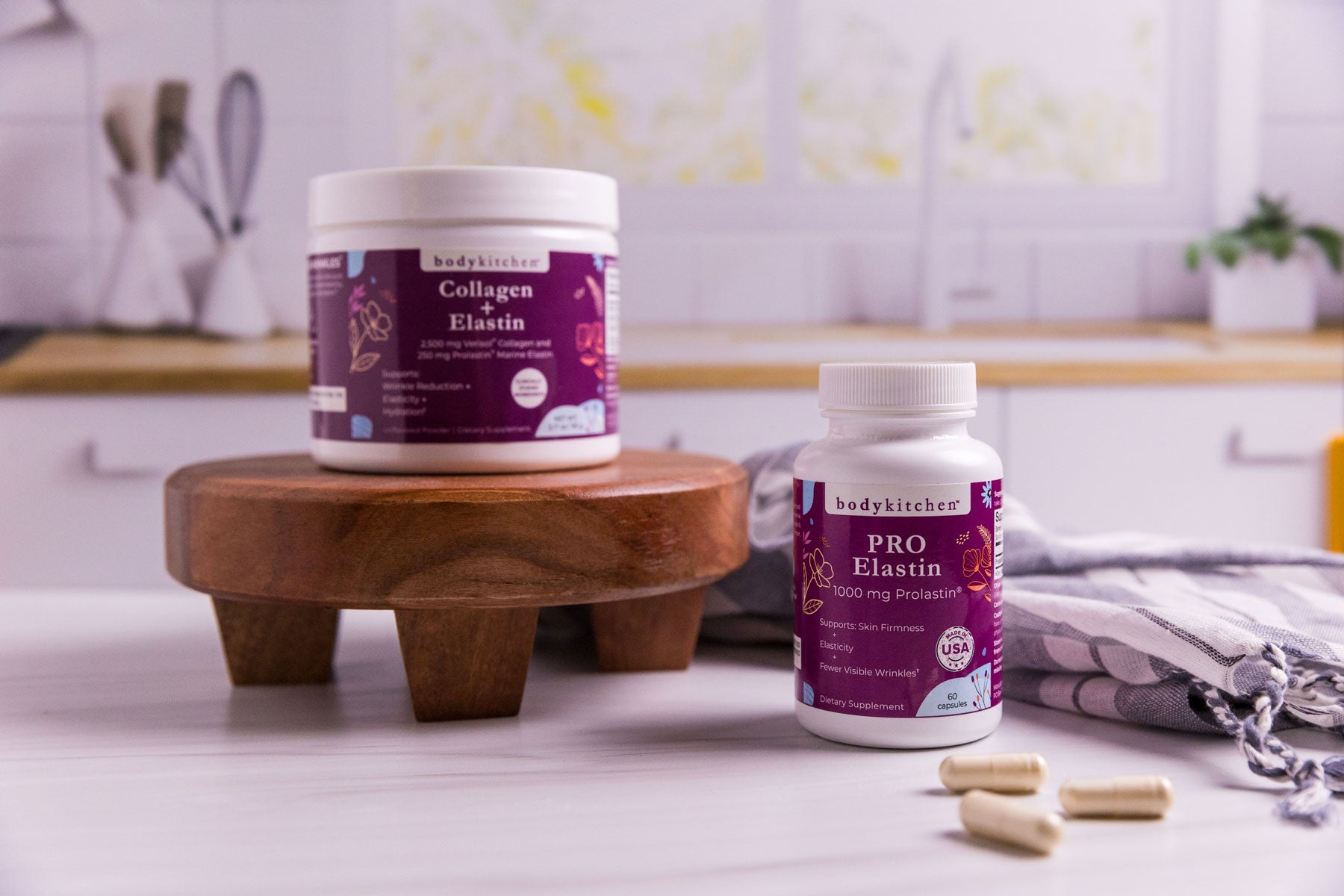
When it comes to achieving smooth, firm skin, collagen supplements and collagen peptides usually get most of the attention. However, did you know that collagen is only one part of optimal skin health? Another importapple and youthful. But of course, aging takes its toll, and the production of these proteins tend to decrease as we get older. Additionally, factors such as sun exposure, oxidative stress, diet and environmental factors can accelerate this breakdown. This is why combining collagen peptides and elastin peptides may offer more comprehensive support than taking collagen alone. Let’s break the science down. What Collagen and Elastin Do and Why Both Decline With Age Both collagen and elastint structural protein, elastin, is equally as important. While collagen provides structure and strength to the skin, elastin allows the skin to flex yet return to its original shape. Together, these key proteins form a supportive network that helps keep the skin firm, sun are a major part of the framework keeping our skin together. Here are their two rolls in a nutshell:1 Think of collagen like the beams in a building, holding the main structure together. Collagen gives skin strength, thickness and structural stability. Think of elastin more like a spring woven into the collagen framework. It still offers some stability, but it also adds stretch and flexibility. That way when the skin stretches, it returns to its original, youthful shape. But starting as early as your mid-20’s, our body starts to make less and less of these proteins. In fact, studies suggest that your body produces approximately 1% less collagen every year after age 20.2 Add to that the fact that elastin production starts to slow down after puberty, and skin aging starts its process.1 Multiple additional factors accelerate this breakdown even further: UV radiation: We all love the sun, but repeated exposure creates free radicals that can harm our skin and promote inflammation Hormonal shifts: Decreasing estrogen levels during menopause drastically reduce collagen and decrease skin elasticity. Environmental stressors: Pollution, poor diet, chronic stress and smoking can further damage the delicate framework supporting your skin. Over time, all of these factors contribute to skin that becomes more dull and less strong, leading to fine lines, wrinkles, sagging, and overall poor skin health. But adding elastin and collagen for skin support could be the key to fighting back against these effects of the aging process. How Collagen and Elastin Peptides Work Together to Support Skin Structure Because whole collagen and elastin molecules are too large to get absorbed efficiently in the digestive tract or even through the skin topically, science has turned to bioactive peptides, or more commonly known as elastin and collagen peptides. Through a process called hydrolysis, these collagen protein chains are broken down into smaller ones, which are easier to digest and absorb. After you ingest these elastin and collagen peptides and they get into the bloodstream, they can go on to reach the dermal layer of the skin and start their work. Part of this involves binding to specialized cells in the skin that send signals to produce more collagen and elastin, which helps regenerate your skin from within.3 Together, elastin and collagen peptides: Restore skin strength and firmness: Collagen peptides provide essential amino acids needed for the skin matrix, which improve skin thickness and smooth out fine lines. Restore bounce and elasticity: Elastin supplies essential peptides which help improve skin elasticity, flexibility and resilience. By pairing these two key skin health peptides together, you encourage the skin to rebuild both the framework and flexibility simultaneously, supporting healthy, glowing skin deep within. The Skin Benefits of Combining Collagen and Elastin in One Supplement While using a standard collagen powder supplement certainly can have benefits, combining collagen peptides with elastin gives you the best of both worlds. Numerous studies have touted the benefits of collagen for overall skin health, specifically with improving skin thickness, reducing wrinkles, and improving firmness.4,5 The best results are usually seen with consistent use over several months. There’s less studies for elastin specifically on skin, but a recent study did find that oral elastin peptides reduced fine lines, wrinkles and improved skin moisture in healthy adults after 12 weeks of use.5 While we need more studies to better understand the synergistic effects these two peptides can have for skin, combining the two can be an ideal way to ensure your skin gets the deep support it needs on a consistent and predictable basis. And this is exactly why Body Kitchen combines these two in our Collagen + Elastin duo. It’s the complete skin health support you need for everyday life. Why a Collagen and Elastin Powder is More Complete Than Collagen Alone The market is filled with traditional collagen supplements, but most single ingredient formulas fall short because they only address one side of the aging equation. Using a standalone collagen powder is great for helping with skin structure and firmness, but you are missing the support for optimal flexibility and bounce. Formulations that offer targeted ingredients offer a more holistic approach to skin health. By supplying hydrolyzed collagen peptides alongside elastin peptides, you get a comprehensive solution that targets both skin firmness and skin elasticity from the inside out. Using a high-quality, combo formulation such as Body Kitchen’s Collagen + Elastin powder ensures that your skin receives a concentrated dose of hydrolyzed collagen peptides that can stimulate the skin’s own production of collagen and elastin. This dual-action approach creates an easy routine that you can follow consistently and reliably for optimal results over time. Final Thoughts A standard collagen powder can be a great addition to your beauty routine, however don’t forget there’s more to proper skin health than just collagen alone. Collagen peptides contribute mainly to the skin’s firmness and strength, while elastin adds the stretch and elasticity. Both are partners in achieving skin that is strong and glowing from the inside out. This is exactly why Body Kitchen offers you both, for a one and done solution that’s easy to use and hard to forget. Get this one your counter today to get started on truly healthy skin that builds with time. Frequently Asked Questions What is the difference between collagen and elastin and why do both matter for skin? Collagen and elastin are the two primary structural proteins that give skin its youthful appearance and feel. Collagen acts as the scaffolding, providing tensile strength, volume, and firmness. Elastin acts as the elastic component, allowing skin to flex and snap back after movement. When both proteins are abundant, skin looks smooth, plump, and resilient. As production of each declines with age, skin loses both its firmness and its ability to bounce back, resulting in sagging, fine lines, and a loss of definition. How do collagen and elastin peptides work together when taken as a supplement? When collagen and elastin peptides are taken together, they address the two most important structural proteins in the skin's extracellular matrix simultaneously. Collagen peptides supply the amino acid building blocks that fibroblast cells use to produce new collagen, while elastin peptides signal those same cells to support elastin fiber regeneration. This dual action is more comprehensive than collagen supplementation alone, targeting both the structural firmness and elastic resilience components of skin aging at the same time. What skin improvements can someone expect from a collagen and elastin powder supplement? Consistent use of a combined collagen and elastin supplement can lead to improvements in skin hydration, firmness, elasticity, and the visible reduction of fine lines and wrinkles. Users typically begin to notice changes in skin texture and moisture within 4 to 8 weeks, with more significant structural improvements appearing around the 8 to 12-week mark. Results vary by individual, but the combination of both proteins addresses a wider range of visible skin aging signs than collagen alone. Why is a collagen and elastin powder a more complete anti-aging approach than collagen alone? Collagen alone supports skin volume and firmness, but it cannot restore the bounce-back quality that elastin provides. Many people who notice skin that feels loose or lacks resilience, rather than simply lacking plumpness, are experiencing elastin loss specifically. A powder that combines both proteins addresses both dimensions of skin aging, making it a more complete solution for those seeking comprehensive, inside-out anti-aging support through supplementation. Who is the ideal person to take a collagen and elastin powder supplement? A collagen and elastin powder is well-suited for adults over 30 who are beginning to notice changes in skin texture, firmness, or elasticity. It is particularly beneficial for women approaching or going through perimenopause, as hormonal shifts dramatically accelerate the breakdown of both collagen and elastin. Anyone who already takes a collagen supplement and wants to broaden their skin support by adding elastin, or anyone seeking a single product that covers both structural proteins, is an ideal candidate.

How Resveratrol and Hyaluronic Acid Work Together to Fight Skin Aging
If you’ve ever perused the skincare aisle or read up on the latest beauty trends, you know how obsessed we all are with preserving youthful skin. And with good reason. Skin can age from so many factors: sun exposure, environmental pollutants, stress, poor nutrition, lack of sleep, etc. Our poor skin gets it from every angle. But there two key ingredients that help support skin health from within: Resveratrol and hyaluronic acid. Together, these offer a more complete approach to fighting skin aging. Let’s do a deep dive into how these powerful compounds work and how adding them alongside other skin-supportive nutrients such as collagen and elastin can provide the ultimate defense against premature skin aging. What Resveratrol Does for Skin at the Cellular Level You might already know resveratrol as the famous health component in foods such as grapes, berries, peanuts, and red wine. But in the world of skincare and health, it’s celebrated as one of the most potent antioxidant supplements available.1 To understand why resveratrol is so special, we need to look at what causes skin aging in the first place: free radicals and oxidative stress. Everyday exposure to UV light, pollution, stress and even just our body’s normal metabolic processes can create unstable, free radical molecules. Over time, these can damage our skin. This is where resveratrol comes to the rescue. We have research that suggests resveratrol can help the skin by:1,2 Neutralizing harmful free radicals Calming inflammation Improving cellular longevity All of these functions help improve skin health from within, laying a healthy foundation at a cellular level so your skin can repair and shine. How Hyaluronic Acid Supports Skin Hydration and Volume from Within If resveratrol is your skin’s defense system, hyaluronic acid is the master hydrator. Hyaluronic acid, found in abundance in our skin and joints, helps to retain moisture in the skin, holding up to 1,000 times its weight in water.3 When we are young, our skin is naturally plump and smooth because our cells produce plenty of hyaluronic acid. However as we age, these levels start to drop, leading to dryness, less skin elasticity, and a dull, tired appearance. And sometimes this all looks even worse simply because we lack internal moisture. But the good news is we can add hyaluronic acid to help reverse these trends. A study in 2023 found that taking oral hyaluronic acid can improve skin hydration in just 4-8 weeks and improve skin thickness in 12 weeks.4 And another study in 2025 saw similar results on skin hydration and skin elasticity with doses ranging from 1-10g per day.5 While we need more studies on this topic, it looks like oral hyaluronic acid can be an easy way to boost to skin health. Why Resveratrol and Hyaluronic Acid Are More Effective Together Using resveratrol and hyaluronic acid on their own can certainly provide skin health benefits, but combining them could provide even more powerful synergistic effects. Think of them like a skincare duo: one protects the structural integrity of the skin while the other attracts and retain moisture. Here’s just a few of the ways this can work:1-3 Skin protection: Resveratrol can fight environmental stressors while hyaluronic acid replaces lost moisture, creating stronger, more resilient skin. Improved skin cell function: Hydrated cells with antioxidant support are better able to repair and ward of damage. Aging defense: Resveratrol can literally slow down cell aging while hyaluronic acid can target the visible signs of skin aging like fine lines and sagging. Together, they tackle skin health from all angles, preventing future damage while actively improving your current skin’s condition and appearance. How Collagen and Elastin Complete the Anti-Aging Skin Formula You might think we have all the bases covered, but there’s one more piece to this puzzle: structural support. And that’s where two vital skin health proteins comes in: collagen and elastin. Collagen gives skin its strength and firmness, while elastin keeps it tight yet elastic. Collagen and elastin start to break down as early as our mid-twenties, so incorporating these two foundational proteins are key for a truly complete regimen to fight skin aging.6 A simple and effective way to incorporate these structural proteins alongside your hydration and antioxidant supplements is to simply take them altogether. And that’s where Body Kitchen’s Collagen Elastin Powder comes in. We take out the guesswork by combining everything you need in one easy product. Body Kitchen’s formula provides concentrated collagen and elastin, along with resveratrol and hyaluronic acid, so you can cover every single angle of skin health without even thinking. Hydration, antioxidant defense, structure and firmness … check. Done and done. Final Thoughts Achieving healthy, glowing skin as you age does not have to mean buying dozens of products. By pairing your daily routine with a comprehensive formula like Body Kitchen’s Collagen Elastin Powder, you can ensure your skin has the extra boost it needs to keep it looking youthful, resilient and glowing. Resveratrol neutralizes cellular damage, hyaluronic acid helps retain critical moisture, and collagen and elastin provide the framework that keeps everything lifted and plump. It’s an all-in-one formula that maximizes results without overcomplicating your life. Start treating your skin to what it deserves, a complete skin health routine that works from the inside out. Frequently Asked Questions 1. What is resveratrol and what does it do for aging skin? Resveratrol is a polyphenol antioxidant found naturally in grapes, berries, and red wine. It protects cells from oxidative damage caused by free radicals, which are a primary driver of visible skin aging. In addition to its antioxidant activity, resveratrol has been studied for its ability to activate longevity-linked cellular pathways that may help slow the rate of skin cell aging. When taken internally, it works at a systemic level to reduce the oxidative burden that breaks down collagen and elastin over time. 2. How does hyaluronic acid contribute to younger-looking skin when taken as a supplement? Hyaluronic acid is a naturally occurring molecule that holds water in skin tissue, keeping it plump, hydrated, and smooth. As production declines with age, skin loses its ability to retain moisture, leading to dryness, fine lines, and a loss of volume. Taken orally, hyaluronic acid is absorbed through the gut and delivered to skin tissue systemically, supporting moisture retention from the inside out in a way that topical application cannot fully replicate. 3. Why do resveratrol and hyaluronic acid work well together for skin aging? Resveratrol and hyaluronic acid target two distinct but complementary aspects of skin aging. Resveratrol works as a defensive antioxidant, protecting existing collagen and elastin from oxidative breakdown. Hyaluronic acid works as a hydration agent, maintaining the moisture levels that keep skin plump and resilient. Together, they provide both protection against further aging and active support for skin hydration and structure, making the combination more effective than either ingredient alone. 4. How does the Collagen and Elastin Powder support resveratrol and hyaluronic acid activity? Body Kitchen's Collagen and Elastin Powder includes both collagen and elastin peptides alongside complementary skin-supporting nutrients. Collagen peptides provide the structural protein building blocks the skin needs to maintain firmness, while elastin peptides support bounce-back and resilience. When combined with the antioxidant protection of resveratrol and the hydration support of hyaluronic acid, the result is a more complete approach to slowing and visibly improving the signs of skin aging. 5. How long does it take to see skin improvements from a supplement combining these ingredients? Most users begin to notice improvements in skin texture, hydration, and radiance within 4 to 8 weeks of consistent daily use. Deeper structural changes, such as visible reduction in fine lines and improved skin firmness, typically become more apparent between 8 and 12 weeks. Because these ingredients work at a cellular and structural level, consistency over time produces the most meaningful results. Combining supplementation with sun protection and a nutrient-rich diet supports faster and longer-lasting outcomes. References: https://pubmed.ncbi.nlm.nih.gov/38592565/ https://pubmed.ncbi.nlm.nih.gov/35950117/ https://pmc.ncbi.nlm.nih.gov/articles/PMC9029726/ https://pubmed.ncbi.nlm.nih.gov/38009035/ https://pubmed.ncbi.nlm.nih.gov/40826844/ https://pubmed.ncbi.nlm.nih.gov/39021368/


9 in 10 Adults Have This Hidden Metabolic Syndrome
You wake up feeling a bit fatigued, write it off as a busy week, grab a second cup of coffee, and push through. At your annual check-up, your doctor notes that your blood pressure is a tick higher than last year. Individually, these little health blips don't seem like cause for alarm. But what if these seemingly isolated symptoms were actually part of an interconnected web? Enter CKM syndrome, short for cardiovascular-kidney-metabolic syndrome. If you've never heard of it, you're in good company. According to recent surveys from the American Heart Association (AHA), about 90% of adults have never heard of CKM syndrome. And here's the real shocker: the same percentage of people actually have at least one risk factor for it.* CKM syndrome is the most common health condition you've likely never discussed with your doctor. For women navigating busy careers, family life, hormonal shifts, and the subtle physiological changes that happen between ages 30 and 60, understanding CKM syndrome is key to staying connected to your body and supporting your long-term vitality. What's Behind This New Heart Syndrome For decades, medicine treated the body like a house with separate rooms. You saw a cardiologist for your heart, an endocrinologist for your blood sugar, and a nephrologist for your kidneys. The AHA introduced the CKM framework to dismantle those silos. Cardiovascular-kidney-metabolic syndrome is a clinical disorder reflecting the deep, structural links between heart disease, kidney disease, Type 2 diabetes, and metabolic health (including excess body fat). Think of your heart, kidneys and metabolic system as a three-legged stool. Your heart pumps oxygen-rich blood throughout this entire network. Your metabolism converts food into energy and manages fat storage and blood sugar. Your kidneys filter waste, clear excess fluid, and help regulate blood pressure. When one leg of this stool wobbles, the other two take the strain. Insulin resistance puts extra pressure on the blood vessels in your kidneys. Strained kidneys trigger chemical signals that raise blood pressure. Chronically high blood pressure forces the heart muscle to work overtime, ultimately increasing the risk of cardiovascular events. The good news is that medical leadership is taking CKM syndrome so seriously that the American College of Cardiology (ACC), alongside the AHA and allied medical societies, released their first-ever clinical guideline addressing CKM syndrome.* A major turning point in women's health care, this guidance urges doctors to stop viewing these organs separately and start screening for CKM risk factors much earlier in life. How CKM Starts and Progresses (and Why It Gets Missed) Just as sagging skin and creaking knees don't appear overnight, CKM syndrome follows a slow progression. Modern environmental stressors, such as chronic stress, processed foods, sedentary desk jobs and poor sleep hygiene, can also fuel inflammation and insulin resistance. Women in transition especially face unique metabolic shifts. As estrogen levels naturally decline during perimenopause and menopause, body fat redistribution shifts toward visceral abdominal fat. Estrogen plays a protective role in blood vessel elasticity and insulin sensitivity, so as it dips, CKM risk factors can escalate quietly behind the scenes. Here are the four stages of CKM syndrome:* Stage 1: Excess Body Fat. Carrying extra weight, especially around the midsection, along with subtle blood sugar shifts. Stage 2: Metabolic Risk Factors and Kidney Stress. Blood pressure nudges past 120/80, triglycerides rise, or early signs of reduced kidney function show up on routine labs. Stage 3: Subclinical Cardiovascular Disease. Early, symptom-free structural changes in the heart or blood vessels begin, often visible only through specialized scans. Stage 4: Clinical Disease. Advanced symptoms emerge, such as heart failure, stroke, kidney failure, or symptomatic coronary artery disease. You may be shocked to learn that fewer than 15% of U.S. adults are considered to have perfect cardiovascular, renal and metabolic health. The primary reason why CKM syndrome flies under the radar is that Stages 1, 2 and 3 are virtually silent. High blood pressure, mild insulin resistance and early kidney decline do not cause sharp pain or obvious alarms. Historically, healthcare has been reactive instead of proactive. Doctors treated high cholesterol when it became dangerous or managed diabetes after diagnosis. CKM syndrome links these conditions early on, giving you the opportunity to catch and reverse the process before permanent organ damage occurs. What You Can Do The best news about CKM syndrome? It's highly dynamic and often reversible, especially in Stages 1 through 3. Because the systems are linked, an improvement in your metabolic health can reduce strain on your kidneys and heart. Managing CKM is possible with a comprehensive plan that includes nutrition, supplementation, exercise and clinical care. Nutrition Whether you want to reduce your risk of CKM syndrome or manage its effects, a healthy, whole food diet is an effective tool for reducing body-wide inflammation and balancing blood sugar. Build meals around colorful fruits and vegetables, legumes, and whole grains. Fiber is proven to help slow glucose absorption, taking stress off your pancreas. Take inspiration from the Mediterranean and DASH diets. Both frameworks prioritize heart-healthy fats, such as cold-pressed extra virgin olive oil, avocados, nuts and fish, while keeping sodium levels in check to protect kidney health. One monumental step you can take to reduce inflammation in your body is to minimize consumption of refined sugars and ultra-processed foods. Excess sugars, specifically high fructose corn syrup, can trigger visceral fat accumulation and liver stress, key drivers of Stage 1 CKM. The famous Framingham Heart Study revealed that daily consumption of sugary beverages directly contributed to a 27% increase in this dangerous type of body fat.* Supplementation An extension of foundational nutrition, supplements help fill dietary gaps, combat cellular oxidation, and support micro-vascular health. Targeted nutrients that can support your heart, renal and metabolic health in powerful ways include: Omega-3 Fatty Acids: EPA and DHA essential fatty acids help maintain healthy triglyceride levels, support vascular endothelial function, and encourage a balanced inflammatory response across the body. CoQ10 (Coenzyme Q10): The heart and kidneys are among the body's most energy-demanding organs. CoQ10 aids cellular energy production within mitochondria and offers potent antioxidant protection against oxidative stress. Electrolytes: Optimal mineral balance (particularly sodium, potassium and magnesium) supports healthy cellular hydration, smooth muscle function and blood pressure balance. Try our refreshing Pina Colada Collagen Mocktail recipe. Magnesium: This mighty mineral supports vascular relaxation, aids blood pressure control, and supports the essential electrical signals that direct your heart muscle to contract and pump efficiently. Exercise Both strength training and cardio activity are powerful tools for improving metabolic efficiency. Because muscle is your primary site for processing glucose, building lean muscle mass is vital for improving insulin sensitivity even when you are at rest. Moderate-intensity movement, such as brisk walking, cycling, or swimming where you can carry on a conversation, builds mitochondrial density, improves circulation, and supports heart and kidney health.* Clinical Care If you are in Stage 2 or beyond, working with your healthcare team is essential. Under the new ACC guidelines, doctors are utilizing comprehensive risk assessment tools, multi-organ screenings, and targeted prescription therapies aimed at simultaneously protecting kidney function, improving insulin sensitivity, and managing cardiovascular pressure. Learning that you carry CKM risk factors can feel overwhelming. But you don't have to overhaul your life all at once. Small, consistent choices add up over time and can make a real difference in your charts, health and outlook.

Can Supplements Support Skin Firmness After 30?
Hitting age 30 is major milestone – it’s often a time when we feel confident, more accomplished, and have a better outlook on life. But it’s also a time when the subtle signs of aging start to hit. The “bounce back” that our skin used to have in our 20’s starts to slow down. Fine lines and a gradual loss of skin firmness start to show. It’s the pivotal point when investing in your healthcare really starts to matter. Thankfully, we have incredible tools to help promote healthy skin elasticity and vitality. But before you reach for that next tube of anti-aging cream, let’s dive into the science behind two skin superstars, collagen and elastin, and why this duo might be your best investment for glowing skin for years to come. Why Skin Firmness Changes After 30 It’s unfortunate but true … even as early as our mid to late 20’s, collagen levels naturally start to decrease. In fact, research suggests that collagen levels decrease by about 1% per year, after age 25.1 By the time we reach age 30, we can start to notice the loss of skin elasticity and skin firmness. But collagen is not the only player. While collagen provides structure to the skin, elastin provides the stretch and elasticity. Both are crucial in a comprehensive skincare plan.1.2 So what are the main reasons that collagen and elastin start to break down? Here are a few: The natural aging process, which slows down collagen and elastin production UV exposure and other environmental stressors Inflammation and oxidative stress Hormonal shifts Poor diet Stress It’s the combination of all of these that can speed up the processes that contribute to the first signs of visible aging, namely loss of skin elasticity and skin firmness. The Role of Elastin in Maintaining Firm Skin Most of us already know about collagen. But what role does elastin play in skin firmness, and what does this mean to our skincare routine? Elastin is a highly specialized protein found in the connective tissues of the skin. Its main job is not only to allow those tissues to be elastic and stretch properly, but also to bounce back and retain their shape..2 When elastin levels decline, the skin can look more saggy. While it still stretches, it doesn’t hold its shape as well, and this results in skin that is less firm and supple. The challenge with elastin is that unlike collagen, which our bodies continue to produce into adulthood, most of our elastin is created in childhood, and once it starts to decrease, it’s hard to get it back..2 That’s why protecting the elastin we have and providing key support to our skin becomes ever more important. And this is where targeted nutrition, such as an elastin supplement, can play a pivotal role in an anti-aging skincare routine. How Collagen and Elastin Work Together To achieve true skin firmness, you cannot rely on collagen alone. Collagen works best with elastin to improve the strength and resilience of the skin.3 Here’s a quick cheat sheet to help define these roles: Collagen: Provides the framework, structure and strength to the tissues of the skin. It keeps skin plump and strong. Elastin: Provides the flexibility and “bounce back” to the skin fibers. It ensures that when this strong tissue matrix moves, it contracts back to its original shape. This is why we need to target our approach to both collagen and elastin. When you support both, you are reinforcing the entire architecture of the skin for optimal skin firmness. Can Supplements Help Improve Skin Elasticity The question with supplements is always – do they work? In other words, will eating or drinking these proteins actually reach my skin? Well we have good news. When it comes to collagen and elastin, research seems to suggest we can see noticeable improvements, provided we take high quality supplements that our bodies can absorb.4 Studies have shown that we digest and absorb collagen and elastin proteins, either by breaking them down into individual amino acids or possibly absorbing these peptides intact..5 Studies also suggest that in addition to providing the building blocks for collagen and elastin synthesis, they also signal the body to start ramping up collagen and elastin repair and growth.5 So yes, it appears very likely that collagen and elastin can help prevent loss of skin elasticity and improve skin firmness, which is definitely exciting science news! And of course, Body Kitchen has used this research to make sure our ProElastin supplement delivers exactly what you need, a highly absorbable, high-quality form of elastin that your body can use to produce the skincare results you are looking for. What to Look for in a Skin Firmness Supplement As you well know, not all supplements are created equal. Evaluate these areas carefully to make sure you are getting a product that works. Bioavailability: Check that it contains “hydrolyzed” peptides. These are broken down into smaller weights that are easier to absorb. Ingredients: While many products focus solely on collagen, the most effective skincare routine includes elastin as well. Body Kitchen’s ProElastin is specifically designed to fill that gap and can work alongside the rest of your skincare routine. Antioxidant support: We need critical antioxidants, such as vitamin C, for our bodies to make collagen and elastin. If your diet is deficient, consider adding a supplement for extra support. Purity: Make sure all of your supplements are third-party verified and only use tested, high-quality ingredients. Final Thoughts Turning 30 should be a celebratory milestone, not the time when you have to accept the inevitable effects of aging. The steps you take now, any age, can help you maintain that glow and vitality for years to come. By understanding the key partnership between collagen and elastin, and choosing the right supplements to support your skin health, you can maintain skin firmness and slow down the loss of skin elasticity, for lasting youthfulness that comes from within. If elastin is missing in your anti-aging skincare routine, consider adding Body Kitchen’s ProElastin. It’s the perfect investment for glowing skin, at any age. Frequently Asked Questions Why does skin lose firmness after 30? Collagen and elastin production naturally decline with age, which can lead to reduced skin elasticity and increased sagging over time. What role does elastin play in skin firmness? Elastin allows the skin to stretch and return to its original shape, helping maintain a firm and resilient appearance. Can supplements really help support firmer skin? Supplements containing collagen and elastin may help support the structural proteins responsible for skin firmness when taken consistently. Is it too early to take skin-support supplements in your 30s? Many people begin supporting collagen and elastin levels in their 30s as natural production begins to decline. What ingredients should I look for in a skin firmness supplement? Look for formulas that include collagen peptides, elastin, vitamin C, and other nutrients that support connective tissue and skin structure.