Blog


Symptoms & Causes of Collagen Deficiency
Collagen is the most abundant protein in the body. It is a vital component in your body's skin, bones, muscles, tendons, ligaments, organs, blood vessels, and other tissues. Collagen deficiency can arise due to several reasons. Knowing if you have a collagen deficiency can help you determine if adding a supplement may help you support healthy hair, skin, and nails or address specific collagen deficiency symptoms. Collagen Deficiency Symptoms Some possible symptoms of collagen deficiency include: Fine Lines and Wrinkles When collagen levels in the skin are lower than normal, wrinkles and lines are more likely to form, especially if you notice wrinkled skin at an early age. This is because collagen helps to strengthen and support skin tissue. When lacking, skin becomes more prone to sagging and loses its firmness. Blood Pressure Irregularities Collagen is a critical component of the blood vessels that carry blood to and from the heart. If collagen levels are too low, changes in the elasticity of arteries may occur, and this can cause low blood pressure along with symptoms like headaches, dizziness, and lightheadedness. Joint Pain Collagen is necessary to produce cartilage, the connective tissue that insulates the joints. If you don't have enough collagen to support the process, cartilage levels may decline, or its quality may suffer. The lack of insulation can increase the risk of joint pain and inflammation. Routine Muscle Aches Collagen helps create strong tendons and ligaments that connect muscles to bones and one another. Suppose you're suffering from a collagen deficiency. In that case, your tendons or ligaments may not have the necessary strength and elasticity to stretch with your movements, which could lead to muscle aches and pains. Cellulite The dimpled skin we commonly refer to as cellulite happens when fat builds up beneath the skin and pushes on the tissue. It is most likely to form when bands of collagen beneath the skin called septage lose their elasticity and become tight. While having some cellulite is normal, increased cellulite may signal a collagen deficiency. Mobility Problems Low levels of collagen may reduce mobility, especially in order adults. Changes in the connective tissue can contribute to a loss of flexibility. In addition, low levels of collagen may cause weak bones and even contribute to osteoporosis, a condition where tiny holes form in bones and the bones become more brittle and prone to breakage. Weak Nails and Hair Collagen also supports strong hair and nails, and a lack of protein could lead to weakening. Weak nails and hair include frequent split ends and breakage, reduced growth, and more frequent nail breakage. The association between the decline of hair and collagen deficiency leads some people to take collagen supplements for hair loss. Facial Hallowing Facial hallowing or a hollowing of the face along the cheeks, underneath the eyes, and around the temples can happen when collagen levels decline, and the skin lacks the support it needs to appear plump and full. Leaky Gut Collagen is found in the lining of the digestive tract. If the protein levels are inadequate, you could potentially develop a leaky gut, a condition where the contents of your stomach may enter the bloodstream. While researchers are still working to understand leaky gut fully, some experts believe that the condition may cause symptoms like diarrhea, bloating, constipation, fatigue, headaches, difficulty concentrating, joint pain, skin rashes, eczema, and acne. Exercise-Related Muscle Soreness Exercising causes tiny tears in muscle fibers. After a workout, your body uses collagen and other materials to repair this microscopic damage. If you don't have enough collagen to support the process, post-exercise recovery may be hindered, possibly causing an increase in post-exercise muscle soreness. What Causes Collagen Deficiency? Collagen deficiency can have many causes. For many people, reductions in collagen levels are due primarily to aging. As you grow older, the rate at which your body produces collagen naturally slows, which is why you develop signs of aging. Taking collagen supplements like Body Kitchen Youthful Beauty Collagen Powder may help increase collagen levels to improve skin elasticity and reduce symptoms of deficiency associated with aging. External factors can contribute to the natural decline in collagen. Free radicals in ultraviolet radiation from the sun, cigarette smoke, and environmental pollutants may worsen the problem by causing oxidative damage to existing collagen fibers. If the body can't produce new collagen faster than free radicals destroy it, levels of the structural protein may decline more rapidly. Antioxidants are your body's natural defense against free radicals. Some are produced by the body, while others are found in foods like citrus fruits and berries. When antioxidants come in contact with free radicals, they reduce them to harmless substances, limiting the damage they can cause to collagen fibers and other tissues. In addition to grass-fed bovine and marine collagen, Body Kitchen Youthful Beauty Collagen Powder contains the antioxidant resveratrol to help lessen the effects of free radicals.

Adaptogenic Benefits of Ashwagandha
Following the natural health and wellness scene, you've likely heard of ashwagandha. More people are using ashwagandha supplement products to support health and well-being. With all the hype, you may wonder, "what is ashwagandha good for and what is it exactly?" Read on to learn more about the herb and its potential benefits. What Is Ashwagandha? Ashwagandha is an extract from a small plant that produces orange fruits resembling tomatoes. It is naive to India, North Africa, and the Middle East. For thousands of years, practitioners of the natural healing tradition of Ayurveda have used ashwagandha as a remedy for various illnesses, ailments, and diseases. The name of the herb comes from the Sanskrit phrase "smell of the horse," a reference to its earthy scent and traditional use for energy support. You'll sometimes see the herb called Indian winter cherry or Indian ginseng. Benefits of Ashwagandha Supplements Research into the benefits of ashwagandha is ongoing. Based on the current evidence gathered through previous studies, ashwagandha may offer all of the following benefits. May Lower Stress Hormones Ashwagandha belongs to a category of botanicals called adaptogenic herbs. Adaptogens may help the body better adapt and respond to stress and could potentially reduce the harmful effects of stress on the body. Substances in ashwagandha have been shown to interfere with the actions of stress hormones like cortisol. Your body releases cortisol in response to stress, and the chemical then activates the nervous system to prepare your body to fight or run from the threat. Cortisol levels can stay elevated when stress persists over long periods and cause health problems. Ashwagandha may benefit the body by supporting healthy cortisol levels during periods of stress. May Reduce Stress and Anxiety By helping the body maintain healthy cortisol levels, ashwagandha might alleviate some of the physical and mental signs of stress. One study found that people who took ashwagandha extract for eight weeks perceived their stress levels as lower than those who took a placebo. Stress has also been shown to worsen anxiety, and some experts believe ashwagandha may ease anxiety symptoms. One study revealed lower rates of anxiety symptoms among people who took an ashwagandha supplement compared to a group given a placebo. May Balance Mood Naturally Research indicates that ashwagandha may help to support a more balanced mood. Studies have revealed that it may benefit people with depression or bipolar disorder. However, there is not enough evidence to show that it is a suitable replacement for medications prescribed to treat these conditions. May Improve Brain Function Stress can have a negative impact on how your mind works. By easing the effects of stress on the body, ashwagandha may enhance cognitive function and act as a memory-booster. In one small study, adults who took ashwagandha for eight weeks saw improvements in memory, attention span, and faster information processing speeds than a placebo group. May Improve Sleep Quality Taking ashwagandha may help you get a better night's sleep. A 12-week study found that people who took the herb instead of a placebo experienced improved sleep quality and felt more alert when they woke up in the morning. The herb's effects on the body's stress response are likely the source of its potential benefits as a natural sleep aid. May Enhance Athletic Performance Many athletes take adaptogenic herbs like ashwagandha to support athletic performance. Research indicates that the herb may combat fatigue and enhance endurance during workouts and athletic competition. In addition, ashwagandha may increase maximum oxygen consumption during exercise. One study even found that people who took ashwagandha and completed a resistance training workout for eight weeks saw more significant gains in muscle strength and size than those who trained and took a placebo. May Address Inflammation A substance in ashwagandha called withaferin A or WA may help regulate the body's inflammatory response. Research indicates that WA interrupts the transmission of signals that trigger inflammation and reduces the presence of proteins that contribute to inflammation. This may be why ayurvedic practitioners report success using ashwagandha to address symptoms of inflammatory conditions. May Aid in Blood Sugar Regulation Another potential benefit of WA is blood sugar regulation. A systematic review of 24 studies found that people taking ashwagandha were likelier to have lower blood sugar levels and hemoglobin A1c (HbA1c) than those who didn't. Scientists speculate that WA may deliver these benefits by encouraging cells to absorb glucose from the bloodstream.

L-Theanine for Stress Reduction and Better Sleep
The U.S. Centers for Disease Control and Prevention recommends seven to nine hours of sleep for adults aged 18 and over, but following that guideline isn't always easy. If you're like many people, you make an effort to get enough rest but struggle to fall asleep and stay asleep throughout the night. For those who want to get better sleep, l-theanine may be a solution. Read on to learn more about using l-theanine for sleep. What Is L-Theanine? L-theanine falls under the category of non-protein amino acids. This means it is similar in structure to the building blocks used to create proteins, but the human body does not need it. In 1948, Japanese researchers discovered it in green tea leaves. In the years that followed, studies have shown that l-theanine may be responsible for some of the potential health benefits of tea. How Does L-Theanine Help With Sleep? Early research studies suggest that l-theanine may support sleep by affecting the production of neurotransmitters. Specifically, the substance may increase dopamine and serotonin manufacturing. It may also help the body make GABA, an inhibitory neurotransmitter that calms the nervous system. Research also shows that l-theanine may increase alpha brain waves associated with relaxation. Together, these effects may help the mind and body relax when it's time for sleep. What l-theanine doesn't do is act as a sedative. As a result, it is less likely to cause drowsiness or make it difficult to wake up in the morning than other sleep aids. What Are Some Other L-Theanine Benefits? The actions of l-theanine suggest that it may offer additional benefits beyond supporting sleep. L-Theanine for Natural Stress Relief By boosting alpha brain wave activity and encouraging the production of neurotransmitters, l-theanine may help to counteract the effects of stress hormones. When you're in a stressful situation, your body releases stress hormones to prepare you to fight or flee from the stressor. Unfortunately, modern-day sources of stress are chronic problems like grief, relationship troubles, and financial concerns. This means that stress hormones can stay elevated for long periods and cause adverse health effects. L-theanine may make it easier for your body to relax during times of stress to help keep these hormones in check. Because stress may contribute to insomnia, the potential natural stress relief benefits of l-theanine may also enhance its effectiveness in promoting restful sleep. L-Theanine for Mood Support Some people take l-theanine to improve mood naturally. Dopamine and serotonin neurotransmitters are often called happy hormones because they are linked to the brain's pleasure center and reward system. Research shows that low levels of serotonin and dopamine contribute to symptoms of depression, and many antidepressant medications work by increasing levels of one or both of these chemicals in the brain. While l-theanine is not proven to be a substitute for antidepressant medications or a cure for depression, its ability to aid in neurotransmitter production may positively affect mood. The potential mood-boosting benefits of l-theanine may also be helpful for people who wish to use the amino acid for sleep, as a lack of sleep may cause irritability and mood swings. What Are Some Sources of L-Theanine? One way to add more l-theanine to your diet is to drink tea daily. All teas typically provide at least some l-theanine, but the content can vary significantly from product to product. Because l-theanine is not a macro or micronutrient, labels typically don't disclose how much l-theanine different teas contain, making it very difficult to choose one. Plus, tea also contains caffeine that can interfere with sleep. For these reasons, many people use supplements to get l-theanine for stress and anxiety or better sleep. When shopping for an l-theanine supplement, consider the type of amino acid it contains and the dose. Suntheanine l-theanine is a proprietary form of amino acid that has been clinically shown to support relaxation without causing drowsiness. This pure form of l-theanine is one of the critical ingredients in Body Kitchen Stress Release. Tips for Taking L-Theanine Before taking an l-theanine supplement, talk to your health care provider. They can advise you as to whether a particular product is right for you. To support restful sleep, take l-theanine at night. For stress and anxiety, consider taking the morning supplement before starting your daily routine.

What to Eat When It’s Too Hot To Cook
When there are mouths to feed and it’s sweltering outside, the last thing you want to do is preheat an oven and monitor hot pots and pans. Even with the A/C blasting inside, most of us lose our motivation for cooking elaborate meals in the summer, whether due to sluggishness resulting from the heat and humidity, or the opposite—because who wants to be inside cooking when all the fun is outside! You don’t have to get stuck in the rut of going through the same rotation of recipes all year round. In fact, you should give yourself a summer break from the usual mealtime routines in favor of going with the flow and not overthinking it. Here are a few tips for how to stay nourished and fueled when it’s too hot to cook. Prep ahead of time Nutritious foods are in full bloom during summer, offering incredible diversity in textures and flavors along with all the macronutrients your body craves, including lean protein, healthy fat and energizing carbohydrate. And they can be prepped in advance for when you and the gang are ready to eat. Foods such as beans and legumes, rice and quinoa, and greens, veggies and fruit can all be prepped ahead of time and refrigerated. For ready-to-eat protein, make a batch of hard-boiled eggs, peel when cool and refrigerate. And they’re delicious heated or chilled. Yogurt bowls and fruit parfaits make the perfect ready-made breakfast, snack or dessert. Use small cups or bowls to prepare them in advance. And when you’re ready to eat, add dry toppings for crunch. Here’s a recipe for our fruity and flavorful Summer Collagen Yogurt Bowl, packed with collagen and black currant antioxidants. Grill in bulk You’re going to grill. So why not make an extra couple of steaks or chicken breasts to be cubed or sliced tomorrow? The time you spend prepping and grilling doesn’t increase by much when you make a little extra, but the time you’ll save preparing your next meal is significant. So use the time for fun instead! Dietary protein is necessary for your body to produce collagen, the scaffold of connective tissue, such as skin, muscles, joints and bones. Protein, is broken down into amino acid building blocks used to activate collagen synthesis. And considering that the average person loses about 1-2% of lean muscle every year after age 35, you need all the protein you can get. Easily add 20 grams of protein and collagen into your day with our original collagen powder packed with two powerful sources of collagen. Lettuce wrap it From red leaf to romaine to butter leaf lettuce, it greens galore in the kitchen. Crispy, wide lettuce leaves make mealtime feel festive, and they make light and refreshing taco shells to hold any combination of foods and sauces. Not only does lettuce supply filling fiber, the darker varieties are also rich in essential nutrients, such as vitamin C to support a healthy immune system and support collagen production, and minerals, including calcium, for strong bones. Dine tapas style Spanish for appetizers, snacks or small meals, tapas make mealtime both fun and easy. Because you can sample a little bit of everything and don’t have to worry about whether the dishes “go together”, you’re not constrained by any rules. In fact, that’s what makes tapas-style meals so great! Set out whatever prepared meals you have on-hand to prevent wasting leftovers, then supplement them with other simple dishes, such as a cheese, hummus and crackers platter with rolled-up, uncured cold cuts, a cool salad and cut-up fruit. It’s like having a picnic inside without having to turn on your oven!

HOW TO GET BETTER SLEEP
The U.S. Centers for Disease Control and Prevention (CDC) advises that adults aged 18 to 60 need roughly 7 hours of sleep per night and that seniors over 65 need 7 to 9 hours of sleep. Without enough sleep, you can suffer many health complications from poor concentration to an increased risk of obesity, depression, cardiovascular disease, and type 2 diabetes. Despite this advice, more than one-third of Americans don't get enough sleep every night. For many individuals, the problem isn't a lack of knowledge. Many people go to bed with plenty of time to get at least seven hours of rest, but they fail to do so. Some toss and turn for hours and others suffer from poor sleep quality and wake up many times at night. These people need to get better sleep rather than more. While there are prescription sleep aids available, these products can cause side effects, which is why so many people are looking for a way to get better sleep naturally. Early research suggests that ashwagandha may be an effective natural sleep supplement. Read on to learn what it is and how it may work to improve sleep quality. SLEEP, STRESS, AND INSOMNIA Before you can begin to understand the potential benefits of ashwagandha for sleep, you must first understand how stress can impact sleep and lead to insomnia. Insomnia is the term for an inability to fall asleep fast or remain asleep throughout the night. It can cause sleepiness during the day and cognitive problems. There are many potential causes of insomnia, and stress is one of the most common causes. When you're stressed, your body produces the chemicals cortisol and adrenaline. These chemicals increase your heart rate and blood pressure so that you are ready to fight off a threat. Unfortunately, most modern-day stressors present nothing to fight. After all, you can't battle off pressure at work or the pain of a strained relationship. This means that levels of these body chemicals can stay elevated over a prolonged period of time. Because they excite your nervous system, the chemicals put you in an opposite state of the relaxed, calm one you need to be in to fall asleep fast, and they can cause you to wake up during the night. WHAT IS ASHWAGANDHA? Ashwagandha is an herb that Ayurvedic practitioners have used in India for centuries. Today, it is available in various dietary supplements that include standalone products and multi-ingredient formulas like Body Kitchen Stress Release. WHAT IS AN ADAPTOGENIC HERB? An adaptogenic herb is a type of natural botanical extract that is believed to defend the body from stress. The ways that adaptogens work vary, but most somehow counteract or interfere with the process of manufacturing and releasing stress hormones. As a result, they may naturally reduce stress. Ashwagandha is classified as an adaptogen or adaptogenic herb. IS ASHWAGANDHA GOOD FOR SLEEP? Clinical research indicates that ashwagandha may aid in sleep. In one study, 72 percent of participants slept better while taking the herb. Ashwagandha works differently than other sleep enhancers like melatonin. Melatonin is a brain chemical that helps control the sleep-wake cycle. Many people take the substance in supplement form to increase melatonin levels. This is effective for some individuals with insomnia, but it often takes several weeks to notice results. Ashwagandha doesn't rely on melatonin to deliver benefits. However, scientists still aren't sure what compounds in the herb are responsible for its actions. WHAT IS TRIETHYLENE GLYCOL? Triethylene glycol is a natural compound found in ashwagandha that some researchers believe may make the herb an answer for those seeking to learn how to get better sleep. One clinical study found that isolated trimethylene glycol increased non-rapid-eye movement sleep in mice and concluded that this could be why ashwagandha supports restful sleep. Scientists have proposed other mechanisms of action for ashwagandha. Some believe that ashwagandha acts on specific brain receptors to help it shift from wakefulness to sleep. It's also possible that the withanolides in the herb that combat the effects of stress aid in relaxation, which allows the body naturally drift off to sleep. There may even be undiscovered chemicals in the herb that make it a potentially viable alternative to melatonin. HOW MUCH ASHWAGANDHA DO YOU NEED FOR SLEEP? Scientific studies involving ashwagandha for sleep use doses of 250 to 600 milligrams. In keeping with this research, Body Kitchen Stress Release delivers 600 milligrams of the herb per serving. Before taking this or any other ashwagandha supplement, it's important to talk to your doctor. Your health care provider can discuss your symptoms of poor sleep with you and recommend the proper dosage of ashwagandha to suit your needs.

WHAT IS NEUROGENESIS?
More than 6 million Americans have Alzheimer's disease, and one out of every three people over the age of 65 will die from dementia or Alzheimer's. Neurodegenerative disease kills more seniors than breast cancer, and prostate cancer put together. Due to the prevalence and devastating effects of these diseases, many people search for ways to reduce their risk. The latest science suggests that it may be possible to do so by supporting neurogenesis. Read on to find out what it is and how it may boost cognitive performance. WHAT IS NEUROPLASTICITY? Neuroplasticity is the term for the nervous system's ability to renew itself by creating new brain and nervous system connections. Researchers believed that the human brain lost most of its ability to regenerate with age for decades. Still, more recent studies have led to the discovery that the renewal process can occur in adults. The mechanism of renewal is known as neurogenesis. It is the word for manufacturing new neurons, the receptors of electrical signal messages. UNDERSTANDING NEUROGENESIS Neurogenesis begins with neural stem cells. You can think of these cells as blank slates. The body can convert stem cells into specialized cells through differentiation. Neural stem cells can give rise to new neurons and cells that protect neurons called glial cells. The process of neurogenesis relies on neural stem cells forming these materials. Neural stem cells cycle through dormant and active states throughout life, and they can divide to make more cells as needed. The formation of new neurons involves neural stem cells going through the following steps: Switch into the activation stage Produce many new cells called progenitor cells Differentiate into neurons Migrate to the area of the nervous system where they were needed Mature into fully developed cells Integrate into the nervous system through a process called synaptogenesis WHERE DOES NEUROGENESIS OCCUR? Neurogenesis occurs in specific areas of the brain called neurogenic niches. In adults, two areas are home to neurogenic niches: Subventricular zone or SVZ, found along the lining of fluid-filled cavities on the sides of the brain Subgranular zone or SGZ, found in the dentate gyrus, folds in the hippocampus, the learning and memory section of the brain found in the area behind the ears known as the temporal lobe THE MECHANISM OF NEURODEGENERATIVE DISEASE Scientists are still working hard to understand why Alzheimer's and dementia occur. One proposed cause is neural pruning. This term describes the opposite of adult neurogenesis. It is when the nervous system eliminates neurons that are not usable or in use. People with Alzheimer's disease typically have a high plaque buildup in the brain. Researchers speculate that when plaque accumulates in this way, the brain identifies those areas as no longer usable and triggers neural pruning. When the connections between these areas and the rest of the brain become severed, people experience a decline in cognitive function. THE DESIRE TO BOOST COGNITIVE PERFORMANCE The theory that neural pruning is the root cause of the loss of function due to Alzheimer's disease has led some to speculate that supporting neurogenesis may produce the opposite effect and boost cognitive performance. The idea is to encourage the brain to convert stem cells into neurons, forming new connections in the brain to help it work more efficiently. NOOTROPICS AND ADULT NEUROGENESIS One way that people seek to support adult neurogenesis is using nootropics. Nootropics are dietary supplements believed to impact the central nervous system to enhance brain activity. Some people refer to nootropics as brain hacking because it is a way to attempt to change or improve the brain's circuitry. BENEFITS OF POLYPHENOLS FOR HEALTHY COGNITIVE FUNCTION There are many nootropic supplements available for those who want to boost cognitive function, and the amount of scientific research that supports their use varies. Polyphenols are one class of nootropics backed by positive research findings. These substances are antioxidants sourced from foods. Antioxidants are the body's natural defense from free radicals found in pollution and ultraviolet energy. Free radicals can damage brain cells and other cells in the body, driving the aging process. When antioxidants encounter free radicals, they break them down into harmless substances to limit this damage. One example of a clinically researched polyphenol is Memophenol, a blend of French grape and North American wild blueberry extracts found in EXEED Mind Dietary Supplement. To promote effectiveness, these extracts have been optimized for bioavailability, meaning they are in a form that is easy for the body to digest, absorb and utilize. The carefully formulated complex increased memory performance in three out of five study participants after just 15 days of use. This study involved students who were satisfied with their cognitive performance and suggested that Memophenol may be an effective tool to aid neurogenesis in adults.

Summer Collagen Yogurt Bowl
This beautiful yogurt bowl comes together quickly for a refreshing summer breakfast or snack. No need to turn on the oven to put together a balanced meal; simply mix collagen protein into yogurt and top with your favorite fruit, nuts, seeds, and other toppings.

Do Polyphenols Help You Lose Weight?
Diet and exercise are the keys to losing weight, but some people fail to see noticeable results by eating well and increasing their physical activity. If this sounds all too familiar, ensuring that you get the right micronutrients may help you boost your metabolism and lose weight naturally. Read on to discover how specific polyphenols nutrients may support your weight loss efforts. How Do You Burn More Fat? To understand the benefits of polyphenols, you need a basic understanding of metabolism function. Your body needs a constant energy supply to power it around the clock. Your metabolism is what supplies that power by converting the food you eat into energy. Calories are the way of measuring that energy. When you eat more calories than you burn, your body stores the excess in the form of body fat in case food is ever scarce. You can put your body into that state by eating fewer calories than you burn. A calorie deficit causes your metabolism to burn stored fat for energy. There are several reasons why your metabolism may not burn enough fat for you to see noticeable weight loss. If you only have a few pounds to lose, it can be challenging to create enough deficit to encourage your body to burn more fat. Metabolism function also naturally slows down with age. Women have a tough time shedding pounds as they grow older due to hormonal changes. Plus, an extreme calorie deficit may trick your body into thinking you are starving. If this occurs, metabolic rates plummet to protect your body. Although more research is needed, early scientific studies indicate that polyphenols may act as natural fat burners to counteract the forces that lead to sluggish weight loss. What Are Polyphenols? Polyphenols are micronutrients found in plants. There are four main types: phenolic acids, lignans, stilbenes, and flavonoids. Each category has its specific structure, but all polyphenols have one thing in common--they act as antioxidants, which fight oxidative stress. All-day long, your body is bombarded by reactive particles called free radicals. They are present in ultraviolet energy as well as environmental pollution. When free radicals contact cells, they can oxidize or damage them. Over time, this damage can speed up the aging process and contribute to many medical conditions, including heart disease and cancer. Your body produces antioxidants to defend itself, but our natural defenses are often not enough to completely eliminate oxidative stress in today's modern world. Polyphenols can support your natural antioxidants to make oxidative stress less likely. Benefits of Polyphenols for Weight Loss When it comes to weight loss, polyphenols may provide the following benefits: Aiding in post-exercise recovery: Antioxidants may help your body repair muscle fibers after workouts to enhance results. Supporting fat burning: Some polyphenols have been shown to interfere with a major enzyme that causes your body to store fat. In doing so, they may boost metabolism function and potentially allow you to burn more fat. Managing blood sugar: Polyphenols may have the ability to increase glucose uptake. Excess glucose in the bloodstream can be converted to body fat so that this action may discourage fat formation. Polyphenol-Rich Foods Polyphenols are found in many foods. Some of the best sources include: Almonds Beans Black raisins Blackberries Blueberries Cloves Dark chocolate Garlic Hazelnuts Onion Pecans Pomegranates Raspberries Red wine Spinach Strawberries Tea Walnuts Unfortunately, some items like dark chocolate, nuts, and beans are also calorie-dense foods. Overeating them could inhibit weight loss. Many people turn to anti-obesity polyphenol supplements to complete their weight loss programs. Best Polyphenols for Weight Loss Many weight loss supplements contain polyphenols, so it can be challenging to determine which one to choose. Because various polyphenols work in different ways, the best approach is often to select a product that includes at least two polyphenols to support weight loss. Body Kitchen TrimGlo with DygloFit contains two essential polyphenols: DygloFit: DygloFit is an extract of the Dichrostachys glomerata fruit from West Africa standardized to maximize its polyphenol content. One study found that people who took 200 milligrams per day lost 24.5 pounds without making any other changes to their diet, lifestyle, or fitness routines. Green tea extract: Green tea extract contains EGCG, a polyphenol that disrupts the process that triggers fat storage. Polyphenol may encourage your body to burn more fat in response to diet and exercise. Although polyphenol dietary supplements may help you lose weight naturally without relying on stimulant prescription diet pills, they can still cause side effects in some people and may interact with some medications. As a result, you should consult your health care provider before taking any new dietary supplement for weight loss.

What Is Elastin?
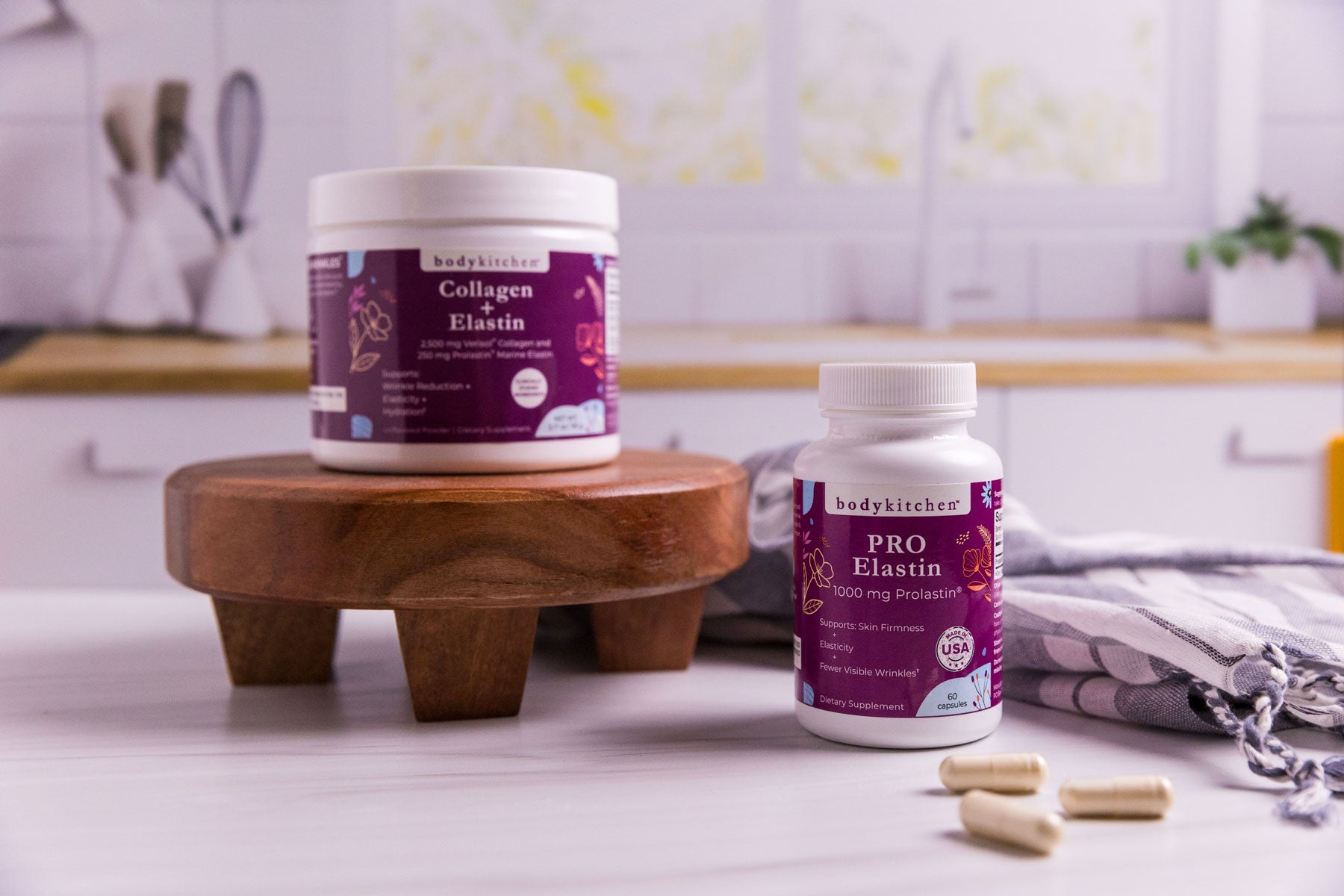
When you search for ways to improve skin elasticity and firmness, you're likely to encounter information about the protein collagen. As the most abundant protein in the body and the primary support fiber for the skin, collagen does play a big part in keeping skin supple and youthful. However, it's not the only one of the extracellular matrix proteins that you need to be aware of. Elastin is another vital protein that may help fight wrinkles and support healthy joints. Read on to learn what it is and how you can boost collagen and elastin with supplements. What Exactly Is Elastin? Elastin is a structural protein that provides resilience and elasticity to organs and tissues and is a crucial part of the middle layer of the skin called the dermis. The protein can stretch. Bundles of elastin fibers present in the dermis help make cells flexible. As a result, the protein is vital for maintaining resilient skin. Where is elastin found? Although we primarily hear elastin discussed concerning skin care, the protein is also present in other parts of the body, including: Lungs: Without elastin, your lungs could not expand and contract when you breathe. Arteries: Elastin gives your blood vessels the ability to expand and contract. When arteries lose elasticity and harden, the risk of cardiovascular disease and stroke increases. Connective tissue: The ligaments that connect muscles and the tendons that connect muscles to bones rely on elastin to stretch in response to your movements and then regain their shape. How Is Elastin Different Than Collagen? Collagen is located in the hypodermis, while elastin is found in the upper dermis. The main job of collagen in the skin is to support the tissue. Elastin lends stretch to the skin. What Happens to Collagen and Elastin As We Age? We often think of elastin and collagen proteins together because both contribute to the appearance and texture of youthful skin. As we age, the body naturally produces collagen and elastin at a slower pace. Elastin does tend to last longer than collagen, but eventually, it begins to degrade, causing the skin to lose elasticity. Exposure to pollutants and ultraviolet energy in sunlight can damage collagen and elastin fibers. Reactive free radicals found in the environment drive this process, contributing to the development of premature signs of aging and inflammation. Wearing sunscreen every time you head outside is one way that you can help preserve elastin levels as you age. Antioxidant nutrients found in foods and some dietary supplements may also limit the damage by breaking down free radicals. Benefits of Elastin Supplements Those interested in keeping their levels of elastin fibers within the normal range with age can turn to dietary supplements. High-quality elastin supplements can be broken down by the body and potentially converted into new elastin. Elastin supplements may: Improve Joint Mobility Without adequate elastin levels, the ligaments and tendons around the joints may lose some of their stretch. Increasing elastin levels may help keep joints more mobile with age. As a result, many joint health supplements contain elastin to help maintain these crucial connective tissues. Improve Skin Firmness Although collagen is the primary protein responsible for supporting the skin, elastin loss can also rob the tissue of its suppleness. That's why experts often recommend taking elastin along with collagen supplements to support skin firmness. Improve Skin Elasticity Elastin supplements may help skin retain its ability to stretch as you age. When skin elasticity declines, the tissue becomes more prone to sagging due to the effects of gravity. In addition, low elasticity makes it more difficult for the skin to retake its shape when it stretches to accommodate your facial expressions. When this occurs, fine lines and wrinkles are more likely to develop in areas like the forehead, the mouth and the corners of the eyes. How To Choose the Best Elastin Supplement When comparing elastin supplement products, follow these tips: Check the type of elastin: Not all elastin supplements contain the same quality elastin. Ones that feature Prolastin may provide more benefits due to the properties of their key ingredient. Prolastin is a high-quality form of elastin sourced from marine life found off the coast of France. In addition to supplying the body with elastin fibers, Prolastin has antioxidant properties that may help defend cells from free radical damage. Compare dosage levels: The amount of elastin per serving also matters. Body Kitchen Pro-Elastin contains 1000 milligrams of Prolastin per serving, more than what's found in some competitors' products. Consider bioavailability: The unique way Prolastin is manufactured makes it highly bioavailable. This means that the body may have an easier time digesting and utilizing the protein. Consult your medical provider: Before taking any new dietary supplement, you should always check with your doctor to ensure that the product is ideal for your needs.