Blog


Health Benefits of Yoga
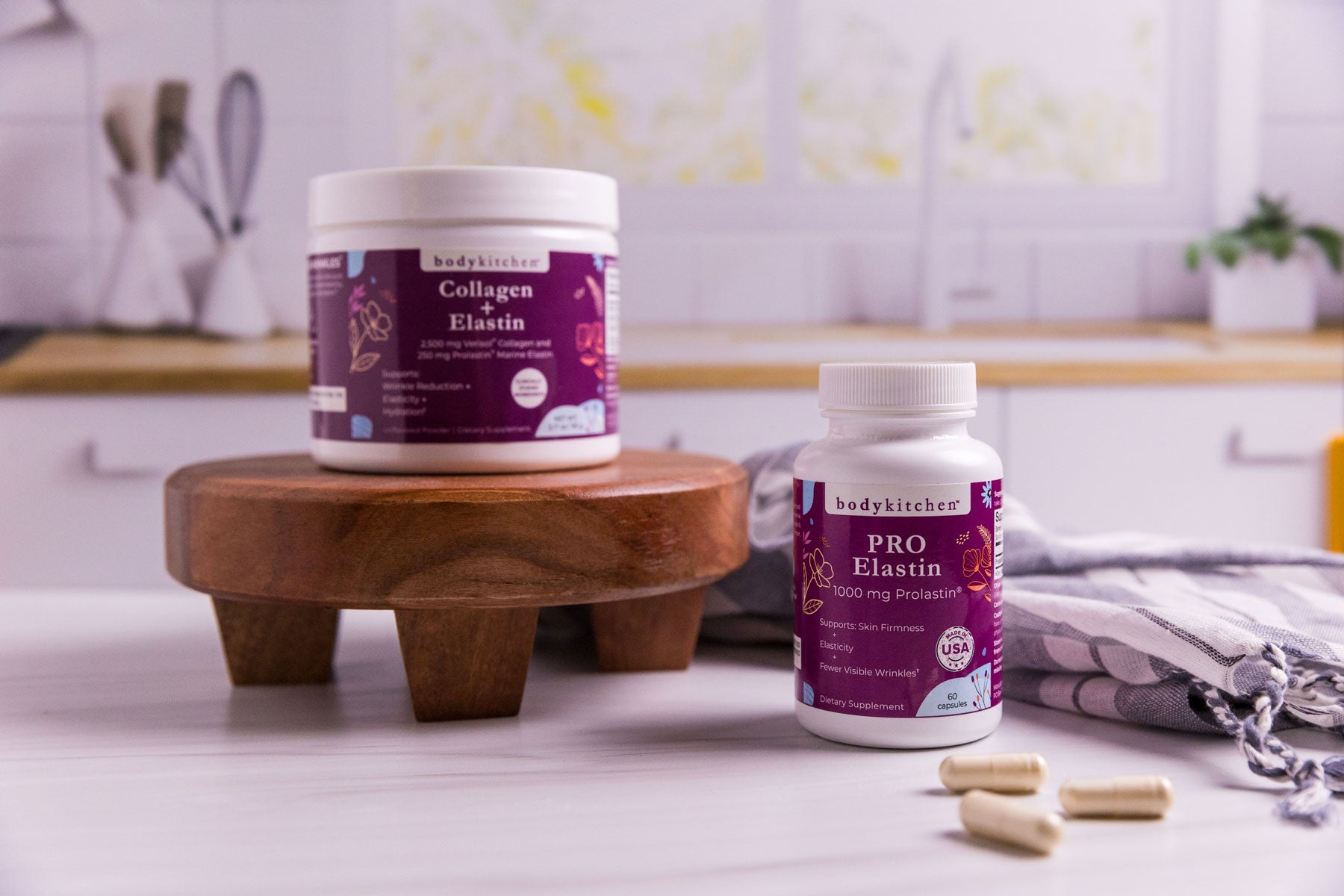
An estimated 55 million people participated in yoga in 2020, marking a significant increase from the 36.7 million who Statista reports practiced the form of exercise in 2015. As the many benefits of yoga for men and women continue to be revealed, the number is expected to rise. Read on to learn how yoga stretches benefit the body and mind and find out how nutrition plays a role in yoga practice. What Are the Benefits of Yoga? Yoga began thousands of years ago in India, where it is said that the god Shiva became the first person to practice the art. While anthropologists study the origins of the exercise, medical scientists have been working to uncover the benefits of yoga for health and wellness. So far, studies have found that yoga may: Reduces stress. Not only does yoga help to relax your body, but it's also been shown to help lower levels of the stress hormone cortisol in the body. Ease anxiety. Small studies have found that yoga may help to reduce the frequency and severity of symptoms related to anxiety disorders. Help fight inflammation. Research indicates that yoga may help ease chronic inflammation related to medical conditions like heart disease, arthritis, and diabetes over time. Promote cardiovascular health. The mind-body yoga connection seems to benefit the heart. Studies have revealed that people who have been practicing yoga over a long period of time often have lower blood pressure levels than their peers and may be at a decreased risk for developing heart disease. Address symptoms of depression. Yoga teaches mindfulness, which many psychologists recommend for people facing clinical depression. Scientists believe that yoga's potential cortisol-lowering benefits may also help to diminish depression symptoms. May play a role in pain relief. Multiple studies have suggested that yoga may provide natural pain relief for chronic conditions like carpal tunnel syndrome and arthritis. Improve sleep. By teaching relaxation and reducing stress, yoga could help you sleep better. Researchers have found that people who regularly practice yoga are less likely to suffer from insomnia and often enjoy a more restful sleep. Research shows positive outcomes in fertility and managing hot flashes for women engaging in a consistent yoga practice. How To Start Enjoying the Health Benefits of Yoga If you're ready to begin reaping the benefits of yoga for mental health and physical health, follow these tips to get started: Find the right class. Do your homework when choosing your first yoga class. Look for one that teaches yoga poses for beginners. Some classes gear practice toward the needs of specific groups of people, such as yoga for men, pregnant women or seniors. Classes also vary in the type of yoga taught. Slow flow classes are often ideal for people hoping to learn yoga mindfulness, while high-energy classes can provide a challenging cardio workout. Don't forget about online options. Online classes give you the ability to practice from the comfort of your home. Some can be streamed anytime, while others are instructor-led and follow a set schedule. Modify as needed. Invest in a thick mat and a starter set of props before your first practice. Using props will allow you to support your body as you build strength and flexibility so that you can get the right level of stretch for your needs. Some supplements can bridge the diet gap and support your efforts on the mat. Collagen and elastin supplements are popular among yogis because they help promote stronger, more flexible muscles, ligaments, and tendons. But not all collagen supplements are created equal that’s why it’s yogi-wise to choose transparent supplements with high-absorption rates like Body Kitchen’s Youthful Beauty and Pro Elastin. The supplements contain proteins that are found in the human body. When you take a collagen and elastin supplement, your body breaks the proteins down into amino acids that can then be used to produce structural proteins. In addition, collagen and elastin supplements like Total Beauty can add the benefits of enhanced-appearance by supporting healthy hair and strong nails. Total Beauty also support healthy hair and skin. Eat with yoga in mind. What you eat can make a big difference in your performance during practice. Yoga nutrition can help ensure that you have the proper nutrients to fuel your body during practice and recover after class. Typically, yoga diets focus on whole grains, fruits, and vegetables. Many yogis are vegetarians, but if you choose to eat meat, opt for lean proteins like seafood and poultry as much as possible. Most yoga diets discourage highly processed foods. Talk to your doctor before you begin to practice. Your medical provider can help you decide if yoga is a safe choice of exercise plan for you. They can also talk to you about yoga supplements and nutrition and recommend the vitamins, minerals, and other nutrients your body needs to thrive.

Boost Your Immunity Now Before Winter Rolls Around
Cooler temperatures are your cue to start reinforcing your natural defenses against cold and flu season. Winter weather drives people indoors for longer periods of times, which is why you’re more susceptible to getting sick at this time of year. Without a healthy and properly functioning immune system, your body cannot fight off microbial and viral assaults. A weakened or vulnerable immune system is not simply the inconvenience of repeated bouts of colds and other feelings of malaise. An immune system that’s compromised may leave you vulnerable to other complications and can make ordinary colds and flu more severe. A diet filled with immunity-boosting fruits and vegetables is a good start, but winter calls for heavy artillery in the form of 5 science-backed nutrients and extracts. Nutritional supplements designed to support the immune system supply concentrated amounts of key nutrients and ingredients shown to work to support your resistance to harmful microbes. And, they can help you feel better faster if a bug does break through. Immune-Boosting Powerhouses Your immune system is delicately balanced and highly complex. And while no single vitamin can guarantee immune health and complete resistance, there are specific nutrients that are considered crucial to optimizing a healthy immune system, especially during high-risk season. Some of them are familiar to you, such as vitamins C and D, while others may be less familiar. But each one in its own distinct way does its part in helping to build a nutritional forcefield around your immune system. Here’s a look at 5 nutrients and plant compounds that help boost immune system function: #1 Black elderberry Many varieties of elderberry exist, but black elderberry (Sambuca nigra) is said to contain twice the amount of anthocyanin antioxidants of any fruit. Black elderberry has been traditionally used in herbal medicinal tonics and preparations for centuries. In recent years, some studies have borne out the effectiveness of certain elderberry preparations in supporting immune health. To find out how to “bulletproof” your immune system with a black elderberry extract that’s 20X more potent than many leading brands, read this fascinating guide on black elderberry. #2 Vitamin D The “sunshine vitamin” as it’s known is actually a fat-soluble hormone that our bodies produce in response to the sun’s UVB rays. According to Harvard’s School of Public Health, vitamin D may “help control infections and reduce inflammation”. In fact, studies show that vitamin D deficiency is connected to an increased risk of infection.* Because vitamin D synthesis relies on ample exposure to sunlight, you may not get enough if you live in cold-weather climates or spend most of your time indoors. And it’s not readily found in food, which makes a vitamin D supplement vital to protect your body’s immune system. For enhanced benefits, look for a supplement that combines vitamin D and vitamin K2, because they work better together. #3 Vitamin C Vitamin C is touted as the go-to staple for fighting bugs and pathogens, and for good reason. Vitamin C is an essential vitamin that doubles as a powerful, free radical-fighting antioxidant, and it enhances your immune response and overall health in a variety of ways, such as enabling iron absorption. Iron is a key mineral needed to support the body’s first line of defense against harmful bugs and microbes. Another way vitamin C supports immunity is by aiding production of white blood cells, which help protect the body against sickness.* And studies show vitamin C can help reduce the duration of colds by about one day… and every day counts when you’re not feeling well. Experts suggest 1,000 mg of vitamin C is an effective, therapeutic serving. #4 Zinc This mineral is considered a gatekeeper of immune function.* One study described zinc’s important job like this: “New research suggests that zinc helps control infections by gently tapping the breaks on the immune response in a way that prevents out-of-control inflammation that can be damaging and even deadly.” If you’ve heard that zinc can reduce the duration of cold symptoms, it’s true, according to an analysis of several studies. Lozenges and syrup forms are best, because they allow the mineral to come in direct contact with the cold bug in a way that a tablet or capsule cannot. #5 Fermentate This may be the least familiar immune support ingredient to you. Fermentate is a whole food ingredient derived from the fermentation process. Specifically, Epicor fermentate is the pathogen-fighting ingredient causing a buzz, because it’s a tough contender in the immune support arena that’s backed by 15 human clinical trials and preclinical studies. Epicor fermentate is unique in how it supports an active immune response. Because it has a probiotic makeup, it helps to strengthen the GI tract—where healthy immunity starts—by arming the trillions of good bacteria in the gut. And it’s so powerful, studies show it triggers immune system activity starting in just 2 hours! You can find the ingredient here. Remember, all supplements should be consumed as part of a healthy, balanced diet. But when it comes to putting your immune system in the best possible position to ward off airborne threats to your health this winter, these powerful immune fighters can give you a big advantage.

COMPETITIVE ADVANTAGE IN BUSINESS, COMPETITIVE EDGE IN LIFE
Competition in business is fierce. To get and stay ahead, you need to be creative, productive, and focused. Often, it feels like there aren't enough hours in the day to accomplish all that you need to, and stress can slow you down and make you inefficient. Brain hacking could help you overcome the mental obstacles to success to give you an edge over your competition. WHAT IS BRAIN HACKING? Brain hacking is the term for changing or enhancing the way the mind works. The concept originated in Silicon Valley, with tech execs striving to tap into how the human brain works to make their products more appealing. When you find yourself unable to stop checking your likes on Instagram or scrolling your Facebook or Twitter feed, you're experiencing some of the effects of brain hacking. Social media companies have figured out how to train your brain to keep you glued to your screen. HOW DOES BRAIN HACKING GIVE YOU AN ADVANTAGE IN BUSINESS? Increasingly, people are turning to brain hacking to enhance their lives. The idea is that by altering the way your mind works, you can give yourself an advantage. In business, this could mean making yourself alert to get more done or increasing your focus, so distractions do not tempt you. WHAT ARE NOOTROPICS? Nootropics are a type of dietary supplement to benefit the brain in many ways. The term combines the Greek words for mind and bend toward and was first used by Romanian psychologist Dr. Cornelius E. Giurgea, who wrote about these supplements in 1972. WHAT DO BRAIN BOOSTING SUPPLEMENTS DO? People have been using herbs to enhance cognitive function for centuries, but scientists are only now studying why these time-honored remedies deliver benefits. Each supplement has its benefits, but generally, brain-boosting supplements may help by: Enhancing activity in the brain Boosting the flow of oxygen-rich blood to the brain Supplying raw materials to support brain function Protecting cells from damage due to aging, pollution, and other factors WHY BRAIN HACKING NOOTROPIC SUPPLEMENTS? Research into the benefits of nootropic supplements is ongoing. While no product has been proven to benefit everyone who uses it, studies have yielded promising results. Some potential benefits of nootropics include: Helping to reduce mental fatigue Supporting a better mood balance Assisting creativity and critical thinking Heightening awareness and focus Limiting the mental and physical effects of stress WHAT SUPPLEMENTS CAN YOU USE TO HACK YOUR BRAIN? There are supplement brands, such as Body Kitchen, that formulate their products using a variety of clinically-studied nootropics combined with other natural herbs. These type of formulas work synergistically to produce mental clarity and other brain-enhancement benefits. Some common brain-boosting supplements include: Vitamin B6, which your body needs for proper functioning Magnesium, which helps support nervous system activity Ashwagandha root, which may help to defend the body from stress and support circulation to the brain Gamma-aminobutyric acid or GABA, an amino acid that sends messages in the brain L-theanine, an amino acid believed to minimize stress Caffeine, a plant-derived substance that increases nervous system activity Cocoa bean extract, which contains theobromine, a substance that may help enhance blood flow to the brain Xeed Labs is the perfect choice if you don’t want to take all these as separate supplements. EXEED Mind and Body Kitchen Stress Release already combine most of these nootropics in a single serving. COMPLEMENTING THE ACTIONS OF NOOTROPIC SUPPLEMENTS WITH A POSITIVE OUTLOOK While brain booster supplements can help support mental function to give you a competitive edge in business, there's no magic pill for success. Taking a supplement only has the potential to help hack the way your brain works. Your business outlook will ultimately determine your success. Here are some things to keep in mind about your perspective: Failure will happen. No one who's ever become successful in business has skated through effortlessly. To achieve great things, you'll need to take risks, and not all of the moves you make will pay off. Accept the fact that failure is part of the business. Don't fight negative feelings. You won't love what you do every day, and when you suffer a setback, you're going to experience negativity. Many people believe that maintaining a positive outlook means ignoring or suppressing those feelings, but that's not true. Emotions don't just disappear. You need to release them by acknowledging them. Give yourself space to feel whatever you feel. Take the time you need to recover, and then tell yourself it's time to start again. Move forward with a positive outlook and get back to work. You can't do it all alone. Even if your business is a one-person show, you're not an island. You're going to need support to succeed. Find people you can talk to about your endeavors. Seek out mentors, business owners in other fields, and friends and family members to whom you can ask for advice and vent your frustrations. If you have employees, delegate some responsibilities to them. By taking some things off your plate, you can focus on the tasks that will significantly impact your success.

HOW TO IMPROVE MEMORY - MEMORY GAMES AND SUPPLEMENTS
The U.S. Centers for Disease Control and Prevention report that one out of every nine adults over 45 has experienced some degree of memory loss. Many people mistakenly believe that memory decline is unavoidable, but the truth is that you can take steps to slow the memory loss process as you age potentially. Read on to find out how supplements and memory games for adults can help promote better recall and cognitive function. WHAT ARE THE TYPES OF MEMORY? Memory is a complex inner-working of the brain and is a blanket term for many different types of recall, including: Short-term or sensory memory. Short-term memory is recalling a short string of information for roughly 30 seconds. An example would be remembering a phone number until you grab a piece of paper and write it down. Working memory. With working memory, a short-term memory supplies information that the brain uses to perform another task. An example would be remembering a point someone makes in a conversation so that you can refute it when it's your turn to speak. Long-term memory. Your long-term memory refers to things that you remember for an extended period. Typically, when people talk about improving memory, they are referring to this type. There are several sub-types: ○ Semantic memory. This is your general knowledge of the world, your ability to recall facts about things that didn't happen to you. For example, you may remember what Paris looks like from a photograph even though you haven't been there. ○ Episodic memory. Episodic memory recalls an event that you experienced, such as a birthday party you had during your childhood. ○ Implicit memory. Implicit memory is recalling something that influences your behavior but is held in your subconscious rather than your conscious mind. There are two sub-types of implicit memory: ○ Procedural memory. This type of memory helps you perform tasks that you have learned throughout your life, such as driving a car or cooking a recipe from scratch. ○ Priming. This type of memory occurs when two things become associated because they have occurred together in the past in a process known as conditioning. An example would be craving something sweet after a meal because you have been eating dessert every night since childhood. THE IMPORTANCE OF SEMANTIC MEMORY Typically, when people talk about improving their memory, they are referring to their semantic memory. Here are some reasons why this type of memory is essential: You need it to learn new facts and to remember what you learned. You rely on it when you perform a series of tasks to complete a job or project. You must call on it to remember the names of everyday objects. Other types of memory are often linked to it. WHAT CAN NEGATIVELY AFFECT SEMANTIC MEMORY? Over time, brain cells naturally die as a part of the aging process. This can lead to some semantic memory loss. In people with Alzheimer's, semantic memory becomes impacted by an overgrowth of protein in the brain. Other types of bacteria and viruses may also diminish semantic memory. It's important to note that sometimes stress, fatigue, and anxiety can make recalling information stored as semantic memories harder. In this case, the memories aren't lost. Your brain struggles to remember them due to a lack of focus. Sometimes, a brain injury or traumatic event can cause short-term memory loss and a temporary inability to recall semantic and episodic memories. HOW TO IMPROVE MEMORY AND FOCUS While there is no way to completely prevent memory loss or a magic solution that will suddenly give you perfect recall, otherwise known as a photographic memory, you can take some steps to support cognitive function to benefit your memory by: Taking Memory Improvement Supplements. Memory enhancing supplements are a very effective choice. They contain ingredients believed to promote brain health and may also feature antioxidants. These nutrients fight harmful free radicals in ultraviolet energy and pollution that damage cells in the brain and the rest of the body. Herbs and nutrients that support blood flow to the brain, like theobromine found in cocoa beans, are also found in some supplements. Look for brands, such as Body Kitchen, that formulate products specifically for improving these issues. EXEED Mind uses clinically-grade ingredients that have been proven to work in students, gamers, office-warriors, or anyone looking for daily clarity. Playing Memory Improvement Games. Memory games help keep the nerves and cells involved in recall active, which could make them stronger or more resilient over time. You can play memory games online or purchase books that contain them. Learning a New Skill. Scientific studies have shown that learning things at any age positively impacts cognition. You might take up playing a musical instrument or start studying a new language. Numerous studies have confirmed that reading for pleasure regularly aids in memory retention and boosts cognition. It doesn't matter if you read literature, nonfiction, or a romance novel. The act of reading itself stimulates the formation of new connections in the brain.

MENTAL ACUITY AND BRAIN HEALTH
Alzheimer's Disease International reports that someone in the world experiences symptoms of dementia for the first time once every three seconds. Many people mistakenly believe that dementia is an unavoidable consequence of growing older, but in truth, many seniors never develop the condition. Taking steps to support mental acuity now could potentially lower your risk of becoming a statistic. Read on to find out what mental acuity's meaning is and what you can do to promote brain health. MENTAL ACUITY DEFINITION So what is mental acuity? The term refers to the ability to concentrate, reason, and remember information at a normal speed. When a person has a high degree of mental acuity, they can focus on tasks with ease, solve problems, analyze data and recall facts with relative ease. Of course, everyone can be forgetful, struggle with challenging tasks or find it hard to give full attention from time to time. That's why mental acuity is based on trends over time. People with low mental acuity experience these problems frequently and often interfere with daily life consistently. TYPES OF COGNITIVE IMPAIRMENT If someone has low mental acuity, they are often considered to have cognitive impairment. There are many types of cognitive impairment that doctors diagnose. Two common types include: Mild cognitive impairment (MCI). People with MCI may find it hard to follow instructions or make well-thought-out plans. They may also need reminders to perform daily tasks. Medication, stroke, and traumatic injury are common causes of MCI. Depression, anxiety, and sleep deprivation may also cause the condition. Alzheimer's disease. Alzheimer's disease occurs when protein builds up in the brain, causing the death of cells. This degeneration makes it increasingly complex for people to perform mental tasks. Eventually, Alzheimer's can affect communication, learning, and facial recall. People with the disease often experience sleep problems, lack of balance, muscle stiffness, and tiredness. According to the National Institute of Aging, roughly 8 out of every 10 people who have MCI will develop Alzheimer's within seven years. Overall, the disease affects 1 to 3 percent of people over the age of 65. Many other conditions can cause symptoms similar to Alzheimer's. Even doctors can misdiagnose problems with mental acuity. Monitoring your mental acuity can provide a valuable resource to inform your physician if you ever begin to suffer from potential signs of MCI or Alzheimer's. HOW TO INCREASE MENTAL HEALTH While there is no cure for Alzheimer's, research suggests that you may be able to increase mental acuity by taking certain steps to promote brain health: PRACTICE GOOD BRAIN HEALTH NUTRITION. Like every part of your body, your brain requires nutrients to function properly. Scientific inquiry has shown that the Mediterranean diet includes some of the best foods for brain health. With this diet, most of your calorie intake comes from fresh fruits and vegetables and healthy fat sources like nuts, fish, and olives. One study found that the Mediterranean diet was especially effective at lowering the risk for cognitive problems when combined with the DASH diet for hypertension, which emphasizes reducing sodium and increasing intake of fiber, potassium, calcium, and magnesium. The MIND diet also includes foods good for brain health like berries, whole grains, poultry, fish, nuts, and leafy green vegetables. A registered dietitian can help you develop a brain nutrition diet filled with foods that you enjoy. EXERCISE REGULARLY. Early findings of a study into the benefits of exercise for Alzheimer's indicate that staying physically fit can help your brain as well as your body. Smaller studies found a link between exercise and physical acuity in middle-aged women. Some researchers believe that exercise may support brain health by increasing oxygen levels to the brain or making protein plaque buildup in the brain less likely to occur. TRY BRAIN HEALTH SUPPLEMENTS. No magic pill can instantly give you better mental acuity; however, research has revealed that certain nutrients and plant extracts may help supplement a healthy diet to promote brain health. Ingredients commonly used in brain health supplements include: Extracts from fruits that are high in antioxidants, nutrients that fight the damaging effects of free radicals in the environment, like grapes and blueberries Natural caffeine extracted from coffee or tea, which enhances alertness and may help improve focus Arjuna extract, which has been used in Ayurveda to support brain health for centuries Cocoa bean, which contains theobromine, a substance that supports blood circulation to the brain Lutein, a carotenoid that is naturally present in the human eye and also found in many fruits and vegetables All these nutrients can be hard to find in one single supplement, but there are brands like Body Kitchen that put effort to fill this gap. Formulas like EXEED Mind are strategically designed to include a variety of these brain-boosting nutrients. Body Kitchen understands that not all supplements are of the same quality, that’s they you’ll find clinically-studied ingredients in all their formulas. KEEP YOUR BRAIN BUSY. Research has continuously shown that keeping your brain active can help support mental acuity. You can: Learn to play or practice a musical instrument Perform brain teasers, word puzzles, crossword puzzles, and other brain games Listen to recorded or live music Enjoy activities that require fine motor control like needlepoint and gardening Play board games and sports Journal Engage in creative activities like drama, dance, crafting, and painting

Magnesium Powder Supplements for Reduced Stress and Better Sleep
The U.S. Centers for Disease Control and Prevention reports that 35.2 percent of adults get less than the recommended 7 hours of sleep per night. Problems sleeping can impact your energy level, your ability to focus, how well your immune system functions, and many other aspects of your health. Studies suggest that magnesium supplements could potentially help address your symptoms of insomnia so that you can reap the many benefits of consistent, restful sleep. Read on to learn more about taking magnesium for sleep. What Is Magnesium? Magnesium is an essential mineral, a nutrient that your body needs to function at its best but cannot manufacture on its own. Nuts, whole grains, fish, leafy greens, avocados, and legumes are some of the best sources of magnesium. Many people struggle to eat enough magnesium-rich foods on their own and take supplements to reduce their risk of deficiency. Magnesium Deficiency Symptoms Adolescents and adults over the age of 70 are most likely to become deficient in magnesium. In addition, those who abuse alcohol suffer from gastrointestinal disorders like celiac disease and Crohn's disease, and individuals with type 2 diabetes are also at an increased risk for deficiency. Most often, there are no noticeable symptoms of a low magnesium level. The only way to determine if you have a slight deficiency is through bloodwork. A severely low magnesium level can lead to loss of appetite, muscle spasms, nausea, vomiting, and changes in mood. What Does Magnesium Do in the Body? Your body needs magnesium to perform more than 300 functions that are vital to your health and well-being. It is required to convert calories into energy and to produce bone, DNA, and RNA. In addition, magnesium plays a role in muscle contraction, helps regulate your heartbeat, and assists with transmitting nervous system messages to and from the brain. Relaxing and Calming Effects of Magnesium People take magnesium for sleep and anxiety because the mineral may have a relaxing effect on the body due to its role in both nerve signaling and muscle contraction. Many studies have sought to answer the question, "is magnesium calming?" One study found that the calming effects of magnesium helped older adults with insomnia fall asleep more quickly and stay asleep for longer. Another look into the potential calming effect of magnesium concluded that taking magnesium supplements may be safer than using sleeping pills to treat insomnia. Does Magnesium Relax Muscles? Magnesium is responsible for triggering the release of muscle contractions. As a result, many experts believe magnesium has potential benefits as a muscle relaxant. They speculate that taking a supplement to promote normal magnesium levels may ensure that the body has enough of the mineral to support healthy muscle function. One study showed that magnesium reduced symptoms of restless leg syndrome that interfered with sleep. There is also evidence to suggest that magnesium may reduce muscle pain in individuals with fibromyalgia, allowing them to rest more easily. Other Magnesium Benefits for Sleep Some of the other potential benefits of magnesium may also positively impact sleep. Because there is a scientific link between magnesium deficiency and mood swings, some experts believe that supplements may help to improve mood. Taking magnesium for mood could help to reduce overall stress to improve sleep. Magnesium has also been shown to address digestive symptoms that could disrupt sleep. Those who use magnesium for anxiety may also experience better sleep due to a possible reduction in symptoms. Types of Magnesium There are many different types of magnesium supplements available today, including: Magnesium oxide Magnesium sulfate Magnesium aspartate Magnesium citrate Magnesium lactate Magnesium glycinate Magnesium chloride Magnesium citrate is the type typically recommended for digestive concerns. Some studies have indicated that magnesium oxide and magnesium sulfate may be more difficult for the body to digest, absorb and utilize than other types of magnesium. Forms of Magnesium Supplements Manufacturers of dietary supplements offer the different types of magnesium in various forms, including: Tablets Capsules Powder Liquid Powder and liquid supplements are often recommended because they may be easier for the body to absorb than other magnesium supplements, this is due to the breaking-process being easier in power or liquid. How Much Magnesium for Sleep? The recommended daily allowance (RDA) of magnesium for men 31 years of age and older is 420 milligrams per day. For women, the RDA is 320 milligrams. Depending on what foods you eat, medications you take, and your health condition, you may require more or less than the RDA. In addition to advising you on the best form of magnesium for muscle relaxation, sleep, and relaxation, your medical provider can recommend the proper dosage for you. Keep in mind that unless your doctor suggests a different magnesium dosage, you should always follow the dosing instructions printed on the supplement packaging. Before taking a magnesium supplement, you should consult your medical provider. They can discuss your concerns and then recommend any specific doses for sleep and relaxation.

CAFFEINE ALTERNATIVE FOR ALERTNESS
Nutrition and the brain are inexplicably intertwined. What you eat determines what fuels your body and brain to power you through your day. If you're suffering from decreased alertness, brain nutrition could help you address your symptoms. Many online articles recommend the stimulant caffeine to increase levels of alertness; however, not everyone can drink caffeinated beverages or use supplements that contain the substance (plus we can only use the restroom so many times). Fortunately, there are other ways that you can promote mental focus. Read on to learn more about one of the most beneficial brain nutrition supplements for those concerned with alertness. MENTAL ALERTNESS DEFINITION For everyday people, mental alertness refers to a state of being fully awake and aware of one's surroundings. If someone is mentally alert, they are attentive to their surroundings and able to focus on tasks. Typically when psychologists use the term, they refer to a heightened state of awareness that the mind goes into as a part of the fight or flight response. In this article, the first definition of mental awareness is what is being discussed. WHY ALERTNESS MATTERS There are several reasons why you may wish to increase your level of alertness during the day, including: Information retention. If your mind is drifting due to fatigue, you may find it challenging to retain critical information. For students, this can mean missing key points of a lecture. You may not hear important instructions about completing a project or assignment on the job if your mind is not focused correctly. Cognitive ability. It's difficult to complete tasks that require problem-solving or attention to detail when your mind is not fully alert. Fatigue can lead to problems concentrating on even day-to-day conversations with friends and family. Overall energy. When your mind is in a fog, you may find it hard to remain physically active, even if your body is not tired. Safety. Mental alertness helps to prevent injuries by making you more in tune with your surroundings. If you are fully alert, you are less likely to miss a tripping hazard or bump into something. THE TROUBLE WITH CAFFEINE Caffeine is a natural substance produced by many species of plants. When consumed, caffeine stimulates the nervous system, increasing alertness. Despite its biological origins, caffeine can cause unwanted side effects, such as: Restlessness Shaking Insomnia Headaches Racing Heart Irregular Heart Rate Dizziness Anxiety Dehydration Interactions with certain medications Over time, your body becomes immune to the effects of caffeine, and you need to consume more to achieve increased alertness. This can increase your risk of developing side effects. Because the body can become dependent on caffeine, suddenly discontinuing consumption can lead to withdrawal symptoms, such as: Drowsiness Poor concentration Irritability Headaches Nausea ONE OF THE BEST CAFFEINE ALTERNATIVES FOR ALERTNESS For those who experience side effects from caffeine or wish to avoid dependency, theobromine is an alternative. This substance is extracted from cacao trees. The ancient Mayans and Aztecs used theobromine as a part of rituals and for natural healing. Its scientific name Theobroma comes from the words for god and food, referring to its status as a food of the gods. HOW THEOBROMINE WORKS Unlike caffeine, theobromine does not act directly on the central nervous system. Studies have revealed that it inhibits the activities of phosphodiesterase enzymes and makes an important chemical messenger called cAMP more active. These two actions result in a widening of the blood vessels that increases circulation and may help to stimulate the mind. Because of how it affects the brain and body, theobromine has become a popular alternative to caffeine. HOW TO REAP THE BENEFITS OF THEOBROMINE There are many ways that you can incorporate theobromine into your brain health nutrition diet: Supplements. This is the best and most effective option available today. Many people prefer to take brain health supplements because chocolate is highly caloric and usually contains added sugar. A high-quality supplement can treat your mind and body to the benefits of theobromine without these drawbacks. TIPS FOR CHOOSING AND USING MENTAL FOCUS SUPPLEMENTS To get the most benefits, follow these tips when shopping for and taking theobromine supplements: Choose a standardized formula. A standardized cocoa bean supplement contains a certain percentage of theobromine per serving. If a product is not standardized, you may only get trace amounts of the beneficial natural chemical. Consider a combination supplement. Caffeine-free mental focus supplements combine theobromine with other natural substances shown to increase alertness for added benefits. Look for synergistic ingredients, meaning that the formula contains other nutrients that support and enhance the effects of the formula as a whole. Follow the dosing guidelines. Carefully following the directions for use printed on the supplement packaging can help to ensure the best results. Brands like Body Kitchen meet all these characteristics. The team has developed a highly effective formula, EXEED Mind, that’s designed for the student, the office-warrior, and/or the gamer. They use patented and clinically-studied ingredients so you can be sure you’re getting top-quality and researched ingredients.

What Is Menaquinone-7? Menaquinone-7 Dosage, Uses, and Benefits
Ensuring that you get enough of the vitamins and minerals that your body needs to thrive daily can go a long way toward promoting health and well-being. Vitamin K is one nutrient that many people overlook and may unknowingly be deficient in. Fortunately, taking a vitamin K2 menaquinone 7 (also known as MK-7) supplement can boost your critical nutrient levels and may offer other health benefits as well. Read on to learn about menaquinone 7 uses, benefits, and dosage recommendations. What Is Vitamin K? Vitamin K was identified in 1926 as an essential nutrient that your body needs but cannot manufacture on its own. Green leafy vegetables, vegetable oils, certain fruits, dairy products, meat, and soybeans contain nutrient. Severe vitamin K deficiency is rare in the United States, but people who have certain digestive disorders may need more of the nutrient than other people. What Does Vitamin K Do? Vitamin K performs several functions. Without it, your blood cannot correctly clot after you suffer a wound or injury. The vitamin is also necessary for the proper development of bones and teeth. What Is Vitamin K2? Vitamin K2 is one form of vitamin K that is frequently used in dietary supplements. It differs from phytonadione, which is commonly referred to as vitamin K1. Vitamin K2 is far more absorbent and effective. What Does Vitamin K2 Do? Vitamin K2 is the form of the nutrient that works best for promoting healthy bone development and other bodily functions. Specifically, vitamin K2 helps to ensure that the mineral calcium is adequately distributed throughout the body. It encourages calcification in the bones and teeth and reduces the risk of occurring in blood vessels and the kidneys. What is Menaquinone 7? Menaquinone-7 or MK7 is one form of vitamin K2 often used in supplements. There are other versions of the supplement as well, including menaquinone-4 or MK4. There is extensive research on how MK7 is the most effective form of menaquinone for dietary supplements. High reputation brands, such as Body Kitchen, are utilizing plant-based forms of this particular vitamin. Potential Menaquinone 7 Uses Although research into potential vitamin K2 benefits is ongoing, early studies suggest that it may have the following uses: Reducing the risk of heart disease. Because vitamin K2 reduces calcification in the blood vessels, scientists speculate that it may make blockages less likely to form in the heart. One study that followed individuals for seven to 10 years determined that those with high vitamin K2 intake were 57 percent less likely to die from heart disease. Strengthening bones. Without vitamin K, your body cannot correctly turn calcium into new healthy bone. Vitamin K2 activates proteins, allowing them to bind with calcium and form deposits. As a result, some people believe that taking vitamin K2 may help counteract bone loss that naturally occurs with age. Reducing the symptoms of osteoporosis. People with osteoporosis develop tiny holes in their bones that increase their risk for fractures. Because vitamin K2 is believed to promote stronger bones, the nutrient may help to lower the likelihood of complications due to osteoporosis. Thirteen studies examined the use of vitamin K2 supplements in postmenopausal Japanese women. Only one failed to yield results that indicated potential benefits. Based on the results of these studies, the Japanese government has approved vitamin K as a treatment for osteoporosis. Improving dental health. Like your bones, your teeth are also formed through calcification. So, vitamin K2 may assist with maintaining dentin, the calcium-rich material found under the enamel of teeth. How To Reap Menaquinone 7 Benefits Increasing your intake of foods rich in vitamin K can increase your body's natural supply of the nutrient, giving you more raw material that can be converted into MK7. Early scientific research indicates that even a well-balanced diet may not be enough to boost vitamin K2 levels to the point where health benefits may be possible. As a result, many people take menaquinone-7 supplements due to their effectiveness and convenience. Plant-based sources such as Body Kitchen’s Vitamin D + K2 are an excellent choice for supplying the body with these essential vitamins. Recommended Menaquinone 7 Dosage Experts recommend that adult men over the age of 19 get 120 micrograms of vitamin K daily and that women receive 90 micrograms of the nutrient from food. If you want to boost vitamin K2 levels through a supplement, the recommended dosage depends on your health and wellness goals. Your doctor can recommend the right amount of menaquinone-7 to meet your specific needs. FAQ What is menaquinone-7 (MK-7)? Menaquinone-7, also known as MK-7, is a highly bioavailable form of vitamin K2 commonly used in dietary supplements. It is known for its long half-life in the body, which allows it to remain active longer and support key physiological processes more effectively than other forms of vitamin K. What are the benefits of menaquinone-7? Menaquinone-7 supports healthy calcium metabolism by directing calcium to the bones and teeth while helping prevent it from accumulating in blood vessels and kidneys. Research suggests it may support bone strength, cardiovascular health, dental health, and overall skeletal integrity. How is vitamin K2 different from vitamin K1? Vitamin K1 is primarily involved in blood clotting and is found in leafy green vegetables, while vitamin K2 plays a larger role in bone and cardiovascular health. Vitamin K2, especially MK-7, is more efficiently absorbed and remains active in the body longer than vitamin K1. How much menaquinone-7 should I take? Daily vitamin K needs vary by individual. General dietary recommendations suggest 120 micrograms per day for adult men and 90 micrograms per day for adult women. Supplement dosages of menaquinone-7 may vary depending on health goals, so it’s best to consult a healthcare provider for personalized guidance. What is the best way to get menaquinone-7? While vitamin K can be obtained from food sources, research suggests diet alone may not provide optimal levels of vitamin K2 for certain health benefits. Many people choose plant-based menaquinone-7 supplements for consistent intake. Body Kitchen’s Vitamin D + K2 provides MK-7 alongside vitamin D to support bone health and proper calcium utilization.

How To Improve Skin Elasticity - Collagen Benefits for Skin
Centuries ago, European explorers voyaged to North and South America, searching for the fabled fountain of youth. Today, the tradition continues with people trying to discover how to increase skin elasticity and promote a more youthful complexion. Many skin care products claim to improve skin elasticity, but they fail to deliver on their promises. That's because the cause of signs of aging lies deeper than the skin. The truth is that lifestyle, nutrients, and vitamins for skin elasticity are essential to effective anti-aging. Read on to learn more. What Is Skin Elasticity? Skin elasticity refers to how supple and resilient your skin is. Youthful skin has more elasticity, making it firmer and smoother. Declines in skin elasticity make the tissue more prone to wrinkling and sagging. Why Does Loss of Skin Elasticity Occur As You Age? To understand how to improve skin elasticity, you first need to know why signs of aging occur. Your skin is supported by a network of proteins that your body manufactures throughout your life. As you age, the production process slows down, leading to a weakening in the skin tissue. This results in the development of sagging skin, fine lines, and wrinkles. Harmful particles in ultraviolet energy and pollution called free radicals worsen the problem by destroying healthy cells. What Is Collagen? Collagen is the essential protein found in the structural network described above. In addition, collagen is present in much of the connective tissue in your body, including the cartilage that insulates your joints. It's also found in your muscles, blood vessels, teeth, and the corneas of your eyes. Collagen Benefits for Skin Collagen is essential for the health of your skin. By increasing the amount of collagen present in your body, you can help to strengthen the tissue's natural support network. In turn, fine lines, wrinkles, and sagging skin become less apparent, and your complexion becomes more resilient and less likely to develop signs of aging prematurely. Why Take Skin Elasticity Supplements There are small amounts of collagen present in animal-derived foods; however, most people can't consume enough natural sources of collagen to promote visible improvements in skin texture and elasticity. Taking a collagen supplement is often a better solution. After you ingest a collagen supplement, your digestive system breaks the protein down into amino acids that it can then use to produce natural collagen. How To Choose and Use a Collagen Beauty Booster To get the best possible supplement for your needs and make the most of its benefits, follow these tips: . Compare dipeptide amounts. Dipeptides reveal the concentration of collagen in a supplement. The actual quantity of dipeptides in supplements varies. Body Kitchen Youthful Beauty Collagen Powder contains 30 times the collagen dipeptides found in other popular products, making it one of the most effective collagen formulas in the industry. Choose a collagen blend. Collagen found in supplements may be derived from cows or fish. Selecting a product that contains some of both gives you a better mix of quality amino acids and target natural collagen formation at different rates. Body Kitchen collagen products are specifically formulated in such way, Opt for easily digestible forms. Powder and liquid supplements may be more easily absorbed and utilized than capsules and pills, which your digestive system must break down. Follow dosing guidelines. Unless your doctor gives you other advice, you should only use collagen supplements directed by the manufacturer. You should always ask your doctor before you add any new dietary supplement to your regimen. Although the risk of side effects is relatively low with collagen, you could experience drug interactions or allergic reactions. How To Keep Skin Young In addition to taking collagen for skin, following these tips can help you promote a more youthful complexion: Wear broad-spectrum sunscreen every day. Exposure to ultraviolet A rays is a key driver of the aging process. By applying sunscreen with broad-spectrum protection daily, you can shield your skin from its effects. When outdoors for long periods, reapply sunscreen every 2 hours or more frequently if you're sweating or swimming. Stay hydrated. When you don't drink enough fluids, your skin grows parched, making signs of aging more prominent. Typically, experts recommend eight, 8-ounce glasses of water per day, but you may need more if you live in a hot, arid climate, are sweating profusely, or take certain medications. Moisturize daily. Applying a moisturizer restores hydration levels in the skin, making your complexion appear plumper and more radiant. Lower exposure that triggers free-radical damage, such as smoking environments. Increase your intake of natural vitamin C. Eating foods rich in vitamin C like citrus fruits and green leafy vegetables gives you antioxidant protection against free radicals while also providing raw materials to help your body manufacture collagen. How Quickly Can You See Results? Collagen supplements are not the miracle-fix, but reputable brands like Body Kitchen can be highly beneficial. You will notice results depending on how quick your body can assimilate and get accustomed to a new supplement.