Blog

COVID-19, Oxidative Stress and Glutathione Deficiency
COVID-19 has claimed the lives of more than 800,000 Americans and millions more worldwide. Because new mutations continue to evolve, many experts believe that the virus will become endemic and continue to be something we must protect ourselves from in the future. As scientists continue to learn more about the new virus, we're learning more about who is most at risk for developing severe symptoms from COVID-19. Recent research suggests that oxidative stress and inflammation may play a role. Read on to learn more. What is Oxidative Stress? Oxidative Stress Definition Oxidative stress is the term for an imbalance between free radical and antioxidant levels in your body. All-day long, free radicals in ultraviolet energy and pollution bombard your body. Fortunately, you have some natural defenses to counteract the effects of free radicals. However, when free radical levels exceed your defenses, your body can go into a state of oxidative stress. What Does Oxidative Stress Do? Oxidative stress is believed to be what drives the aging process. Free radicals have the potential to damage a variety of proteins, tissues, and even the DNA in your cells. Studies have linked oxidative stress to: Hardening of the arteries and heart disease Chronic inflammation Weakening of the immune system Neurological diseases like Alzheimer's and Parkinson's Hypertension Diabetes Cancer Premature development of signs of aging like wrinkles and sagging skin Benefits of Antioxidants for Oxidative Stress So what is it that helps to keep free radicals in check? The answer is antioxidants. Antioxidants are substances that can break down free radicals into harmless components that the body can process and clear. Many antioxidants come from the foods that you eat and include: Allium sulfur found in onions and garlic Anthocyanins found in purple fruits and vegetables Beta-carotene found in orange fruits and vegetables and some leafy greens Catechins found in tea and red wine Copper found in lean protein and nuts Cryptoxanthin found in red and orange fruits and vegetables Indoles found in cabbage, cauliflower, broccoli, and other cruciferous vegetables Lignans found in whole grains Lutein found in corn and leafy greens Lycopene found in pink and red fruits and vegetables Selenium found in lean protein and whole grains Vitamin A found in many foods like eggs and carrots Vitamin C is found in leafy greens, citrus fruits, and other fruits and vegetables Vitamin E found in healthy fats and whole grains Zinc found in lean protein and nuts Some people choose to take antioxidant supplements to increase their antioxidants, especially when they struggle to eat a healthy diet. Glutathione - The Master Antioxidant Not all antioxidants come from the foods you eat. Your body also has the potential to manufacture its antioxidant protection. The liver makes glutathione to help defend the body from free radicals. Because of its effectiveness, people often refer to it as the master antioxidant. Medical conditions and dietary deficiencies can lead to low glutathione levels and glutathione deficiency symptoms. In this case, a glutathione antioxidant supplement may be necessary to ensure adequate levels are present to protect the body. Oxidative Stress and COVID Cases: What the Science Says A recent study conducted by the Baylor College of Medicine found that people hospitalized for severe cases of COVID often showed signs of glutathione deficiency and increased levels of oxidative stress. The study compared glutathione levels in a small number of adults with COVID to levels in healthy people taken before the pandemic. Because the study group wasn't tested before developing COVID-19, researchers don't know whether they developed severe symptoms because they already were suffering from high levels of oxidative stress or COVID-19 was responsible for increasing oxidative stress levels and reducing the amount of glutathione. Glutathione Benefits with COVID-19 Mitigation Glutathione for COVID- Based on the latest research regarding glutathione deficiency and the severity of COVID symptoms, you may want to consider taking a glutathione supplement to increase levels of the antioxidant in your body. It's important to note that the antioxidant is not a cure for COVID-19. Taking reduced glutathione may benefit people with COVID-19 symptoms, but more research is needed to validate the potential benefits and further investigate the link. As a result, a glutathione supplement should not take the place of other COVID-19 mitigation efforts. Your best defense against serious illness from COVID-19 is getting vaccinated and staying up to date with booster shots when the CDC recommends them. Wash your hands frequently and wear an N95 mask when you are around people whose vaccination status is unknown. When COVID-19 transmission is heavy in your area, consider not gathering in large groups to protect yourself. Also, take steps to improve ventilation when you are in groups. Meeting outdoors or opening windows can go a long way toward protecting you, especially if you combine ventilation with masking.

GETTING THAT MENTAL AND PHYSICAL EDGE
No matter how you compete, you naturally want to perform at your best. Gaining a competitive advantage over your opponents requires a commitment to training both your body and your mind. Read on to learn more about fostering a physical and mental edge in sports. WHAT IS A PHYSICAL EDGE? A physical edge refers to a competitive advantage due to your body. Strength, endurance, flexibility, agility, and balance all play a role in giving you a physical edge. With a mental edge, you are more likely to perform better than opponents at roughly the same skill level as you. WHAT IS PHYSICAL TRAINING? Physical training is the process of improving your body to achieve a physical edge. Many athletes focus most heavily on physical training during the off-season to gain an advantage from the very first game. Physical training isn't just crucial for dominating your opponents. When you're well-trained, you are less likely to suffer an injury that leaves you sidelined. WHAT TYPES OF EXERCISES ARE IMPORTANT FOR SPORTS TRAINING? There are four types of exercises that are key to a sports training regimen: ENDURANCE EXERCISE Also known as aerobic exercise, endurance training helps to strengthen your lungs and cardiovascular system, enabling you to play a sport for longer without becoming winded and fatigued. Any activity that raises your heart and breathing rates can fall under this category. Examples of endurance exercise include: Brisk walking or jogging Swimming laps Cycling Walking up and downstairs STRENGTH TRAINING Strength training is the process of building up muscle mass to boost your strength. It involves doing exercises that strain the arms, legs, and core. When you continually make significant demands on your muscles, your body responds by increasing the rate of muscle production. Examples of strength training include: Weight training Squats Arm curls Push-ups Using resistance bands during endurance exercise BALANCE TRAINING Balance training helps you remain steadier on your feet. Improving your balance can help you become more agile because you're less likely to stumble or fall when you suddenly make sharp turns or change directions. Examples of balance training include: Tai chi Standing on one foot Walking heel to toe FLEXIBILITY TRAINING Flexibility training allows your tendons, ligaments, and muscles to become more flexible so that they can stretch more readily. Increasing your flexibility can boost your range of motion and make you less susceptible to injury. Stretching is the most common type of flexibility training. You can do Pilates or yoga or perform stretches that target each core group of muscles. PHYSICAL TRAINING TIPS When training to get the physical edge in sports, follow these tips: Choose exercises that you enjoy, so you are more likely to stick to a training routine. Avoid over-training by taking rest days. Establish realistic, measurable training goals and strive to meet them. Keep track of your training progress on paper or using an app. Eat a well-balanced diet rich in protein, whole grains, fruits, and vegetables to support your efforts. WHAT IS A MENTAL EDGE? A mental edge refers to a competitive advantage that involves your mind rather than your body. With a mental edge, you can better focus on the action of the game and control your emotions. Athletes with a mental edge are less likely to get psyched out and make errors. They're also more resilient and better able to accept defeat. WHAT IS MENTAL TRAINING? Like the body, the mind also needs regular exercise to improve functioning. Mental training is the process of getting your mind into the proper state for success on the field. You will sometimes see it referred to as mental toughness training. WHAT TYPES OF EXERCISES ARE IMPORTANT FOR MENTAL TRAINING? Some critical exercises for mental toughness training include: Relaxation. Learning to relax your mind through deep-breathing, alternate muscle tensing, and other techniques can help you remain calm even when the competition gets intense. Mindfulness. Practicing mindfulness meditation can help you tune out distractions and stay in the game. Imagery. Imagining yourself playing at your best can help you maintain the proper form and execute critical strategies to secure a win. MENTAL TRAINING TIPS When training to get the mental edge in sports, follow these tips: View a loss as an opportunity to learn, not as a personal failure, and commit to making changes needed to win next time. Get enough sleep nightly to avoid mental fatigue. Maintain a positive frame of mind by restating negative thoughts. Consider seeking the help of a therapist when external stress begins to interfere with your performance. Celebrate mental training successes just as you would when reaching an essential physical milestone. Talk to your medical provider about using nootropic supplements to hack your brain and boost your level of focus.

RELAXATION TECHNIQUES FOR ANXIETY AND STRESS
Roughly three-fourths of individuals regularly experience physical symptoms of stress, and about one-third live with severe stress. In addition, more than 40 million American adults struggle with anxiety disorders. If you're one of the millions affected by extreme stress or anxiety, finding ways to minimize their effects on your body is key to both your physical and mental health. Read on to discover proven relaxation techniques for anxiety and stress. MINDFULNESS BASED STRESS REDUCTION Mindfulness-based stress reduction is a method of stress relief developed in the 1970s by Jon Kabat-Zinn. Its purpose is to teach mindfulness, which focuses on the present moment and think less about the past and the future. Many studies have confirmed the benefits of mindfulness for anxiety and stress relief. You can introduce mindfulness for anxiety and stress into your life by: Practicing mindfulness meditation, which involves resting comfortably and thinking about your current state, redirecting your mind when it wanders Doing mindfulness exercises, which involves mental activities that help you more quickly return to a mindful state Taking an in-person and or online course, which may combine relaxation meditation with exercises led by an expert instructor DISTRACTIONS FOR STRESS RELIEF Stress relief doesn't always have to involve formal relaxation techniques. Sometimes, just doing something else and allowing yourself to enjoy it can significantly impact your level of stress. Some potential distractions include: Reading a book for pleasure Watching a television show or movie Doing a hobby Playing a sport Playing a video game Cleaning out and organizing a cluttered spot Listening to music SELF-CARE FOR STRESS RELIEF Self-care refers to actions that you take to benefit your physical and mental well-being. Repeatedly practicing self-care can lead to significant reductions in stress levels. Some elements of self-care include: Expressing your feelings when someone upsets you rather than bottling it up Saying no to extra responsibilities when you can't manage anything else Asking for help and support when you need it Taking short breaks to clear your mind Keeping up with personal grooming and hygiene Celebrating your successes, even the small ones Pampering yourself by taking a bath, heading to a spa, or enjoying another type of indulgence PROGRESSIVE RELAXATION Progressive relaxation is a stress relief technique that involves systematically tensing and then relaxing all the muscles in your body. Begin with the face and then move to the neck, shoulders, arms, hands, abdomen, etc. Physical activity helps to release tension from your body and forces you to go into a more watchful, restful state to relax your mind. OUTDOOR THERAPY FOR STRESS REDUCTION Heading outdoors can make a significant impact on your state of mind. When you spend time in the sunshine, your body can manufacture vitamin D. Studies have found that low vitamin D levels can cause feelings of depression, which may worsen anxiety and make you less able to deal with stress. Plus, getting out in nature can help put things in perspective and remind you that there is a big world beyond your daily problems. Outdoor therapy can include: Just sitting in a comfortable spot Going for a walk Hiking Cycling Camping Going on a long drive and stopping to admire scenic views NATURAL RELAXATION SUPPLEMENTS Relaxation supplements can help to complement other stress management techniques. Although research into the use of nutrients and herbs to ease stress is ongoing, evidence suggests that the following supplements may be beneficial for relaxation: Vitamin B6 plays an essential role in producing neurotransmitters that help your brain function at its best. Studies have found that people with low B6 levels may be more at risk for anxiety and chronic stress. Magnesium helps promote muscle relaxation and may help to release stored tension. It's also vital to brain health and may help you get better sleep during times of stress. Adaptogen herbs like ashwagandha may help defend the body from the physical effects of stress. GABA or gamma-aminobutyric acid may promote a calm feeling by decreasing the amount of activity in your central nervous system. L-theanine is an amino acid not typically found in the human body that has been shown to relax the mind without sedating the body. WHEN TO SEEK PROFESSIONAL HELP Relaxation techniques and natural relaxation supplements are often enough to address symptoms of stress. However, there are times when seeking the help of a therapist, psychologist, or psychiatrist may be necessary. Some signs that you should schedule an appointment include: Mental symptoms that are making it difficult for you to work, care for yourself or maintain relationships Your mood feels off despite relaxation techniques You are experiencing dramatic changes in sleep or eating habits You are using unhealthy coping mechanisms like overeating or drinking to excess

Body Kitchen Hot Collagen Cereal
This grain-free, protein-rich hot cereal is a warm and comforting breakfast option, especially during these colder months. Unlike other hot cereals, made with refined grains and typically high in sugar that can set you up for a blood sugar rollercoaster, this hot cereal will sustain you through your morning and provide grounding to your day. It can be made ahead and heated in the morning for a nutrient-dense breakfast to fuel your busy day. It’s loaded with healthy fats, protein and micronutrients from whole food ingredients. Prep time: 10 minutes (plus 3+ hours for soaking) Cook time: 5 minutes Makes: 4 servings Recipe Ingredients: 1 cup raw cashews, soaked for 3 hours or overnight ½ cup raw pecans, soaked for 3 hours or overnight ¼ cup shredded coconut 1 tablespoon chia seeds 1 tablespoon flax seeds, ground ¼ teaspoon sea salt 2 dates (substitute honey or maple syrup to taste) 4 scoops Body Kitchen Youthful Beauty Collagen or Body Kitchen Original Body Boost Collagen 1 cup filtered water (add more for a thinner porridge) Optional toppings: hemp seeds, fresh or frozen berries, banana slices, nut milk Recipe Directions: Drain the soaking water from the nuts. In a high-speed blender add the cashews, pecans, coconut, chia seeds, flax seeds, salt, dates, collagen and water. Blend until smooth. Transfer the portion you intend to eat to a saucepan over low-medium heat and gently heat while stirring occasionally for a few minutes. Serve in a bowl with toppings of choice. Store leftovers in a glass container in the fridge and gently heat before serving. Nutrition facts (1 serving, without toppings): 395 calories, 18 grams protein, 28 grams fat, 23 grams carbohydrate, 5 grams fiber

Dry Skin in the Winter - Supplements for Dry Skin
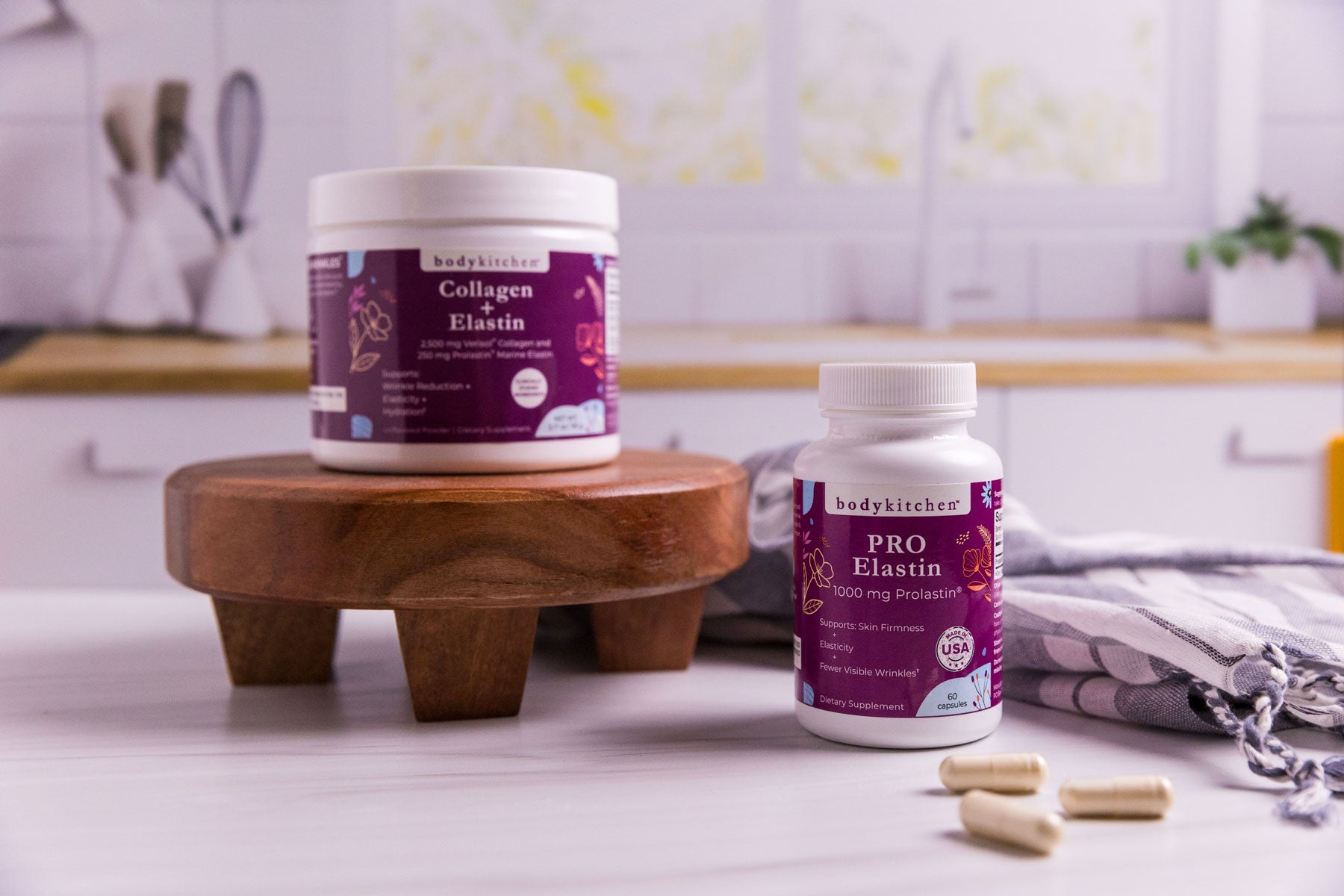
Winter means beautiful snow, perfect weather for sweaters, and cozy fires in the hearth, but it can also usher in dry skin. Fortunately, with the right skincare strategy, you can address symptoms of dryness and lower the likelihood of their return. Read on to learn more about how to care for your skin in the winter and why skin elasticity supplements may help you battle dryness. What Causes Dry Skin in Winter? While dry skin can occur any time of the year, more individuals experience dry, itchy skin in the winter than in any other season, and the weather is a major factor. Humidity levels drop dramatically during the winter, meaning less moisture in the environment to benefit your skin. Also, irritation due to wind and harsh cold temperatures can disrupt the skin's natural moisture barrier, leading to signs of dryness. Indoor heating can further deprive the skin of moisture. Symptoms of Dry Winter Skin Recognizing the symptoms of dry skin is essential. After all, the sooner you address the problem with skincare products and supplements for dry skin, the better. The following are common symptoms of dehydrated, thirsty skin: Roughness, which at times can appear as a crusty or scaly winter dry skin rash Flakiness Patches of redness Itching Feeling of tightness or stiffness Burning, stinging sensations Dullness or a loss of radiance Top Winter Skin Care Tips To promote better-hydrated skin in the winter, follow these tips: Adopt a Healthy Skin Care Routine and Stick to It A healthy skincare routine is essential year-round, but it's especially vital in the winter if you're prone to seasonal dryness. Use makeup remover to remove cosmetic residues that can irritate and clog your pores. Then, rinse away impurities with a facial cleanser intended for your skin type. Finish off with a moisturizer to boost the moisture level in your skin. In the morning, use daily sunscreen to shield your skin from the effects of UV. When you are outdoors for long periods, reapply sunscreen every two hours or more frequently if you're sweating. Exfoliate two or three times per week to remove dead, dry tissue and support cellular turnover. Reap Potential Collagen and Hyaluronic Acid Benefits Many scientific studies have validated the benefits of elastin, hyaluronic acid, and collagen for skin. Collagen and elastin are two essential structural proteins that support skin tissue. Levels of these critical proteins naturally drop with age, leading to the appearance of fine lines and wrinkles and sagging, loose skin in certain areas. Supplementing collagen and elastin in the skin can address these problems and make dry, dehydrated skin appear plumper. Hyaluronic acid is another natural substance found in the skin. It acts as a humectant, meaning it draws in moisture and helps it bind to the tissue. Repeated use of hyaluronic acid can help to ease symptoms of dryness and improve overall skin texture. Try Collagen Supplements for Skin Health Skincare products aren't the only way to get elastin, hyaluronic acid, and collagen benefits for skin health. A beauty supplement can deliver collagen, hyaluronic acid, and other nutrients to support increased elastin in the skin and reduce signs of dryness. Look for a combination supplement that contains various ingredients such as Total Beauty - Collagen, Keratin, and Elastin, which features collagen, keratin, elastin, hyaluronic acid, and biotin to support healthy skin, hair, and nails. Invest in a Humidifier Increasing the moisture level in your home can go a long way toward reducing symptoms of dry skin. Purchase a portable humidifier that produces a cool mist. Place it next to your bed while you sleep and move it throughout your home when you are in one room for long periods. You may even want to purchase a second small unit to take to work. Bathe the Right Way How you bathe can significantly impact your skin's hydration levels. Limit baths or showers to 10 minutes and use lukewarm water rather than hot to help spare the oil in your skin. Be sure to use gentle soaps that contain moisturizing ingredients, so you're supplementing hydration rather than stripping it away. Apply a facial moisturizer and a hydrating body lotion from your neck to your feet as soon as you've finished drying off. This will help to seal in moisture. Limit Exposure to Potential Irritants Dry skin can become easily irritated. By avoiding common sources of inflammation, you can reduce the risk of redness. Avoid scratching itchy, dry skin. Apply a little petroleum jelly to extremely painful areas or use an ice pack for quick relief. Consider switching to fragrance-free laundry detergents, as the perfumes found in some can trigger allergies. When you shave, apply a cream or gel and let it sit for a few minutes to soften your skin before you reach for the razor.

Benefits of Quercetin with Reduced L-Glutathione
Over the last couple of years, there has been a lot of buzz online about quercetin supplement products. If you've seen individuals discussing quercetin benefits or even recommending quercetin COVID cures, you're likely wondering if the supplements live up to their hype. The truth is that research suggests there are real quercetin health benefits, especially when combined with a glutathione supplement. Read on to get the facts about quercetin and glutathione. What Is Quercetin? Quercetin is a natural chemical found in foods like black tea, berries, citrus fruits, broccoli, tomatoes, and kale. Most supplements contain a form of the substance called quercetin dihydrate. What Is Quercetin Used for? Scientists have put quercetin to the test in numerous clinical studies. While there still isn't enough evidence to prove that it's effective for everyone who takes it, early findings suggest that quercetin may do all of the following. Promote Healthy Aging Quercetin is an antioxidant, a substance capable of breaking down harmful particles called free radicals. All-day long, your body is bombarded with free radicals found in ultraviolet radiation and pollutants. If left unchecked, they can damage cells throughout your body. Because of its antioxidant benefits, quercetin may protect the cardiovascular system, reduce the risk of premature signs of aging and even lower the likelihood of developing some types of cancer. Some experts believe it may also diminish the risk of some neurological conditions like Alzheimer's and Parkinson's disease. Assist with Healthy Circulation Quercetin has been shown to promote healthy circulation. By making it easier for blood to travel through your body, the supplement may help to lower blood pressure levels and make a person less likely to develop heart disease. For those who already have heart problems, the supplement may improve arterial health. Support Your Immune Response While there is no evidence to suggest that quercetin can prevent COVID-19, the supplement has been found to support the immune system. Quercetin may help modulate the body's inflammatory response to assist with various conditions, such as rheumatoid arthritis. Individuals frequently take quercetin for allergies based on research that shows it interferes with the release of symptom-triggering histamine. There is also some evidence suggesting that quercetin protects from bacteria associated with stomach, skin, respiratory and urinary infections. What is Glutathione? Glutathione or l-glutathione is a substance manufactured by the liver and nerve cells. It plays a number of important roles in the body. Some individuals take glutathione supplements to boost their body's natural supply. What Are Some Glutathione Benefits? As with quercetin, more research is required to verify L Glutathione benefits thoroughly. However, experts believe that it may have the following health benefits based on studies already completed. Natural Detoxification One of glutathione's key jobs is to destroy toxins that can interfere with your health and well-being. As a result, individuals often take it for a natural detox. Studies also show that glutathione may reduce the risk of hepatitis and liver disease by reducing strain on the liver. Heart Health Like quercetin, glutathione has antioxidant potential. There is some evidence to suggest that its free radical-fighting abilities are significantly better for the cardiovascular system. Specifically, research indicates that the supplements may help lower cholesterol levels, address the hardening of the arteries and reduce the risk of heart disease. It may also lower the likelihood of heart problems in individuals with diabetes. Immune Support Your body requires glutathione to produce specific proteins and activate key enzymes the immune system uses. Increasing your glutathione supply may help power the T-cells needed to fight off various kinds of infections. Also, it assists with DNA repair and may support the natural healing process. Healthy Vision Studies have shown that glutathione's antioxidant activities are crucial for eye health. The substance may help reduce the risk of damage of free radicals that attack the eye's lens. As a result, doctors sometimes recommend that individuals with cataracts or glaucoma or those at risk for either condition take a glutathione supplement daily. What Is Bioperine? Bioperine is a type of black pepper extract standardized to contain at least 95 percent piperine. Piperine is a substance naturally present in black pepper that gives the spice certain health benefits. What Is Bioperine Used for? Some quercetin and reduced glutathione supplements like Body Kitchen Mega Quercetin contain Bioperine black pepper extract. Research indicates that black pepper extract benefits the digestive system, helping it absorb and utilize nutrients more efficiently. This means that its presence in a combination supplement may enhance the effectiveness of both quercetin and glutathione. Studies also suggest that Bioperine may reduce inflammation and support circulation to complement the actions of the other vital ingredients.

2022 NEW YEAR'S RESOLUTIONS - OBTAINING A GROWTH MINDSET
With the beginning of the new year 2022, it's time to start setting goals for the year ahead. If you're like most individuals, you go into the year with a new year resolution or two. You make progress initially but ultimately abandon your efforts and fail to make healthy lifestyle changes or accomplish other goals. Although this chain of events is typical, it's not guaranteed to occur. You can set yourself up for success when you approach the new year with a growth mindset instead of a fixed mindset. Read on to learn about the difference between a fixed vs. growth mindset and how the right attitude can finally help you start living a healthy lifestyle. WHAT IS A GROWTH MINDSET? A simple growth mindset definition is a belief in the ability to change. When you approach life with a growth mindset, you are open to the possibility that you can adapt and evolve. If you encounter challenges, you don't believe that failure is inevitable. Instead, you readjust and try again. GROWTH MINDSET VS. FIXED MINDSET A fixed mindset is a hopeless frame of mind that cynically sees the world. If you have a fixed mindset, you believe that you can't ever make improvements no matter what you do. Individuals with a fixed mindset often practice negative self-talk, saying things like "I can't," or "I won't," or "it doesn't matter." This type of talk can get in the way of achieving health goals and other kinds of goals, and it's often why individuals abandon new year resolutions so quickly. CULTIVATING A GROWTH MINDSET Everyone experiences moments of negativity. Even individuals with a positive growth mindset may occasionally engage in defeatist thinking. The key is to strive to maintain a growth mindset as much as possible and to notice when you begin to drift into fixed mindset territory. Some ways that you can cultivate a growth mindset include: Return your mind to the positives. Whenever you begin to think of something negative, force yourself to think of two positive things. For example, if you misplace your car keys and end up stressed before work, you can take note of the beautiful sunrise and reflect on the delicious breakfast you ate. Don't be afraid to ask for help. Getting assistance from others isn't cheating or being weak. Having a solid support network is vital to any real success. Ask a friend or your partner to hold you accountable or help take on a task that you're struggling to complete. Let the other person know you're there to help them, too. Become your cheerleader. Get in the habit of praising yourself, even for the little things. Sometimes, just getting out of bed on a bad day is a major victory. Talk to yourself like you would someone you love. Catch yourself when you're being unkind or destructive. Ask yourself if you would talk to a specific person you love that way to silence that harmful inner voice. HOW TO LIVE A HEALTHY LIFESTYLE WITH A GROWTH MINDSET Now that you understand how to foster a growth mindset in yourself, it's time to pair that with your goals for 2002. Follow this process to use a growth mindset to achieve your vision: Start with an actionable goal. You can't succeed when you don't have a clear vision of success. Write down a concrete plan with a measurable outcome and give it a set period of time. I think I will lose 30 pounds by the end of the year instead of losing weight this year. Once you have your goal written down, read it aloud and tell yourself that you have what it takes to succeed. Break your goal into smaller milestones. Making your goals a reality requires a plan. To create one, break your main goal into smaller goals. For example, if you want to exercise for three hours every week consistently, take it slowly. For the first month, maybe plan for 30 minutes per week and then increase by 15 minutes of exercise every month until you reach your goal. Write down your milestones and verbally commit to the possibility of achieving each of them. Put your plan into action. Once your goal is in place, start following it. Keep a record of what you do every day to contribute to your success. Recognize the changes you've made and tell yourself that it's proof you can succeed. Assess your progress at each milestone. When you reach a milestone in your plan, evaluate whether or not you achieved it. If you did, celebrate in a small way, and once again remind yourself that you have what it takes to continue moving forward. If you fall short of your goal, frame it not as a failure but as a sign that you haven't developed the right plan. Reevaluate your goals to see if they were unrealistic. Revise as needed, create a new strategy and recommit with the knowledge that you are capable of change.

BOOST EVERYDAY BRAIN PERFORMANCE
When your brain isn't functioning at its best, you can't be at your best. Brain fog can get in the way of your daily activities and stand in the way of your success. Fortunately, cognitive supplements may provide a solution for boosting brain performance. Read on to learn more about what cognitive health supplements are and how they may benefit you. WHAT IS COGNITIVE PERFORMANCE? Cognitive performance is the term that describes how well the brain works. Individuals with high cognitive performance have an easier time reasoning, remembering, solving problems, making decisions, learning new things, and paying attention. Stress, a poor diet, a lack of sleep, age, and medical issues can all interfere with cognitive performance, hampering mental abilities. Some signs that your cognitive performance may need improving include: Forgetting appointments and important dates like birthdays Needing reminded about conversations or events that recently took place Feeling high levels of stress when you need to make crucial decisions Getting lost easily Struggling to stay organized or on task Giving in to impulsive behaviors WHAT ARE BRAIN PERFORMANCE SUPPLEMENTS? Brain performance supplements are dietary supplements that contain ingredients believed to help support brain function. You may also see them referred to as cognitive enhancement supplements or brain health supplements. Individuals may choose to take supplements for brain fog or other symptoms of poor cognitive performance. Others take them to keep their brains functioning at their best and reduce the risk of experiencing symptoms in the future. WHAT ARE THE BEST SUPPLEMENTS FOR COGNITIVE FUNCTION? Research into the use of supplements for brain health is ongoing. More work is needed to confirm that any particular supplement is beneficial for everyone who takes one. However, the following supplements have shown promising results in various studies: Polyphenols, plant extracts found in grapes, berries, and other fruits and vegetables. Research shows that these substances are antioxidants, meaning they can fight free radicals that cause oxidative stress. For the brain, this may help reduce damage to cells that contribute to loss of cognitive function. Some studies have also found that antioxidants may lower the risk of Alzheimer's disease and dementia. Ashwagandha, an herb commonly used in Ayurvedic healing. Ashwagandha is believed to be an adaptogen, an herb that protects the body from the effects of stress. As a result, it may offer several benefits for the brain. Research shows that it may ease anxiety symptoms, improve mood, and support memory function. Caffeine, a naturally occurring chemical found in coffee, tea, and chocolate. In the body, caffeine energizes the central nervous system, boosting brain activity. This not only helps you feel more awake, but it may also reduce brain fog and support cognitive ability. Theobromine, a chemical extract from cocoa beans. Theobromine acts as an antioxidant, giving it the same benefits as a polyphenol. However, it may offer additional advantages as a brain health supplement. Research indicates that theobromine enhances circulation to the brain. Supplying the brain with more blood could help support cognitive function. The substance has also been shown to increase alertness without causing jitteriness. Vitamin B6 is one of the essential vitamins the human body requires to function correctly. Without vitamin B6, your brain cannot produce neurotransmitters like dopamine and serotonin. Research indicates that vitamin B6 deficiency can cause symptoms of poor cognitive function and that increasing one's intake through supplements may boost memory and improve mood. As you can see, you have many options for brain supplements. Choosing combination brain health supplements that contain two or more of the ingredients listed above may help increase the effectiveness of supplementation without requiring you to juggle multiple bottles. HOW DO I TAKE SUPPLEMENTS FOR COGNITIVE FUNCTION? To take brain supplements safely, first talk to your doctor. They can help you decide if the ingredients in any particular supplement are safe for you to take. For best results, follow the directions for use featured on the supplement packaging unless a medical provider gives you other instructions. Make sure to take your supplement consistently. Forgetting or skipping doses will likely make any supplement less effective. Also, be patient. Results from supplements develop slowly, so it may take several weeks before you notice improvements. HOW DO I IMPROVE COGNITIVE FUNCTION? Your diet and lifestyle can help or hinder the actions of cognitive function supplements. To help enhance effectiveness: Cut down on your intake of added sugar and refined carbs Limit your intake of red meat, fried foods, and trans fatty acids like margarine Drink alcohol only in moderation Avoid fish that may contain high levels of mercury Get at least 7 to 8 hours of sleep every night Increase your physical activity Stop smoking cigarettes Don't use marijuana Practice stress management techniques like meditation or deep breathing

Body Kitchen Holiday Mock Toddy Recipe
This nourishing spin on a hot toddy will have you ready to cozy up by the fireplace with a good book or a good friend. Hot toddies, typically made with whiskey, are a folk remedy for colds and congestion. Our mocktail version, combines the immune power of vitamin C and elderberry with tea, spices and honey delivered in a piping hot beverage. Drink when you are under the weather or any time you crave a little comfort. Prep time: 10 minutes Makes: 1 serving Recipe Ingredients: 10 oz boiling water 1 black tea bag (or substitute rooibos for caffeine-free) 1 capsule Body Kitchen Vitamin C SHIELD 1 capsule Body Kitchen Nordic-Elder SHIELD ½ teaspoon honey, or to taste 2 whole cloves 1 slice lemon 1 cinnamon stick Recipe Directions: Place the tea bag in your favorite mug, pour in the boiling water, cover (with a saucer or plate) and let the tea steep for 3-5 minutes. Remove the cover and the tea bag. Open the capsules of Vitamin C SHIELD and Nordic-Elder SHIELD and stir the contents into the tea until dissolved. Stir in honey. Push the whole cloves into the lemon slice and float in the tea. Add a cinnamon stick and stir. Sip and enjoy! Tip: When you are finished, rinse the cinnamon stick, allow to dry and reuse in your next mock toddy. Nutrition facts (1 serving): 16 calories, 0 grams protein, 0 grams fat, 4 grams carbohydrate, 0 grams fiber