Blog


New Year's Resolutions: A Healthy Lifestyle in 2022!
With New Year's Eve approaching, it's time to start thinking about setting a new year resolution. With the right resolutions, you can get on your way to living a healthy lifestyle in the new year. Read on to explore some of the top new Year's resolutions and get healthy lifestyle tips to help you achieve whatever goals you set. Establish Health Goals for the Year Before you say Happy New Year and goodbye to 2021, take the time to evaluate your lifestyle carefully. Think about what healthy lifestyle changes you'd like to make, and then turn those into actionable goals. For example, if you want to lose weight in 2022, set a realistic goal of losing 1 to 2 pounds every week until you reach your ideal weight. When you make goals something you can measure, you'll have an easier time achieving new year health resolutions. Commit to a Healthy Eating Plan Healthy nutrition can make a significant impact on your overall well-being. Making better choices at meals can assist with weight control and ensure that your body has the nutrients it needs to function at its best. For a new year's resolution, you may want to eat a more natural diet and avoid highly processed foods as much as possible. Or, you could decide to incorporate clean and natural supplements, such as Trimglo, to help your body administrate sugars more efficiently so it they can be used as an energy source. Promote Beauty from the Inside Out Beauty does play a role in a healthy lifestyle. When you look your best, you can feel more confident and comfortable. If you're concerned about signs of aging, consider addressing those fine lines and wrinkles from the inside out in the new year. Body Kitchen’s Youthful Beauty Powder can supply you with advanced di-peptide collagen protein to help promote suppler, firmer skin. Black currant extract is added to the formula to help your body better make the most out of collagen by increasing its absorption rate by 30%. With added anti-aging nutrients, such as resveratrol, this collagen formula is definitely something to consider if your resolution includes looking and feeling younger. Strengthen Your Relationships Having a solid support network of friends and family means you always have someone to turn to during periods of stress. Strong relationships can also keep you from feeling isolated. Friendship isn't just good for your mental health. Studies have found that people who have healthy supportive relationships are more likely to be healthy than those who don't. During the new year, you can focus on maintaining regular contact with the people who matter most. Remember that you need to be a good friend in turn to have good friends. Ensure the people you love know that they can count on you to listen and advise them. Make Sleep a Priority Sleep is essential to your health and well-being. Studies have found that not getting the recommended minimum of seven hours of sleep every night can negatively impact everything from concentration and cognitive function to your immune system. To improve your sleep, establish a set bedtime and wake-up time and stick to it every day of the week. Limit screen time before bed and take steps to block out light and sound in your bedroom. A magnesium supplement like Body Kitchen Magnesium Powder can also help to support healthy sleep by assisting with muscle reaction and stress management, allowing the body to achieve a more relaxed state. Consistently Set Aside Me -Time In 2022, shake off those feelings of guilt that come with taking a break to do something nice for yourself. Practicing self-care by giving yourself some me-time every day can have a dramatic impact on your stress levels. Plus, being diligent about your timeouts helps to establish healthy boundaries in relationships and encourages your family and friends to take the same self-care measures for themselves. Find Ways to Reduce Stress Speaking of stress, getting it under control in the New Year can pay off big for your health and well-being. Stress has been shown to contribute to headaches and muscle pain, to cause feelings of fatigue and to interfere with digestion. Stress may also make you more susceptible to anxiety and depression and impede immune system function when not controlled. You can try several stress relief methods, such as practicing mindfulness, meditating, and deep breathing. Seeing a therapist may also help you work through stress. Get Moving Regular exercise is about more than just weight management. Working out regularly supports immunity and cardiovascular health and can help to ease symptoms of stress, anxiety, and depression. The CDC recommends that adults under the age of 65 get 150 minutes of moderate-intensity aerobic exercise and do strength-building exercises two days per week. Celebrate Your Success and Learn from Failures As you work toward accomplishing your 2022 health goals, take pride in your accomplishments and celebrate significant milestones, but be prepared for failure, too. When you deviate from your healthy living plan, determine what caused you to stray. Forgive yourself and recommit to your goal, taking steps to avoid the same pitfall in the future.

What Is Liposomal Vitamin C? Liposomal Vitamin C Benefits
With the arrival of cold and flu season, you may find yourself thinking more about your immune system. After all, how well it functions could make all the difference in whether you get sick this year and determine how long you may suffer from symptoms of an illness if you do contract a virus. Many people rely on vitamin C supplement products for immune support during flu season and throughout the rest of the year. If you're considering buying a supplement, read on to learn why you may want to focus on ones that contain liposomal vitamin C. What Is Vitamin C? Vitamin C is one of the essential vitamins your body needs to function correctly. You can't make vitamin C on your own, so your entire supply must come from the foods that you eat. What Are the Signs of Vitamin C Deficiency? In the U.S., severe vitamin C deficiency is rare. It causes symptoms like gum inflammation, joint pain, extreme fatigue, poor wound healing, and a red or purple rash on the skin when it does occur. This set of symptoms is sometimes referred to as scurvy. Basic Vitamin C Benefits Because vitamin C deficiency is so rare, most people who take vitamin C supplements do so not to ensure that they get enough of the vitamin but in hopes of reaping its potential health benefits. Studies indicate that vitamin C may: Reduce the risk of heart disease. Vitamin C is an antioxidant, a substance that defends the body from damaging free radicals. Because of this, it may reduce oxidative stress that contributes to cardiovascular disease. Promote healthy vision. Studies have found that people who have age-related macular degeneration (AMD) and take a vitamin C supplement may see a slowing in the progression of vision loss. Enhance skin texture. Vitamin C is needed to produce collagen, the structural protein that supports skin tissue. As you age, collagen levels naturally decrease, leading to lost skin elasticity. Some scientists speculate that taking vitamin C supplements may help collagen production address this common sign of aging. Support immune system function. Your immune system requires vitamin C for critical functions. Research suggests that taking a vitamin C supplement may help to shorten the duration of cold and flu symptoms. Some people take vitamin C to avoid getting sick, but there isn't enough evidence to prove that the supplement makes you less likely to catch a cold or the flu. What Is Liposomal Vitamin C? Vitamin C supplements are not all the same. Although they all provide vitamin C, the form of the vitamin varies from product to product. Liposomal vitamin C is one type of vitamin C found in supplements. In this type of supplement, the vitamin is encased in microscopic fat particles called lipids. Your body naturally produces liposomes to carry materials in and out of cells. Due to advancements in bioengineering, liposomes can now also be manufactured in laboratories and are used as delivery mechanisms for prescription drugs and vitamin C. Body Kitchen makes an excellent supplement, Vitamin C Shield, that uses pure Liposomal C. Key Liposomal Vitamin C Benefits Because of its unique form, liposomal vitamin C may offer benefits that other types of supplements don't. Better Bioavailability and Absorption of Nutrients The bioavailability of vitamins refers to how readily a supplement can be absorbed and utilized by your body. With standard vitamin C supplements, only about 50% of the nutrient is typically able to be adequately digested, absorbed, and put to use. Liposomes have been shown to provide better absorption of nutrients. The reason why liposomal vitamin C enhances absorption lies in biology. Each of your cells is surrounded by a lipid layer called a membrane. Its purpose is to hold cellular material in place and control what enters and exits the cells. Liposomes are made from the same type of material as the cellular membrane. As a result, liposomal vitamin C may be able to enter your cells more efficiently than generic vitamin C from corn. Less Risk of Side Effects In addition to improved bioavailability, liposomal vitamin C may lower the risk of side effects associated with supplements. Vitamin C may cause digestive issues like nausea, diarrhea, heartburn, and stomach cramps at high doses. Headaches and fatigue are also reported side effects. Some experts believe that liposomes may minimize the risk of these side effects occurring. However, you should still only take as much vitamin C as the manufacturer recommends unless your medical provider gives you other advice. A final thing to note about supplemental vitamin C is that in high doses and in the ascorbic acid form, such as Vitamin C Shield, it can deplete copper stores. If you take this helpful product more than a few days, please consider the dietary sources of copper in your diet. You can find copper in delicious foods such as chocolate, oysters, spirulina, sunflower seeds and shiitake mushrooms. Ensure you’re meeting your needs, especially during cold and flu season! Potentially Higher Quality Supplement Overall, liposomal vitamin C supplements may be of higher quality than other options. Advanced engineering and technology are required to produce liposomal vitamin C, that’s where Body Kitchen’s quality stands out. All their products, including Vitamin C Shield, are manufactured in a highly-reputable facility within the US.

THE INABILITY TO FOCUS AND CONCENTRATE IN ADULTS
Business success depends on many factors, including your mental status. A lack of focus could get in the way of you reaching your full potential and accomplishing your career goals. Fortunately, you can quickly determine if your level of focus is helping or hindering you and take steps to improve your concentration if needed. Read on to learn more about the warning signs and find out how to improve focus and concentration. SIGNS OF AN INABILITY TO FOCUS AND CONCENTRATE IN ADULTS An inability to focus and concentrate may show itself in adults in many ways. If any of the following sounds like you, there's a chance you're struggling with focus and concentration: You forget things almost immediately after they happen and require frequent reminders. You frequently fidget or change positions in your chair when sitting for an extended period. You find it hard to sort through your thoughts. You often misplace things. You struggle to make quick decisions. You quickly become frustrated and distracted when performing challenging tasks. You get physically or mentally exhausted when performing complex tasks. You frequently make simple mistakes at work. You turn work in at the last possible moment or frequently miss deadlines. WHAT CAUSES PROBLEMS WITH FOCUS AND CONCENTRATION? Many things can lead to problems with focus and concentration, such as: Depression, anxiety, and other mental health disorders Poor sleep or a lack of sleep Feelings of hunger High levels of stress Restless leg syndrome Neurological disorders Some prescription medications Poor working environment filled with distractions CONSEQUENCES OF LACK OF FOCUS IN BUSINESS A lack of focus can be especially damaging in business. Struggling to maintain focus can lead to the following consequences: Negative perceptions. If you are forgetful or make mistakes frequently, your supervisor and coworkers may get the impression that you don't care about your work and aren't committed to the team's success. Poor productivity and work quality. An inability to concentrate can make your productivity suffer. In addition, the quality of your work may be much lower than that of your peers. Reduced responsibilities and demotions. Frequent errors and missed deadlines could result in reduced responsibilities and even potential demotions. Lack of opportunities. You may be passed over for promotions or kept off of teams responsible for important projects. Increased stress. Simply concentrating to perform tasks can dramatically increase stress levels if you suffer from a lack of focus. Stress can negatively impact your health by lowering your immunity, interfering with your sleep, and even causing digestive issues. SUPPORTING MENTAL PERFORMANCE WITH NOOTROPIC SUPPLEMENTS FOR FOCUS AND CONCENTRATION Nootropic supplements may provide a solution for lack of focus and an inability to concentrate. These supplements contain herbal extracts and other ingredients that may positively impact the mind. Although more research is needed to prove their effectiveness, there is anecdotal and early clinical evidence that the right ones can enhance focus and concentration for some individuals. BEST SUPPLEMENTS FOR FOCUS AND CONCENTRATION Some of the best nootropics for focus and concentration include: Caffeine. Found in coffee, tea and chocolate, this natural substance acts as a stimulant, energizing the nervous system. As a result, it may curb feelings of fatigue and increase your level of alertness so that you can better concentrate. Antioxidants. These nutrients found in many foods and drinks like wine, grapes, and blueberries have been shown to neutralize harmful particles in the environment called free radicals. Numerous studies have confirmed that free radicals can cause oxidative damage to brain cells. Over time, these effects could interfere with brain function. Because they break down free radicals, antioxidants may protect brain cells to help your mind function at its best as you age. Cocoa bean. In addition to being rich in antioxidants, cocoa beans contain a natural chemical called theobromine. Studies have found that the substance may help to enhance blood flow to the brain and, in turn, could increase concentration and focus. Arjuna. An Ayurvedic herb, arjuna has been used for centuries to support brain health and function. Early research suggests that the herb may enhance circulation and provide antioxidant protection. Fish oils. These supplements derived from fish are rich in docosahexaenoic acid (DHA) and eicosapentaenoic acid (EPA), omega-3 fatty acids that have been shown to play an important role in brain function. TIPS FOR USING NOOTROPICS FOR CONCENTRATION AND FOCUS Follow these tips to make the most of nootropic supplements: Talk to your medical provider before taking any new supplement. Follow the directions for use provided by the manufacturer. Allow several weeks to see results, as most products don't lead to changes overnight. Complement the actions of nootropics with work behavior changes, such as keeping your phone off your desktop or wearing headphones to block out noise.

ASHWAGANDHA SUPPLEMENT BENEFITS FOR MEN
Men have their own unique needs for health and well-being, and increasingly, men are turning to testosterone supplements and other dietary supplements to help them achieve their healthy living goals. Many experts recommend ashwagandha for men who are wondering how to increase testosterone naturally and those striving to build muscle mass. Read on to learn more about potential ashwagandha benefits. WHAT IS ASHWAGANDHA ROOT? Ashwagandha root is a medicinal herb that has been used in the natural healing practice of Ayurveda for thousands of years to treat various conditions and diseases. An ashwagandha supplement is a dietary supplement that contains a concentrated extract of ashwagandha root. POTENTIAL ASHWAGANDHA BENEFITS FOR MEN Scientific studies are only now beginning to assess potential ashwagandha health benefits, but early research has shown promising results in several areas. POSSIBLE TESTOSTERONE BOOSTER Studies into the connection of ashwagandha and testosterone have revealed that the herb may have the potential to increase the key male sex hormone levels. As a result, men with low testosterone levels due to age, stress, and health conditions may benefit from taking a supplement. Some symptoms of low testosterone include: Erectile dysfunction Lack of libido Fatigue Increase in body fat Mood swings Men hoping to address these symptoms may benefit from the potential ashwagandha testosterone-boosting benefits. Some men rely on supplements on their own, while others choose to use them in conjunction with testosterone replacement therapy prescribed by their doctors. POTENTIAL FOR STRESS RELIEF A clinical survey conducted by the American Psychological Association revealed that 45% of men report becoming angry and irritable due to stress. More than a third of men reported experiencing fatigue, anxiety, and lack of motivation due to stress. If you're under persistent pressure due to work or relationships, you may be familiar with these symptoms. Stress can also negatively affect your sleep and has been shown to impair the immune system and negatively impact the heart. Due to the adverse effects of prolonged stress, stress relief is essential to men's health, and there is evidence to suggest that ashwagandha may have a role to play in diminishing stress. Studies have revealed that ashwagandha may act as an adaptogen, a substance that helps defend the body from the physical effects of stress. Specifically, ashwagandha may lower levels of the stress hormone cortisol. It has also been shown to alleviate anxiety and depression, which can be worsened by stress. POSSIBLE FERTILITY BOOST In Ayurveda, ashwagandha is a common remedy for male infertility. Some early studies provide evidence that the herb may be beneficial for men struggling to get their partners pregnant. One study showed that men who took ashwagandha had increased sperm and greater sperm motility than those who didn't. Another that followed men taking ashwagandha for stress for three months found that 14% of participants' partners got pregnant. MAY HELP WITH MUSCLE GROWTH Ashwagandha muscle growth benefits have been widely reported. Those who believe in a connection between ashwagandha and muscle gain hold that the herb's potential testosterone-boosting benefits could help men see better results from their workout efforts. Several studies have indicated that ashwagandha helps to enhance body composition. One found that men who took 750 to 1250 milligrams of the supplement daily were stronger after 30 days. MAY SUPPORT CARDIOVASCULAR HEALTH Heart disease is the leading cause of death among men in the United States, making cardiovascular health essential to men's health. Early studies suggest that ashwagandha may help lower cholesterol and triglyceride levels to promote cardiovascular health. In addition, ashwagandha's potential stress-fighting benefits may further help the heart. In addition, those who see more significant gains from the gym due to possible ashwagandha muscle recovery benefits may feel more motivated to keep up with their heart-healthy exercise routines. MAY IMPROVE ON-THE-JOB PERFORMANCE Men focused on success in their careers may also benefit from taking an ashwagandha supplement. Clinical studies suggest that the herb may act as an antioxidant that helps protect brain cells from damage due to environmental free radicals. In addition, there is some evidence to suggest that taking ashwagandha may improve memory function and enhance concentration to boost mental performance. HOW AND WHEN TO TAKE ASHWAGANDHA Before taking an ashwagandha supplement, consult your medical provider to determine if it is safe for you to take the herb. When to take the supplement depends mainly on your personal preferences. If you're using it for workout support, you may wish to take it earlier in the day. If stress relief is your primary goal, it may make more sense to take it at night. Follow the ashwagandha dosage recommended by the supplement manufacturer unless your medical provider gives you other instructions.

CRYPTOCURRENCY AND STOCK DAY TRADING MINDSET
The Internet is full of success stories of people making millions day trading on the cryptocurrency market and the stock market. Reading just a few is enough to make you curious about day trading crypto and stocks, and after you've read some more, you may become interested in giving up your day job and entering the market. But should you? And if you do, what can you do to help ensure your success? Read on to learn more about the mindset required to succeed with day trading crypto and stocks. CAN YOU DAY TRADE CRYPTO AND STOCKS? Naturally, you can start to trade crypto and stocks online on your own whenever you wish, but in order to succeed, you'll need to have the following: Reliable Internet connection and a computer capable of operating at faster speeds even with multiple windows open Access to a trading desk that will allow you to execute orders instantly Extensive knowledge of crypto mining and the market Subscriptions with the websites of major news sources for researching the market Analytical software for automatic pattern recognition, broker integration, and backtesting trades RISKS OF DAY TRADING STOCKS AND CRYPTOCURRENCY Before you begin to day trade, you need to understand the risks involved, such as: Financial loss: Many traders lose much more than they make during their first few months of trading. While some eventually become successful, many others never do Stress: When trading becomes your full-time job, the trading that you've been doing for fun now becomes your means of supporting your family, and extreme stress may become unavoidable. Lack of work-life balance: When the markets are open, you'll need to be glued to the screen, which can make it hard to balance family commitments. Expenses: You'll need to spend a lot out of pocket on an ongoing basis on commissions, training, and software Potential for fraud: For all the honest newsletters and sites out there offering reliable tips and expert advice, there are dozens of impostors. Scammers target those new to stock and cryptocurrency trading and try to take advantage of their inexperience by making false promises, exaggerating benefits, or outright deceiving. HOW TO PROMOTE THE RIGHT TRADING MINDSET With day trading, you're always partially at the mercy of the markets, so some of your success may be out of your control. However, cultivating the proper trading mindset can help improve your chances of success. Following these tips can help you promote the right attitude: CONTINUOUSLY ASK YOURSELF IF YOU'RE THINKING RATIONALLY OR EMOTIONALLY As a day trader, you need to be able to make quick decisions regarding buying and selling. Every second counts, and in those conditions, emotions can creep in and lead you to make poor decisions. Before completing any transaction, ask yourself if this is a smart move or an emotional one to help avoid this common pitfall. DEVELOP A TRADING PLAN AND STICK TO IT Before you make your first trade, come up with a carefully researched trading plan. Then, hold yourself accountable for sticking to it. Being disciplined can help you take emotion out of the equation. At the end of every trading week, take the time to evaluate your plan and modify it as needed. GET READY TO CONFRONT FEARS It's only natural to want to abandon an investment in the face of bad news due to fears of loss. In some cases, that may be the best move, but other times, fear can lead you to make knee-jerk reactions or hesitate to take risks that can offer big rewards. Accept the fact that you have some fear of failure and explore what your biggest fears are. Understanding your mind will allow you to assess whether the fear you experience in response to bad news is justified or not. If it isn't, you can then hold steady and may avoid missing out on potential gains. FULLY COMMIT YOURSELF TO RESEARCH AND REVIEW Because the market is constantly in flux, you're never done researching and reviewing as a day trader. Set aside time for daily research and review and be diligent about following through with it. When you tell yourself that research and review are as crucial to your success as trading, you'll be less tempted to forgo it. ELIMINATE DISTRACTIONS You can't afford distractions getting in the way of your trading. Create a quiet space away from family and pets where you can focus on trading day. Identify things that can make it difficult for you to stay focused and come up with solutions to avoid them. TRY DAY TRADER BRAIN HACKS Many successful day traders use brain hacking with nootropics to enhance their trading mindset. Nootropics are supplements that support cognitive function in different ways. A supplement geared toward increasing your level of focus like EXEED Mind may help you keep attention focused on the trading day and think more clearly and quickly.

Metabolism, Exercise and Weight Loss in Winter Months
Weight management requires ongoing effort every month of the year, but achieving your weight loss goals can be especially difficult during the winter months. Although it may be a little more complicated to keep to your plan during the coldest time of year, you can still succeed. Read on to learn how to exercise in winter weather and support your metabolism to support weight loss. The Challenges of Weight Loss in Winter Many people find it difficult to lose weight in the winter because: Holiday gatherings often include foods that are high in calories, sugar, and fat Classic cold-weather comfort foods tend to be highly caloric Exercising during the winter months may require changes to your routine due to the weather Short days with less light can negatively impact your mood leading to emotional eating Why Winter Exercise Matters Although you may feel stumped about how to continue exercising outdoors in winter, staying active throughout the winter months is of the utmost importance to weight management. To lose weight, you must burn more calories than you take in. Eating the right foods can help to create a calorie deficit to promote weight loss. Exercise supports these efforts by helping you metabolize more calories than you would if you remained sedentary. Plus, exercising in cold weather and warm conditions helps promote cardiovascular health, alleviate stress and improve your sleep. How Weight Loss Supplements May Help There's no magic pill that you can take to lose weight. However, weight loss supplements may work with all the other lifestyle changes that you've made to help you achieve your goal. Although there's no proof that any supplement promotes weight loss for everyone, some have shown promising results in research studies, such as chromium, green tea extract, and specific African spices. Body Kitchen has formulated Trimglo, a stimulant-free weight loss supplement that works by improving insulin sensitivity. This means that sugar in the body is utilized and burned as energy to prevent it being stored as fat-cells Trimglo contains a variety of nutrients designed to improve healthy weight-management. Before trying a weight loss supplement, make sure to check with your medical provider. How to Exercise in Winter To continue exercising throughout the winter, follow these tips: Head outdoors. Exercising in winter burns more calories due to the cold conditions, so take advantage of that by heading outside. Wear multiple layers, so you can shed the outer ones when your body temperature rises. Make sure to protect your face, ears, nose, and fingertips from the cold. Bundling up offers an extra benefit. The excess weight of your clothes can make your workouts more challenging, leading to a more significant calorie burn. Take a walk. Walking on snow is more difficult than cruising along on a paved surface or trail. By simply slipping on your boots and navigating the drifts on the sidewalks, you may burn more calories with a short walk than you would with a longer one in warm conditions. Try new indoor activities. Working out indoors doesn't have to mean hitting the gym. Try playing racquetball or handball with your friends or visit a climbing gym and scale the wall. Enjoy winter sports. Skiing and snowshoeing both burn calories while letting you enjoy the beauty of winter landscapes. How to Increase Metabolism and Support Weight Loss in the Winter Winter weight loss exercise is just one way to support your weight loss efforts. The following tips can complement your healthy diet and exercise plan: Snuggle up. Early research indicates that the feel-good chemical serotonin may play an essential role in metabolism support. One way to get a rush of feel-good chemicals is to snuggle up with someone you love on a cold winter's night. Sip on ice water. Does cold water boost your metabolism? Studies suggest that the answer is yes. When you drink something cold, your body has to counteract the temperature drop by burning more calories. Start things off with soup. A broth-based soup can help fill your stomach so that you'll eat less food in the rest of your meal than you would if you began with a salad. Plus, a bowl of a piping hot favorite can be very satisfying on cold days and may help you avoid reaching for other comfort foods that pack more calories. Opt for takeout rather than sit-down dining when you don't feel like cooking. When you order food ahead of time before hunger kicks in, you're less likely to overindulge and better able to choose options that fit your diet. Delight in winter vegetables. Many of the vegetables that are in season during the winter months are high in fiber. Not only are they healthy, but they're also filling. Get back on track quickly. If you go off the rails at a holiday meal or can't resist hot chocolate loaded with whipped cream on a cold day, put it behind you and get back on track. If you fixate on how you deviated from your dietary plan or beat yourself up over it, you may lose your motivation and give up entirely.

ENTREPRENEURIAL WORK ETHIC AND BUSINESS START-UPS
Launching a start-up company isn't for the faint of heart. With more than 50% of start-ups failing within the first two years and 90% failing by their 10th year, you'll need to put in a lot of work right from the start to ensure your success. In other words, cultivating a good work ethic is essential to the success of your business. Read on to learn about the key features of a robust entrepreneurial work ethic and to find out how nootropics for focus may benefit you as you work to strengthen your commitment to your company. KEY CHARACTERISTICS OF A GOOD WORK ETHIC FOR AN ENTREPRENEUR Whether you're a digital entrepreneur or are launching a start-up company in the retail and service sector, your work ethic is crucial. Some elements of a good work ethic for a start-up entrepreneur include: Willingness to take ownership of the company's success Sense of responsibility to yourself, your company, and your employees Commitment to acting with integrity and treating others with respect Persistence in the face of adversity and failure Ability to maintain a high degree of focus in the face of distractions WHY IT'S SO HARD TO STAY FOCUSED If you found it easy to check off many of the items on the checklist above but hesitated when it came to focusing, you're not alone. Many entrepreneurs find that struggles with focus are one of their biggest challenges. Some reasons why you may find it hard to maintain your focus include: Fatigue. As an entrepreneur, you're likely putting in long hours. When you're working yourself to the bone, you get to the point where your body and mind can't continue to function at their best. As a result, you may find it hard to concentrate even on simple tasks. Stress. A lot is riding on your success, which adds to massive amounts of stress. Long-term stress causes hormonal changes in your body that keep you in a prolonged state of high alert. At that point, your body and mind are more prepared for fight or flight rather than completing tasks that involve concentration. Multitasking. Many people who launch start-up companies are one-person shows or have only a small number of employees. When you don't have a huge team to count on, you're going to have to juggle many things at once. Constantly moving back and forth between tasks can make it hard to concentrate on anything. Health problems. Stress and fatigue can impair your immune system's ability to protect you from germs fully. As a result, you may find yourself feeling less than your best on many days, and it's hard to focus 100% when you're under the weather. Eye strain. Blue light emitted by computers can lead to eye fatigue and stress. Chronic vision problems have been linked to mental health concerns, including depression and anxiety, both of which can make it hard for you to maintain focus. NOOTROPICS AND IMPORTANCE OF STAYING FOCUSED Understanding why you may be struggling to focus is the simple part. Determining what to do about the causes is where things get complicated. When you're trying to launch a start-up business, you may not be able just to get more sleep, do less work, or eliminate stress. Because of the unique challenges when it comes to focusing, many entrepreneurs are now turning to nootropic supplements to give them that necessary boost they need to take their work ethic to the next level. WHAT ARE NOOTROPICS? Nootropics began with the work of a Romanian chemist named Corneliu E. Giurgea. He believed that taking small amounts of certain supplements could allow people to improve their cognitive function. During the last half of the 2010s, Silicon Valley entrepreneurs revived their work and began searching for nootropic supplements to give them an edge. Today, people take them to promote improved focus, memory, and creativity. Some people call using nootropics in this way brain hacking. WHAT ARE THE BEST NOOTROPICS FOR FOCUS? Some nootropic supplements commonly taken for focus include: Grape and blueberry extract. The antioxidants in these fruits help protect the brain and the rest of the body from damaging free radicals. Caffeine. A natural stimulant, caffeine revitalizes the nervous system to help you stay more alert. Arjuna. Used in Ayurvedic healing for centuries, arjuna is a botanical extract believed to stimulate the cardiovascular system and enhance brain blood flow. Theobroma. Also known as cocoa bean extract, this natural chemical has been shown to energize the mind similarly to caffeine but without causing increases in heart rate. Lutein and zeaxanthin. These plant pigments are commonly taken to support eye health and may help to reduce eye strain associated with spending hours in front of a computer screen. Keep in mind that there's no magic pill that will safely improve your focus all on its own. A better approach is to combine nootropic supplements with small lifestyle changes, such as exercising more to relieve stress or taking power naps in the afternoon to recharge. Before taking any dietary supplement, be sure to consult your medical provider. Only use nootropic supplements as the manufacturer directs unless a medical professional gives you other advice.

Magnesium Benefits for Leg Cramps, Migraines, and Constipation
Magnesium is an essential mineral that your body needs to function at its best. Maintaining normal magnesium levels by eating nutritious foods is necessary for your balanced diet, and there is evidence to suggest that magnesium benefits may go beyond supporting overall health. Research has revealed that magnesium supplement benefits may include relief for constipation, leg cramps, and migraines. Read on to get the facts about taking magnesium for constipation, leg cramps, and migraines. Magnesium Deficiency Symptoms Severe magnesium deficiency is rare and most common among people with certain digestive disorders, alcohol use disorders, and individuals who take certain medications. Low magnesium symptoms include: Loss of appetite Fatigue Weakness Nausea and vomiting If left untreated, magnesium deficiency can cause: Muscle cramps Changes in mood Irregular heartbeat Seizures Low levels of calcium and potassium that cause additional symptoms Most people take magnesium supplements not to avoid deficiency but to reap the potential health benefits. Supplemental forms, such as Body Kitchen’s Unwind Magnesium Powder, are excellent choices to boost magnesium levels in the body. These supplements can directly influence the PSNS, allowing the body to release tension and manage stress which may help address some of the issues mentioned above. Although more research into the effectiveness of magnesium supplements for addressing all types of symptoms is needed to prove the benefits definitively, the results of early studies into using magnesium for migraines, leg cramps, and constipation have yielded some promising results. Magnesium and Leg Cramps Many people experience leg cramps at night that interfere with their rest, and there is strong anecdotal evidence to suggest that taking a magnesium supplement may help. Understanding what causes leg cramps makes it easier to understand why. Leg cramps occur when the muscles in your legs suddenly and severely tense up. One of magnesium's many jobs is to trigger the release of muscle contractions. That's why severe deficiencies can result in severe muscle cramps. Those who support taking magnesium for leg cramps believe that increasing the body's mineral supply can lead to improvements in muscle contraction control. Most related studies deal with athletes taking magnesium to enhance athletic performance. A small study found that taking a magnesium supplement reduced symptoms of restless leg syndrome, a condition marked by leg spasms triggered by sudden contractions. In addition, there is evidence to suggest that magnesium may ease cramping and discomfort associated with fibromyalgia. Magnesium and Migraines Migraines are throbbing, pulsing headaches that are often accompanied by sensitivity to light and nausea. Scientists don't fully understand what causes migraines, but numerous studies have confirmed that many sufferers have low magnesium levels. This has led to people taking magnesium supplements in the hopes of reducing the frequency of headaches. These individuals may take magnesium in addition to prescription medication or on its own. One study found that a magnesium oxide supplement was as effective as the medication valproate sodium at fighting migraines and that the supplement caused fewer side effects than the drug. Other research has shown that magnesium may make women less likely to develop migraines during menstruation. Magnesium and Constipation Constipation is a widespread digestive issue. It's so common that most people will find themselves wondering what helps constipation at least once in their lives. On its own, constipation isn't a medical condition. Instead, the infrequent or difficult-to-pass stool is usually a sign of something else. Occasional constipation may be caused by diet, dehydration, or a lack of physical activity. Chronic constipation may be the symptom of something more serious. For persistent unexplained constipation, you should see your doctor. For occasional symptoms, magnesium has long been used for constipation relief. So how does it help with constipation? Essentially, your bowel is a large muscle. When you take magnesium, the mineral causes it to relax and attracts water into feces, making stool easier to pass. Because of its effectiveness, the U.S. Food and Drug Administration (FDA) has approved magnesium citrate for sale as an over-the-counter osmotic laxative for treating occasional constipation. What Types of Magnesium Should You Take for Leg Cramps, Migraines, and Constipation? There are many types of magnesium supplements available, including: Magnesium sulfate Magnesium oxide Magnesium citrate Magnesium chloride Magnesium aspartate Magnesium malate Magnesium lactate Magnesium glycinate You may wish to choose supplements, including Body Kitchen’s Unwind Magnesium Powder, that feature more than one type of magnesium, which may enhance overall effectiveness. Dosage of Magnesium for Leg Cramps, Migraines and Constipation There is no definitive answer to the question, "how much magnesium for leg cramps, migraines or constipation?" How much you will need depends on your age, weight, sex, and how much magnesium you get from your foods. Your medical provider can help you determine what dosage of magnesium is correct for you.

Put Your Health and Self-Care First with 5 Amazing Healthy Holiday Bundles
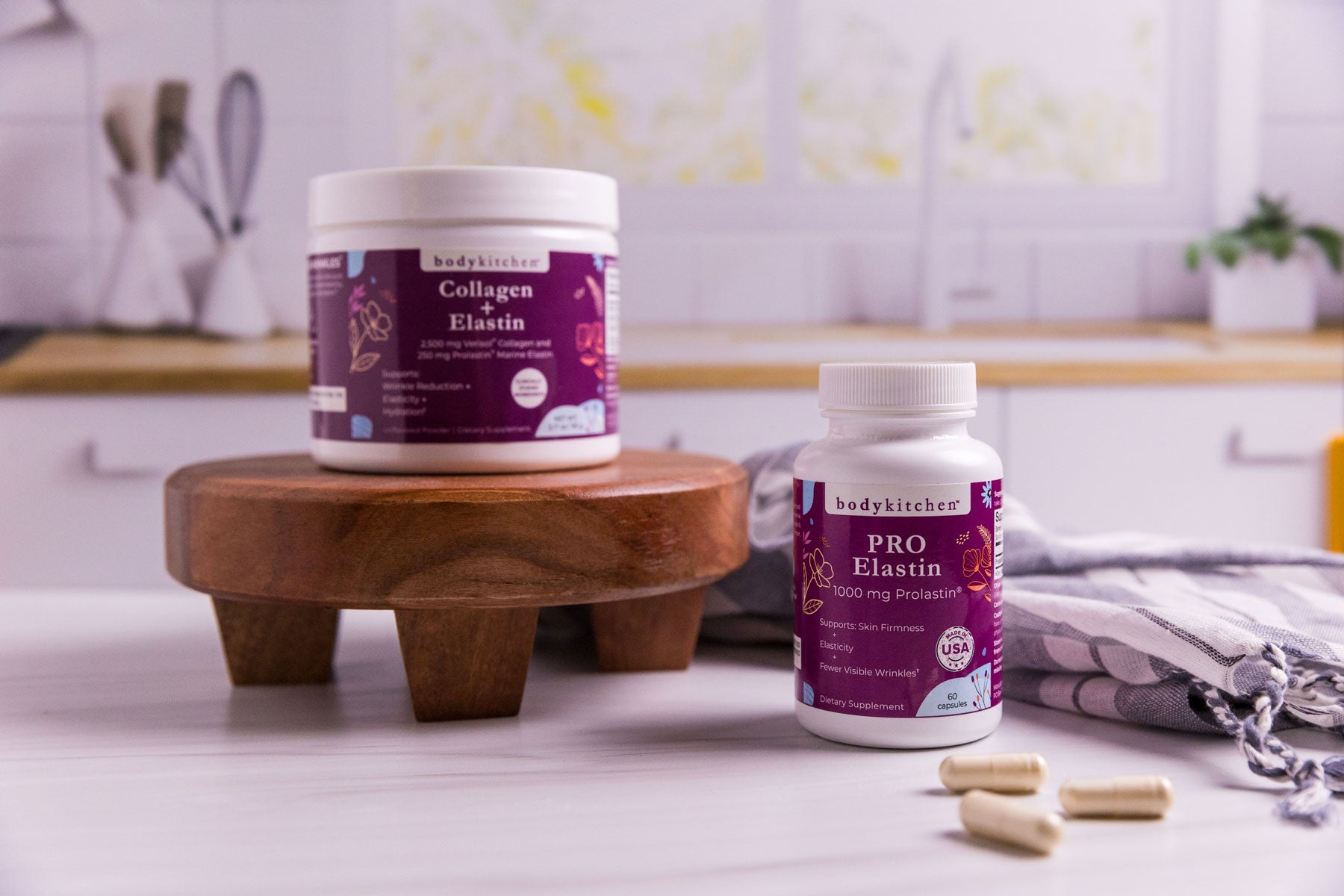
The holiday season is in full swing and you’ve been hard at work preparing to create joyous, magical memories for everyone around you. You love to see the twinkle of the lights and sparkle in their eyes, but creating these picture-perfect moments can leave you feeling burned out before the actual celebrations begin! Take time to put yourself first with a few pre-holiday stocking stuffers to boost your beauty, immune system and energy. To make it easy, we created 5 Healthy Holidays bundles that are absolutely unmissable, because they offer Body Kitchen’s best pricing on an assortment of Body Kitchen products. It’s like Black Friday all month long! #1 Top Sellers Bundle (SAVE 43%) Regular price: $69.90 Holiday price: $39.95 Get two of Body Kitchen’s most popular formulas at seriously discounted prices. Youthful Beauty collagen powder was featured on the Rachael Ray Show for its cutting-edge approach to skin rejuvenation. Revive your skin with this blend of grass-fed and marine collagen, fruit antioxidants and moisture-locking hyaluronic acid. Mega NAC is our powerful “toxin trapper” that supports natural the body’s natural cleansing process and respiratory health. It combines N-acetyl cysteine and quercetin with black pepper extract for optimal absorption. #2 Premium Beauty Bundle (SAVE 40%) Regular price: $74.90 Holiday price: $44.95 If there’s ever a time to stock up on our two targeted skin and hair boosters, this is it! Get what you need for the season and beyond. Collagen Enrich is luxe skincare in a capsule with high-quality collagen, hyaluronic acid, silica and antioxidants to fight the formation of wrinkles and hydrate skin at the surface for a smoother appearance. Keratin Enrich supports hair growth and helps minimize excess shedding with clinically backed keratin protein, antioxidants and a family of B-vitamins including biotin. #3 Beauty Essentials Bundle (SAVE 43%) Regular price: $104.85 Holiday price: $59.95 Snag a trio of head-to-to beauty favorites for a song with once-a-year bundle pricing. Pro-Elastin provides optimal support aging skin with a proprietary marine ingredient shown to enhance elasticity, smooth out lines and wrinkles, and reinforce skin’s spring-like fibers. Peptide Fortified Hair Skin Nails is our unique, age-fighting formula that supplies a multitude of skincare ingredients, including collagen, vitamin C, hyaluronic acid and phytoceramides to support younger-looking skin while supporting strong, healthy-growing hair and nails. Original Body Boost is everything but original, with its complete combination of collagen and protein that supports skin radiance, hair growth, joint health and lean muscle mass. #4 Immune Bundle (SAVE 42%) Regular price: $39.90 Holiday price: $24.95 Enjoy big savings and big rewards – like knowing your natural defenses are in tip-top shape all winter long. Nordic-Elder Shield delivers the immune-boosting power of pure, concentrated black elderberry extract from Norway without the sweet syrup or unnecessary sugar intake. Mega NAC supports healthy lung and respiratory function, and helps boost levels of glutathione, the body’s master protector against unhealthy threats. Includes the powerful antioxidant, quercetin, to fight free radicals. #5 Daily Essentials Bundle (SAVE 42%) Regular price: $51.90 Holiday price: $32.95 Find your happy place amidst the holiday hustle and bustle with proven, mood-enhancing vitamins and minerals. Unwind magnesium powder helps you manage holiday stress by calming your mind and muscles. It also improves sleep quality to help you wake up feeling refreshed and naturally energized. Vitamin D+K2 supplies a daily dose of the sunshine vitamin to support a balanced mood, promote bone strength and a healthy immune system. Plus, synergistic vitamin K2 optimizes distribution of vitamin D and other nutrients throughout the body.