Blog


What You Should Know About Holiday Heart Stress
The holidays bring a merry mixture of emotions – the joy of twinkling lights and light festivals, guilt over eating way too much, the thrill of a great gift deal, annoyance with an overserved guest, tension from strained family dynamics, and the stress of balancing it all. This ebb and flow lasts weeks, which is why many celebrants describe having a love-hate relationship with the holidays. Not only can the pressure of the holidays stress your mind, but also your heart. According to an American Heart Association study, the risk of having a serious cardiovascular event spikes in December and January, specifically between December 25 and January 7. * Why the holidays are hard on your heart Your cardiovascular system consists of your heart muscle, blood, and blood vessels in various sizes, all working together to transport oxygen and nutrients to every corner of your body and to carry away waste. And it functions best when in balance… which the holidays can disturb in several ways: Stress overload There’s a lot of pressure to create postcard-perfect holidays for ourselves and loved ones. Of course, making the dream a reality also means a long to-do list that rivals Santa’s, and not a lot of time to get through it all. From the small things that nobody sees, like finding time to clean the house, to the big things that everyone sees, like food and centerpieces. And what if you live in a place where winter dumps a pile of snow that must be cleared? Without a moment to spare, it’s easy to see why many people feel overloaded with stress instead of cheer. Between November and January, nearly 50% of U.S. adults describe their stress levels as “moderate” at best. * Heightened levels of stress can place you in a state of ‘fight or flight’, sending your stress hormones and blood pressure rising. This is fine for short periods, but when sustained, can be taxing on your cardiovascular system. When you feel your stress levels rise, just breathe… but deeply, and for a 90-second stretch. This replaces shallow stress breaths with calming “rest and restore” breaths. Financial hardship Many households with already-tight finances are feeling their budgets squeezed during the holidays, creating a sense of anxiety for an alarming 9 out of 10 people. * And when tensions are already running high, the burden of a magical but costly holiday season can further elevate stress levels. There are many known risk factors associated with cardiovascular problems, but financial stress is an unrecognized contributor that needs more attention, especially within certain communities that are disproportionately affected. * To limit the strain on your wallet, don’t shop until you set a budget for holiday spending and brainstorm gift ideas for the people on your list to help you comparison shop before you buy. It’s okay to limit the list to immediate loved ones. Good at baking? Prepare a delicious bread loaf, such as banana or zucchini bread, for friends, neighbors and co-workers. Remember, the thought really is what counts and the made-with-love gesture will make them feel appreciated. Too much food and booze Food makes the feast, and there’s no shortage of feasting during the holidays. It may feel impossible to resist the variety of options that are presented at parties and mealtimes, and the temptation to try it all is too great, as is to have ‘one more drink’. Between the overload of sugary desserts, fatty and salty foods, and alcohol that surrounds us during the holidays, your blood-sugar levels, cholesterol, and blood pressure can suffer. The good news is that you don’t need willpower when you go to a holiday party with a healthy mindset. Choose a couple of irresistible items in which to indulge, limit their portions, and fill the rest of your plate with veggies and lighter fare for guiltless eating. Limiting alcohol consumption is also wise, because excessive drinking is taxing on your heart muscles and wears down your willpower to avoid bad-for-you foods even further. What to gift for your heart this holiday season While the holidays can be both a happy and hectic time of year, achieving balanced blood pressure levels is a healthy holiday goal. According to the American Heart Association, high blood pressure is a leading risk factor for serious cardiovascular events, as well as other health issues related to vision, brain and kidney function, and sexual dysfunction for both men and women. * The good news is that by starting now, you can have healthier blood pressure for the holidays. Significantly reducing your sodium intake alone can help balance your levels in just two weeks * And by filling your plate with more plant-based options and fewer foods with saturated or trans-saturated fat, and adding stress-reducing techniques such as walking, yoga and breathwork, you can enjoy balanced blood pressure by spring. Need help? Try Blood Pressure Balance, our powerful superfood formula backed by patented, clinically validated ingredients. The complementary compounds from whole pomegranate and winery grapes work together to support healthy blood vessels and vascular tissue for balanced blood pressure. Plus, heart-healthy magnesium supports muscle function.

Indulge AND Stay Balanced This Holiday? Yes, It’s Possible!
Holiday excitement awaits as we prepare to open our homes, hearts and kitchens to those we love and cherish. No matter your preference for a secular, spiritual, cultural or religious celebration, December is meant for meaningful traditions and holiday fun, all of which involve some measure of preparation, decorations, and of course, cooking and baking. The calendar is consumed with everything from casual get-togethers to work parties, all culminating in a glorious day of celebration. It’s no surprise that cheer-tracking polls consistently show December holidays are the happiest days of the year! While the season of giving brings much joy and merriment, it doesn’t come without work: the inescapable buzz of activity is also filled with stress that can drain energy and joy. And with the majority of Americans celebrating the holidays in special ways, it adds up to a lot of stressed-out revelers trying to make it to the New Year! In this season of extremes, it doesn't take much to fall out of synch with healthy habits. We are ‘so good’ through Thanksgiving – the official holiday season kickoff – then suddenly flip the switch to holiday mode… eating and drinking too much… not sleeping enough… stressing about making everything just right. In doing so, we commemorate joy and happiness by exhausting them… then recommit to healthy habits in the form of a New Year’s Resolution. Have Your (Fruit) Cake and Eat It Too: Tips for Finding Balance This Holiday Is it possible to indulge, have fun AND stay balanced without paying the price? Yes, you can with these helpful tips: Make every indulgence count It’s common to share a love-hate relationship with the sweet treats of the holidays, but it doesn’t have to be like this. A simple fix is to make it about enjoying the experience, creating memories and starting new traditions, not about food and self-control. Bring your loved ones together to create a recipe passed down in your family, or from a culture you are wanting to learn more about, and make it from scratch together. Don’t abandon healthy eating completely Balance during the holidays starts with balanced year-round nutrition to support your energy, mental health, nerve function, immune system, and much more – all of which permit soundness and resilience during this time of year. In fact, you may find that by staying true to the healthy foods and habits (like eating to satisfaction, not fullness) that make you feel good during other times of the year, it’s easier to resist a second helping of apple pie. Healthy eating patterns are connected to a longer lifespan and reduced risk of serious health problems.* But a day or even a few days of indulging in gleefully naughty, festive foods is nothing to feel guilty about. Make a “cheat” meal The concept of a “cheat day” to guiltlessly give into temptations is nothing new. But there’s a different kind of cheat meal that can help you stay grounded and sane during the holidays when you’re tight on time. Perfect for busy days, cold and lazy mornings, or when you have a house full of overnight guests, our delicious Spiced Tahini and Fig Overnight Oats recipe can be made ahead of time to save you time. It’s loaded with fiber to satisfy hunger and curb cravings, and features our Youthful Beauty Advanced Collagen Powder to support a healthy glow inside and out all winter long. Stay uplifted The holidays may feel like a thrill ride, but cooling temperatures and decreasing sunlight exposure can compromise your mood, which is profoundly affected by vitamin D. It’s no wonder why many health experts recommend boosting vitamin D intake, particularly if you live in a cold weather climate or are older, to avoid vitamin D deficiency.* The list of foods rich in vitamin D is music to a dairy lover’s ears, with milk, yogurt and cheese topping the list, as well as fortified foods, such as cereal. Vitamin D is also naturally occurring in fatty fish, including tuna and salmon Fear not, vegans: your favorite plant milk is likely fortified with vitamin D. For a high-quality supplement option, try our Vitamin D + K2 with plant-based nutrients that are easy to absorb and remain active in the body longer than other forms. Don’t stress-out your immune system Our immune systems are notoriously vulnerable to bugs and viruses over the winter months, and prolonged stress can spike cortisol levels and wear-down your natural defenses. To avoid sitting out holiday festivities, fortify your immune system with higher-than-usual amounts of vitamin C, a powerful immunity boosting nutrient, antioxidant and cofactor for many other processes in the body, including collagen production and iron absorption. Eating plenty of fruits and vegetables regularly supplies adequate levels of vitamin C. But to boost your intake to cold and flu season-ready levels, here’s an insider tip: our powerful Vitamin C Shield boosts absorption by 120%,so less is wasted. Rather than drain ourselves this year, let’s resolve to look and feel our best over the holidays… and still have fun doing it!

How Bacopa Monnieri Can Support Brain Function
Bacopa monnieri (also known as Brahmi, water hyssop, Indian pennywort, herb of grace, and several other names) is a perennial herb that has been part of the ancient Indian medicinal system of Ayurveda for hundreds of years. Specifically, it has been used to improve learning, memory, and agitation, as well as to treat epilepsy. Within the system of Ayurveda, Bacopa is categorized as a type of “Medhya rasayana,” which are a group of medicinal plants with benefits for cognition and memory. It may offer significant benefits for the brain’s health and function, including potentially increasing levels of brain chemicals that are important for learning, memory, thinking, and other cognitive processes. At times, it has been used to address brain-related conditions such as attention deficit-hyperactivity disorder (ADHD), Alzheimer’s disease, and anxiety, among other issues. In the last few years, scientific studies have found that Bacopa’s numerous benefits for the brain may be due to the fact that it contains phytochemicals called “bacosides,” which are specific chemicals derived from this medicinal plant. It’s possible that these bacosides may contribute to its benefits for the health of the brain, including memory, reduced anxiety, focus (including reduced ADHD symptoms), and protecting against neurological diseases. Benefits of Bacopa Monnieri for Brain Function Bacopa monnieri’s potential benefits for brain function are significant, ranging from enhancement of memory and focus to reductions in anxiety and neuroprotective effects. Here are some of the most significant benefits: Memory Enhancement Supplementing with Bacopa monnieri is believed to improve memory, although additional research will be required to confirm this benefit. In a high quality (i.e., double blind, placebo controlled) study of healthy adults, taking Bacopa was found to improve memory as well as related metrics such as learning rate and visual processing rate. In elderly adults, a study found that using Bacopa extract on a daily basis increased their memory capacity, in addition to their ability to process new information. Although animal studies are less convincing than those performed via humans, it is worth mentioning that Bacopa has had memory enhancement effects in rats and improved their spatial learning ability. This is attributable to the fact that Bacopa caused rats’ dendrites, which are brain nerve cells involved in memory, to grow longer. Anxiety Reduction Bacopa monnieri may help to lower cortisol, a key stress hormone, and thereby reduce chronic anxiety levels. Research on Bacopa in rats has found that it is similarly effective for anxiety to lorazepam, thought to be one of the more effective anti-anxiety drugs in the benzodiazepine class. However, human studies of its effects on anxiety have had mixed results. For instance, one human study showed that Bacopa reduced anxiety after four weeks, but another study in humans did not find this same effect. Focus and Attention Because Bacopa monnieri may help to improve focus and attention, it is believed to have the ability to reduce symptoms of ADHD. One study spanning six months found that more than four in five children taking Bacopa experienced fewer symptoms such as hyperactivity, impulsivity, and other features of ADHD. These studies also commonly find that Bacopa is typically well-tolerated in most people (only 2.3 percent of all study participants reported mild side effects from Bacopa). More research using high-quality, standardized trial designs will be needed to confirm that Bacopa may be beneficial for ADHD. Neuroprotection Bacopa monnieri commonly contains high concentrations of antioxidants, which are natural compounds that may neutralize free radicals throughout the body. Free radicals are thought to be highly damaging and may lead to serious conditions such as heart disease, diabetes, and cancer, among many other diseases and chronic illnesses. Consuming high levels of antioxidants, such as those found in Bacopa, may lower the risk of developing these conditions. These high levels of antioxidants, which are specifically known as bacosides in the case of Bacopa monnieri, mean that it may offer potentially significant benefits for neurological health. These potent bacosides may neutralize free radicals to prevent lipid peroxidation, which is a process in which free radicals react with fat molecules. Lipid peroxidation in the brain may increase the risk of Alzheimer’s and Parkinson’s disease. Thus, reducing this process may reduce the risk of becoming affected by these neurological diseases. Potential Side Effects and Precautions Although Bacopa monnieri is thought to be safe for the majority of healthy people, there are some common side effects of Bacopa to be aware of, most of which impact the digestive system: nausea, stomach discomfort, abdominal cramping, and diarrhea. Fatigue and dry mouth are other common side effects of this herb. There is also some evidence showing that Bacopa can slow the heart rate (risky for those who already have slow heart rates), slow intestinal transit, increase stomach and intestinal secretions to potentially worsen ulcers, increase thyroid hormone levels, and increase the risk of urinary obstructions. Certain groups should also take special precautions with regard to Bacopa. For instance, its use has not been researched in women who are pregnant or lactating, so it is advised not to use it in these instances. In addition, Bacopa has the potential to interact with certain medications, including fluoxetine, amitriptyline, and medications used to treat Alzheimer’s and glaucoma. How to Incorporate Bacopa into Your Routine: Bacopa Monnieri Supplements The easiest way to incorporate Bacopa monnieri into your daily routine is by taking it in supplement form. Typically available as a powder or a capsule, whether alone or as part of a brain health supplement containing other ingredients as well, the standard dosage for these supplements is commonly about 300 to 450 mg of Bacopa monnieri per day. Although there are many supplements that incorporate Bacopa, the best supplement for brain health on the market is Body Kitchen Total Brain, which combines Bacopa with several other potent herbal extracts to potentially maximize its beneficial cognitive and neurological effects. The Best Brain Health Supplement: Body Kitchen Total Brain Taking just two capsules of Body Kitchen Total Brain per day provides the following: Synapsa® (320 mg): Studies show that this patented form of Bacopa extract can help make working memory up to four times better in comparison to placebo. This supplement has a total of six clinical studies backing up its positive effects for memory, focus, and clarity. Brainberry® (65 mg): This extract of Aronia berry contains highly beneficial anthocyanins (phytochemicals that can support the health of the brain and eyes) and has even been shown to improve hand-eye coordination in six weeks. CognatiQ® (100 mg): Derived from the highest-quality whole-fruit coffee cherries, taking this quantity of CognatiQ® daily is another source of polyphenols that may help to stimulate learning-associated brain activity by 143 percent, according to studies of the compound. There is a reason that these ingredients have been used in traditional forms of medicine such as Ayurveda, for hundreds of years: they have the potential to significantly improve memory, cognitive processing, focus, creativity, productivity, and the health of the brain and the eyes, among other positive effects. Speak to a Medical Professional Before Adding a New Supplement to Your Regimen Anytime you plan to add a new supplement into your daily routine, including Body Kitchen’s Total Brain, make sure to speak with your doctor to make sure that it is a beneficial choice for your overall health. In particular, it is crucial to rule out any significant interactions between the herbal ingredients in Total Brain and your current medications or health conditions.

Anti-Inflammatory and Antioxidant Properties of Artichoke Extract
Artichokes (Cynara cardunculus var. scolymus) are a delicious plant that also happens to offer some considerable health benefits. Artichokes are a type of thistle that typically comes from the Mediterranean areas and has been used for hundreds of years as part of traditional herbal medicine. Some of the purported health benefits of consuming artichokes and their derivatives, such as artichoke extract, may include better blood sugar control as well as a healthier digestive system, heart, and liver. What Is Artichoke Extract? Artichoke extract is an herbal supplement that’s made from the leaf, stem, and/or root of the artichoke plant. It is thought to contain high concentrations of numerous potentially beneficial compounds: chlorogenic acid, cynarin, caffeic acid, rutin, quercetin, silymarin, gallic acid, and flavonoids. All of these compounds can offer antioxidant properties, which means that they may negate the effects of damaging free radicals throughout the body that can otherwise contribute to potentially severe chronic illnesses such as diabetes, cancer, and heart disease, among many others. Since artichoke extracts may contain much higher concentrations of these antioxidant and health-promoting compounds than the artichoke plants from which they are derived, taking artichoke extract as a supplement may make it significantly easier to experience these plants’ potential health benefits than simply eating whole artichokes. Benefits of Artichoke Extract Potential health benefits of ingesting artichoke are numerous. In addition to the impressive nutritional content of artichokes, benefits of artichoke extract may include improving the health of the liver and digestive system as well as more general anti-inflammatory and antioxidant effects. However, further research is required to better understand the full extent of these benefits. Liver Health Benefits Artichoke leaf extract in particular may have hepatoprotective properties, which means that it can protect the liver against damage. It may also encourage new liver tissue growth by helping the liver cells regenerate, and it may also increase bile production to support the liver’s detoxifying functions. In a high-quality (i.e., double-blind, randomized controlled) study of 90 people with non-alcoholic fatty liver disease, taking 600 mg of artichoke leaf extract every day for two months was found to benefit liver function. Supplementing with artichoke may also help to lower the elevation of liver enzymes, which is often associated with liver damage. Artichoke Extract for Your Well-Being Artichoke extract is a promising supplement for those looking to support their liver health, digestive system, and overall well-being, thanks to its rich concentration of antioxidants and health-promoting compounds. While research continues to uncover its full potential, incorporating artichoke extract into your wellness routine may be a convenient way to experience the benefits of this ancient plant. Always consult with a healthcare professional before starting any new supplement to ensure it’s right for your individual health needs.

Vitamin and Mineral Deficiencies in Women
Why the Modern Food Supply Lacks Nutrients On average, the modern food supply has a significantly lower nutritional content than it did even as recently as the middle of the 20th century. From 1950 to 2004, the key nutrient content of 43 different crops had fallen by as much as 38 percent. More specifically, on average, across all 43 of these vegetables, their calcium content decreased by 16 percent, their iron content dropped by 15 percent, and their phosphorus content fell by 9 percent. They also experienced major declines in levels of ascorbic acid (AKA vitamin C) and riboflavin (or vitamin B2), and even faced some declines in their protein content. Similarly, the mineral content of wheat has also decreased over the last 160 years, with significantly lower concentrations of iron, zinc, copper, and magnesium. In addition, it is likely that our crops’ concentration of nutrients, such as magnesium, zinc, vitamin B6, and vitamin E has also declined, but they were not being studied in 1950 and so there is a lack of data for comparison. Research is still ongoing to better understand why exactly this alarming decrease in the nutritional content of our food supply has occurred. However, there are some promising theories explaining this change. The first reason is soil depletion related to the industrialization of agriculture. Modern, intensive agriculture tends to strip the nutrients from the soil, leaving it with less nutritional content for the plants that grow in it. Breeding larger, higher-yield, pest-resistant, faster-growing varieties of crops has also increased the number of calories that a single plant can provide in a short period of time, but their nutritional content has not kept up with these changes. As Donald Davis, the expert researcher who conducted the aforementioned study of crops’ nutritional content, puts it: “Efforts to breed new varieties of crops that provide greater yield, pest resistance and climate adaptability have allowed crops to grow bigger and more rapidly, but their ability to manufacture or uptake nutrients has not kept pace with their rapid growth.” About Nutrient Deficiencies in Women Since our soil is less healthy and our food is less nutritious, we are more prone to deficiencies of important vitamins and minerals. This is why it is particularly important for women to make a point of ensuring that they are getting enough of the most important nutrients for health and overall wellness: iron, calcium, vitamin D, folate, vitamin B12, and magnesium. Since American women are especially prone to deficiencies of these key nutrients, it is crucial to focus on getting enough of these vitamins in one’s diet. It may also be necessary to take supplements, if advised to do so by a medical professional, to bridge the gap between nutrient needs and intake and to potentially address any deficiencies that could be impeding optimal health. Common Vitamin and Mineral Deficiencies in Women These are the most common mineral and vitamin deficiencies in women: Iron Among women, one of the most common nutrient deficiencies is iron. Since pre-menopausal women menstruate on a monthly basis, they lose blood every month, and with it, their body’s iron stores can decrease significantly. Those who are prone to heavy menstrual bleeding are even more likely to experience iron deficiency and should be careful to ensure that they are consuming plenty of iron. An iron deficiency may lead to anemia, which is a low red blood cell count. This issue may also result in a host of debilitating symptoms, including severe fatigue, breathlessness, dizziness, brittleness, and tongue swelling and soreness. It is thought that women between the ages of 19 and 50 should get about 18 mg of iron per day. Pregnant women’s iron needs are even higher, reaching 27 mg daily, while women above the age of 50 only need about 8 mg per day. Some of the best food sources of iron may include fortified breakfast cereals, oysters, white beans, beef liver, lentils, spinach, tofu, and chocolate. For those who cannot meet their iron needs through diet alone, especially those who are already deficient in iron or even anemic, an iron supplement may also be helpful. Calcium Calcium is thought to be yet another essential mineral that many women don’t get enough of. This is particularly alarming because it may lead to low bone density (also known as osteoporosis), especially as women age, which can also lead to bone fractures with even mild stress. In its initial stages, osteoporosis typically has minimal symptoms, but over time, severe osteoporosis may cause severe pain and disability as bones break easily and cannot heal properly. To avoid this, women who are aged 50 and under should shoot for 1,000 mg of calcium per day, and women 51 and older should aim to consume 1,200 mg of calcium daily. Some of the best sources of calcium in the diet include dairy products and leafy green vegetables. Vitamin D Vitamin D deficiency in women is a grave concern. Although we may get vitamin D through sun exposure, many of us do not get enough sun to produce adequate quantities of this nutrient. Because vitamin D is thought to be crucial for calcium absorption, a lack of vitamin D may contribute to bone density issues, just as a lack of calcium can do. Vitamin D deficiency may also increase risk of depression, obesity, and type 2 diabetes, and for pregnant women, rickets (bone softening) in their babies. Symptoms of vitamin D deficiency can include fatigue, muscle and bone pain, a tingling sensation in hands and feet, and muscle weakness in the upper arms and thighs. There are relatively few foods that naturally contain vitamin D, but fatty fish, such as salmon, tuna, mackerel, and trout are commonly considered to be one of the best sources of this nutrient. Many foods in the American diet are also fortified with vitamin D, including cow’s milk, plant milks, and some breakfast cereals. Folate (Vitamin B9) Folate is known as crucial for functions such as producing DNA and new red blood cells. Maintaining healthy folate levels is especially important for those who are planning to conceive, as a lack of folate may result in birth defects called neural tube defects (e.g., spina bifida). Folate deficiency does not typically cause noticeable symptoms, but it may contribute to premature gray hair, fatigue, mouth sores and tongue swelling, and problems with normal growth. However, folate deficiency may also contribute to anemia, which has more noticeable symptoms: fatigue, shortness of breath, pale skin, and irritability. Some of the best sources of folate include spinach, liver, brussels sprouts, and asparagus, as well as fortified grain products (the U.S. government requires that folic acid, a form of folate, be added to certain grain products). Vitamin B12 B12 deficiency is another issue to look out for, especially for vegetarians and vegans, as many as 80 to 90 percent of whom may not have enough of this vitamin. In addition, since it may become more difficult for the body to absorb vitamin B12 as we age, more than one in five older adults may also have a vitamin B12 deficiency. A lack of B12 may result in megaloblastic anemia when the red blood cells become enlarged. It may also cause harm to brain function as well as elevated levels of homocysteine, which may contribute to the development of diseases such as heart disease and stroke. Some of the best dietary sources of B12 include animal products, such as animal liver and kidneys, clams, sardines, dairy products, and beef, but it can also be found in fortified nutritional yeast and cereals as well. Magnesium Magnesium is considered to be absolutely essential, as it is part of more than 300 enzyme reactions throughout the human body and is an important contributor to the structure of the teeth and bones. Unfortunately, magnesium deficiency is incredibly common, with almost 70 percent of U.S. adults under 70 years old and 80 percent of those over 71 years old getting less than the minimum daily intake. A lack of magnesium may be associated with health conditions such as type 2 diabetes, obesity, heart disease, high blood pressure, and osteoporosis. Some of the best sources of magnesium include pumpkin seeds, chia seeds, almonds, spinach, soymilk, beans, and many fortified foods such as breakfast cereals.

Folate Supplementation, Pregnancy and Fetal Development
The Importance of Folate in Fetal Development Getting plenty of folate (also known as vitamin B9 or Pteroylglutamic acid) is thought to be essential for pregnant women, both before and after conception. This is due to the fact that folate (the naturally occurring form of the vitamin that’s commonly found in food) is absolutely crucial for fetal development whereas the body requires a high folate intake to support the process of pregnancy. For this reason, medical professionals advise that women who are planning to conceive should supplement with folic acid (the synthetic version that’s commonly added to supplements and fortified foods). In fact, supplementing with folic acid prior to conception and during the first trimester is estimated to reduce the fetus’s risk of developing neural tube defects, a category of sometimes serious or even fatal birth defects, by 40 to 80 percent. For this same reason, since 1998, the United States government has mandated that certain standardized foods (e.g., wheat flour) must be fortified with folic acid to reduce instances of folate deficiency that often results in birth defects. Potential Risks of Folate Deficiency in Pregnancy Folate deficiency is one of the most harmful nutrient deficiencies for pregnant women and their developing fetuses. A folate deficiency is thought to have the ability to cause several pregnancy complications that can be severe. Since folate is essential for the natural development of the neural tube, a lack of folate before and during pregnancy may result in birth defects known as neural tube defects. These defects can include anencephaly, when a baby is born with missing parts of the brain and skull, and spina bifida, which involves incomplete development of the spine, and can range from quite mild and asymptomatic to severe and causing significant nerve damage. Being folate deficient while pregnant may also raise the risk of developing placental abruption, which occurs when the placenta separates from the uterus, as well as possibly prompting premature birth and low birth weight. Some studies suggest that folate deficiency during pregnancy may also increase the risk of autism. Recommended Folate Intake During Pregnancy While the daily recommended dose of folic acid for most adults is 400 micrograms, adult women who are planning to get pregnant or believe they may get pregnant should most likely consume 400 to 1,000 micrograms of folic acid per day from foods and supplements. It is also thought that breastfeeding women should also make sure to get plenty of folate, at similar doses per day. When to Start Folate Supplementation For those who are planning to get pregnant, it is essential to begin supplementing with folic acid not only during the first trimester of pregnancy, but also before getting pregnant. Research shows that the risk of neural tube defects is much lower for mothers who supplement with folic acid starting one month before conception and continue to do so for two to three months following conception. This is thought to be since folate and folic acid may only do its job to prevent birth defects during the first few weeks of pregnancy, after which point it may be too late to reverse many of the negative effects of folate deficiency. More specifically, as the fetus develops, the neural tube (which eventually becomes the brain and spinal cord) is among the first body structures to begin forming. If the pregnant mother has a folate deficiency, the neural tube may be unable to form properly, which may lead to birth defects such as spina bifida and anencephaly. Folate vs. Folic Acid Comparing the Two Compounds Although folate and folic acid are both forms of vitamin B9 and share a similar name (both come from the Latin root word “folium,” meaning leaf) these two terms refer to similar but distinct substances. Folate is a broader term, describing vitamin B9 as it occurs in nature, such as in foods such as fruits, nuts, dairy, beans, grains, liver, brewer’s yeast, sprouts, and green leafy vegetables. In the body, the digestive process may turn the majority of this folate into 5-methyltetrahydrofolate (5-MTHF), the more bioavailable version of vitamin B9 that the body may use for various functions. In contrast, folic acid is one of several distinct types of folates. Folic acid does not occur in nature, and must be synthesized by humans, so it is often described as synthetic. Other terms for this form of vitamin B9 include monopteroylglutamic acid and pteroylmonoglutamic acid. Folic acid is the type of folate that is most often found in fortified foods (e.g., wheat flour, rice, breakfast cereals, etc.) as well as vitamin supplements. Which Is Better? Although folic acid is a type of folate, folic acid metabolism in the body is less efficient than metabolism of other forms of folate. This is because folic acid is more challenging for the body to break down and utilize than other forms, such as 5-MTHF. As a result, the digestive system converts some of the folic acid that we consume into 5-MTHF, but the remainder may only be metabolized through the liver. Some people have genetic mutations that make it more difficult for their livers to transform folic acid into 5-MTHF. This means that when these people take folic acid supplements, the unconverted folic acid can build up in their bloodstreams over time and potentially increase risk of serious health conditions and diseases such as cancer. Research into the long-term effects of unmetabolized folic acid buildup is ongoing, but so far, it suggests that this state may be seriously harmful to one’s health. Although genetic differences in folic acid metabolism mean that folic acid may be more harmful for some than for others, it is thought to be reasonable to state that supplementing with a more bioavailable form of folate (e.g., 5-MTHF) would provide more benefits for most people than folic acid supplementation. 5-MTHF Folate Supplementation Although folate is found in a range of foods, it can be challenging to consume enough of this essential nutrient exclusively through diet. The folate found in food is also relatively unstable, which means that it is easily oxidized via exposure to light, heat, and metal ions, and as a result, cooking may actually make dietary folate less bioavailable. Folate supplementation may bridge the gap between daily folate needs and intake, especially for those who are pregnant. A 5-MTHF supplement is especially beneficial to pregnant women, since this form of the nutrient may be much easier for the body to break down and utilize. This is especially true for those with genetic mutations that make their bodies less able to metabolize folate efficiently. Speak to a Doctor Before Adding a Folate Supplement Taking a 5-folate supplement is thought to be safe for the majority of healthy people, but those with certain conditions should avoid supplementing with folate. For instance, folic acid supplementation should be avoided in those recovering from angioplasty, since it may contribute to narrowing of the arteries. In addition, some research shows that folic acid supplementation at 0.8 to 1 mg per day may increase cancer risk, so those with a history of cancer should not take high doses of this nutrient. Folic acid supplementation may also worsen symptoms of seizure disorders and obscure vitamin B12 deficiency, to the point that it may cause nerve damage. Folic Acid supplements may also interact with certain medications, including anticonvulsants, barbiturates, methotrexate (a medication that treats cancer, as well as other ailments), and pyrimethamine (an antimalarial drug). Since folate supplementation is not a good fit for every person’s medical situation, it is important to speak with a medical professional who is familiar with your unique medical background to confirm that it is a safe choice for your needs before beginning to take folate.

The Big Shift from Cyanocobalamin to Methylcobalamin Vitamin B12
Vitamin B12 is thought to be a crucial vitamin for day-to-day functions of the body, ranging from synthesizing DNA to producing red blood cells and maintaining optimal neurological function. This is why a lack of vitamin B12 may result in serious health problems: fatigue, weight loss, heart palpitations, infertility, digestive issues, nerve damage, and neurological symptoms such as numbness and tingling in the extremities. People who cannot meet their bodies’ need for vitamin B12 through diet alone, such as those on a vegan diet or who are unable to effectively absorb B12 from food (an especially common issue for elderly individuals), may benefit from taking vitamin B12 supplements to do so. However, there are multiple types of vitamin B12 supplements, which raises the question of which supplement is the best. Two of the most common forms of supplemental B12 are cyanocobalamin and methylcobalamin, which are similar compounds with several key differences between them. Understanding these differences and their impacts on factors such as bioavailability and particular benefits/effects, allows you to choose the best form of vitamin B12 for your needs and to understand the reason for the recent shift in popularity from cyanocobalamin to methylcobalamin. Key Differences: Cyanocobalamin vs. Methylcobalamin Beginning with the similarities between methylcobalamin vs. cyanocobalamin: the two are both made up of cobalt ions surrounded by corrin rings. But in each compound, that central cobalt ion has different ions attached to it. B12 as cyanocobalamin has a cyanide molecule attached to the cobalt ion, while methylcobalamin has a methyl group. Cyanocobalamin is synthetic, which means that it is only found in human-made supplements. Methylcobalamin is found in foods as well as supplements. The body is thought to convert cyanocobalamin into the more bioavailable forms of methylcobalamin or adenosylcobalamin. Cyanocobalamin tends to be less expensive than methylcobalamin to manufacture and purchase, making it a more cost-effective option for B12 supplementation. Absorption, Retention, and Utilization Rates In the comparison of cyanocobalamin versus methylcobalamin, the most significant difference between the two forms of B12 is the degree to which the body is able to absorb and utilize them. Many consider methylcobalamin to be the best form of B12 since the body is believed to absorb it more effectively than cyanocobalamin. One study showed that three times as much cyanocobalamin is excreted in the urine as supplemental methylcobalamin, which suggests that the latter is being utilized more effectively. Since methylcobalamin does not have to be converted to another form by the body, as cyanocobalamin does, it may be absorbed and utilized directly. This bioavailability likely explains why significantly more cyanocobalamin is excreted in the urine than methylcobalamin. Further research on the utilization rates of B12 as methylcobalamin vs. B12 as cyanocobalamin will be needed to understand which supplements are best for which individuals and particular medical situations. For instance, absorption rates may also be significantly impacted by genetic predispositions, age, and other factors unrelated to the form of B12 being ingested. Does Cyanocobalamin Contain Cyanide? According to the experts at McGill University’s Office for Science and Society, whose tagline is “Separating Sense from Nonsense,” cyanocobalamin does indeed contain some cyanide. However, they point out that even at the highest doses of B12, the quantity of cyanide that is released in the body as this form of B12 is broken down “is about 20-40 micrograms which is far less than the amount of naturally occurring cyanide to which one could be exposed by consuming flax seeds, unpasteurized almond milk, fresh apple juice or apricots.” In other words, the amount of cyanide is negligible and far below the amount that poses a risk to human health. Nevertheless, for those who would prefer to limit their exposure to even small quantities of cyanide as much as possible, a methylcobalamin supplement is preferable as a cyanide-free form of vitamin B12. Choosing the Right Methylcobalamin Supplement Here’s what to consider as you decide among various methylcobalamin supplementation options. Forms of B12: Oral and Injections Oral methylcobalamin supplements are typically available as capsules, lozenges, and various kinds of tablets. Vitamin B12 injections, by contrast, tend to use cyanocobalamin and are injected into the muscle. They may be a better choice for those with gastrointestinal issues with oral supplements. The best type of B12 for you will depend on your medical situation and particular medical needs, which is why it’s important to speak with a doctor before adding a supplement to your regimen (more on this later). Recommended B12 Dosages According to the Mayo Clinic, the recommended daily amount of vitamin B12 for adults and children over the age of 14 is 2.4 micrograms. However, they note that higher doses of B12 are likely also safe since the body excretes excess B12 in the urine. Importance of Co-Factors (e.g., Vitamin B6, Folate) Along with vitamin B6 and folic acid (a synthetic form of folate), vitamin B12 is thought to be a co-factor in homocysteine metabolism. This is why supplementing with these B vitamins may help to lower homocysteine levels. By extension, these vitamins may have an effect on homocysteine levels and also may have effects on many other aspects of health. For instance, supplementation with these three B vitamins has been proposed as a possible treatment for osteoporotic fractures, which are one of the most common causes of disability among the elderly. The Best Supplement with Methylcobalamin and Key B Vitamin Co-Factors: Body Kitchen Mega Homocysteine Consider taking advantage of the synergistic effect of methylcobalamin, vitamin B6, and folate with a supplement that combines all three in a single daily dose: Body Kitchen’s Mega Homocysteine. It is formulated to support neurological health, cardiovascular health, and much more, by helping the body to maintain ideal levels of homocysteine in the bloodstream with the optimal, evidence-based quantities of each of these three B vitamins. Vitamin B12, vitamin B6, and folate can be co-factors for essential processes in the brain, particularly the synthesis of key neurotransmitters such as dopamine, epinephrine, norepinephrine, and serotonin. Also importantly, Mega Homocysteine’s formulation provides these vitamins in their purest, most bio-available forms. This maximizes their absorption and, by extension, their overall health benefit to those who use this supplement. Speak to a Doctor Before Starting a Methylcobalamin or B Vitamin Supplement It is essential to speak with a qualified professional who is well-acquainted with your medical history and present medical circumstances before taking any supplement. This crucial step is true for the choice to begin methylcobalamin supplements as well as supplements that include a combination of B vitamins, such as Body Kitchen’s Mega Homocysteine. In particular, a doctor may be able to help ensure that these supplements have no interactions with your current medications or health conditions. For instance, methylcobalamin alone may interact with 13 medications, including metformin and medications that reduce stomach acid (e.g., omeprazole, cimetidine). It is also important to be aware of and prepared for potential methylcobalamin side effects, the most common of which include headache as well as digestive symptoms such as vomiting, diarrhea, nausea, and loss of appetite. (This is why some individuals may need to choose B12 injections as an alternative to oral supplementation.) Vitamin B6 side effects can also include headaches and digestive symptoms. Folic acid supplementation can have similar side effects, as well as additional symptoms such as confusion, irritability, and disrupted sleep.

Look & Feel Your Best This Holiday Season
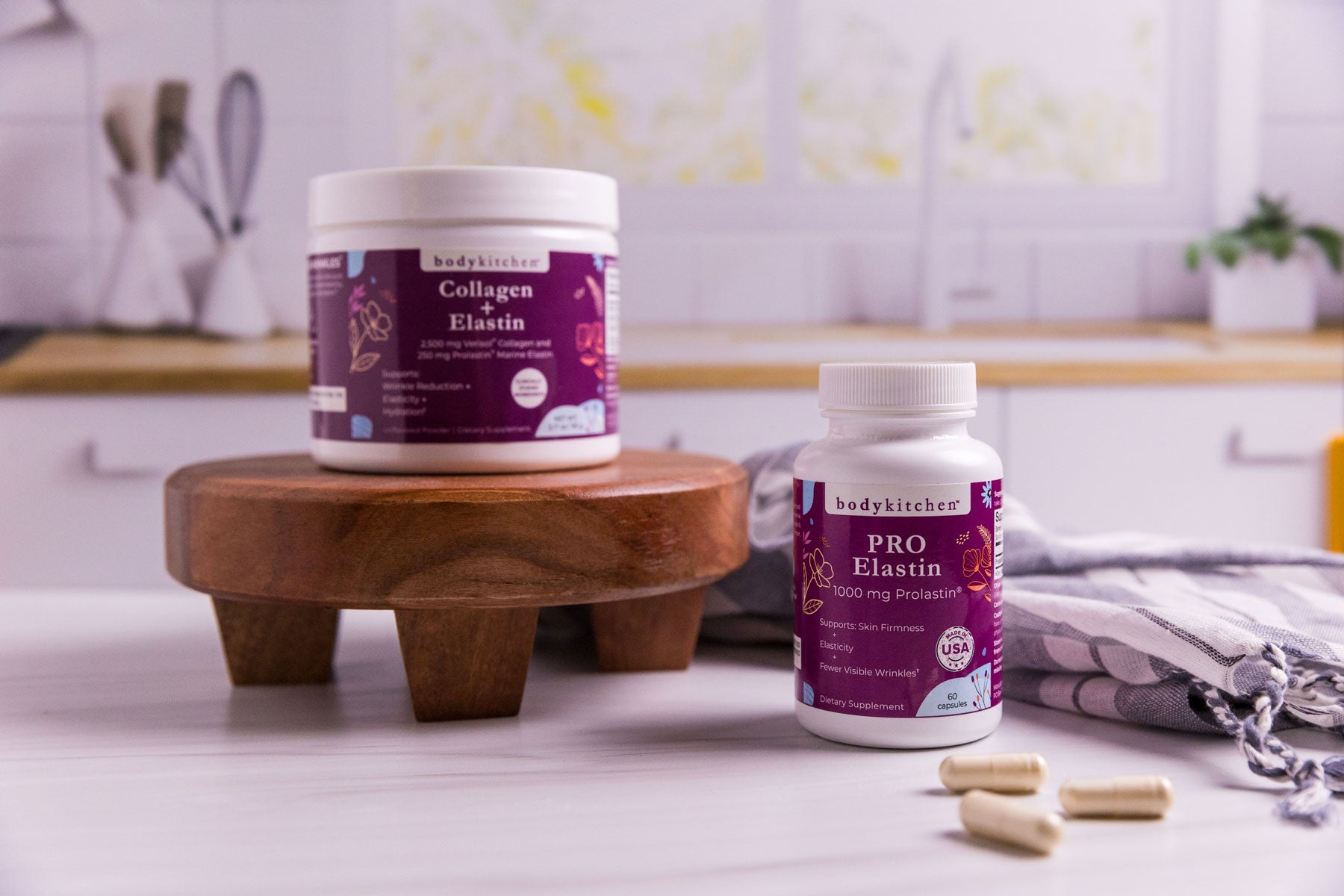
The holiday season is a busy time of year. With all the parties and gatherings taking place, you want to look your best and feel confident posing for selfies that you'll one day look back on fondly. The season is also a time for reflection, as we close out one year and start another. It's a time to set goals and consider what we can do to improve our lives and feel better about ourselves. As you practice self-care during the holidays and think about what you want to achieve in 2024, you may think more about your appearance, specifically how you can improve skin elasticity, so you can look more youthful and feel more confident. That's why this time of the year is the perfect time to discover the benefits of elastin supplements. The Secret Ingredient to Firmer Skin: Elastin Loss of firmness is a normal part of aging. As we grow older, our bodies make less of the structural proteins that give our skin its elasticity. This results in a loss of firmness that can set the stage for the development of wrinkles and sagging skin. Fortunately, it is possible to improve skin elasticity and firmness with the right approach, and elastin may be a big part of the solution. What Is Elastin? Elastin is a protein, one of the most abundant proteins in your body. It's super stretchy. You can think of it like a rubber band. As a component of your skin, it's what allows the tissue to stretch as you move and then resume its original shape. Elastin fibers are made up of flexible molecules called tropoelastin. What Is the Relationship Between Collagen and Elastin? Collagen is the main structural protein in the human body. It is the key part of the support network that gives you firm skin. Elastin fibers are located alongside collagen. They're 1,000 times stretchier than collagen, so they're a big determiner of skin elasticity. Although they're not the same thing, collagen and elastin are both made from amino acids, and they work together to support youthful-looking skin. Both elastin and collagen can become damaged due to free radicals. These reactive particles bombard you daily with pollutants and ultraviolet energy from the sun. Over time, their harmful effects combine with the natural slowing of collagen and elastin production to reduce firmness and elasticity. You see these changes reflected as sagging skin and as fine lines and wrinkles. How to Improve Skin Elasticity Naturally During the holiday season and beyond, you can promote healthier elastin and support healthy skin by following these tips: Protect Your Skin from the Sun To limit your exposure to potentially damaging UV rays, wear sunscreen every day regardless of weather conditions and of your daily plans. When you do intend to spend time outside, apply a broad-spectrum sunscreen with an SPF of at least 30 around 30 minutes before sun exposure starts. Then, reapply at least once every two hours, or more frequently, if you're swimming or sweating heavily. Improve Your Diet You are what you eat, so plan your meals and snacks with skin health in mind. Leafy greens, citrus fruits, fatty fish, nuts, and berries may help support elastin production. In addition, healthy foods like fruits, vegetables, lean proteins, and whole grains can supply you with the vitamins and minerals needed for overall health and well-being. Antioxidants found in nutrient-dense foods may also limit free radical damage. Exercise Regularly An active lifestyle isn't just for your physical health. It can also benefit your appearance. Cardiovascular exercises like walking and swimming raise your heart rate and increase circulation. This has been shown to help oxygen better reach your skin tissue, which may boost the processes that lead to the generation and regulation of skin cells. Stop Smoking If you're a smoker, make 2024 the year that you quit. Not only will you reduce your risk of serious health complications, but you can also help to preserve the elastin fibers in your skin. As you may have already heard, nicotine and other chemicals found in cigarette smoke are common sources of free radicals. Try a High-Quality Supplement High-quality supplements make it easy to reap elastin's benefits. Body Kitchen Pro-Elastin supplies 1000 mg of highly concentrated proprietary Prolastin Elastin per serving and has been shown to increase elastin production by more than 250% and collagen production by more than 100%. To help your body absorb elastin and put it to work, the supplement is produced through an advanced enzymatic hydrolysis process. Each serving provides 22 amino acids with naturally occurring antioxidants to help protect the skin from the effects of free radicals and also help provide raw materials for structural protein manufacturing.

Besides Respiratory Health, What Else is Quercetin Good For?
Quercetin is a plant pigment that is known for being an antioxidant and anti-inflammatory, and that is particularly well known for its respiratory benefits. But these are by no means the only health benefits of quercetin. This compound, found in widely consumed veggies and fruits such as onions, kale, apples, and berries, and offers a whole host of benefits for numerous bodily systems. This article will describe ten of the most significant benefits of quercetin, from its better-known antioxidant properties and anti-inflammatory effects to its lesser-known positive effects on serious and widespread conditions such as heart disease, diabetes, and high blood pressure. Antioxidant Properties Quercetin is a flavonoid, which means that it is an antioxidant and may be able to fight back against the systemic damage that free radicals cause by neutralizing them. By reducing the body’s overall load of oxidative stress, quercetin supplementation may lower the risk of developing an array of chronic conditions such as cancer, heart disease, neurological disease, kidney disease, and more. Anti-Inflammatory Effects Another one of the better-known quercetin health benefits is the fact that it is an anti-inflammatory. Because quercetin can help to stabilize histamine-releasing cells throughout the body, it may have an anti-inflammatory as well as an antihistamine effect (more on these properties below). Cardiovascular Health Benefits Flavonoids include not only quercetin, but also resveratrol and catechins (all of which are found in red wine), are believed to lower atherosclerosis risk. This protective mechanism is not fully understood, but flavonoids are believed to protect against the damage caused by LDL cholesterol (or “bad” cholesterol), potentially lowering risk of heart disease. More studies will be needed to understand and confirm these benefits in the case of flavonoid supplements, rather than in the better-studied case of dietary flavonoid consumption. Effects of Quercetin on Blood Pressure Regulation There are numerous studies that demonstrate that one of supplemental quercetin’s benefits is lowering the blood pressure of those suffering from hypertension (high blood pressure). In particular, it has been shown to reduce systolic blood pressure (the top number in the blood pressure measurement), but not diastolic blood pressure (the bottom number). These effects may be attributable to quercetin-related reductions in oxidative stress, improvements in vascular (blood vessel) function, and impacts on the renin-angiotensin-aldosterone system (a hormonal system that is thought to regulate blood pressure and fluid balance). Cognitive Function and Neuroprotection Animal studies have shown that quercetin can improve cognitive function, which suggests that it may also reduce neuroinflammation-related damage and thereby improve brain health in humans. Unfortunately, the neuroprotective (i.e., brain-protecting) benefits of quercetin in humans have not yet been clearly demonstrated in research, but animal models are quite promising. Anti-Cancer Properties Quercetin has been demonstrated to inhibit the growth of many different kinds of cancer, including prostate, colon, lung, breast, and cervical cancers. More recent research suggests that it’s possible that quercetin could have this anti-cancer effect via two possible mechanisms: by preventing cell proliferation through apoptosis (a type of programmed cell death) and/or through cell cycle arrest (when the cell is prevented from continuing its cycle and dividing). Skin Health Benefits Quercetin skin benefits may be significant and wide ranging, with the potent compound offering protection against damage from UV radiation, histamine, and toxic chemicals. In addition, quercetin may reduce skin inflammation and restore skin barrier function while increasing skin hydration. Potential Anti-Diabetic Effects Although there is quite a bit of in-vitro (i.e., test tube) and in-vivo (i.e., in live animals) research showing that quercetin could have anti-diabetic effects, there has not been research using quercetin in human subjects with diabetes. Possible Anti-Allergic Properties Using quercetin for allergies is another potential application for this compound. Test tube studies show that quercetin blocks immune cells’ release of histamines, which suggests that it could reduce allergy symptoms. But there is not yet evidence that quercetin works against allergies in human bodies. Gut Health and Microbiome Support Quercetin could help to improve the balance of the gut microbiome by increasing populations of beneficial microbes while reducing populations of pathogens. It may also benefit intestinal health by reducing inflammation of the intestines and improving their barrier function. The Best Quercetin Supplement There are countless supplements to select among on the market, which begs the question: how do you identify the best quercetin supplements? Although it is possible to get quercetin from one’s diet, through regular consumption of flavonoid-rich fruits and vegetables, quercetin supplements can be a helpful addition to fill in any dietary gaps. The issue with selecting among all of the available products is that quercetin supplements can vary in their quality and, by extension, in their efficacy. In particular, look for a quercetin supplement that incorporates evidence-based supportive compounds that increase the bioavailability of the quercetin, maximizing the extensive health benefits described in this post. Body Kitchen’s Mega NAC + Quercetin Supplement is an example of a supplement that utilizes the synergy between quercetin and other compounds that increases its bioavailability. In addition, this supplement utilizes a mixture of the highest-quality ingredients, further maximizing the benefits of supplementing with quercetin. Along with 600 mg of quercetin dihydrate, Mega NAC + Quercetin also contains a patented form of black pepper extract called Bioperine, which has been clinically demonstrated to increase bioavailability and nutrient absorption by thirty percent or more. This means that there is more quercetin available to be used by the body, increasing the supplemental quercetin’s antioxidant properties, anti-cancer benefit, blood pressure regulation, improvements to skin health, reduction of inflammation, and other positive health effects and potential benefits. In addition to quercetin and Bioperine, Mega NAC + Quercetin incorporates 600 mg of pure N-acetyl cysteine (NAC). N-acetyl cysteine may help to increase the production of glutathione, a compound that is one of the body’s most important antioxidants. In addition, N-acetyl cysteine may also help to support the lungs during periods of respiratory stress by acting as an expectorant, which means that it helps clear mucus from the airways and thereby relieves respiratory congestion. Mega NAC + Quercetin contains a potent combination of beneficial ingredients that can promote respiratory function, support detoxification via the liver, neutralize damaging free radicals, and much more, as the list of likely health benefits above demonstrates. Speak to a Doctor Before Taking a Quercetin Supplement Quercetin is considered to be safe for the majority of people. Before adding a supplement such as quercetin to your daily regimen, it is important to speak with a qualified medical professional who is familiar with your medical situation to confirm that quercetin is an appropriate choice and will not result in any medication interactions or serious side effects. In particular, those who should not take quercetin include pregnant and breastfeeding women as well as people who suffer from kidney disease. Keep in mind that side effects of quercetin may include headache and upset stomach, and that it is recommended to take periodic breaks from taking quercetin. Prescription medications that interact with quercetin include certain antibiotics (e.g., fluoroquinolones), anticoagulants (e.g., aspirin, warfarin), chemotherapy, corticosteroids, and medications that are changed by the liver.