Blog

What is the Average Blood Pressure in the USA?
The idea of “high blood pressure,” referred to in medical terms as hypertension, has become synonymous with the idea of people losing their cool and experiencing chronic stress. The realities of human physiology do support this popular association between high blood pressure and intense negative emotions. Being consistently stressed out, which means experiencing frequent activation of the sympathetic nervous system (i.e., the “fight or flight” response), can lead to, as well as worsen, elevated blood pressure. This issue is a major public health problem, as elevated blood pressure increases one’s risk of experiencing serious health issues such as heart attack, stroke, aneurysm, kidney problems, and more. Unfortunately, rates of both chronic stress and high blood pressure are quite high in the United States, as this article will explain in greater detail. What is Considered Normal vs. Elevated Blood Pressure? American Heart Association (AHA) and American College of Cardiology (ACA) Guidelines are as follows: According to the American Heart Association (AHA) and American College of Cardiology (ACA), normal blood pressure for adults (also known as “ideal blood pressure”) is below 120/80 mm Hg. This means that a normal diastolic blood pressure is below 120 mm Hg, and a normal systolic blood pressure is below 80 mm Hg (more on what this means below). In a case of “normal” blood pressure, the top number (systolic blood pressure) is typically from 120 to 129 mm Hg, and the bottom number (diastolic blood pressure) is below 80 mm Hg. Stage 1 hypertension is a form of more severe high blood pressure in which the systolic blood pressure is 130 to 139 mm Hg and the diastolic blood pressure is 80 to 89 mm Hg. Stage 2 hypertension is defined as a systolic blood pressure of 140 mm Hg or higher and a diastolic blood pressure of 90 mm Hg or higher. Finally, the most serious form of high blood pressure is a hypertensive emergency/crisis: where systolic pressure is above 180 mm Hg and diastolic pressure above 120 mm Hg. A hypertensive crisis requires immediate emergency medical intervention. Breakdown of Systolic and Diastolic Blood Pressure The systolic blood pressure is the top number, which indicates how much pressure blood applies to the arterial walls when the heart beats. The diastolic blood pressure (the bottom number) reflects the pressure from blood pushing against the arterial walls is between heartbeats, when the heart is resting. Although much of the research on hypertension has focused on the cardiovascular issues associated with elevated systolic blood pressure, high diastolic blood pressure is also a problem; this is true even in the absence of a high systolic blood pressure. High Blood Pressure Rates in the United States Current Statistics: Since 2017, when a group of nine health professional organizations that included the AHA and the ACA updated the guidelines to lower the threshold defining high blood pressure from 140/90 to 130/80, 46 percent of all Americans had been considered to have high blood pressure. Comparison to Global Rates According to 2016 research by the NCD Risk Factor Collaboration, a billion people worldwide had high blood pressure in 2015, which is twice as many people as 40 years prior (more specifically, approximately 594 million people in 1975). Although these rates vary significantly by region, worldwide, the largest increases in high blood pressure rates during that span of time occurred in South Asia and Sub-Saharan Africa. When comparing other regions’ rates to those of the US, the blood pressure numbers are in fact quite high, and the countries with the lowest high blood pressure rates include the US, Canada, the UK, Australia, Peru, South Korea, and Singapore. Factors Influencing Blood Pressure Age Blood pressure often increases with age. One reason for this is that the arteries tend to stiffen as people get older, causing the heart to pump harder and thereby increasing systolic blood pressure. Gender More men than women suffer from high blood pressure. An estimated 50 percent of all adult men and 38 percent of adult women in the United States have high blood pressure based on the most recently updated 2017 guidelines. However, these percentages change with age, with older women being more likely to develop high blood pressure than older men. Lifestyle Certain lifestyle choices may significantly contribute to increased blood pressure. These include eating too much salt, consuming too little potassium, lack of regular exercise, excessive alcohol consumption, high stress levels, lack of high-quality sleep, and smoking cigarettes. Socioeconomic factors such as poverty, childhood trauma, and job type (e.g., working early/late shifts) may also increase high blood pressure risk. Medical Conditions There are several chronic health conditions that are thought to contribute to high blood pressure by impacting the body’s regulation of fluid, sodium, and hormone levels in the blood. These conditions include kidney disease, metabolic syndrome, thyroid problems, diabetes, and sleep apnea. Risks Associated with High Blood Pressure Having high blood pressure can increase the risk of developing a range of serious health issues, including: Cardiovascular Disease The best known and most well-understood consequences of high blood pressure are those that impact the heart. These include atherosclerosis, heart attack, heart failure, and heart disease. Stroke When high blood pressure damages the arteries, this can increase the risk that the blood vessels that supply the brain with oxygenated blood may become blocked or burst, leading to a stroke. Kidney Disease Damage to the arteries surrounding the kidneys can make it more difficult for the kidneys to filter blood as they should, contributing to kidney disease or even kidney failure. Achieving and Maintaining Healthy Blood Pressure Lifestyle Changes (Diet, Exercise, Stress Reduction) Just as certain lifestyle choices can contribute to high blood pressure, reversing those behaviors and substituting them with healthy lifestyle changes may help to lower blood pressure. This means making sure to get regular exercise, maintaining a healthy weight, eating healthy foods (i.e., reducing consumption of foods that are high in sodium and saturated fat), refraining from smoking cigarettes, limiting alcohol consumption, and getting plenty of sleep each night. Monitoring Blood Pressure Levels Since high blood pressure may have no symptoms at all, it’s important to check your blood pressure on a regular basis. Checking your pressure is a normal part of routine doctor’s appointments, but you can also check your blood pressure at a pharmacy with a digital blood pressure measurement machine, or even at home with your own blood pressure monitor. The Best Blood Pressure Support Supplement: Body Kitchen Blood Pressure Balance Consider taking a high-quality supplement that’s formulated to support the body’s ability to regulate blood pressure and overall heart health. Body Kitchen’s Blood Pressure Balance supplement fits the bill. It’s designed to not only to help support healthy blood pressure levels but also to support normal cholesterol levels, since both are important for cardiovascular wellness. Blood Pressure Balance incorporates bioavailable plant compounds in the form of patented Pomanox® pomegranate extract and MegaNatural®-BP grape seed extract. Each two-capsule dose also provides 125 mg of magnesium in the form of dimagnesium malate, which may support the body’s essential nitric oxide production while possibly helping the blood vessels to relax. Speak With a Doctor Before Taking Any Supplements Before adding any new supplement to your regimen, including Body Kitchen’s Blood Pressure balance, it’s essential to speak with a doctor to confirm that it’s a good fit for your needs and that there are no major interactions with your existing health conditions or medications. For instance, magnesium may bind to some prescription medications and prevent them from being fully absorbed.

Maple Peanut Butter Cups with Body Kitchen Collagen + Elastin
Upgrade your seasonal treats with this healthy homemade candy. Skip the highly processed peanut butter cups and the unwanted ingredients they contain. Instead, make your own! This simple recipe uses ingredients you likely already have on hand and includes Body Kitchen Collagen + Elastin Powder for added skin support. Trust us, you’ll want to have these on repeat throughout the holiday season to satisfy sweet cravings while still supporting your health and skincare goals.

15 Healthiest Fall Flavors
The glorious season of soup pots, slow cookers and casseroles is upon us and we are all for packing autumnal flavor into every mouthwatering bite. From the main course and side dishes, to desserts and hot sips—autumn has its own menu indeed! On full display is the color palette of red, orange, yellow and brown, not only in foliage, but in the in-season selection of foods and spices we look forward to most. Sure, many fall ingredients are available year-round, but they’re pure magic this time of year. Fall’s favorite flavors also happen to be loaded with nutrients that do a body good, such as fiber, vitamins, minerals and antioxidants, and in some cases, even protein and good-for-you fats. So, get to know 15 of autumn’s healthiest flavors and dish up, friend. Because with so many flavors and textures to work with, you’ll want to incorporate as many of them as you can into your weekly menu rotation. Fall’s most iconic flavors are health powerhouses Pumpkin This festive staple is not just for carving or decorating. It’s also great for roasting, baking or whipping up delectable soups and side dishes. Pumpkins are extraordinarily high in beta-carotene, a yellow-orange carotenoid that your body converts to vitamin A, making it the perfect food for skin and eyes. It’s also a good source of vitamin B2, C and E, and minerals including iron, copper, manganese and potassium. Part gourd and part melon due to its large seeds, pumpkins have low perishability, making it a practical cooking ingredient. Instead of dumping the seeds, roast them to add protein, fiber and good fat crunch to soups, salads, breads and muffins. The rich, fresh flavor will beat store-bought seeds any day! To get started, try our delicious Spiced Pumpkin Muffins packed with all the good stuff. They freeze perfectly, so make a double batch! Apple If you’re lucky enough to live in northern states in the east or west, then you know that apples—and apple-picking—are an autumn experience. Every region offers its own unique varieties that vary in sweetness and acidity to fit any recipe or taste preference. Apples are high in immune-boosting vitamin C, which is absolutely essential during the cold and flu season. Vitamin C is also a powerful antioxidant that fights free radicals, and is a co-factor in collagen production. In addition to vitamin C, apples contain potassium to support healthy muscle function and blood pressure balance, as well as pectin, a fermentable fiber that helps lower cholesterol and supports weight management by naturally suppressing appetite. Cinnamon This sweet and zesty spice comes from the dried, curled inner bark of various evergreen trees. So much more than a bakery favorite, cinnamon adds deep flavor to savory dishes, such as chili and meat stews. A sprinkle of ground cinnamon is an easy way to dress up fruit, toast, yogurt, smoothies and coffee. Cinnamon also possesses some powerful health properties. This multi-faceted spice is an antioxidant, anti-inflammatory and antimicrobial shown to help reduce the risk of cardiovascular and neurological issues. Butternut squash Roasted, mashed or pureed, this popular winter squash offers a creamy, nutty, mildly sweet flavor we look forward to every fall. It’s a perfect main dish companion and makes a tasty vegetarian alternative in ravioli. And a steaming bowl of butternut squash soup beats the chill in the air. Like pumpkin, butternut squash owes its appetizing orange-yellow color to beta-carotene, a potent plant pigment that supports healthy skin, vision and heart function. Carotenoids also have the ability to support lung and respiratory health. And, butternut squash is filled with fiber to support healthy digestion and detoxification, as well as cardiovascular health and blood sugar balance. Cranberries If your consumption of cranberries is limited to Thanksgiving dinner, it’s time to rediscover this native North American fruit. Fall is peak harvest season to collect the bright-red berries to be used in tangy products that fill your grocery aisles, from juice and canned sauce to dried fruit. A close cousin of blueberries, cranberries have a signature tartness that’s the secret to their incredible health benefits. They’re brimming with proanthocyanidins (PACs), a red-purple plant chemical that’s different in composition than those found in other fruits. Cranberry PACs have been shown to support urinary health by blocking bacteria from sticking to cells walls. Cranberries have plenty more antioxidants, such as quercetin, to support age-accelerating free radicals. Cranberries are an excellent source of vitamin C along with vitamins A, B-complex, E and K, manganese and copper, and fiber. But these five iconic flavors are only the tip of the iceberg. While they may be considered seasonal dining staples, your shopping list would be incomplete without this additional array of fall favorites: Nutmeg Contains antioxidants and other compounds that support heart heath, brain health and sleep quality. Turkey High in muscle-building protein, B-vitamins and minerals including selenium, iron phosphorus and zinc. Pears Extraordinary source of fiber, especially gut-friendly pectin, as well as copper; high in vitamin C and vitamin K. Fig Good source of bone-friendly calcium and magnesium, and blood-building iron and potassium for muscle and nerve health. Allspice Contains aromatic phenols including quercetin and gallic acid; used in home remedies for colds, period relief and congestion. Maple syrup Contains potassium and calcium, plus up to 24 age-fighting antioxidants; used topically to soothe skin and fight irritation. Yams Contains diosgenin, a compound that supports neural growth, memory and brain function. Brussels sprouts High in vitamin C and prebiotic fiber to nourish gut health, and rich in vitamin K and antioxidants. Grapes High in resveratrol to support cardiovascular and immune function. Rich source of vitamin E, insoluble fiber and melatonin. Whether you’re preparing everyday comfort foods for the family or planning your Thanksgiving feast, there’s are endless combinations for making a flavorful and nutritious November so you can kick-off your holiday season healthy and strong. Fall into savings 20% OFF our science-backed nutritional supplements to boost your immune system, skin health and everything else at bodykitchen.com!

What is Choline Good For?
What is Choline? Choline is an important nutrient that is needed for a range of essential functions throughout the body, including neurological and cognitive health, muscle control, liver health, metabolism, and formation of the membranes that surround each cell. Choline is an organic, water-soluble compound that is technically neither a mineral nor a vitamin, but that’s often grouped with the B vitamins because it’s similar in function. Compared to many other essential nutrients, the vital importance of choline was only discovered relatively recently: it was officially recognized as an essential nutrient by the Institute of Medicine (IOM) in 1998. Although the liver can produce a small amount of its own choline, the majority of choline is derived from food (or if needed, from supplementation, as discussed later in this article). Other Forms of Choline: What are the Differences Between Them? What Is Acetylcholine? Despite the similarity of the name, acetylcholine is not actually a form of choline, but is rather a neurotransmitter (i.e., a chemical messenger between neurons) that is synthesized from a combination of choline and acetyl-coenzyme A. Since choline is a precursor to acetylcholine, a lack of choline can make it impossible for the brain to produce adequate amounts of this neurotransmitter, which can potentially contribute to mood changes and neurological symptoms. What Is Choline Bitartrate? Choline bitartrate is a combination of choline and a salt of tartaric acid. Choline as choline bitartrate is much easier for the body to absorb than pure choline on its own. What Is VitaCholine®? VitaCholine® is a brand that offers choline in several chemical forms, including choline bitartrate, choline chloride, and choline dihydrogen citrate, for use in supplements. VitaCholine® benefits include product reliability as well as increased bioavailability and absorption compared to pure choline. Benefits of Choline: Why Is It So Important for Overall Health? The benefits of getting plenty of choline in one’s diet are extensive, since the compound is essential for so many day-to-day processes in virtually all systems of the body: Cognitive Function One of the most notable choline benefits is the fact that it helps to support optimal cognitive function. For instance, in an observational study of more than 2,000 adults aged 70 to 74, subjects with lower choline levels experienced worse cognitive function than those with higher levels. Lack of choline may also increase one’s risk of Alzheimer’s disease, among other harmful neurological effects. Cardiovascular Health Choline is also important for cardiovascular health, with one study of 40,000 participants showing an association between lower risk of ischemic strokes and higher consumption of choline. Liver Health This compound is also essential for liver health. As a result, those who consume diets with insufficient amounts of choline are more likely to develop liver damage and non-alcoholic fatty liver disease. Possible Benefits for Cystic Fibrosis For those with cystic fibrosis, choline supplementation may help with lung function and reduce the symptoms of fatty liver disease, but more studies on larger groups of people will be needed to confirm this benefit. Importance of Choline During Pregnancy It’s hard to overstate the importance of choline for pregnancy. During pregnancy, inadequate choline intake may increase the risk of birth defects such as brain and spinal cord problems, including spina bifida. This is because pregnancy (specifically, fetal development) requires much higher quantities of choline than most other life stages. Although the body develops the capacity to produce more of its own choline during pregnancy, the demand for choline can be so high that tissue storage of the nutrient can be depleted. This issue is also considered high risk during lactation since studies show that human milk is very high in choline. Choline Deficiency Symptoms Those suffering from the following symptoms should speak with a qualified medical professional about getting tested for a possible choline deficiency: Muscle aches Tingling due to nerve damage Cognitive problems, such as memory issues Mood changes Fatigue Liver damage, including fatty liver disease As previously mentioned, if left unresolved, a choline deficiency can also increase the risk of health issues such as heart disease, neurological conditions, muscle damage, liver disease, neural tube irregularities during pregnancy, and more. Which Foods Contain the Most Choline? Eating foods that are high in choline is the best way to ensure that the body has plenty of this important nutrient. Egg yolks are the best source of choline in the average American diet, with two eggs providing more than half of the recommended daily intake for choline. Organ meats (e.g., beef and chicken liver and kidneys) are another excellent choline source, as are fish and fish roe (eggs), shiitake mushrooms, soybeans, wheat germ, cruciferous vegetables, almonds, lima beans, kidney beans, quinoa, and many dairy products. Choline Supplementation Unfortunately, many people fail to get enough choline in their diet simply by consuming plenty of choline-rich foods, such as eggs, chicken and beef liver, and salmon. In fact, an estimated 90 percent of Americans do not get enough choline from their diets. In these cases, taking a high-quality choline supplement is thought to be a wise choice. The Best Choline Supplement: Body Kitchen Mega Choline The best choline supplement on the market is Body Kitchen Mega Choline, a valuable supplement for brain health that may also support athletic performance, help address low energy levels, and meet increased choline needs during pregnancy and lactation. Body Kitchen Mega Choline also contains artichoke (Cynara scolymus) extract, an anti-inflammatory and antioxidant, which is thought to benefit the liver and digestive health, including the possibility of regenerating liver cells. Additional health benefits of artichoke extract include improvements in lipid levels and glycemic response. Speak to a Doctor Before Taking Choline Supplements Choline supplementation is safe for most healthy individuals, and there are no known interactions between choline and foods or medications, but there are some people who should not take choline supplements. For instance, because choline can contribute to depression symptoms, those with bipolar disorder should not take choline. In addition, those who are pregnant or breastfeeding should always speak to a healthcare provider before beginning a supplement of any kind. References https://www.ncbi.nlm.nih.gov/pmc/articles/PMC2782876/ https://mhanational.org/what-acetylcholine https://www.sciencedirect.com/science/article/pii/S0165572819300852 https://www.xtend-life.com/blogs/supplement-ingredients/choline-bitartrate https://balchem.com/human-nutrition-health/products/vitacholine/ https://www.cambridge.org/core/journals/british-journal-of-nutrition/article/plasma-free-choline-betaine-and-cognitive-performance-the-hordaland-health-study/A07F06DC93C7678B188229FB072272E2 https://news.asu.edu/20230117-study-explores-effects-dietary-choline-deficiency-neurologic-systemwide-health https://link.springer.com/article/10.1007/s00394-016-1296-8 https://www.ncbi.nlm.nih.gov/pmc/articles/PMC3601486/ https://papers.ssrn.com/sol3/papers.cfm?abstract_id=3218734 https://med.stanford.edu/news/all-news/2009/08/low-choline-levels-in-pregnant-women-raise-babies-risk-for-brain-and-spinal-cord-defects-study-shows.html https://www.ncbi.nlm.nih.gov/pmc/articles/PMC2782876/ https://health.clevelandclinic.org/choline-foods https://www.medicalnewstoday.com/articles/327117#deficiency https://www.ncbi.nlm.nih.gov/pmc/articles/PMC2782876/ https://www.ncbi.nlm.nih.gov/pmc/articles/PMC6259877/ https://www.healthline.com/nutrition/foods-with-choline https://www.ars.usda.gov/northeast-area/beltsville-md-bhnrc/beltsville- human-nutrition-research-center/food-surveys-research-group/ https://pubmed.ncbi.nlm.nih.gov/26310198/

Is Folate the Same as Folic Acid?
“Folate” and “folic acid” are similar-sounding words that are often treated as synonyms, and they’re both derived from the Latin word for leaf (“folium”), but do these two terms actually describe the same compound? Read on for an overview of these related but distinct terms for the numerous forms of vitamin B9, both synthetic and naturally occurring. Comparing Folate and Folic Acid Folate and folic acid are two micronutrient categories that both fall under the umbrella of vitamin B9, but they have some key differences. What Is Folate? The name “folate” describes a whole group of similar compounds that naturally exist in foods such as dark green leafy vegetables, fruits, nuts, beans, dairy, grains, and other foods. When you consume these foods, the digestive system converts most of the folate into the biologically active form of vitamin B9, which is also known as 5-methyltetrahydrofolate (5-MTHF). What Is Folic Acid? Folic acid is a form of folate. More specifically, it is a synthetic (artificial) version of vitamin B9, also referred to as pteroylmonoglutamic acid or monopteroylglutamic acid. This form of the vitamin is commonly added to supplements, as well as to foods such as fortified breakfast cereals, rice, wheat flour, bread, and pasta. In fact, since 1998, the United States has actually required some standardized foods to be fortified with vitamin B9 to prevent the potentially serious consequences of folate deficiency, such as birth defects (more on these negative effects later in the article). Folate vs. Folic Acid Folic acid is a form of folate, but one that is not as easy for the body to process or use as many other types. While the digestive system converts most types of folate into 5-MTHF (which is the biologically active form of vitamin B9), this is not the case for all of the folic acid that one consumes, some of which must be converted to 5-MTHF by the liver. This issue may be problematic for those with genetic mutations that can cause the liver’s conversion of folic acid to 5-MTHF to be slower and less efficient. As a result of these mutations, a folic acid supplement may not be fully processed before the person takes their next dose, often leading to a buildup of unmetabolized folic acid in the bloodstream. Preliminary studies suggest that such a buildup may increase one’s risk of developing certain health conditions, such as cancer, but further research is needed to understand the potential health risks of unmetabolized folic acid. About Folate Deficiency Symptoms of Folate Deficiency Folate deficiency occurs when your blood concentration of this essential vitamin falls below the threshold that’s necessary for health and normal function. Also known as vitamin B9 deficiency, it can cause neurological symptoms such as confusion, memory loss, lack of judgment, and poor concentration; anemia symptoms such as paleness, shortness of breath, dizziness, and irritability; oral symptoms such as an inflamed tongue, diminished ability to taste, and mouth ulcers/sores; and additional systemic symptoms, such as fatigue, muscle weakness, diarrhea, loss of appetite, weight loss, and depression. Those who experience the above symptoms should be sure to contact their doctor immediately about the need for testing to check for possible folate (or other) deficiencies. Other Serious Health Consequences of Vitamin B9 Deficiency Not only can this deficiency cause an array of unpleasant symptoms, but it can also increase the risk of developing several serious medical conditions. For instance, having a B9 deficiency is associated with elevated levels of homocysteine, which can increase one’s risk of stroke and/or cardiovascular disease. A diet with insufficient amounts of folate is also associated with a greater risk of developing cancer, but some research also shows a link between higher folate levels and increased risk of prostate cancer, so further research is required to understand this relationship. For pregnant women, a lack of folate is especially concerning, with the potential to cause birth defects such as neural tube defects like spina bifida. Vitamin B9 Benefits: Why Getting Enough Folate Is So Crucial for Health Just as a deficiency of this nutrient can cause negative health effects, getting enough vitamin B9 (whether via diet, supplementation, or a combination of the two) has numerous health benefits, including normal production of new cells and robust reproductive health. During pregnancy, an adequate intake of vitamin B9 is essential for healthy development of the fetus. Because vitamin B9 needs are very high during conception and pregnancy, experts recommend folic acid supplements to meet these needs. Research backs this up, showing that folic acid supplementation before conception and in the first trimester can lower the risk of neural tube defects by 40 to 80 percent. In addition to these well-demonstrated benefits for pregnancy, vitamin B9 may also prevent or help to treat depression, improve cardiovascular health, support neurological health and cognition, slow the progression of a form of fatty liver disease called nonalcoholic steatohepatitis, and reduce hearing and vision loss related to ageing. The Best Folate Supplement: Body Kitchen Mega Folate In general, the ideal sources of folate are foods that have high quantities of the nutrient, such as dark leafy greens, avocado, beef liver, and more. However, for those who are unable to meet their folate needs via diet alone (such as during pregnancy, when folate supplementation is often recommended by experts), a folate supplement may be an important tool for supporting one’s overall health. In the search for the most beneficial, bioavailable folate supplement, look no further than Body Kitchen Mega Folate. It contains folate in the form of methylfolate, or 5-MTHF, which is significantly easier for the body to digest, metabolize, and use for essential functions than folic acid. Talk to a Medical Professional Before Adding Folate Supplements Although a folate supplement containing 5-MTHF is safe for most people, there are also some groups that should avoid taking these supplements. Before you add a folate supplement to your daily regimen, make sure to speak to a doctor to ensure that that there aren’t any likely interactions or other contraindications for folate supplements based on your unique medical situation. References: https://pubmed.ncbi.nlm.nih.gov/17912189/ https://ods.od.nih.gov/factsheets/Folate-HealthProfessional/#h3 https://www.ncbi.nlm.nih.gov/labs/pmc/articles/PMC4867132/ https://www.ncbi.nlm.nih.gov/pmc/articles/PMC3257747/ https://www.nature.com/articles/ejcn2016194 https://www.ncbi.nlm.nih.gov/pmc/articles/PMC9380836/ https://www.ncbi.nlm.nih.gov/pubmed/25733468 https://pubmed.ncbi.nlm.nih.gov/34207319/ https://my.clevelandclinic.org/health/diseases/22198-folate-deficiency https://pubmed.ncbi.nlm.nih.gov/37782175/ https://www.frontiersin.org/journals/public-health/articles/10.3389/fpubh.2020.550753/full https://www.sciencedirect.com/science/article/pii/S2211335521003089 https://www.ncbi.nlm.nih.gov/pmc/articles/PMC6413112/ https://health.clevelandclinic.org/vitamin-b9 https://health.clevelandclinic.org/vitamin-b9

Does Taking Vitamin D Help Ease Rheumatoid Arthritis Symptoms?
Vitamin D and Immune System Regulation Bo For instance, in both patients with systemic lupus erythematosus (SLE) which is also an autoimmune condition and healthy patients, vitamin D deficiency is associated with increased autoimmune response. This seems to be due to the fact that vitamin D has the ability to modulate immune cells, such as B cells, T cells, and antigen presenting cells, all of which carry vitamin D receptors. Vitamin D Deficiency Common Causes of Vitamin D Deficiency Low vitamin D levels can be caused by a number of lifestyle and medical factors, including a lack of exposure to sunlight, insufficient consumption of foods containing vitamin D (especially for those living in regions where vitamin D fortification from the sun is uncommon), medications that interfere with the body’s ability to absorb or produce its own vitamin D, as well as weight loss surgery. Additional contributors to vitamin D deficiency may include older age, conditions that cause intestinal malabsorption (such as Crohn’s disease and celiac disease), having a higher concentration of melanin in the skin (which can result in production of less vitamin D from sun exposure), and kidney and liver disease. Symptoms Associated with Vitamin D Deficiency Although most of those with a mild vitamin D deficiency may have no symptoms at all, here are the most common vitamin D deficiency symptoms: Increased pain sensitivity Muscle pain Bone pain Tingling in the hands and feet Muscle weakness in and around the trunk, including the upper arms and thighs Waddling due to hip/leg muscle weakness Broken bones Muscular tremors, spasms, and twitching In severe cases, symptoms of vitamin D deficiency may even include bowed legs (also known as rickets), particularly in children suffering from this condition while growing. The Link Between Lack of Vitamin D and Rheumatoid Arthritis Symptoms Those who have received a rheumatoid arthritis diagnosis may not be aware of the notable relationship between vitamin D and arthritis. Specifically, lack of vitamin D has been linked to an increased likelihood of developing rheumatoid arthritis. Research Findings In one study, fewer than a third of those that have been diagnosed with rheumatoid arthritis were found to have the baseline vitamin D levels needed to maintain bone health (i.e., blood levels of at least 20 nanograms of vitamin D per millileter). Although the likely link between vitamin D deficiency and rheumatoid arthritis is concerning, it may also highlight a potential opportunity for patients with this condition to manage their symptoms more effectively by increasing their intake of this vitamin. Early research is highly promising, and further research may find that vitamin D is one of the most effective supplements for rheumatoid arthritis management. One study published in the Journal of Clinical Rheumatology not only confirmed that rates of vitamin D deficiency are much higher in those with rheumatoid arthritis than that of the general population, but that this deficiency has also been associated with higher levels of chronic pain and reduced physical and mental quality of life. Similarly, another study found that supplementing with vitamin D and omega-3 may contribute to better treatment results for those in the early stages of rheumatoid arthritis. A systematic review and meta-analysis of six high-quality studies on the subject found that vitamin D supplementation seems to be an effective intervention for rheumatoid arthritis patients and is believed to do so by inhibiting levels of cytokines (which are a group of proteins that regulate the immune system and control inflammation). Sources of Vitamin D to Support Reduced Symptoms of Rheumatoid Arthritis Natural Sources of Vitamin D For those who would prefer to get their daily dose of vitamin D without supplementation, here are the best ways do so: Sunlight When the skin is exposed to UV rays, cholesterol in the skin is converted to vitamin D3. According to the National Institutes of Health, some experts commonly recommend getting between five and thirty minutes of sun exposure per day (or at least twice per week), especially between 10am and 4pm and on the face, arms, hands, and legs. However, prolonged sun exposure can also lead to skin cancer, so it’s essential to balance the two concerns and discuss your specific medical needs with your doctor. Diet A beneficial diet for rheumatoid arthritis is thought to be one that incorporates plenty of all the essential micronutrients, including vitamin D. Here are some of the best dietary sources of vitamin D: Cod liver oil Fatty fish, such as salmon, sardines, and herring (especially those that are wild-caught) Canned tuna Mushrooms (specifically those that have been exposed to UV light) Liver Egg yolks Foods that have been fortified with vitamin D, including cow’s milk, soy milk, orange juice, cereal, and oatmeal Vitamin D Supplements In addition to getting your daily dose of vitamin D from natural sources such as the sun and via your diet, vitamin D supplementation is another option to get plenty of the “sunshine vitamin.” Naturally, it’s also a go-to treatment for deficiency of vitamin D. Here’s an overview of the most vital details to know about vitamin D supplements: Types of Vitamin D Supplements: Vitamin D2 vs. Vitamin D3 The two primary categories of vitamin D supplements are those containing vitamin D2 (ergocalciferol, commonly found in plants and mushrooms) and those containing vitamin D3 (cholecalciferol, found in animal foods). These two forms are chemically similar but have differing side-chain structures, and both are absorbed well via the small intestine. However, vitamin D3 may be more effective at raising blood levels of vitamin D. Vitamin D Supplement Dosages Recommended dosages for vitamin D vary and have changed over time as research on the topic has progressed. The Mayo Clinic recommends that adults reach the recommended dietary allowance of 600 IU of vitamin D at a minimum. But they also advise that 1,000 to 2,000 IU of vitamin D per day is typically safe, can help people ensure that their blood levels of vitamin D are sufficient, and could potentially provide additional health benefits. Safety Considerations for Vitamin D Supplementation Taking more than 4000 IU of vitamin D per day for extended periods of time may be unsafe and can cause abnormally elevated blood levels of calcium. Before beginning to supplement with vitamin D (or any vitamin), it is strongly recommended to speak with a qualified medical professional to confirm that it is an appropriate choice for your unique health needs. Body Kitchen Vitamin D + K2 One of the best vitamin D supplements on the market is Body Kitchen’s Vitamin D + K2, which contains a combination of 5,000 IU of vitamin D3 and 180 mg of vitamin K2. Vitamins D and K work together to support bone strength, heart health, and other essential bodily functions. In this supplement, the two vitamins are in their most bioavailable forms: vitamin K2 as menaquinone-7 (which is biologically active in the body for longer, allowing for improved bodily distribution) derived from a patented organic synthesis of a flower extract, and vitamin D3 that is also derived from a plant-based source. References: https://ods.od.nih.gov/factsheets/VitaminD-HealthProfessional/ https://www.healthline.com/nutrition/vitamin-d2-vs-d3 https://newsnetwork.mayoclinic.org/discussion/mayo-clinic-q-and-a-how-much-vitamin-d-do-i-need/ https://ard.bmj.com/content/70/9/1569 https://www.ncbi.nlm.nih.gov/pmc/articles/PMC3166406/ https://www.ncbi.nlm.nih.gov/pmc/articles/PMC7281985/ https://my.clevelandclinic.org/health/diseases/15050-vitamin-d-vitamin-d-deficiency#symptoms-and-causes https://www.yalemedicine.org/conditions/vitamin-d-deficiency https://www.frontiersin.org/journals/medicine/articles/10.3389/fmed.2020.596007/full https://ods.od.nih.gov/factsheets/VitaminD-HealthProfessional/ https://www.healthline.com/nutrition/9-foods-high-in-vitamin-d https://www.ncbi.nlm.nih.gov/pmc/articles/PMC3539179/ https://www.arthritis.org/health-wellness/treatment/complementary-therapies/supplements-and-vitamins/vitamin-d-deficiency-debate https://journals.lww.com/jclinrheum/Abstract/2015/04000/Vitamin_D_Status_and_Its_Association_With_Quality.3.aspx https://www.ncbi.nlm.nih.gov/pmc/articles/PMC5541601/

Does Adding Collagen to Coffee Make It Healthier?
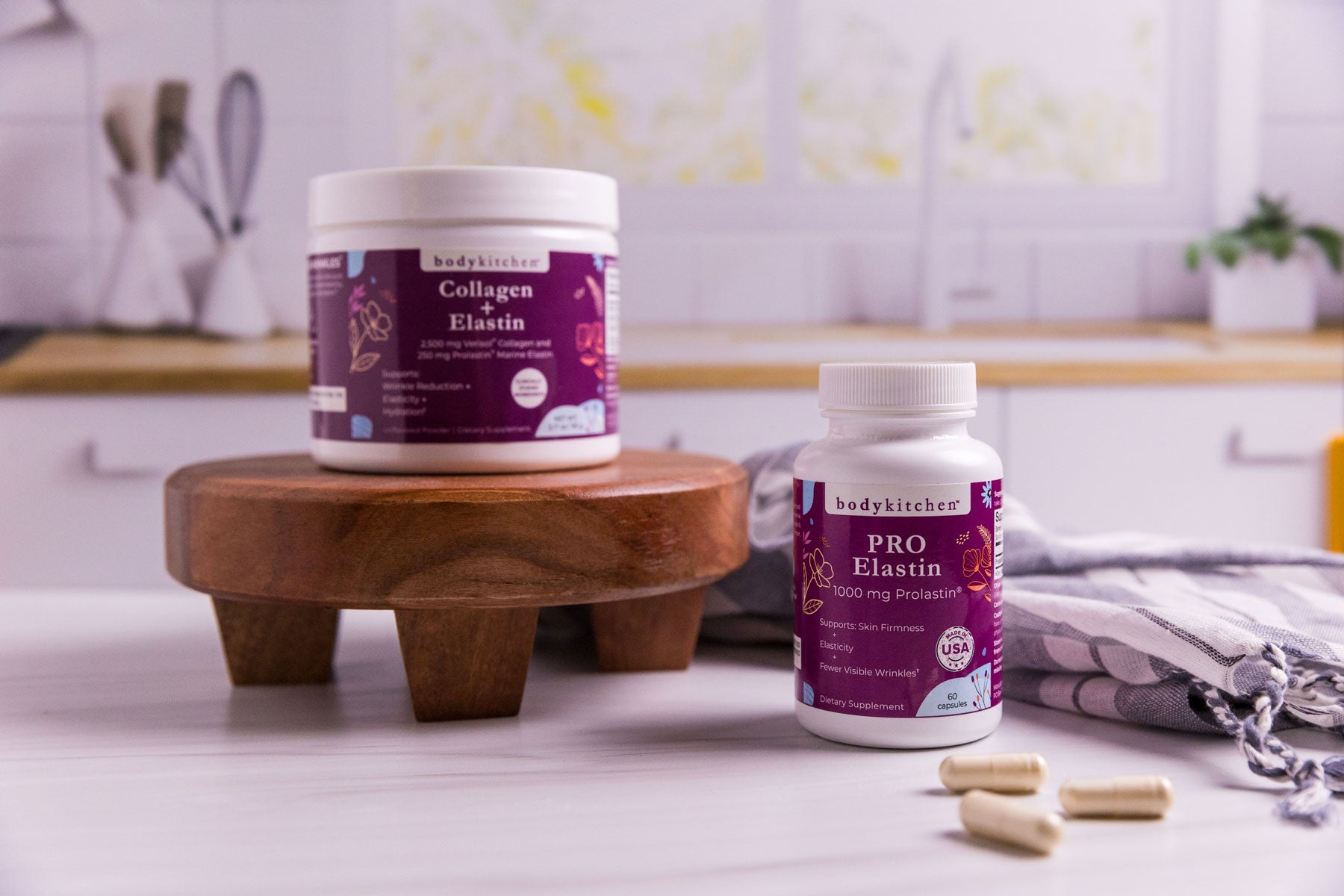
What is Collagen? Collagen is a category of protein that makes up about 30 percent of the protein in the human body. This includes 75 percent of the skin (when it is at its youngest and healthiest) as well as a significant fraction of the muscles, bones, cartilage, tendons, and blood. Collagen is necessary as a structural support and protection for numerous organs and body parts, as well as for the growth of new skin cells, blood clotting, and numerous other essential functions throughout the body. It is also important for hair and nail growth, skin elasticity, and joint and bone health. Health Benefits of Collagen While more high-quality studies will be needed to demonstrate all of collagen’s benefits, early research suggests that collagen supplementation (and/or a diet high in collagen) could have a number of health benefits: Skin Health Taking a collagen supplement, such as a collagen peptide powder, by mouth is shown to improve skin health, reduce wrinkles and improve skin’s texture. A systematic review of existing research on collagen supplementation and skin health found that it may create significant improvements in skin hydration and elasticity. Hair and Nail Growth A study of the effects of fish collagen peptides on human cells in vitro and on mice, found that collagen could potentially be beneficial for those with alopecia, reducing hair loss and increasing hair regrowth. Likewise, collagen supplementation is believed to increase the growth and strength of nails, with one study showing that supplementing with bioactive collagen peptides increased nail growth rates by 12 percent and decreased subjects’ instances of broken nails by 42 percent. Joint Support Collagen supplements may also help support the health and function of joints. Depending on the form of collagen you take, the peptides may be able to be transported by the body to the joints, reducing pain and inflammation. Keep in mind though, that collagen supplementation is not an instant fix; for those with osteoarthritis, for example, you may need to supplement with collagen for up to five months before your joint symptoms begin to abate. Bone Density Certain types of collagen peptides have demonstrated benefits for bone density. For instance, in a high-quality study of 131 postmenopausal women (a group that tends to struggle with decreased bone density), taking specific collagen peptides (SCP) increased formation and reduced degradation of bones, thereby increasing subjects’ overall bone mineral density. Frequently Asked Questions About Collagen and Coffee Does Heat Destroy Collagen Powder? Since many people drink coffee daily, they commonly consider adding collagen to coffee as an easy way to consume this powdered supplement. But could the exposure to high temperatures destroy the collagen peptides, reducing or even erasing the health benefits? After all, high temperatures can denature proteins, causing minor changes to their molecular structures. A study in which researchers exposed collagen to temperatures ranging from 302 to 788º F (150 to 420º C) found that it began to break down starting at about 302º F. But coffee rarely gets this hot, with most people brewing it at around 195 to 205 ºF (90 to 96ºC). As long as you let your coffee cool to well below 300º F, there shouldn’t be any issues with the temperature of the liquid breaking down your collagen powder. Does Adding Collagen Supplements to Coffee Enhance Its Benefits? Knowing that collagen added to coffee is unlikely to be affected by normal brewing temperatures may prompt curiosity regarding the benefits of collagen in coffee. Unfortunately, while consuming collagen powder in coffee has no notable downsides, it also doesn’t have any major benefits. If it’s convenient, it makes sense to take powdered collagen in coffee. But it’s just as beneficial to mix collagen into tea, smoothies, juice, oatmeal, soup, or other common foods and drinks that stay well below that threshold of 302º F. Does Coffee Deplete Collagen in the Body? While coffee does not deplete collagen, it may slow down the body’s rate of collagen production. This is due to the fact that caffeine inhibits the enzyme prolidase, which is essential for the body to synthesize more collagen. Keep in mind that our bodies break down caffeine with an enzyme called CYP1A2, and depending on our genes, we may produce different amounts of this enzyme. This means that the degree to which caffeine affects collagen production depends on one’s genetic makeup. Either way, consuming a few cups of coffee per day is likely to have a minimal effect on overall collagen levels. The Best Collagen Powder: Body Kitchen Collagen + Elastin Powder One of the best collagen supplements currently available on the market is Body Kitchen Collagen + Elastin Powder. It contains a combination of not only 2,500 mg of high-quality collagen but also 250 mg of elastin, which work together to promote skin health and resilience. To be more specific, the collagen in this supplement is called Verisol® Collagen, which comes from grass-fed sources and has been demonstrated to increase collagen activity by 65 percent, increase skin elasticity by 30 percent, and reduce wrinkles around the eyes by 32 percent. Meanwhile, the elastin is called Pro-lastin®, a form of pure marine elastin that comes from the coast of France and that is in peptide form to increase its bioavailability and absorption. Body Kitchen Collagen + Elastin Powder also provides 100 percent of the daily recommended dose of antioxidant vitamin C, which is necessary for producing collagen and elastin and is also thought to reduce sun damage. It also has 100 mg of hyaluronic acid, which may pull moisture into the skin to increase its hydration and smoothness. 1 Speak with Your Doctor Before Taking Collagen Supplements Collagen supplementation is safe for most people but could be an allergy risk for those who are allergic to eggs, fish, or shellfish. It may also be inappropriate for those who need to consume a low-protein diet for health reasons, such as those with a history of gout. Before incorporating collagen supplementation into your daily routine, speak with your doctor to confirm they it is appropriate for your unique medical situation. References: https://my.clevelandclinic.org/health/articles/23089-collagen https://www.ncbi.nlm.nih.gov/pmc/articles/PMC6835901/ https://www.ncbi.nlm.nih.gov/pmc/articles/PMC8824545/ https://www.ncbi.nlm.nih.gov/pmc/articles/PMC10180699/ https://www.ncbi.nlm.nih.gov/pmc/articles/PMC9569759/ https://pubmed.ncbi.nlm.nih.gov/28786550/ https://www.webmd.com/diet/collagen-health-benefits https://www.ncbi.nlm.nih.gov/pmc/articles/PMC5793325/

Collagen and Elastin Cookie Dough Balls
It’s no secret that the best part of chocolate chip cookies is the dough, but you probably don’t feel great after eating it.

Collagen Powder and Gut Health
Collagen is a popular supplement used by many people for many purposes. Collagen powder supplements are often used to help keep the skin look young and fresh or improve and maintain joint health. Collagen powders can aid in many different biological processes, such as supporting intestinal-tract health. These include leaky gut, IBS, and other GI issues.