Blog


How Antioxidants Help Defend Skin from Environmental Stress
When it comes to the health of our skin, what we put in our bodies is just as important as what we put on it. Creams, serums and tinctures can help with visible signs of aging, but true, lasting skin defense comes from within. In fact, research shows that internal antioxidant support is one of the most powerful ways we can defend our skin from environmental stressors.1 Let’s take a closer look at how the environment can affect our skin and how several key nutrients, namely vitamin C, NAC, quercetin and glutathione, can work behind the scenes to help protect it. What is Environmental Stress and How Does It Affect Skin? Environmental stress refers to types of exposures our skin can face every day. These are things like:2 Air pollution UV radiation Cigarette smoke Toxins and chemicals Internal stress from everyday life These can increase the production of what we call “free radicals,” or in other words, unstable particles that damage healthy cells through a process called oxidative stress. Left unchecked, oxidative stress can lead to:3 Breakdown of collagen and elastin in the skin Wrinkles and fine lines Uneven skin tone Loss of skin firmness Increase in overall inflammation Basically, the mere fact of living leads to environmental stress on the skin, and without adequate protection from antioxidants, the visible effects of aging can add up over time. What are Antioxidants and How Do They Work? Antioxidants are powerful compounds that help neutralize free radicals before they can damage our skin. They basically act as our body’s internal defense system against oxidative stress. Vitamin C is probably the most well known, but many people don’t realize that we actually have many types of antioxidants working in our body to fight damage and inflammation. In fact, research is showing that it’s likely the combo effect from a wide range of antioxidants that provide the most effective protection.4 Think of it like a network of antioxidants working together. This is why a well-balanced, diverse diet is so important. And when you choose supplements, utilizing a variety would be ideal. Combining well known antioxidants like vitamin C with other compounds such as NAC and quercetin are likely a better approach for your skin than going all in on just one. Because at the end of the day, there’s so one superstar here. When it comes to antioxidants and your skin’s health, it’s a team effort. How NAC, Quercetin, and Vitamin C Support Cellular Protection A few key compounds deserve special attention when it comes to protecting your skin from the inside out. NAC, quercetin and vitamin C are standouts here, so let’s see why. NAC NAC benefits the body in a special way because we can use it to make glutathione, which we often call our “master antioxidant.” But NAC does even more. It also:5 Supports detoxification Helps reduce inflammation Assists in reducing oxidative stress Research has shown that NAC plays many key roles in fighting inflammation, protecting cells from oxidative damage and reducing inflavel="1"mmation.5,6 Quercetin Quercetin is a plant flavonoid found in foods such as berries, apples and onions. Quercetin benefits the skin by offering powerful anti-inflammatory and antioxidant properties. Research shows that quercetin benefits the skin by:7 Protecting cells against oxidative damage Reducing inflammation Supporting skin barrier function and protection Quercetin makes a good partner to NAC for deep skin protection from within. Vitamin C Most of us already know vitamin C is a fantastic antioxidant that supports our entire body, from the immune system to collagen support. It also can protect our skin against oxidative stress and help reduce overall inflammation. Additionally, vitamin C can enhance the work of other antioxidants, making it a great team player in your comprehensive skin routine.8 Why They Work Better Together These three compounds don’t just work individually, they actually support each other. That’s why a combined formula like Body Kitchen’s Mega NAC +Quercetin alongside Vitamin C Shield can be a great way to support your body’s antioxidant defenses from all angles. Instead of relying on a single nutrient, you get a full network of protection. The Role of Glutathione in Skin Defense Glutathione is the heavy hitter. Known as our master antioxidant, it’s produced naturally in the body and plays a role in:9 Neutralizing free radicals Supporting proper detoxification Protecting our DNA Supporting other antioxidants, especially vitamin C It might seem like taking a glutathione supplement would be a no-brainer here, but hold up. The thing is, glutathione is a hard one to produce in a way where it stays effective. It degrades very easily when exposed to light and heat.9 Instead, it’s often considered better to support your body’s own production of glutathione, which is where NAC, vitamin C and other antioxidants come in. Utilizing Body Kitchen’s Mega NAC + Quercetin with Vitamin C Shield is the perfect combo to help enhance your body’s glutathione production … so you can get the full effect of this powerful antioxidant … naturally. Building an Internal Antioxidant Routine for Healthier-Looking Skin While topical skin products have their place, true skin protection starts from within. Building an antioxidant-rich routine doesn’t have to complicated, it just has to be consistent. Here’s what you can do: Focus on a colorful diet Fruits and veggies are packed with antioxidants such as vitamin C and quercetin as well as cysteine-rich foods, which helps our body make NAC. Prioritize key nutrients If additional support is needed, add key antioxidant supplements to your routine for optimal skin health. Your best bets to fight oxidative stress are NAC, quercetin and vitamin C, all of which Body Kitchen offers in high-quality, highly bioavailable forms. Stay consistent Remember, change doesn’t happen overnight. Regularly including antioxidants in your diet and supplement routine will pay off over time. Remember, change doesn’t happen overnight. Regularly including antioxidants in your diet and supplement routine will pay off over time. Final Thoughts Environmental stress is unavoidable, but preventing long-lasting damage is. By understanding how oxidative stress affects the skin and how key antioxidants like vitamin C, NAC, quercetin and glutathione work together, you can put together the ideal internal skincare routine to look and feel your best. Make sure to check out Body Kitchen’s comprehensive line of skin-supportive supplements. Because at the end of the day, healthy skin isn’t about what you layer on it, it’s about how you protect it from the inside out. Frequently Asked Questions What is environmental stress on the skin? Environmental stress refers to external factors like pollution, UV exposure, and toxins that can contribute to oxidative stress and visible skin aging. How do antioxidants protect the skin? Antioxidants help neutralize free radicals, reducing oxidative stress that can damage skin cells and accelerate signs of aging. What role does NAC play in antioxidant support? NAC supports the body’s production of glutathione, one of the most powerful internal antioxidants involved in cellular protection. How does vitamin C benefit skin health? Vitamin C supports collagen production and provides antioxidant protection, helping defend skin against environmental stressors. Can combining NAC, quercetin, and vitamin C enhance skin protection? These antioxidants work through complementary pathways, supporting immune function and cellular defense from within. References: https://pubmed.ncbi.nlm.nih.gov/35334905/ https://pubmed.ncbi.nlm.nih.gov/34077579/ https://pubmed.ncbi.nlm.nih.gov/37513428/ https://pmc.ncbi.nlm.nih.gov/articles/PMC12046069/ https://pmc.ncbi.nlm.nih.gov/articles/PMC8234027/ https://pmc.ncbi.nlm.nih.gov/articles/PMC9879756/ https://pubmed.ncbi.nlm.nih.gov/38999158/ https://ods.od.nih.gov/factsheets/VitaminC-HealthProfessional/ https://www.sciencedirect.com/science/article/pii/S2213231715000841

Movement Reset: Getting Summer Strong Starts in May
May is the official gateway to summer. With well-lit evenings and comfortable temperatures, the energy of the season feels like an invitation to take your movement outdoors. But as eager as you may be to get out there, jumping straight into intense workouts is not the way to go. If you’ve ever felt sore, exhausted, or even sidelined after diving back into exercise too quickly, there’s a reason. The body needs time to rebuild, not just strength and stamina, but the underlying systems that support them. This season, a more effective approach is also a more sustainable one: easing back into movement in a way that works with your body, not against it. Why Going “All In” Can Backfire Our bodies are designed to adapt to the seasons. When activity levels drop during cooler months, the body falls out of “training mode.” Cardiovascular endurance declines, muscle strength decreases, and connective tissues, such as tendons and ligaments, become less resilient. This process, known as detraining, is completely normal. But it also means the body is more vulnerable to strain when activity levels suddenly spike. Exercise physiology research consistently shows that progressive overload, gradually increasing intensity and duration, is the most effective way to rebuild fitness while minimizing injury risk. Rapid increases in training load, on the other hand, are associated with higher rates of injury and overtraining. A setback now can interfere with getting summer-strong. May is for Nurturing Joints and Tissues When we think about getting back into shape, we tend to focus on muscle-building, especially large muscle groups, and cardio. But connective tissues play an equally important role, especially when reintroducing intense physical activity. Two key components of connective tissue are: Collagen – A structural protein that supports the strength and elasticity of tendons, ligaments, and skin Hyaluronic acid – A water-loving compound that helps retain moisture in the skin and contributes to joint lubrication As natural production of both declines with age, you may notice increased stiffness after periods of rest, slower recovery after strenuous activities, and deeper wrinkles and skin dryness. Keeping active in itself helps to stimulate circulation and tissue health, but nutritional support can also play a pivotal role in boosting skin radiance as well as joint, tendon, and ligament function. Research suggests that collagen peptide supplementation may support joint comfort and connective tissue function, particularly when combined with exercise. (Try fan-favorite Youthful Beauty with collagen and hyaluronic acid.) Before jumping back into a full routine, give your body a short window to warm up and transition out of “hibernation.” Research shows that even brief periods of consistent, moderate activity can begin to restore neuromuscular coordination, improve circulation, and reawaken muscles after inactivity. In fact, within as little as two weeks, you can begin rebuilding foundational strength and movement efficiency, making it an ideal on-ramp before increasing intensity this summer. 2-Week Mobilizing Plan Here's a simple plan to ease back in and reduce your injury risk. The goal of the first week is to gently reactivate key muscle groups and limber up connective tissue. The second week works to prepare your entire body for the demands of more frequent and higher-intensity movement. Week 1: Activate Your Muscles 20–30 minutes of walking most days of the week. Take it outdoors. Natural light exposure has been linked to improved mood and circadian rhythm regulation. 5–10 minutes of mobility work daily, focusing on areas that tend to tighten during periods of inactivity, especially your hips, hamstrings, and shoulders. Try hip circles, shoulder rolls, lunges with a twist, and cat-cow for spinal mobility. 2–3 sessions of light strength training using body weight or minimal resistance. Focus on foundational movements including squats, glute bridges, incline push-ups, and rows. You should finish feeling energized, not depleted. Week 2: Condition Your Heart and Lungs 25–40 minutes of brisk walking most days of the week with short intervals of fast-paced walking or light jogging (e.g., 1 minute fast, 2 minutes moderate). Interval-style training has been shown to improve cardiovascular fitness efficiency. 1–2 sessions of low-impact cardio exercise, such as cycling or swimming, for variety and joint-friendly conditioning 3 strength training sessions, 20–30 minutes each. Add weights or use heavier weights, and increase the number of repetitions. Introduce simple core exercises such as planks or dead bugs to support stability and strengthen the spine. As you ease into your summer fitness routine, remember to adjust your nutrition to support changing needs. Prioritize protein intake to support muscle repair and connective tissue maintenance. Stay consistently hydrated to support hyaluronic acid production for smoother joints and radiant skin. Nurture Joints and Skin with 2-in-1 Youthful Beauty By prioritizing consistency, supporting your body’s natural structures, and progressing with intention, you create a foundation that lasts well beyond the season. Treating May as a gateway to summer fitness builds a strong, healthy body that’s primed for any adventure so you can enjoy the season of fun ahead!

Raspberry Collagen Smoothie
This tart raspberry smoothie is the perfect, refreshing spring breakfast or afternoon snack. For a sweeter version, try adding a little maple syrup or half a banana.

The Beauty Nutrients That Support Hair, Skin & Nails From Within
When it comes to glowing skin, strong nails and healthy hair, we often think of products to apply topically. Why they can be helpful, true nourishment and beauty starts much deeper. In fact, it’s the nutrients we take in daily that actually strengthen and fortify our hair, skin and nails from the inside out. So when it comes to supplementation, what you take matters. Let’s take a closer look at optimal science-backed nutrients so you can find the right routine, whether from diet or from a high-quality hair, skin and nail supplement, to help you show the outward glow your body possesses. Why Beauty Starts From Within Your hair, skin and nails are made up of lipids, proteins and other components that rely heavily on the vitamins and minerals we get from our diet. If your body is lacking key nutrients, your hair may slowly get thinner, nails get more brittle, and skin becomes more dry. Additionally, free radicals from oxidative stress, UV light, poor diet, stress and environmental exposures can damage the structures that make up our hair, skin and nails, and this can accelerate the signs of aging.1 Supporting your body with a healthy diet and the right supplements for hair growth and glowing skin is the best way we know to fight aging and inflammation from within. But which are the best vitamins for skin and anti-aging? Let’s take a look. Key Vitamins for Hair, Skin and Nail Health If you are looking for the best hair, skin and nails supplements, a few key nutrients stand out. Biotin: This is one of the best known hair growth vitamins, and for good reason. Research shows it plays a key role in keratin production, which is the protein that strengthens hair and nails.2 Vitamin C: This vitamin is a key player in collagen synthesis, which supports skin elasticity and structure. It does this by:2-Acting as a potent antioxidant-Supporting wound healing and skin repair-Enhancing the immune system which fights inflammation-Reducing oxidative damage to skin cells Vitamin A: This vitamin superstar helps improve cellular turnover and repair. It also supports healthy sebum production, which keeps hair shiny and hydrated.2 Zinc: This key mineral helps our body repair tissues, boosts the immune system to fight inflammation, and may improve hair follicle health.2 Copper: Research has shown that up to 15% of copper is found in the skin. It appears to help increase collagen production and protect against free radicals.3 Vitamin E: Known to protect against oxidative stress and improve circulation in the scalp for hair health, this vitamin has also been shown in studies to protect the skin against the sun and can help stabilize and fortify the skin barrier.2 How Collagen and Biotin Support Stronger Hair and Nails Two of the most talked about beauty ingredients are collagen for skin and biotin benefits for hair, skin and nails. Collagen for hair and skin We are big fans of collagen and talk about it a lot, so most of you already know that this skin superstar helps improve skin hydration, elasticity and wrinkle prevention. Research also shows that collagen peptides may help strengthen nails and improve hair thickness. Biotin benefits As already discussed, biotin benefits are largely targeted at increasing keratin production, a key structural compound in hair, skin and nails. Together, collagen and biotin can improve the overall health and appearance of aging skin by working at a cellular and structural level. This goes far deeper than a topical serum - it’s true nourishment from within that provides inner health and an outward shine that lasts. The Role of Antioxidants in Skin Radiance While collagen and biotin are helping your skin building structure and strength, antioxidants are protecting it. The role of antioxidants are to neutralize free radicals, which are unstable molecules that damage cells and accelerate aging. Without good antioxidant intake, oxidative stress can lead to: Premature wrinkles Poor skin tone Loss of skin elasticity Important antioxidants for skin health include:2,4 Vitamin C: Supports collagen, reduces oxidative stress, brightens skin Vitamin E: Protects lipid membranes, may improve skin barrier Polyphenols: Found in colorful plant foods, helps reduce inflammation This is where diet plays a key role. A nutrient-dense, colorful diet provides a host of these key compounds to protect your hair, skin and nails, keeping them strong and youthful. And this is why even the best vitamins for skin, hair and overall health are best paired with a diet rich in fruits, vegetables and healthy fats. What to Look For in a Hair, Skin and Nails Supplement If you are thinking about adding a hair, skin and nails supplement to your routine, here’s what you need to prioritize: A comprehensive nutrient profileLook for a hair, skin and nails supplement that combines a number of vitamins for hair growth and skin health. These are things like biotin, antioxidants, collagen, zinc, and B vitamins. A multi-nutrient approach ensures you hit all the important compounds to make your skin and hair shine. High quality ingredientsPay attention to the brand and quality of the ingredients in your beauty supplements. Make sure to choose a brand you trust and that the ingredients are tested and verified. A thoughtfully designed option, such as Body Kitchen’s Total Beauty Advanced Hair, Skin and Nails supplement checks all of these boxes, making it an optimal choice for those looking to support hair growth, improve skin radiance, and strengthen nails. Putting It All Together Healthy hair, glowing skin and firm nails don’t happen by chance. They are built from consistent and comprehensive nutrition over time. While topical products can play a role, nourishing your body from the inside out is the best way to make sure your skin and outward appearance are getting everything it needs, at a cellular level. But just remember, this is not a one and done. Consistent, comprehensive nutrition support will show over time, so stay true to the routine and the results will speak for itself. Don’t forget though, supplements are just supplements. A product such as Body Kitchen’s Total Beauty Advanced Hair, Skin and Nails supplement can take you a long way, but it works best with a healthy diet and lifestyle plan. Optimal nutrition from both diet and high-quality supplementation can give your body the tools it needs to thrive, both inside and out. Frequently Asked Questions Do hair, skin, and nails supplements really work? These supplements provide nutrients like biotin, collagen, and key vitamins that support the body’s natural growth and repair processes from within. What vitamins are best for hair growth? Biotin, collagen, vitamin C, and other B vitamins are commonly included in hair-support formulas to promote stronger, healthier-looking hair How does collagen support hair and nails? Collagen provides structural amino acids that support healthy hair strands and strong nail growth How long does it take to see results from beauty supplements? Results vary, but many people notice improvements in hair strength, skin radiance, or nail resilience after consistent use for several weeks. Can one supplement support hair, skin, and nails at the same time? Yes. Comprehensive beauty formulas are designed to support multiple tissues simultaneously by nourishing the body internally. References: https://pubmed.ncbi.nlm.nih.gov/39604792/ https://pmc.ncbi.nlm.nih.gov/articles/PMC10820017/ https://pmc.ncbi.nlm.nih.gov/articles/PMC4556990/ https://pubmed.ncbi.nlm.nih.gov/36139737/

Cranberry Juice for UTIs: Myth or Medicinal?
If you've ever reached for cranberry juice at the first sign of urinary discomfort, you're not alone. It's one of the most trusted and widely recognized go-to remedies, and it has been on the scientific radar for decades. The wellness habit may be second nature, but do you know what makes the tart little berries so effective at supporting urinary health? Cranberries are best known for their proactive approach to protecting the bladder and urinary function. As part of your body's filtration system, your urinary system removes waste products and excess fluids, helping you feel healthy and energetic every day. And its lesser-known functions are equally important. It regulates electrolyte balance and blood pressure. Your kidneys are vital for overall health. They produce a hormone that regulates red blood cells, which deliver oxygen to your lungs and carry out carbon dioxide with every exhale. Kidneys also convert vitamin D stored in the liver into the active form you need for strong bones and mood balance. Cranberries—along with a few other top urinary health foods—interact with your body on a deeper, cellular level to help keep your filtration system running smoothly. Why Cranberries Became the Gold Standard Cranberries have earned their reputation as a go-to for urinary health thanks to a unique group of polyphenols called A-type proanthocyanidins (PACs). Their unique structure sets them apart from other classes of polyphenols. PACs have been studied for their ability to help keep biofilms from adhering to the bladder wall. Think of PACs as a "non-stick surface" that helps block bacteria and other microbes from clinging.* This allows your body to more easily flush them out during normal urination. Cranberries also provide extra antioxidant support by supplying vitamin C and quercetin, which help combat oxidative stress and support immune function. This matters because a well-functioning immune system and a balanced inflammatory response both play roles in maintaining a healthy urinary environment. Cranberries are Not "Nature's Antibiotic" As potent as cranberry compounds may be, they work best as a proactive approach to supporting urinary health. In fact, extensive research reveals that concentrated cranberry intake may work best for women who experience recurring urinary issues.* How you consume cranberries makes a big difference in potency. Many cranberry juices on the market contain added sugar or are mixed with other fruit juices to reduce the intensely sharp flavor of cranberries—often resulting in lower levels of the active compounds you need to support the urinary tract. If you experience frequent urinary discomfort, consider taking a concentrated form of cranberry as part of your daily wellness routine (our pick: Urinary Tract Shield). An unsweetened, standardized cranberry extract supports bladder health and function with a higher dose of beneficial PACs. More Bladder-Friendly Foods Looking beyond cranberry, urinary health is influenced by multiple pathways, including detoxification, gut function and immune defenses. Supporting these systems through nutrition can help create an environment that is less hospitable to unwanted bacteria. Here are three key food groups that can make a major difference. 1. Cruciferous Veggies for Natural Detox Cauliflower, broccoli, kale, cabbage and bok choy are aromatic for a reason. They're rich in sulfur-containing glucosinolates. When cruciferous veggies are chopped or chewed, the cell walls release the offending compounds—but this is a good thing. Glucosinolates convert to health-boosting sulforaphane, a compound that has been widely studied for its ability to activate the Nrf2 pathway. When it is activated, your body increases production of detoxification enzymes and antioxidant proteins that help neutralize free radicals and support cellular health.** This supports urinary health by knocking down oxidative stress and inflammation that can weaken the urinary tract lining. And, by supporting the body's natural defense systems, cruciferous vegetables help maintain stronger, more resilient tissue barriers. Cauliflower, in particular, is a versatile option that can easily be incorporated into rice and mashed potatoes, or blended into a nutritious smoothie (try our delicious raspberry smoothie recipe). 2. Fermented Foods for Gut Health The balance of bacteria in the gut and urogenital tract is essential for urinary health. Beneficial bacteria (or probiotics) help maintain a balanced environment and produce antimicrobial compounds that inhibit the growth of pathogenic microbes. Fermented foods like yogurt, kefir and sauerkraut introduce Lactobacillus species, beneficial bacteria, into the gut. Research suggests that maintaining a healthy population of Lactobacilli may reduce the risk of recurrent urinary tract issues by limiting colonization of "bad" bacteria.* Plus, probiotics can influence immune signaling, helping the body respond more effectively to potential threats. When choosing probiotic foods, opt for options with live and active cultures and minimal added sugars to maximize benefits. 3. Hydration for a Healthy Urinary Tract Lining Hydration is foundational for urinary health, but it's not just about water intake. Think watermelon, cucumbers, tomatoes and bell peppers—these colorful foods have a naturally high water content and also provide a spectrum of inflammation-fighting antioxidants. Watermelon and tomatoes, for example, contain lycopene, a carotenoid with antioxidant properties that help protect cells from oxidative damage, including kidney cells.* And in men, lycopene has been shown to support prostate health.* Cucumbers provide flavonoids and lignans, which have been studied for their anti-inflammatory effects. Studies indicate that these powerful plant compounds may help to reduce the risk of overactive bladder and bladder-related health concerns by supporting a normal inflammatory response.** Adequate hydration leads to regular urination, which helps flush harmful bacteria from the urinary tract before they can proliferate. At the same time, antioxidants help protect the cells lining the tract from irritation and stress. Whether you're prone to UTIs or simply want to optimize your urinary health, cranberries and other superfoods have the science to back them up. They support natural detox, help restore balance, and fight pathogens to help keep your urinary health in order and help you feel your best.

Spring Asparagus Soup with Collagen Protein
It’s easy to add collagen to smoothies and coffee, but it’s even more versatile than that. Add it to baked goods, sauces, and soups. This spring asparagus soup is fresh and bright, and the addition of Body Kitchen Youthful Beauty Advanced ups the nutrition, skin support, and healing potential of your meal.

What Makes Liposomal Vitamin C Different from Traditional Vitamin C?
Most of us are quite familiar with vitamin C supplements, but have you noticed they come in different forms … such as liposomal vitamin C? While this may seem confusing and even just another “gimmick,” I’m here to tell you … it’s not! The word “liposomal” refers to the way the supplement delivers vitamin C to your body – in a form that enhances absorption and may even improve its effectiveness. Should this matter to you? Let’s dive in to understand how liposomal vitamin C benefits the body, why it might be a better choice than generic vitamin C options, and how enhanced vitamin C bioavailability could better support YOU! What is Liposomal Vitamin C? To understand liposomal vitamin C, let’s start with liposomes. Liposomes are small, specialized particles made up of a lipid outer layer (ie fat layer), that looks very similar to your cell membranes. Vitamin C is basically inside this protective lipid layer as its transported into the cells. Think of it like a high-tech delivery vehicle or even a protective “shield.” That outer lipid layer allows for easier digestion and quicker transport to where we need vitamin C to go.1 This is distinctly unlike regular vitamin C, aka ascorbic acid. Normal vitamin C is water soluble and dissolves quickly in the digestive system. While it’s broken down fast, it doesn’t get absorbed as well. Some of it passes right through and is excreted before it can be properly digested.2 Liposomal vitamin C, on the other hand, basically gets a VIP escort right to our cells. And that’s the key difference. How Liposomal Vitamin C Delivery Improves Vitamin C Absorption The biggest challenge with a vitamin C supplement isn’t getting enough, it’s getting it into the bloodstream and into our cells. Because vitamin C is water soluble, our intestines will absorb what it can and then quickly excrete the rest in our urine.3 That’s why simply “taking more” doesn’t solve the problem. In fact, this explains why taking really large doses, such as 1,000mg or more, can cause an upset stomach and loose stools.3 It’s not getting fully absorbed. But here’s where liposomal forms shine – by improving vitamin C absorption. Liposomal vitamin C, all tucked into its little lipid layer, is recognized and protected as it passes through digestion. It then hits the blood stream and eventually our cells, where we ultimately want it.2 And studies show improved absorption when compared against normal vitamin C, which is why Body Kitchen uses liposomal forms exclusively in their Vitamin C Shield supplement.4 Traditional Vitamin C vs. Liposomal Vitamin C: Key Differences Here are some key differences to consider when choosing a vitamin C supplement:4 Traditional Vitamin C (ascorbic acid): Water soluble Absorbed quickly but only partially in the intestines High doses can cause stomach upset and loose stools Liposomal Vitamin C: Enclosed in a lipid layer that is more fully absorbed through the intestines Likely better recognized by the cells and so more easily taken in May allow for better levels of vitamin C in the bloodstream Many studies show improved vitamin C absorption over regular ascorbic acid2 Those looking for a premium vitamin C supplement might want to consider products like Body Kitchen’s Vitamin C Shield that utilizes this advanced, liposomal technology to offer an efficient, highly-absorbable option to boost your daily intake. Why Vitamin C Bioavailability Matter for Immune and Skin Support When it comes to supplements, bioavailability (aka how well it’s absorbed), is a key consideration in what product you choose. And two of the top concerns for women as they age – immune health and collagen support, are directly linked with vitamin C! Here’s a refresher on the key points:5 1. Immune Health Did you know that your white blood cells, the main soldiers of the immune system, require a lot of vitamin C to do their daily work? Without it, they are more prone to inflammation and oxidative damage that can reduce their effectiveness. A liposomal vitamin C is a great way to ensure your immune system has a steady supply, especially during seasonal shifts and when the body is under stress. 2. Collagen Formation Utilizing vitamin C for collagen production is one the best ways to support beauty and health from the inside out. Vitamin C is an important nutrient necessary for proper collagen formation throughout the entire body. While we often focus on the skin, don’t forget collagen is crucial for joints, organs and blood vessels. To make sure you have an ample supply of vitamin C to support all of these needs, choose a liposomal form, like Body Kitchen’s Vitamin Shield, so you can optimize absorption immediately. Who Should Consider Liposomal Vitamin C When it comes to vitamin C, food should be your first go-to. A diet rich in vitamin C foods will nourish your entire body in a comprehensive way that supplements cannot. But in many cases, extra vitamin C can be helpful and even much needed. Liposomal vitamin C benefits could be especially useful for:3 People with higher vitamin C needs Due to illness, stress, smoking, or intense physical activity, or older adults needing extra antioxidant support Individuals seeking improved skin and joint health (ie collagen support) Those who may get digestive upset with standard ascorbic acid People looking to optimize immune health Those will allergies or food avoidances that limit vitamin C-rich foods In any of these cases, it’s recommended to choose a high-quality, highly absorbable vitamin C supplement – such as an advanced delivery system like liposomal vitamin C – to support and maintain optimal cellular levels. Final Thoughts It’s no doubt that vitamin C is a very important nutrient for supporting immune function, skin and cellular health, and disease prevention. While most over-the-counter vitamin C supplements can be effective, studies have shown that liposomal vitamin C may offer better absorption and bioavailability than water-soluble ascorbic acid. For those hoping to maximize the benefits of vitamin C for overall health, a liposomal form, such as Body Kitchen’s Vitamin Shield, can be a great choice. While a diet full of vitamin C rich foods is always best, a little extra support from a high-quality supplement can be an efficient and effective way to boost your overall health and vitality. Frequently Asked Questions What is liposomal vitamin C? Liposomal vitamin C is a form of vitamin C encapsulated in lipid (fat-based) particles called liposomes, which are designed to enhance absorption and delivery into cells. Is liposomal vitamin C better absorbed than regular vitamin C? Liposomal vitamin C is formulated to improve bioavailability, helping more vitamin C reach the bloodstream compared to some traditional forms. Why does vitamin C absorption matter? Better absorption means more vitamin C is available to support immune function, collagen production, and antioxidant protection. Can liposomal vitamin C support skin health? Yes. Vitamin C supports collagen production and antioxidant defense, both of which contribute to healthier-looking skin. Who should consider taking liposomal vitamin C? Individuals looking for enhanced absorption, immune support, or additional collagen support may benefit from liposomal vitamin C supplementation. References https://pmc.ncbi.nlm.nih.gov/articles/PMC11519160/ https://pmc.ncbi.nlm.nih.gov/articles/PMC12163105/ https://www.ncbi.nlm.nih.gov/sites/books/NBK499877/ https://pmc.ncbi.nlm.nih.gov/articles/PMC11767823/ https://pmc.ncbi.nlm.nih.gov/articles/PMC11820684/

Collagen + Elastin Cashew Butter Cups
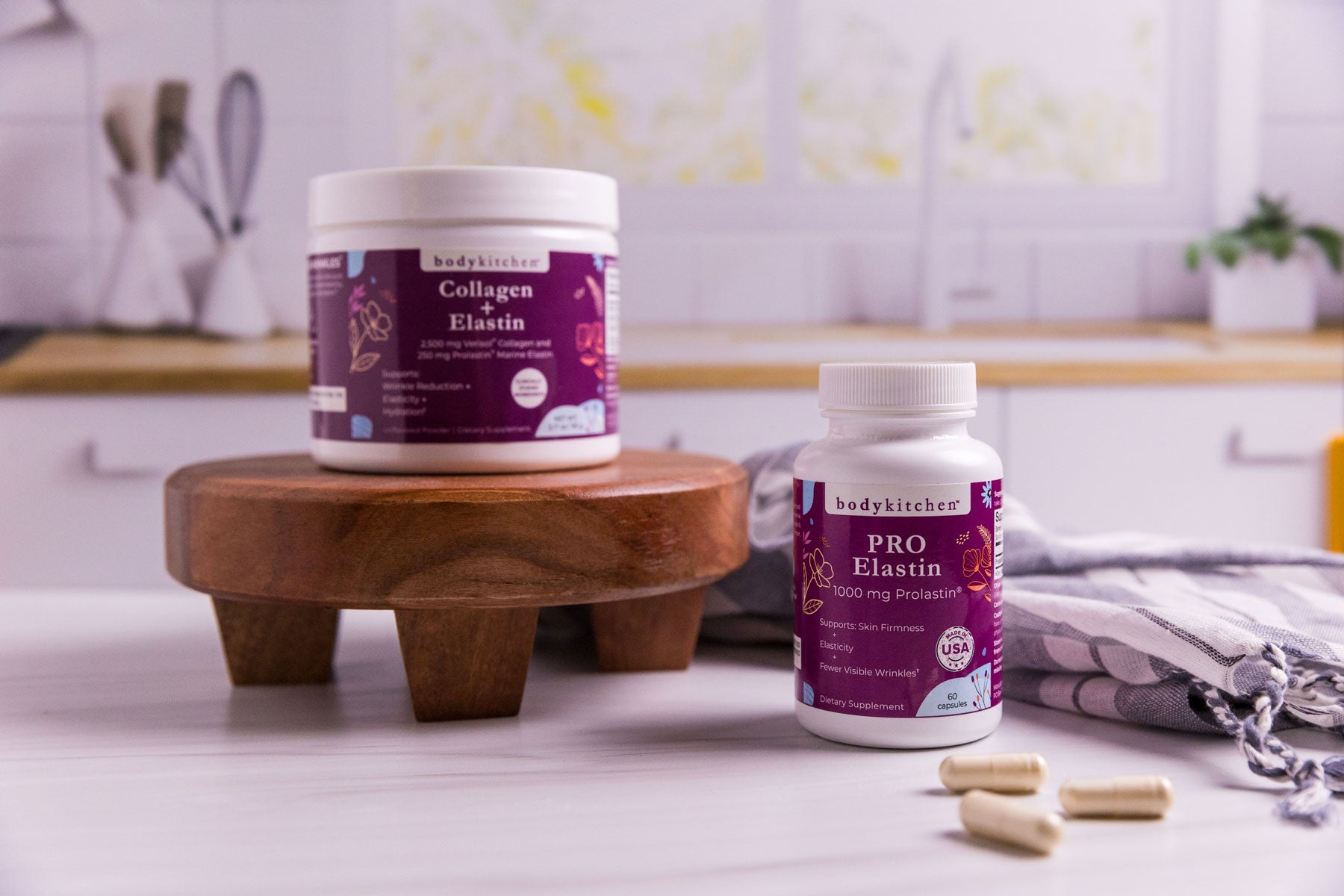
Just in time for Easter! These homemade cashew butter cups make a sweet treat, without unnecessary sugar, additives, or packaging, and with just a few simple ingredients you likely already have on hand. With antioxidants, minerals, and healthy fats, this recipe makes an Easter candy you can feel good about enjoying, this spring or any time of year. As a bonus, enjoy the skin health benefits of Body Kitchen Collagen + Elastin Powder with every bite. Each scoop contains 2.5 grams of the same concentrated collagen used in clinical trials to boost firmness, elasticity, and hydration while diminishing fine lines.

Dark Chocolate Collagen Fudge
For most of us, February means chocolate! Yet, eating a bunch of low-quality chocolate doesn’t always make us look or feel our best. When it’s not satisfying, it’s easy to keep reaching for more. For this year’s chocolate-centered celebrations, try this dark chocolate collagen fudge instead. With nutrient-dense ingredients, including nut butter, cacao, and maple syrup, it’s sure to satisfy your sweet tooth without spiking cravings. The addition of Body Kitchen collagen supports healthy skin, hair, nails, joints, and digestion.