Blog


Vitamin D Deficiency During Winter Months
Approximately 42 percent of the U.S. population is considered to be vitamin D deficient, and for many people, the problem often worsens during the winter months. Read on to learn more about why this is the case and what you can do to increase vitamin D levels during the winter months and beyond. What Is Vitamin D? Vitamin D is one of the essential vitamins that your body needs to remain in good health and perform key processes. Unlike other vitamins, your body can actually manufacture vitamin D in response to sun exposure. Benefits of Vitamin D Some potential benefits of vitamin D include: Healthy bones and muscles: Vitamin D helps your body absorb and use the calcium needed to control muscle function and maintain strong bones and teeth. Cancer prevention: Some studies have found a link between low levels of vitamin D and certain forms of cancer, such as cancer of the colon, lung, pancreas, and breast, which has led some researchers to hypothesize that vitamin D may help lower the risk of cancer - but more research is needed to prove this potential benefit. Heart health support: Your body needs vitamin D to regulate blood pressure and for healthy circulation. Mental health support: Early research has found that vitamin D receptors in the brain may be involved with symptoms of depression, leading to speculation that the nutrient may support mental well-being. Glucose metabolism assistance: Vitamin D is necessary to keep blood sugar levels within a healthy range. Symptoms of Low Vitamin D Levels Some symptoms of low vitamin D levels include: Lack of energy Problems sleeping Bone pain Muscle aches Depression Hair thinning/loss Reduction in muscle strength Lack of appetite Increase in the number of illnesses/infections Paleness of the skin Symptoms are more common in people with severe vitamin D deficiency, which is rare in the U.S. In the U.S., you're more likely to have mild symptoms or no symptoms of deficiency at all. Why Do People Experience Vitamin D Deficiency During Winter? Vitamin D deficiency can occur in the winter due to changes in our behavior. When colder weather arrives, we're less likely to spend time outdoors, so our bodies have less opportunity to manufacture vitamin D. If we do venture outside, we usually wear more layers of clothing and cold weather accessories, so less of our skin is exposed to sunlight and our bodies produce vitamin D in smaller quantities. How to Get Vitamin D in the Winter To get more vitamin D during the winter months, try pursuing the following tips: Eat Dietary Sources of Vitamin D Although your body is designed to meet most of your needs for vitamin D, the vitamin is present in some foods as well. Some of the best sources of the vitamin are egg yolks, canned fish such as sardines, fatty fish like tuna and wild salmon, beef liver and mushrooms. You can also find breakfast cereals, milk, orange juice and other foods fortified with vitamin D. Increase Your Exposure to Sunlight Although the weather may be chilly, schedule time outdoors whenever possible. Dress appropriately for the weather to protect yourself from the elements. Taking up a winter sport like snowshoeing or skiing where appropriate can be a great way to get some sunlight and exercise at the same time. Try Vitamin D Supplements Vitamin D supplements can bridge the dietary gap and decrease the risk of deficiency during winter months and throughout the rest of the year. Medical providers sometimes recommend that people take vitamin D along with calcium to support bone health and reduce the risk of osteoporosis. Combination supplements that feature vitamin D3 and K2 are becoming increasingly popular because they contain a second vitamin that supports bone health: vitamin K2. In the body, vitamin K2 helps to control the distribution of calcium, so the mineral is available to build strong bones and teeth and less likely to develop deposits elsewhere in the body. When choosing a vitamin D supplement, compare products carefully. Products optimized to enhance bioavailability may be easier for your body to use, provide benefits for a longer period, and give you more benefits from a smaller dose. Body Kitchen Vitamin D + K2 is a high-absorption formula that provides vitamins D3 and K2. The latter nutrient comes in the form of Menaquinone-7 or MK7, which has been clinically shown to remain active in the body for longer than other forms. How Much Vitamin D Should I Take in the Winter? How much vitamin D you should take in the winter depends on your age, gender, weight, height, and other factors. The potency of the supplement you choose can also impact the optimal dosage. As a result, it's best to consult your medical provider for individualized advice regarding how much vitamin D you need. References: https://bodykitchen.com/products/vitamin-d-k2-60-ct https://ods.od.nih.gov/factsheets/VitaminD-HealthProfessional/#h7 https://perks.optum.com/blog/5-ways-to-avoid-a-vitamin-d-deficiency-during-winter/

Cleansing Collagen Green Smoothie
After the heaviness and indulgence of the holiday season, you might feel the urge to restrict food to compensate. This all-or-nothing approach likely won’t be sustainable or help you reach your goals. But there is another way: nourishment. Instead of restriction, flip the mindset towards nourishment. Instead of thinking about what to cut out of your diet, think about what to add in. Get intuitive: How can I nourish my body today? What is my body asking of me?

Restore Skin’s Glow This Winter with Edible Skincare
Now that the New Year is off to a running start, give your skin the ultimate refresh with an edible beauty routine that nourishes skin at the source. Take your skincare inside out with nutrients and antioxidants that shape how your skin looks, feels and ages, especially during winter. Skin really takes a hit this time of year when winter's triple threat: sugar overconsumption, dry weather and stress impact skin's ability to rebound in distinct but destructive ways: Winter's Triple Threat to Your Skin Excess Sugar is an Aging Accelerant From bake shops to cookie swaps, temptation has been inescapable for week! Holidays feel like a free pass to overindulge and we're not too shy to admit it: a poll of 2,000 American adults commissioned by a candy company revealed that 76% of respondents are likely to give into cravings for holiday sweets. But high sugar intake can age you. Glycation is the natural process of excess sugar in the bloodstream binding to skin's collagen and elastin proteins, as well as fats, which forms harmful AGEs (short for advanced glycation end products). Not only do AGEs erode skin's scaffolding, leading to wrinkles and sagging, they deplete moisture, making skin appear dry and dull. Dry Air Means Chapped Skin Cold months do a lot of damage to skin's protective barrier. Cold air holds very little moisture, so it pulls it from wherever it can get it. With little to no humidity, cold conditions strip the natural oils designed to seal and hydrate skin. And with indoor heating drawing moisture away, the 1-2 punch can leave skin dry, cracked and irritated. Cold, blustery days are even worse, because wind speeds up the evaporation, an effect called transepidermal water loss (TEWL). A weakened skin barrier is more prone to cracks that allow even more moisture to escape. Cold Weather Leads to Cortisol Spikes Seasons affect skin health, and while summer gets a bad rap for its harsh UV rays, cold winter climates can be just as brutal. Keeping warm in the winter (thermoregulation) demands more energy from your body and activates your natural stress response. In winter, cortisol output increases to the highest levels of any season.* Cortisol is mostly known as the stress and anxiety hormone, but it also plays a role in managing energy, metabolism and the sleep-wake cycle. It's beneficial in low-level doses. But if winter stress levels pop and cortisol reaches chronically high levels, skin pays the price. Oil production and inflammation increase, which can lead to breakouts, redness and skin condition flare-ups. Thankfully, winter doesn't last all year. In the meantime, take a nourishing approach to help keep your skin from getting caught up in this perfect storm. Restore Your Glow with Edible Skincare What you put inside your body is equally as important as serums and creams that boost your glow from the outside. For a cold weather diet that perks up skin come springtime, choose foods that are rich in specific skin-soothing nutrients that support elasticity, hydration and barrier strength from the cellular level up. Make it well-rounded by loading up on seasonal foods from 3 categories: healthy fats, lean protein and red-orange antioxidants. Healthy Fats: The Secret to Supple, Dewy Skin Healthy fats are essential for reinforcing the skin barrier, replenishing lost moisture and fighting inflammation and oxidation. Essential fatty acids help to counter water loss while plumping skin for a youthful, vibrant glow. Avocados, extra virgin olive oil, fatty fish like salmon, and seeds such as flax and chia are rich in omega-3 and omega-9 fatty acids that help skin stay supple and comfortable in dry winter conditions. Collagen-Boosting Protein: Nature's Wrinkle-Smoother The protein you consume is broken down into amino acids, the building blocks of collagen, elastin, and the body's other structural proteins. Daily servings of eggs, legumes, poultry, fish and lean means help restore firmness and elasticity by repairing fibers in the collagen matrix. Protein sources also contain skin-supportive minerals. Zinc, found in pumpkin seeds and chickpeas, helps with skin renewal, while selenium from Brazil nuts supports anti-wrinkle defenses. Copper, present in nuts and seeds, contributes to collagen and elastin integrity. Colorful Antioxidants: The Key to Younger-Looking Skin The bioactive phytonutrients found in fruits and vegetables are powerful forces against accelerated skin aging, especially UV damage. Plant antioxidants neutralize unstable molecules that attack and erode collagen and elastin. Potent free-radical fighters include polyphenols (pomegranates and turmeric), carotenoids (carrots and sweet potatoes) and vitamins (A, C and E). Citrus fruits, berries, leafy greens and winter squash provide vitamins A and C, polyphenols and carotenoids that support skin renewal and protect against environmental stressors made worse by cold weather. Vitamin C is especially important in winter, helping support collagen and brighter-looking skin before dullness can set in. DIY Your Skincare Edible skincare is not only about what you eat. Food ingredients make deliciously effective homemade skincare without the chemicals and preservatives of mass-produced formulas. Here are a few ideas: Sweet exfoliation – Fine brown sugar granules make a great body scrub. Mix with coconut oil for easy application and a dose of hydration. As with all scrubs, limit use to 1-2 times per week to avoid irritation from over-exfoliation. Mask mash – Don't let an overripe avocado go to waste. Make a simple facial or hair mask out of the pureed flesh. The healthy fat and vitamin D leave behind a silky soft texture. And add an egg yolk for vitamins A (beta-carotene), B and E. Nature's moisturizer – Olive oil is full of nutrients such as squalene and vitamins A and D. Apply a thin layer directly onto dry to instantly hydrate and seal skin's protective barrier. It's also an effective non-drying makeup remover. Beautifully ageless skin starts in your kitchen. Youthful Beauty Advanced make it quick, easy and convenient to feed your radiance and winterize your skin. It features high-absorption collagen plus hyaluronic acid for hydration and resveratrol to fight free radicals.

The Kitchen Is the Heart of Good Health and Wellness
No one can live forever, but research shows that many of the deaths in the United States every year may be preventable. Heart disease, diabetes, obesity, and many other medical conditions may be prevented or better controlled through lifestyle changes. Among the many changes you can make to support health and wellness, eating healthy foods made from healthy recipes at home is one of the most powerful steps. Read on to learn more about why healthy diets are so important. You Are What You Eat, Literally The human body is fantastic. Every day, it performs thousands of reactions and activities to keep your mind working and your organs functioning. But to complete all of those tasks, your body requires fuel. Vitamins, minerals, and other nutrients are essential ingredients to these vital processes, and you can't make them on your own. When you consistently consume healthy food, you ensure that your body has what it needs to thrive. Conversely, if your diet is high in fats, added sugars, and artificial ingredients, you fill your body with junk and deprive yourself of what you need. What Is Healthy Food? Healthy foods are foods that are natural or minimally processed. Generally speaking, the less that happens to your food before you eat it, the better. Fruits and vegetables are denser in calories when consumed raw, and natural foods that are free of preservatives, added sugar, and additives tend to be richer in nutrients than heavily processed foods. Freezing, blanching, and mixing unprocessed ingredients are examples of minimal food processing that don't alter the nutritional value of foods. Some examples of healthy foods include: Lean proteins like eggs, fish, shellfish, poultry, and lean cuts of lamb, pork, and beef Fruits and vegetables that are fresh or flash-frozen rather than canned Legumes like lentils, chickpeas, black beans, kidney beans, and black-eyed peas Whole grains, such as whole wheat, bulgur, quinoa, farro, and barley Dairy products like skim milk, yogurt, and cheese Your body also needs small amounts of monounsaturated and polyunsaturated fats like: Olive oil Avocado Olives Nuts Vegetable oil Heart-Healthy Foods If you suffer from cardiovascular disease or are at risk, heart-healthy recipes may help you avoid complications. A heart-healthy diet includes all of the above foods and also emphasizes reducing your intake of added sodium and sugars as much as possible. Many doctors recommend the Mediterranean diet, which: Features vegetables, beans, and whole grains as the staples of meals Includes two servings of fish per week Uses olive oil in place of butter Substitutes fruit for sugary desserts Includes one 5- or 6-ounce glass of red wine every day Healthy Salads Many people don't eat enough vegetables, and salad recipes are a simple, delicious way to boost your intake of veggies. Keep in mind that not all salads are created equal. Healthy salad recipes include: Vegetables in a wide variety of colors Legumes or whole grains for added flavor and nutrients Fatty ingredients like olives or cheese in moderation Homemade healthy salad dressing that is free of processed ingredients, made with healthy fats, and used sparingly You can add protein to your salads in grilled or baked chicken, fish, or hard-boiled eggs, but limit yourself to 3 ounces of protein to practice reasonable portion control. Healthy Smoothies Preparing smoothie recipes is another way to add more fruits and vegetables to your diet. Healthy smoothies should include: No added sugar. Try adding a little honey or selecting very sweet fruits if you need the sweetness. A Healthy base. Yogurt, skim milk, nut milk, soy milk, and water are excellent smoothies bases. Avoid whole milk and ice cream to keep the calorie content in check. A colorful selection of key ingredients: as with salads, a rainbow of fruits will give you the broadest spectrum of vitamins and minerals. Supportive ingredients that fit your health and wellness goals: you can add ingredients to smoothies to supercharge them. For example, you may make a collagen smoothie to support skin elasticity or healthy joints or a magnesium smoothie to promote restful sleep and relaxation. Healthy Diet Plans Just as your personality and appearance aren't identical to anyone else's, your nutritional needs are also unique. All of the information listed above is general advice, but you may have different dietary requirements. That's why it's wise to talk to your doctor about healthy foods. You may even wish to see a registered dietitian for nutritional counseling. Professionals can provide you with concrete guidelines about which foods are best for you and how many calories you should eat each day. At which time, you can take this information and use it as a guide when choosing healthy recipes for entrees, sides, salads, and smoothies.

Why 2026 Should Be the Year You Support Elastin: A Smarter Approach to Skin and Self-Care
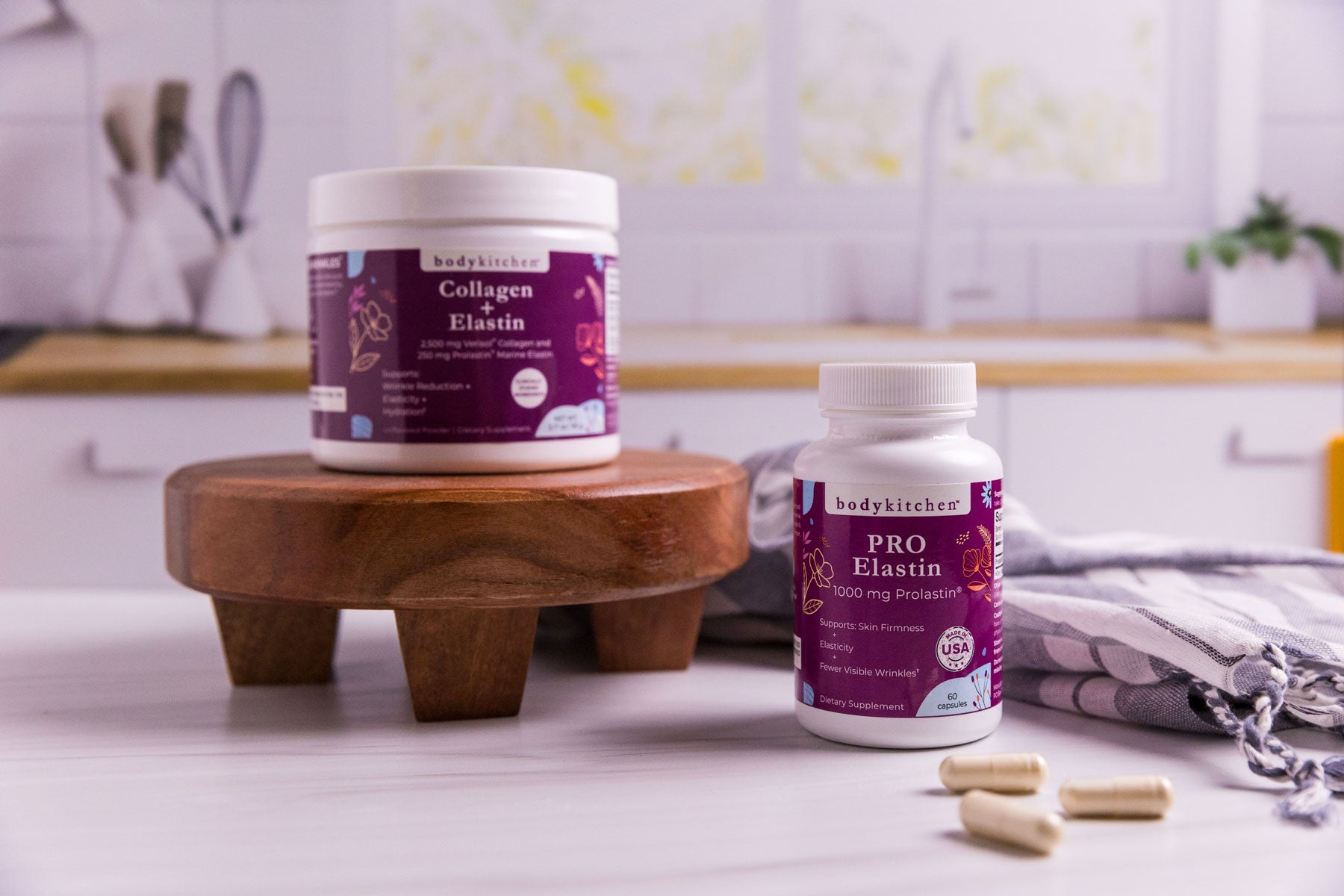
Every New Year starts with good intentions. Whether it’s to eat better, move more, or finally prioritize wellness, most resolutions lose steam by February. Instead of setting lofty goals, 2026 is the perfect time to focus on sustainable self-care. That means caring for your body, your energy, and your skin, starting with something many people overlook: elastin. What Is Elastin and Why Does It Matter? Most people are familiar with collagen. It’s a structural protein that gives skin its firmness and strength. But elastin plays an equally important role in skin and overall tissue health. Elastin is the protein that gives your skin flexibility. It helps tissues like skin, arteries, and lungs stretch and return to their shape. As you age, elastin naturally breaks down and your body produces very little new elastin after adolescence. This decline can lead to sagging skin, reduced firmness, and visible signs of aging. Supporting elastin is key to maintaining skin that looks and feels youthful. The good news is that with the right nutrients and habits, you can help protect your existing elastin and support your skin from within. Daily Self-Care for Skin, Energy, and Resilience Rather than trying to overhaul your life in January, focus on simple, consistent habits that make a difference. These three self-care strategies can help you support elastin, skin health, and overall wellbeing throughout the year. 1. Eat for Skin Elasticity and Hydration Winter is the perfect season for warm, nourishing meals. Soups, broths, and stews are hydrating, easy to prepare, and a great way to deliver key nutrients. For added skin support, try Collagen + Elastin Powder. This formula contains clinically studied elastin peptides combined with marine collagen. Together, they help maintain skin elasticity and firmness. It blends smoothly into hot beverages, soups, or smoothies, making it easy to include in your daily routine. 2. Stress Less and Support Skin Health Chronic stress impacts more than your mood. High cortisol levels can break down collagen and elastin fibers over time, which may lead to dull or sagging skin. Building daily habits to manage stress can protect both your skin and your health. Try adding short walks, deep breathing exercises, or a screen-free bedtime routine to your day. Reducing blue light exposure before bed and getting consistent sleep are also key steps toward better recovery and skin repair. 3. Strengthen Immunity and Skin with Vitamin C Vitamin C is a powerful antioxidant that plays a direct role in the synthesis of both collagen and elastin. It also supports immune function, which is especially important during colder months. Vitamin C Shield provides 1,000 mg of high-potency, non-GMO vitamin C in each serving. It helps strengthen your body’s defenses while also supporting skin repair and regeneration. For a more complete nutrient foundation, consider Women’s Multivitamin with OptiFolin and VitaCholine. It delivers essential vitamins, bioavailable folate, choline, and antioxidant support to help fill common nutritional gaps. Why Elastin Is the Missing Link in Your Skincare Routine While collagen gets most of the attention in skincare, elastin is just as vital to skin integrity. It’s what gives skin the ability to stretch and bounce back. As your natural production slows with age, it becomes more important to support and protect the elastin you still have. Pro-Elastin is a concentrated elastin peptide supplement formulated to promote skin elasticity and support connective tissue. It is ideal for anyone looking to help maintain firmness and resilience as part of a holistic wellness routine. Start Small. Stay Consistent. In 2026, leave behind the pressure of extreme resolutions. Focus on what you can do today. Whether you add a scoop of Collagen + Elastin Powder to your morning tea or start winding down earlier to improve your sleep, the benefits of small, steady changes can be powerful. When you support your skin, stress response, and immune system together, you create a strong foundation for aging well and feeling your best. Explore Skin-Supporting Wellness Pro-Elastin – Elastin peptide formula for skin and connective tissue Collagen + Elastin Powder – Dual-action formula with marine collagen and elastin peptides Vitamin C Shield – Antioxidant and immune support Women’s Multivitamin with OptiFolin and VitaCholine – Foundational daily wellness

Hyaluronic Acid: The Moisture Magnet Your Skin Craves
When it comes to hydrated, glowing skin, few ingredients live up to the hype like hyaluronic acid. In the beauty world you will find it everywhere, from high-end creams to the best hyaluronic acid serum products found in stores and online. But what does hyaluronic acid do and how does it work? And how should you use it to maximize your skin’s health and appearance? Let’s look at hyaluronic acid benefits and break down the science behind this small but mighty molecule. Understanding This Molecule’s Role in Hydration and Plumpness Hyaluronic acid is a naturally occurring polysaccharide found throughout the body, providing key support to the skin, joints and eyes. Its primary role is maintaining hydration and supporting the structure of tissues.1 In the skin, hyaluronic acid acts like scaffolding, maintaining the skin’s firmness and structure while also providing hydration and elasticity. Unfortunately, hyaluronic acid levels start to decrease with age, UV exposure and environmental stress. Research suggests hyaluronic acid levels peak by age 25 and begin to decline thereafter, gradually leading to dryness, fine lines, and loss of volume.1 It's this decline that helps explain why hyaluronic acid benefits are so crucial – it helps restore hydration and overall structure to aging or damaged skin. How Hyaluronic Acid Attracts and Retains Water Hyaluronic acid is often referred to as a “moisture magnet,” and for good reason. Its superpower is being able to absorb and retain a significant amount of water, which helps the skin in many different ways. When applied topically or ingested orally, hyaluronic acid gets into the dermis of the skin and draws water in. This leads to:2 Improved skin hydration Enhanced elasticity Smoother, more vibrant skin It’s this mechanism that makes hyaluronic acid a key ingredient in dry skin moisturizers, but it’s also suitable as a moisturizer for oily skin, since it hydrates without clogging pores or causing additional oil production. And even more importantly, hydration doesn’t just help skin look better – it improves barrier function, which helps protect against environmental damage and inflammation.3 Benefits of Topical Hyaluronic Acid for Wrinkles and Fine Lines One of the most immediate hyaluronic acid benefits is on fine lines and wrinkles. Numerous studies have shown that hyaluronic acid can help improve skin smoothness, elasticity and appearance of wrinkles with consistent use.4 While hyaluronic acid does not make up for or take the place of lost collagen, it creates a more hydrated environment that allows skin to look and feel refreshed and rejuvenated. Hyaluronic acid benefits wrinkles and fine lines by:5 Plumping the skin by retaining moisture Improving skin texture Reducing the appearance of wrinkles associated with dryness Enhancing the glow and vitality of the skin Body Kitchen’s Youthful Beauty Advanced powder is a great choice for skin that is starting to show signs of fine lines and wrinkles, offering hyaluronic acid along with collagen and other skin-supportive nutrients for a comprehensive anti-aging approaches. Selecting the Best Hyaluronic Acid Serums While many topical forms of hyaluronic acid are effective, not all serums are created equal. Choosing the best hyaluronic acid serum depends on formulation, molecular weight, and how its applied. Here’s what to look for:6 Molecular WeightLow-molecular weight hyaluronic acid penetrates deeper into the skin, while higher-weight formulations sit closer to the surface and provide more immediate hydration. Formulas that offer both types tend to deliver more comprehensive support. Supporting ingredientsHyaluronic acid works best with other skin-supportive nutrients such as antioxidants, niacinamide and ceramides. Look for a multi-targeted product to get the most bang for your buck. Proper applicationResearch suggests hyaluronic acid absorbs best on damp skin, so apply some light moisture before applying. Applying to dry skin may pull moisture out of the skin, which is obviously not the intent. Overall, the best moisturizers for dry skin have hyaluronic acid included, along with other ingredients to help your skin thrive. Maximizing Skin Plumpness with Internal Hyaluronic Acid Sources While topical skincare products are essential, skin hydration starts from within. Research suggests that oral hyaluronic acid supplementation can also support skin moisture, elasticity and wrinkle reduction over time.7 Unlike topical hyaluronic acid serum, taking this compound as a powder or supplement appears to support hydration internally, benefiting skin from the inside out. That is why Body Kitchen’s unique Youthful Beauty Advanced powder provides the full line-up of anti-aging and skin restoring ingredients. It combines hyaluronic acid with collagen and other nutrients to provide hydration support internally, which complements your topical skincare routine. Combine this with a healthy, anti-inflammatory diet and regular exercise, and you have a winning routine for healthy skin for years to come. The Bottom Line There’s no way to defy the aging process, but adding topical and internal skin support, such as hyaluronic acid, is a proven way to increase moisture to the skin and prevent signs of aging. Whether you choose to use a hyaluronic acid serum, a high-quality comprehensive moisturizer for dry skin, or prefer to support your skin’s youthfulness from within with Body Kitchen’s Youthful Beauty Advanced powder, all of these tools can help you achieve a lasting, youthful glow. But the real key is a multi-targeted approach, with both topical and internal options to maximize effectiveness. If your anti-aging skin routine only relies on topical creams and serums, consider rounding out your approach with Body Kitchen’s Youthful Beauty Advanced -- for results that are backed by science. References: https://pubmed.ncbi.nlm.nih.gov/40277717/ https://pmc.ncbi.nlm.nih.gov/articles/PMC8322246/ https://pubmed.ncbi.nlm.nih.gov/29229630/ https://pubmed.ncbi.nlm.nih.gov/37373443/ https://pmc.ncbi.nlm.nih.gov/articles/PMC12026949/ https://pubmed.ncbi.nlm.nih.gov/34176098/ https://pubmed.ncbi.nlm.nih.gov/38009035/

Quercetin: Nature’s Anti-Inflammatory Powerhouse
Inflammation affects us all. But it can be a force for good as well as a force for damage. Short-term inflammation helps us heal and fight infection, but chronic, low-grade inflammation quietly drives many modern health conditions, such as cardiovascular disease, cancer, allergies, immune disorders and obesity. That is why giving our body the tools it needs to fight inflammation through an anti-inflammatory diet and when needed, supplements, is so critical. One incredible inflammation-fighter found in many everyday foods is a compound called quercetin. Known for its anti-inflammatory, antioxidant and immune supportive benefits, it’s one of the most effective natural anti-inflammatory aids we can get from diet and supplements. Let’s take a closer look at exactly how quercetin benefits health and why it could be your new best friend when it comes to beating inflammation for good. Exploring this Flavonoids’ Role in Immune and Cardiovascular Health Quercetin belongs to a class of phytonutrients called flavonoids, which are key components in foods that are part of an anti-inflammatory diet. In the body, flavonoids such a quercetin help neutralize free radicals that would otherwise damage cells and tissues, including our heart and vascular system.1 In fact, studies suggest that potent antioxidants like quercetin can protect our cardiovascular health by:2 Improving the function of blood vessels Reducing inflammation within the arteries Keeping blood pressure regulated Lowering overall inflammation, which reduces stress on the heart In addition, quercetin benefits the immune system as well. Research shows it can increase the ability to fight off viruses, help regulate the production of important immune cells, and reduce overactivation of these defenses (ie calming down inflammation), which keeps our immune response in balance.2 This is why a healthy diet as well as anti-inflammatory supplements that include quercetin are something to consider for those looking to optimize overall health. Quercetin’s Anti-Inflammatory Mechanism Explained One reason that quercetin is so powerful is that it acts as a natural anti-inflammatory in several different ways. Research shows that quercetin can:3,4 Inhibit a signaling pathway called NF-kB, which drives chronic inflammation Reduce the output of inflammatory cytokines such as TNF-a and IL-6 Stabilize mast cells (which contribute to allergic reactions), and prevent excessive histamine release Decrease lipid oxidation, which keeps cells and blood vessels healthy and may even help people with fatty liver disease Quercetin’s ability to target multiple inflammatory pathways is why it is often touted as one of the most anti-inflammatory supplements, especially for those dealing with chronic inflammatory issues or allergies. Targeting Seasonal Allergies with This Flavonoid Quercetin is most known for its role in fighting seasonal allergies – and for good reason. Because quercetin can help regulate mast cells, which produce histamine, it can help ease allergy symptoms, such as:5 Sneezing Congestion Post-nasal drop Itchy eyes and skin Studies suggest it can take several weeks for quercetin to take effect, and for those with known seasonal allergies, taking it prior to developing symptoms may be helpful.5 But always discuss with your doctor first to make sure quercetin is appropriate for your allergies and other health conditions. Food Sources and Supplement Dosage Thankfully nature offers us many anti-inflammatory foods that are rich in quercetin! Some of these common food choices include: Onions Apples Berries Leafy greens Broccoli Asparagus Red grapes Tomatoes Capers While these foods are great sources of quercetin, most with seasonal allergies or other chronic inflammatory conditions likely need a larger and more consistent dose. This is where anti-inflammatory supplements like quercetin are key. Typical supplemental doses of quercetin range from 250-500mg per day for general anti-inflammatory and immune support, and up 1,000mg per day if additional support is needed for severe allergies or other critical inflammatory issues.6 Maximine Quercetin Absorption Benefits One major concern with quercetin supplements is that it isn’t always well absorbed. Fortunately, there are a few ways to maximize absorption and increase the effectiveness.7 Pair with vitamin C and other antioxidantsVitamin C helps regenerate quercetin’s antioxidant capacity, and that can help increase its effectiveness for longer. Take with mealsQuercetin tends to be better absorbed with fats and other nutrients. While some supplements work best on an empty stomach, make sure to take quercetin with foods. Choose a supplement that uses a more bioavailable formNot all quercetin supplements are created equal. There are forms that studies have shown to be better absorbed and hence more effective. One form, called Quercefit, has shown exceptional absorption by the body.7 This is the compound that Body Kitchen uses in its Mega NAC + Quercetin, making it a high-quality, highly bioavailable choice. Additionally, Body Kitchen adds N-acetyl cysteine (NAC), which increases glutathione, our body’s master antioxidant, which further enhances quercetin’s ability to fight inflammation. For the best way to consistently increase your quercetin levels and target inflammation and allergies, eat a well-rounded anti-inflammatory diet, and consider adding extra support from high-quality supplement like Body Kitchen’s Mega NAC + Quercetin. Final Thoughts Quercetin is a powerful natural anti-inflammatory that studies have shown can have a meaningful impact on chronic inflammation, immune function, cardiovascular health and seasonal allergies. Thankfully we have many foods that are rich sources of quercetin, and including these as part of an anti-inflammatory diet can provide a huge boost. But a high-quality supplement can be very helpful as well, especially for those needing higher and more consistent dosages to see results. But remember, no single compound works in isolation. Supplements can make things easier, but the greatest benefit comes from pairing quercetin foods and supplements with a diverse array of anti-inflammatory foods. When used thoughtfully and in conjunction with other healthy habits, quercetin shines as an anti-inflammatory powerhouse. References: https://pubmed.ncbi.nlm.nih.gov/35458696/ https://pubmed.ncbi.nlm.nih.gov/39306817/ https://pubmed.ncbi.nlm.nih.gov/32957369/ https://pubmed.ncbi.nlm.nih.gov/31452288/ https://pubmed.ncbi.nlm.nih.gov/35776034/ https://www.ncbi.nlm.nih.gov/books/NBK556474/ https://pubmed.ncbi.nlm.nih.gov/40037045/

Winter Pine Collagen Hot Cocoa
’Tis the season for sipping warm, chocolaty, decadent drinks. Skip the overly sweet pre-made mixes and enjoy this winter-inspired cocoa with pine simple syrup and collagen protein. Better yet, make your own pine syrup (recipe below) and bottle it up for holiday gifts. Pine syrup, Body Kitchen Youthful Beauty Advanced, and a recipe card make the perfect gift basket! For the Hot Cocoa Prep time: 10 minutesMakes: 2 servings Ingredients 3 cups soy milk, or milk of choice 3 scoops Body Kitchen Youthful Beauty Advanced 2 tablespoons unsweetened cocoa or cacao powder 1 tablespoon pine simple syrup (storebought or homemade, see below), or to taste ½ teaspoon vanilla extract Optional toppings: coconut cream, whipped cream, chocolate shavings, marshmallows Directions Combine milk, Body Kitchen collagen, cocoa, pine simple syrup, and vanilla in a blender and blend until smooth. Transfer the mixture to a small saucepan over medium heat. Heat until warm and barely simmering. Don’t boil. Pour into festive mugs and top with your favorite toppings. Nutrition facts (1 serving, without toppings): 225 calories, 19 grams protein, 11 grams fat, 17 grams carbohydrate, 3 grams fiber For the Pine Simple Syrup Prep time: 25 minutesMakes: about ½ cup Ingredients 1 cup fresh pine needles 1 cup water ½ cup sugar Directions Place the pine needles in a bag or on a cutting board, then roll them with a rolling pin to release the oils. Add the pine needles to a small saucepan with the water and sugar. Bring to a simmer and continue simmering until the liquid has reduced by about half. Strain out the pine needles, let cool, and store in a covered glass container in the fridge. Nutrition facts (1 tablespoon): 48 calories, 0 grams protein, 0 grams fat, 12 grams carbohydrate, 0 grams fiber

The Hidden Power of Smell
Forget the smelling the roses. Your nose knows when winter has arrived. Scents of forest pine, spiced cinnamon and crisp, frosty air are a sensory boost and make the season come alive. Regardless of the season, scents have the power to evoke warmth and nostalgia, energize and uplift, or send shockwaves through your system. A pleasant aroma to you may be an offensive odor to someone else. This is the wonderful and complex world of your olfactory system, the network of communication between your nose and brain. In an instant, your sense of smell taps into your emotional core, sends warning signals throughout your body, and activates memories. And its influence over mood, sleep, energy, appetite and joy is extraordinary. Scent and Satiety Have you found yourself suddenly hungry after walking past a restaurant? The smell of food literally makes your mouth water by triggering a digestive response. Brief exposure to food smells activates the release of saliva and gastric acid in preparation to receive a tasty dish. But prolonged exposure to smells has the opposite effect by increasing satiety and suppressing appetite. You can take advantage of this built-in hunger control by eating with all your senses as you savor every bite. Research found that the olfactory system responds differently to certain scents. For example, black pepper and vanilla essential oils increase appetite, while citrus and mint essential oils decrease it. * Uplifting Aromas Many of the terpenes—or fragrance compounds—that curb cravings are also known to energize and help balance mood. The olfactory system sends signals straight to the limbic system, especially the amygdala and hippocampus, where motivation, emotions and memories are activated. Limonene is the zesty, most abundant citrus terpene found in many citrus fruits, and it can boost levels of mood-balancing serotonin. Menthol in peppermint has been shown to increase exercise performance. * And eucalyptus compounds eucalyptol and camphor boost mental alertness and fight fatigue. Scents that Shape Sleep Certain aromas can ease tension and shift your mind into relaxation mode by sending signals to your stress center. Lavender is perhaps the most universally recognized calming scent. Two potent terpenes—linalool and linalyl acetate—enhance GAMA activity, which you need to feel relaxed and drowsy. According to a study, lavender oil increases sleep quality and may be an effective intervention for countering serious sleep problems. * Terpineol, found in pine, interacts with the body’s neurological and endocannabinoid systems to produce a sedative effect that relaxes muscles and winds down the brain. (For a soothing forest-y twist on a classic seasonal beverage, try our deliciously aromatic Winter Pine Hot Cocoa recipe.) Comfort and Scent Scent helps us feel closer to the people we love. A loved one’s favorite cologne or the way their hoodie smells can make us feel content, connected and even spark arousal. The familiarity of scent is also what helps a child feel comforted by their parent. But just as scents can evoke positive feelings, they can also be coded with negative memories. When the olfactory bulb processes a scent, it triggers the release of neurotransmitters related to the emotions of the experience. A happy or nostalgic thought triggers feel-good hormones, such as dopamine and serotonin. On the other hand, an adverse emotion may trigger cortisol and adrenaline, two of the body’s stress hormones. Hazard Protection Have you noticed how quickly you react when you get a whiff of a gas leak or smoke from a fire? Or when you catch an unpleasant odor, such as second-hand smoke as you’re walking down the street or a co-worker’s microwaved fish leftovers? Ever the protector, your olfactory system sprints into action to detect potential threats. It scans the composition of odors to identify the offending molecule, such as mercaptan added to natural gas, or trimethylamine in fish proteins. Through electrical impulses, it communicates with the brain to trigger the alarm and engage muscles, focus and other activities needed to keep you safe from harm. Supporting Your Sense of Smell Your olfactory system is connected to everything you do and turns everyday moments into satisfying moments of joy. This includes amplifying the flavor of foods. When you chew, the aromas travel up to your nasal passages, leading to a more complex flavor profile. Without a strong sense of smell, even the small pleasure of eating loses its spark. To help keep your smell receptors nimble, practice smell training. Sniff a variety of potent aromas for 15 seconds, such as essential oils or fragrant household items like coffee or flowers, to stimulate the olfactory receptors and nerves. Nourishing olfactory tissues is also vital. Certain nutrients have been identified as supporting a strong sense of smell: Vitamin A – promotes a healthy nasal lining, where receptors are located, and helps to renew and repair receptors * Vitamin D – enhances odor detection; a deficiency has been linked to a reduced sense of smell * Zinc – helps reduce nasal inflammation and supports a zinc-dependent enzyme that is vital for smell and taste * Support your senses with daily nourishment from Body Kitchen Women’s Multi. It contains 100% of the recommended daily values of vitamins A and D, and zinc, plus B-vitamins and other nutrients that support olfactory tissue function. With a few tiny shifts to your daily routine, you can help keep your senses strong, your smell active, and connections strong.