Blog


Using NAC for Your Pre-Summer Detox: What You Need to Know
What Is N-Acetyl Cysteine (NAC)? NAC stands for “N-acetyl cysteine” and is a form of the amino acid cysteine that some take in supplement form. As an amino acid (i.e., a building block of protein), cysteine is also commonly found naturally in most high-protein foods, including meat, nuts, dairy products, and beans. The benefits of NAC supplements are typically related to the fact that NAC is an essential “ingredient” in the body’s production of the potent antioxidant glutathione, along with the amino acids glutamine and glycine. Antioxidants such as glutathione may counteract the effects of free radicals throughout the body, which then creates oxidative stress which is thought to lead to cell damage over time. Thus, it is no surprise that those with liver conditions such as non-alcoholic and alcoholic liver disease, cirrhosis, and hepatitis also have below-average levels of glutathione. Supplementing with NAC may increase overall glutathione levels by providing one of the key ingredients for glutathione synthesis. Glutathione’s positive effects include its antioxidant effect, support of the immune system, and protection of the liver and kidneys. Does NAC Remove Toxins from the Body? Although technically, NAC does not remove toxins from the body, one of its key benefits is thought to be that it can support the body’s own detoxification processes to reduce damaging oxidative stress on the liver and kidneys. How Much NAC Should I Take to Support Detoxification? When taken orally, the body needs to absorb the NAC better since NAC has relatively low bioavailability. Taking 600 to 1,800 mg of NAC per day can provide an adequate NAC dose that may help detoxification support. How Long Does It Take to See Benefits from NAC? Since everyone’s body is different, it’s impossible to predict exactly when to expect to see benefits from taking NAC supplements. However, one double-blind, placebo-controlled study found that participants had signs of lower oxidative stress (including reduced blood pressure and improved heart health) after four weeks of NAC supplementation. Therefore, an estimate of several weeks to begin noticing benefits from taking NAC seems reasonable. What To Expect When You Start Taking NAC You may or may not notice immediate effects after beginning to take NAC. However, if your body’s glutathione levels are insufficient, you may see more energy, improved sleep, better focus, and other signs of improved detoxification and full-body health. NAC for Pre-Summer Detoxes Research-Based Benefits Numerous studies have shown that NAC can support the body’s detoxification processes. NAC is used to chelate and reduce the side effects of exposure to heavy metals such as mercury, lead, and cadmium, and its efficacy has been demonstrated in both animal and human studies. Likewise, doctors may administer NAC intravenously in cases of acetaminophen overdose to minimize resulting kidney and liver damage. In those with nonalcoholic fatty liver disease, glutathione (NAC is an essential precursor) may help reduce damage to liver cells. Further well-designed studies that include control groups of larger sizes will go a long way toward better understanding of the benefits of NAC for supporting detoxification. NAC and Natural Detoxification Pathways NAC may support detoxification by helping the body utilize its natural detoxification pathways more effectively. It is thought to do so by increasing glutathione levels, which are vital to the liver’s conjugation reactions when glutathione is bound to toxins to render them water-soluble and more accessible for the body to excrete. Complementary Detox Practices to Pair With NAC While engaging in a pre-summer detox, other practices may enhance the detoxifying effects of NAC when combined with NAC supplementation. Consuming a diet that’s high in antioxidants by emphasizing the intake of colorful fruits and vegetables, whole grains, fatty fish, legumes, olive oil, nuts, and seeds can usually make the antioxidant properties of NAC even more effective. By contrast, unhealthy diets such as the standard American diet may increase oxidative stress, potentially even counteracting the benefits of NAC supplementation. Avoiding consumption of and exposure to chemicals and toxins is thought to be yet another effective detox practice to pair with NAC supplementation. It is often recommended to refer to EWG’s Skin Deep database to find non-toxic cosmetic and personal care products and the EWG Verified guide to cleaning products for non-toxic household cleaners. In addition, plastic containers should commonly be avoided for food and drink, and instead, glass or stainless steel should be chosen to prevent plastic’s potential endocrine disruptors and carcinogens. Reducing stress may be one of the best ways to support the body’s detoxification processes while improving general health and well-being. Chronic, unrelenting stress may increase inflammation and increase the risk of hypothalamic-pituitary-adrenal axis dysregulation. Regular physical activity may also reduce inflammation and oxidative stress, while practices such as meditation may help improve mental health and stress management. NAC Side Effects Potential side effects of NAC supplements, which are more likely to occur when taking high doses, can include nausea, transient skin rash, flushing, vomiting, stomach pain, diarrhea, constipation, and heartburn. NAC may also lower blood pressure and slow blood clotting, which can be dangerous for certain people. NAC Supplementation Numerous NAC supplements are on the market, so which is the best? The most effective NAC supplements contain complementary ingredients that enhance NAC’s benefits through their synergistic effect and compounds that increase NAC’s bioavailability and absorption. Body Kitchen’s Mega NAC + Quercetin checks all these boxes, making it a standout among NAC supplements. What Sets Apart Body Kitchen’s Mega NAC + Quercetin? Clinically Effective Doses of All Ingredients Body Kitchen’s Mega NAC + Quercetin is thought of as the best NAC supplement since it is formulated with clinically effective doses of its key ingredients, including 600 mg of NAC per dose. This increases its capacity to support respiratory function and the natural cleansing processes of the liver and keeps the body’s inflammatory response within a healthy range. 600 mg of Quercetin In addition, Mega NAC also contains 600 mg of Quercetin, an anti-inflammatory and antioxidant plant pigment that’s often found in numerous fruits and vegetables. Supplementing with Quercetin may minimize the risk of developing chronic diseases by reducing damage to tissues by free radicals, thereby reducing oxidative stress. Because Quercetin is also an anti-inflammatory, it may also help to minimize the risk of experiencing an overactive inflammatory response, which can contribute to illnesses such as chronic autoimmune conditions. Quercetin has also been shown to support cardiovascular health improvements in clinical trials. 10 mg of BioPerine® Black Pepper Extract This supplement also contains 10 mg of BioPerine®, a patented black pepper extract containing 95 percent piperine. Studies show that taking BioPerine® with supplements may improve absorption of nutrients by more than 30 percent. Speak to a Doctor Before Adding a New Supplement Before you begin taking a supplement containing potent ingredients such as NAC, Quercetin, and BioPerine®, please consult a doctor to ensure that it is the right choice for your unique medical situation. Although the ingredients in Mega NAC + Quercetin are relatively low risk when taken at the correct doses, they do have the potential to interact with certain drugs. For instance, since NAC may slow blood clotting and lower blood pressure, those with low blood pressure, bleeding disorders, or blood thinning medications should most likely avoid taking NAC supplements.

What Effects Does Poor Gut Health Have on the Body as a Whole?
Does Gut Health Affect Your Whole Body? Yes, gut health may impact many systems and functions throughout the body, including the immune system, inflammatory responses, hormone metabolism, and even brain function and mental health. This is why symptoms of poor gut health can include not only obvious digestive problems, but also issues from chronic inflammation to anxiety and depression as well. What Is the Microbiome? The human microbiome consists of trillions of microorganisms, including bacteria, fungi, viruses, and even parasites, which live on and in the skin, the gut, the nose, and elsewhere. Most of these microbes are thought to be symbiotic, meaning that they are "good gut bacteria" that benefit from coexisting with humans, while humans also benefit from their presence. Symbiotic microbes may also help to keep the microbiome's typically smaller populations of pathogenic (disease-causing) bacteria in check. Why Is the Gut Microbiome Important to Overall Health? The intestines contain 90 percent of the microorganisms that make up the microbiome, and the gut microbiome is commonly involved in, and necessary for, numerous bodily processes, including digestion. Bacteria in the gut may help to regulate immune system function and inflammatory response, synthesize critical amino acids and vitamins (e.g., B vitamins and vitamin K), and even process and neutralize certain toxins in our food and environment. Effects of Poor Gut Health on the Body Gut Health and Immune System Function Gut health and the immune system's ability to function are integrally linked, with 70 percent of the immune system located in the gut. To be more specific, our gut microbiome may interact with immune cells in our gastrointestinal tract, effectively "educating" the immune system on how to respond appropriately to pathogens and other external threats. Gut Health and Chronic Inflammation Just as the immune system and gut health are critically linked, so are gut health and inflammation. This is since we’ve evolved in tandem with many species of bacteria that live in our digestive tract, and our immune system typically relies on these bacteria to regulate and modulate our immune responses. Eating a diverse diet rich in fiber that feeds beneficial microbiota may improve gut health and support the body's ability to recover from chronic inflammation, potentially reducing the risk of developing autoimmune diseases (which commonly arises when the immune system attacks parts of the body). Gut Health and Digestive Disorders Unsurprisingly, an imbalance in our gut bacteria (otherwise known as dysbiosis) may lead to gut issues such as diarrhea, constipation, as well as more serious gastrointestinal disease. Dysbiosis may be associated with conditions such as IBS, colitis, celiac disease, leaky gut syndrome, and colon and rectal cancer. Correlation Between Gut Health and Hormone Levels The Gut Microbiota's Role in Hormone Metabolism Gut health and hormones are firmly linked, with gut bacteria typically playing a key role in hormone balance for women. The term "estrobolome" commonly refers to the specific microbiota that metabolizes and modulates estrogen, an essential female hormone. Estrogen, in turn, regulates the composition of the microbiome. For this reason, poor gut health may contribute to hormone-related diseases, such as PCOS and endometriosis. Gut Microbiome Changes During Menopause Menopause and gut health are strongly associated since menopause may cause significant changes to the gut microbiome. Research in this area is in its early stages and is relatively limited, but a 2022 study found that post-menopausal women's microbiomes are more similar to those of men than premenopausal women, including lower estrogen levels. Because having higher estrogen levels is correlated with a more diverse microbiome, and microbiome diversity is linked to good health, this shift may negatively impact the body's health as a whole. Strategies for Improving Gut Health During Menopausal Transition The best diet for gut health and hormone balance incorporates fermented foods containing probiotics such as lactic acid bacteria. These include fermented dairy products such as yogurt and kefir, lacto-fermented sauerkraut, and other vegetables (vegetables should be pickled in saltwater, not vinegar, to ensure their probiotic benefits), kimchi, miso, and kombucha. In addition to consuming plenty of probiotic foods, prebiotics may also improve gut health during menopause. Prebiotics are foods that are rich in fiber and that "feed" the probiotic bacteria in your gut to help increase their population. Examples of common, effective prebiotics are thought to include whole grains, leafy greens, garlic, onions, asparagus, bananas, and flaxseed. Estrogen replacement therapy is a widespread treatment for menopausal symptoms that may benefit your gut microbiome. Although the changes in hormone levels that come with menopause may negatively impact the diversity of the microbiome, estrogen replacement therapy may help to combat this effect. Correlation Between Gut Health and Brain Health What's the Gut-Brain Axis? The link between gut bacteria and mental health is unsurprising, given that roughly 95 percent of the body's serotonin is manufactured by gut bacteria. Serotonin is a crucial neurotransmitter that regulates mood and emotions, sleep, digestion, wound healing, sexual desire, and more. When serotonin levels are too low or too high, this may result in mental and physical health issues. Probiotics, Prebiotics, and Dietary Considerations for Brain-Gut Health Although research on effective interventions to improve mental health via gut health supplements is in its infancy, some tried-and-true interventions are likely to have real benefits. For instance, taking probiotics for gut health may be a practical approach. However, it's essential to take the right probiotic. Consider choosing a probiotic that contains species of bacteria with scientific evidence backing up their benefits and, ideally, one that includes prebiotics to feed the good bacteria. A good probiotic supplement should also contain at least one billion colony-forming units (CFUs) per dose to ensure that there’s enough bacteria to produce tangible benefits. Body Kitchen's Gut Balance Body Kitchen's Gut Balance is a leading probiotic for gut health since it contains three strains of bacteria with benefits demonstrated in high-quality scientific studies: Bacillus Coagulans, Bacillus clausii, and Bacillus Subtilis. In addition, the best probiotics contain at least one billion CFUs per dose. Each two-capsule serving of Gut Balance includes a whopping six billion CFUs. Finally, Gut Balance contains both prebiotics and probiotics, which means that the beneficial bacteria will have an immediate food source once they reach your gut, enabling them to populate your microbiome and shift its balance more effectively. The prebiotics in Gut Balance is a proprietary blend of flavonoid compounds from oranges and grapefruits called MicrobiomeX®. According to one study, supplementing with 500mg of MicrobiomeX® per day increased populations of probiotic bacteria that produce a short-chain fatty acid called butyrate. Butyrate helps lower biomarkers for gut inflammation (such as calprotectin levels) and causes the gut lumen to secrete more antibodies, strengthening the gut barrier. Before incorporating a probiotic such as Gut Balance into your daily supplement routine, you should speak with a physician or other medical professional to ensure that it is a safe, beneficial choice for your health. Although probiotics are generally safe for those who are healthy, certain groups (such as immunocompromised people) may be at greater risk of side effects from probiotics.

Enjoying Chocolate Collagen Smoothies Couldn't Be Easier (or Healthier)
What Is Collagen? Collagen is a type of protein that accounts for approximately 30 percent of all the protein in the human body, 75 percent of the skin, and a significant fraction of the bones, muscles, tendons, cartilage, and blood. Collagen may contribute to joint health, skin elasticity and resilience, and hair and nail strength, among other significant effects. Even without consuming collagen-rich foods, the body can produce collagen by combining various amino acids (the molecules that makeup proteins) with crucial vitamins and minerals. To make collagen "from scratch," the human body requires the amino acids proline and glycine and vitamins C, zinc, and copper. The collagen in older bodies tends to deteriorate; although human bodies can produce their own collagen, generating more collagen to replace the broken-down collagen becomes increasingly difficult as we age. This is partly due to age-related nutrient absorption and synthesis challenges, especially in postmenopausal women. Thus, some people increase their intake of collagen-rich foods and take collagen supplements to provide the body with a complete, direct source of collagen. What Does Collagen Do? Collagen is a major component of many body parts and forms the structure and support for them. It also gives tissue the ability to bounce back after being stretched. In addition, collagen is involved in essential body processes such as blood clotting, replacing dead skin cells with new cells, forming a protective covering that surrounds the internal organs, and more. Collagen Benefits: What Is Collagen Good For? The likely benefits of taking collagen supplementally are numerous. Although more studies are needed to confirm these effects, preliminary research shows that taking collagen supplements and eating a collagen-rich diet may improve the health and function of the skin, joints, bones, hair, and nails. Collagen for Skin Health One of the most common reasons for collagen supplementation is to improve the health and appearance of the skin. Many studies have confirmed these benefits. In a systematic review of 26 high-quality, randomized controlled trials, collagen supplementation significantly improved skin hydration and elasticity compared to a placebo group. Collagen for Joint and Bone Health Collagen supplements are thought to improve overall joint health and function, especially in osteoarthritis patients. Some forms of collagen may even contain biologically active peptides that reach joint tissues and thereby help to protect the joints from pain, wear and tear, and inflammation. However, collagen's effects do take time; it may take three to five months of consistent, daily collagen supplementation to notice improvements in joint symptoms. Some collagen peptides have also been shown to improve bone mineral density. For instance, a randomized controlled study of 131 postmenopausal women found that daily intake of specific collagen peptides (SCP) increased bone mineral density by increasing bone formation and reducing bone degradation. Collagen for Hair and Nail Strength Although the current body of research does not definitively demonstrate that collagen improves hair growth, some studies show a significant benefit. For example, one study of the effects of fish collagen peptides on human cells in vitro and in mice suggested that they could be effective in preventing hair loss and improving hair regrowth in those suffering from alopecia. Collagen may also improve nail strength and increase nail growth. In a study of specific bioactive collagen peptides, 24 weeks of supplementation decreased the frequency of broken nails by 42 percent and increased subjects' nail growth rate by an average of 12 percent. Easy and Delicious Chocolate Collagen Smoothie Recipes If you’re convinced of the potential health benefits of collagen but uncertain of what to add to it, the following collagen drink recipes can make it simple to get your daily dose of collagen, and are so delicious that you might even forget about the health benefits. Collagen Smoothie Benefits Getting collagen through smoothies and shakes has several advantages that many don’t realize. First, for those with busy lifestyles, they make consuming collagen easy, regardless of your location. During your commute, at work, at home, or while running errands, it's as easy as sipping your collagen smoothie from your preferred insulated bottle. Second, collagen drinks also provide additional hydration, which is thought to be beneficial for skin health and overall wellness. Finally, preparing protein shakes with collagen makes it easy to conceal the flavor of collagen powder, which may be a concern for those who dislike the taste of these supplements. Basic Chocolate Collagen Smoothie Recipe This basic collagen smoothie is delicious and may even support your bodys health. It requires only a few minutes and five ingredients to prepare. Using high-quality ingredients ensures that you derive the maximum possible nutritional benefit from this recipe. Ingredients: 1 scoop Body Kitchen Youthful Beauty Advanced Powder One banana 2 tbsp cacao powder 1 tbsp honey 2 tbsp almond butter (or other nut or seed butter, such as sunflower seed butter) 1 cup water (or almond, oat, or other milk) Directions: Chop the banana into several pieces and put it in the blender. Add cacao powder, honey, and almond butter. Add water or milk of choice, to ensure that all ingredients blend well. Blend. Stir in a scoop of Youthful Beauty Advanced Powder. Drink and enjoy! Chocolate Collagen Protein Shake Recipe If protein consumption is a priority for you, this high-protein shake with collagen provides even more protein than the recipe above. This collagen shake recipe is also quite delicious and satisfying, making it an excellent choice for breakfast or an energy-boosting snack. Ingredients: 1 scoop Body Kitchen Youthful Beauty Advanced Powder One banana ½ cup strawberries 2 tbsp cacao powder 1 tbsp honey 2 tbsp almond butter or other nut/seed butter 1 cup milk of your choice ½ cup Greek yogurt Directions: Chop the banana and add it to the blender. Chop strawberries and add them as well. Add the Greek yogurt, milk, cacao, honey, and nut butter. Blend until completely smooth. Stir in a scoop of Youthful Beauty Advanced Powder. Pour into a glass and drink up! Collagen Powder Supplements Countless collagen protein powder supplements are available on the market, sometimes making it difficult to decide which product to purchase. Choosing a high-quality collagen supplement prevents exposure to contaminants and is thought to ensure the most tremendous possible health benefits from supplementation. What is the Best Collagen Supplement for Smoothies? Among the numerous collagen powders consumers can purchase, Body Kitchen's Youthful Beauty Advanced Powder is by far the best. Not only does each serving contain 10 grams of collagen, but it also includes hyaluronic acid and resveratrol, both of which may provide significant benefits to skin health and appearance. In particular, it's important to note that Body Kitchen's collagen powder has 30 times as many dipeptides as most other collagen protein powders. Consuming higher levels of these essential collagen peptides increases absorption, therefore maximizing the body's ability to use them as building blocks. Before beginning to take this, or any supplement, please speak with a medical professional to confirm its safety and appropriateness for your unique health.

Boosted Lavender Matcha Latte
Give your matcha latte a boost with the calming power of lavender and collagen + elastin! Matcha contains high amounts of l-theanine, an amino acid that helps calm the body and balance the stimulating effects of the natural caffeine in green tea leaves. Lavender flowers have a beautiful aroma and relaxing properties, making this latte an even more nourishing and delicious.

Which Supplements Can Help Me Enjoy a More Active Lifestyle?
Especially as spring and summer seasons are fast approaching, those with joint pain and less energy than they’d like to have may seek more information on the best supplements for joint health and athletic performance. There are quite a few natural supplements for increased arthritis health as well as increased energy that are available, so the question remains: based on the latest scientific research, which supplements are most effective in the quest for healthy joints and improved athletic performance? What Are the Most Effective Supplements for Joint Health? According to numerous and rigorous scientific studies, the following joint health supplements and vitamins are thought to have the most significant benefits for reducing pain and inflammation, while increasing mobility and overall athletic performance: B-Complex Vitamins Although B-complex vitamins don’t commonly have specific effects on joint pain, they are helpful as active life supplements since they may help increase energy levels and improve athletic performance. This is because B-complex vitamins are essential to the body’s process of turning food into adenosine triphosphate (ATP), which the body uses as its primary source of energy. Liposomal Curcumin Curcumin, typically derived from the widely used spice named turmeric, is known as one of the best supplements to relieve joint pain, due to its anti-inflammatory and antioxidant effects. However, many curcumin supplements often have poor bioavailability, so it needs to be more efficiently taken for maximum absorption. Liposomal curcumin typically avoids this pitfall by making the anti-inflammatory compound bioavailable, which makes it a much more effective supplement for joint health. Collagen Collagen is another choice of the best supplements for joint health and is an important component of the structure of healthy, youthful-looking skin and is thought to be essential for joint health. As people age, they tend to have less collagen in their joints, which may contribute to worsening inflammation and joint pain. Although more research on oral collagen supplementation is needed to confirm its benefits for joint pain, it is a relatively low-risk addition to a supplement regimen. It is worth taking for anyone who finds that it improves their symptoms and increases their mobility. Omega-3 Fatty Acids When researching supplements for support of arthritis and active lifestyles, an omega-3 fatty acid supplement may be one of the best choices, with proven benefits. Supplementing with omega-3 fatty acids from fish oil may help reduce inflammation throughout the body by partially inhibiting several key mechanisms of inflammation. Glucosamine Glucosamine is typically found in cartilage and may be another essential compound for healthy joint function. Glucosamine supplements are considered to be one of the most effective supplements for joint pain since they may minimize symptoms of arthritis and may also help to slow knee joint degeneration in those suffering from osteoarthritis. Further studies are needed to better understand the benefits of glucosamine, but due to the fact that it is a natural component of cartilage, supplementing with glucosamine is often viewed as low risk. Chondroitin Similarly to glucosamine, chondroitin is yet another substance found in cartilage. The two substances are believed to have similar mechanisms of effect and similar benefits for joints. For this reason, many joint pain supplements contain a combination of glucosamine and chondroitin. Studies of chondroitin’s benefits for arthritis have shown mixed results, but the results suggest that the compound may be able to improve joint health and function. Vitamin D Since vitamin D is known to aid in calcium absorption and retention, vitamin D may be one of the optimal vitamins to take for strong bones. Joints may also benefit from vitamin D supplementation since current research suggests that vitamin D may help with the pain and inflammation of osteoarthritis, but more studies are needed to confirm these benefits. In general, though, vitamin D is one of the most beneficial vitamins to take, especially for those who are deficient in vitamin D (which may cause numerous health issues). Green-Lipped Mussel Green-lipped mussel oil is a nutritional supplement derived from a New Zealand mussel species. Although scientists do not fully understand the mechanism underlying its health benefits, green-lipped mussel supplements have been shown to benefit osteoarthritis (but not rheumatoid arthritis) in combination with non-steroidal anti-inflammatory drugs (NSAIDs) such as ibuprofen. This may be because green-lipped mussels contain omega-3 fatty acids, demonstrating clear anti-inflammatory properties. Calcium Fructoborate Calcium fructoborate is a sugar borate in which a boron atom is attached to sugar molecules. A review of the existing research on the benefits of calcium fructoborate for joint health found that the compound is safe and effective in reducing joint pain and increasing mobility. Boswellia Serrata Taking a boswellia serrata supplement may improve symptoms of osteoarthritis pain and inflammation, as boswellia serrata extract has been shown to have anti-inflammatory, anti-arthritic, and analgesic (pain relieving) properties. Do Joint Supplements Work? It takes much research, often over lengthy periods of time and with large groups of subjects, to convincingly demonstrate that a supplement has particular health benefits, whether for joint health or other health concerns. Supplements should not be the sole treatment for diagnosed medical conditions such as osteoarthritis or rheumatoid arthritis; instead, supplements should be used as an addition (supplementary) that may help to reduce the symptoms and underlying condition(s) – in the case of arthritis: we are typically referring to inflammation. The supplements that are listed above have varying degrees of scientific evidence suggesting that they may help reduce joint pain and inflammation. Since everyone’s body is different, everyone’s response to supplements is typically also slightly different. Until you begin taking a particular supplement or set of supplements, you may not know exactly how they will impact your joint pain and inflammation. It’s good to know that many of the most effective joint supplements are relatively low risk to use, even if they aren’t particularly effective for you. The Best Supplement for Joint Health For those in search of the highest-rated joint supplement on the market, look no further than Body Kitchen ProMobility. It contains several of the leading ingredients for joint health combined into one convenient supplement. Body Kitchen ProMobility Body Kitchen ProMobility is the premier joint supplement available today, containing a combination of natural ingredients that may reduce cartilage breakdown, activate tissue renewal, and minimize stiffness for greater comfort and the ability to lead a more active lifestyle. As well as additional ingredients, ProMobility includes: New Zealand green-lipped mussels: Freeze-dried to lock in potency and maintain freshness; these bioactive marine proteins, minerals, and lipids may help fight inflammation in the joints. FruiteX-B® calcium fructoborate: This mineral complex has been shown to improve joint comfort by an estimated 87 percent. It is both fast-acting and long-lasting in its improvements to flexibility. AprésFlex® Boswellia serrata extract: This extract begins working to increase joint health and reduce pain in as little as five days and can provide effective joint relief even at relatively low doses. Taking ProMobility may improve overall flexibility, everyday comfort, and range of motion by neutralizing the inflammatory enzymes that contribute to the deterioration of joints, cartilage, and connective tissue. Two capsules per day contain the optimal amounts of each ingredient for increased joint health, meaning that those who take it maximize the nutrient benefits to ensure that they start seeing improvements in their symptoms as quickly as possible. Keep in mind that before incorporating ProMobility, or any other supplement, into your routine, please speak with a physician to ensure that it is safe and appropriate for your unique medical situation.

Can Diet, Exercise, & Protein Powder Get Me Back on Track in Time for Summer?
With spring in the air and summer just a few months away, many people envision lounging on the beach with their ideal summer body, wearing their favorite bathing suit, and wonder how to get ready for the summer season. To begin, yes; diet, exercise, and protein powder can get you back on track with your beach body goals in time for the sunny season. Read on for a realistic springtime plan that involves a combination of diet, exercise, and strategic supplementation. How to Get a Summer Body in Record Time Setting targeted and achievable diet, exercise, and body goals is the best way to get fit in time for summer. Together, following a healthy diet and exercise plan may provide a clear and manageable roadmap to preparing for summer over the next few months. Summer Diet Plan: Keep It Simple Each person’s needs for a summer body often look quite different from others (for instance, some may be focused on building muscle, while others are looking to lose fat, for which each requires a different approach). However, the following summer nutrition tips are a brilliant start and may benefit virtually anyone looking to improve their fitness over the next few months. Limit Sugar, Alcohol, and Processed Foods Three food and drink categories that will ruin virtually any healthy diet when ingested in large quantities are sugar, alcohol, and processed foods. As enjoyable as they may be for some people, those hoping to improve their overall health should consider limiting their intake of foods and drinks that fall into these categories. Consuming large amounts of added sugar typically causes a person’s blood sugar to spike then crash, increasing hunger and causing more cravings for sugar and refined carbs. This is why high sugar consumption is often associated with weight gain. Try to avoid sugary drinks, such as soda and sports drinks, as well as desserts, and prepackaged foods that may contain unnecessary added sugar, in order to limit overall added sugar intake. By decreasing processed foods you will naturally avoid trans fats and reduce saturated fats, two types of fat that when consumed in excess tend to drive fat storage. Prepare Healthy Meals and Snacks One of the best-known ways to eat healthier is to prepare nutritious meals and snacks in advance, so that they're on hand when you're busy and need a quick meal. Many people take a few hours each week (e.g., on Sunday, before the work week begins) to prepare meals for the upcoming week that they can store in the refrigerator or freezer so that meals are ready when needed. Following are examples of healthy, balanced, and tasty meals that can be prepared in advance: Breakfast: Egg "muffins" with vegetables and cheese Lunch: Brown rice, black beans with roasted vegetables and air fried crispy tofu Dinner: Baked salmon with quinoa and roasted sweet potatoes Snack: Protein shake with frozen berries, nut butter, and greens, or hummus with sliced vegetables and whole-grain crackers Preparing meals in advance can often save you money by making it less likely to order takeout or order from a fast-food drive-through on your way home from work, as well. Pay Attention to Macronutrients Weight loss is not simply about consuming and burning a certain quantity of calories each day. Achieving sustainable weight loss (as opposed to crash dieting) typically requires a balanced intake of macronutrients, or "macros": carbohydrates, fat, and protein. The proper ratio of macros will depend on your specific goals but, those pursuing fat loss may aim to consume 40 percent of their calories from carbohydrates, 20 percent from protein, and 40 percent from fats. Consuming enough protein is thought to be particularly important, as it may increase satiety and preserve muscle during weight loss. Keep Consistent Rather than losing a significant amount of weight quickly by eating as little as possible, pursuing a summer body in an achievable way usually involves making sustainable changes to your habits, as well as maintaining consistency in the changes made. This is why eating satisfying meals and avoiding skipping meals are thought to be essential. In addition, allowing yourself enjoyable, but occasional, treats may help you avoid the "all or nothing, black and white" mentality that frequently leads people to abandon their weight-loss goals all-together. Stay Hydrated Maintaining adequate hydration is essential for overall health and well-being, and it can often promote weight loss in combination with additional healthy behavior adaptation. In particular, replacing "empty calories" from liquids such as soda for juice with added water has led to weight loss for many. Once summer arrives, especially when sweating often, consuming electrolyte drinks that are low in sugar may help replace lost minerals. Take Protein Powder with Collagen Eating plenty of protein is thought to reduce overall hunger, increase satiety, and reduce food cravings. In addition to consuming protein-rich foods such as meat, fish, eggs, and nuts, you may want to consider supplementation with a healthy protein powder for weight loss and muscle gain. The Best Protein Powder with Collagen Body Kitchen's Youthful Beauty Advanced Powder is thought to be the optimum healthy protein powder with collagen containing hyaluronic acid and resveratrol. Collagen may help improve the skin's elasticity to reduce skin aging, which may therefore increase your overall body confidence while fitting in last year’s bathing suit as summer approaches. Resveratrol, meanwhile, is a potent antioxidant that may help the body to repair skin breakdown related to aging. What differentiates Body Kitchen collagen powder from other available options is that it contains roughly 30 times the number of dipeptides as most other similar competitor products. Dipeptides are important collagen peptides, and with more dipeptides may come higher absorption rates and more nutrition for those using this powder. It is always wise to speak with a physician before incorporating any supplement into your routine, to ensure that it is safe and appropriate for your medical and dietary needs. Summer Workout Plan: Summer Body Ready Diet is only half of the answer to questions regarding getting fit in time for summer. The other is incorporating a beach body workout routine. Following are some tips for genuinely effective summer workouts. Mix Strength Training with Cardio Both cardio and strength training can have weight loss and fitness benefits, which is why combining the two is thought to be more effective than sticking to just one or the other. Because research shows that muscle burns slightly more calories than fat, building more muscle can increase the energy you burn daily (your resting metabolic rate). Strength training also helps to maintain muscle mass during fat loss. Cardio (such as running or bicycling) raises your heart rate and is thought to burn more calories than strength training, often leading to more significant weight loss in the short term. Establish a Consistent Workout Schedule Just as a diet plan should be realistic, so should a workout routine. Consider creating a workout schedule that you can stick to for more than a few days or weeks at a time. For example, instead of planning to work out seven days a week (an unrealistic goal), shoot for working out three days per week and include rest days for more sustainable progress. Prioritize consistent exercise over intense exercise, as consistency is thought to be the key to body transformation. Find Forms of Exercise That Naturally Appeal to You Because consistency is commonly an essential part of executing a successful summer workout plan, choosing exercises that you enjoy is one of the most effective ways to set yourself up for success, especially if you hate going to the gym. Examples of more enjoyable and engaging forms of exercise other than run-of-the-mill exercise machines, include swimming, yoga, dancing, hiking, kickboxing, Zumba, rock climbing, and more. Work Out Socially for More Accountability and Enjoyment Another way to make exercise more fun and increase accountability (thereby increasing the likelihood that you'll exercise consistently) is by working out with a friend or a group of friends. Whether this means scheduling walks or runs together, planning to meet up at the gym regularly, or doing another form of exercise with a group, turning your workouts into social occasions is incredibly effective for improving the consistency of your exercise plan. Track Workouts and Progress Over Time The best way to track your progress will depend on the nature of the exercise plan, but either way, doing so can boost motivation and help you celebrate the successes. For example, maintain a journal with the exercises and number of reps/sets completed for each workout session, the weight you can lift during strength training, and other measurable metrics that improve over time. In conclusion, yes, diet, exercise, and protein powder can often get you on track to looking and feeling your best before the summer season is upon us. Just remember to visit us online at Body Kitchen's Youthful Beauty Advanced Powder and to consult a physician before beginning any supplementation routine, since everyone is different and has different medical needs as well as varied health goals.

Berry Cacao Collagen Smoothie
Youthful beauty starts on the inside with a healthy gut and nutrient-dense diet. Try this delicious smoothie packed full of antioxidants, fiber, minerals, and collagen protein to support total body wellness and glowing skin. It’s easy to fit into your routine as a quick breakfast or afternoon pick-me-up during the week or post-yoga treat on the weekend.

Is Your Gut Really the Root of Good Health?
You’ve heard the popular adage listen to your gut. It turns out that following this sage advice brings terrific benefits to your overall health and may even reduce your risk of physical and cognitive decline. Most people associate the gut strictly with digesting food, absorbing nutrients and eliminating waste. But incredible new research reveals that an intestinal pouch filled with trillions of bacteria, viruses and fungi holds the key to having clarity of mind, strong immunity, healthier heart and weight, and even driving motivation and behavior. Bacteria’s Home Base The gut microbiome plays a pivotal role within a sophisticated network of communication between the gut and nervous system. The gut microbiome is a colony of living microbiota that reside in the large intestine (colon) just after the small intestine.* And these bacteria hold sway over your health. Weighing in at 2-5 pounds, the gut microbiome has the heft of an organ, earning the name “the forgotten organ”. Up to 1,000 species of bacteria – some friends (probiotics), others foes (pathogens) – co-exist here, though not always peacefully. The higher and more diverse levels of probiotics you have to keep order in the colony, the healthier you are and more energetic you feel. So, keeping balance between good and evil bacteria means everything to your good health. Your “Second Brain” You know that strong gut feeling you sometimes get in certain situations when your mind tries to send you an urgent, albeit cryptic, message? It feels like a knot in your belly, but the sensation is actually crosstalk between your brain, stomach and intestines, called the brain-gut axis. According to emerging research, this interplay may influence the central nervous system (CNS), which controls brain function, as well as the enteric nervous system (ENS), hidden within the walls of the GI tract.** In fact, the ENS is often referred to as the second brain for its profound influence and ability to act independently.** Emotions, thinking abilities, mood, social behavior, and personality – all are reported to have a connection to chemical substances or signaling related to the gut’s microbiota, for better or worse. For example, some beneficial strains of bacteria can produce the feel-good hormone, oxytocin, while some harmful strains produce toxins associated with age-related cognitive and nerve impairments.* Immunity Starts in the Gut Up to 80% of immune cells call your GI tract home, making your gut your first line of defense against dark invaders seeking to sabotage your health.* There’s a symbiotic relationship between gut bugs and your immune response: gut bugs give immune cells cues, while the immune system helps keep the gut ecosystem balanced. And the greater diversity of bacteria there is, the more capable your natural defenses are at responding to pathogenic attacks.* An unbalanced ratio of good and bad bacteria can trigger inflammation rooted in many conditions that target cellular function, as well as some autoimmune ailments.* In fact, preclinical research indicates that shifts in bacteria composition may trigger a hostile autoimmune response that produces and tricks antibodies into targeting and destroying healthy tissue.* Cardiovascular and Metabolic Aid As we have long known, low-grade inflammation is a hallmark of many serious health conditions, including cardiovascular, metabolic and autoimmune issues. Gut bacteria can either activate or suppress inflammation as needed to keep your body in balance. And changes in gut bacteria, whether through poor diet or excessive use of antibiotics, can negatively impact these systems.* You may not link your heart to your gut, but the relationship is a strong one. Changes in certain types of bad bacteria may make it harder for you to maintain good HDL cholesterol levels and healthy blood pressure.* Additionally, early but exciting research suggests that changes in bacteria may lead to metabolic issues affecting weight and blood sugar stability.* Improved Digestion and Elimination It seems like old news, but your ability to absorb nutrients and eliminate toxins is deeply important to your short- and long-term health. The food you eat brings in protein, fats, carbohydrates, vitamins and minerals, all of which work to rebuild and renew every inch of you. And when it comes to fortifying the diversity of gut microbiota, plant fiber wins the prize. While insoluble fiber is the roughage that helps clean the intestines, soluble fiber consists of prebiotics that are fermented by and feasted upon by good bacteria. In other words, probiotics eat prebiotics. But bacterial diversity requires dietary diversity in the form of fiber-rich plant-based and fermented foods… not exactly fan favorites in the American diet. A few prime sources of prebiotics include barley, garlic, onions, artichoke, bananas, sauerkraut, kimchi, and everyone’s favorite, yogurt. Natural yogurt, and especially kefir, are also high in potent live strains of probiotics that help boost levels of good bacteria. Boost Gut Health Now Get your gut glowing with our fiber-filled Berry Cacao Smoothie recipe. This delicious smoothie is made with a variety of gut-friendly plant ingredients and a punch of live bacteria from our powerful Gut Balance formula. Gut Balance supports smooth digestion, GI health and robust immune defenses with a citrus prebiotic blend plus 3 live probiotic strains. Boost your gut’s response to inflammation in 12 weeks.* Spring is for renewal! Renew your gut health with BUY 2 GET 1 FREE Gut Balance. Save today on a single purchase or increase your savings to 30% OFF with Subscribe & Save!

Diet and Nutritional Supplements for Longevity
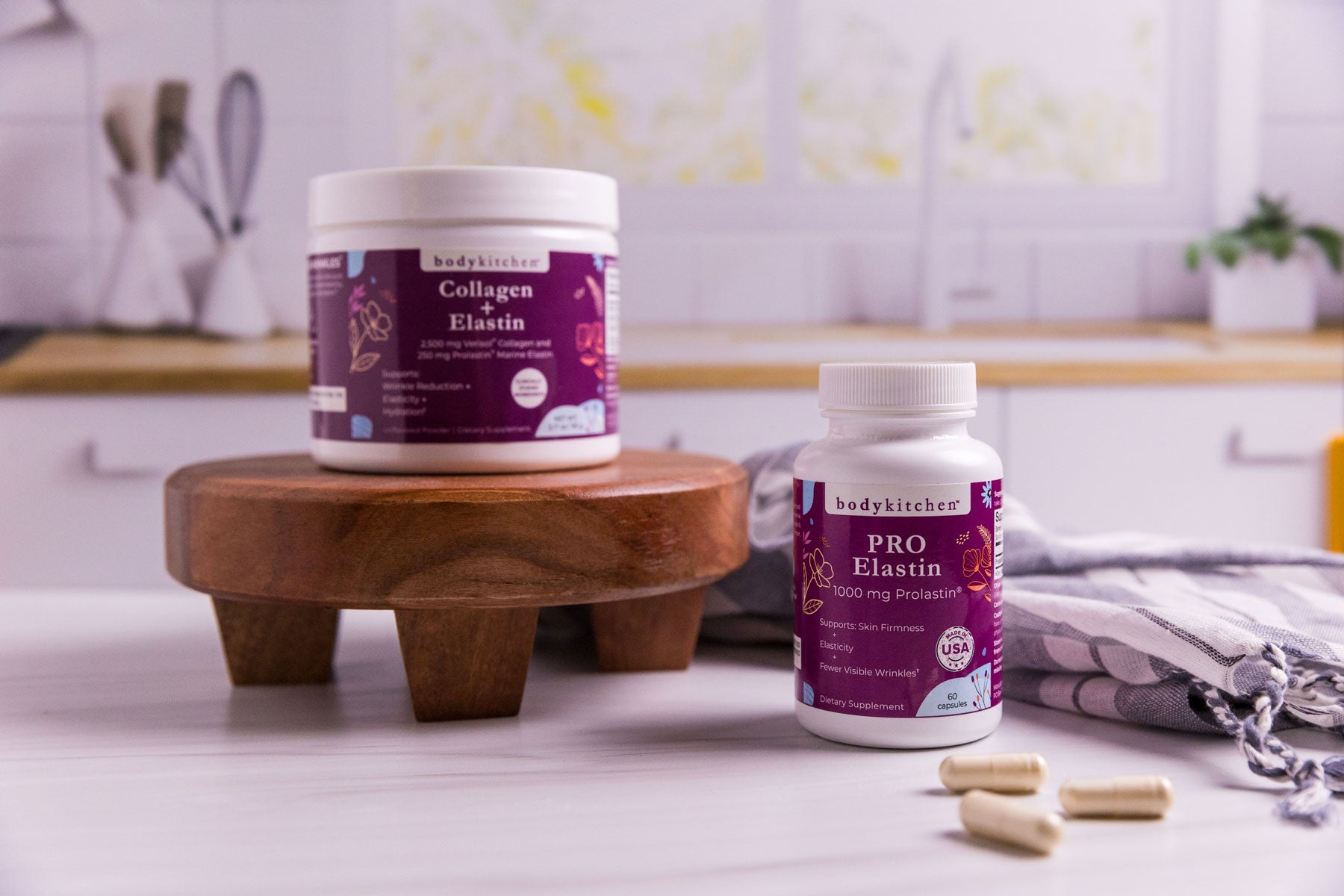
In a world where so many are seeking a "magic pill" to grant eternal life, the search for longevity supplements that work makes perfect sense. Due to the arduous work of countless scientific researchers, the human quest for longevity has evolved from a fairy tale to a truly science-backed endeavor. From supplements that protect against aging skin to those that extend the lifespan of cells, you may opt to discover the most effective, evidence-based supplements that are thought to promote longevity. What Are the Core Pillars of a Longevity Lifestyle? Even the most effective longevity supplements are significantly less effective when ingested on their own. Incorporating pillars of longevity into your daily habits is also essential to gain effectiveness. Balanced Diet The most advantageous diet for longevity is primarily plant-based, as diverse as possible, contains plenty of healthy fats (such as those found in olive oil and nuts), and is low in refined carbohydrates (i.e., processed carbohydrates and added sugar). In addition, a 2023 study by Harvard nutrition researchers found that an ideal longevity diet prioritizes whole grains, fruit, non-starchy vegetables, nuts, and unsaturated oils (e.g., olive, and sunflower oil). Regular Exercise Exercising consistently may be one of the most impactful ways to enjoy a longer, more active life. This is true even of moderate physical activity, such as weightlifting and walking, not only high-intensity exercise such as running. The Department of Health and Human Services recommends that everyone participates in at least 150 minutes of moderate-intensity exercise weekly. Adequate Sleep Since the body repairs damage during sleep, adequate sleep is essential for cellular repair and other routine bodily functions. Studies consistently demonstrate that good sleep is strongly associated with longevity. Maintained Mental Health Stress, especially chronic stress, is an enemy of longevity and has been shown to speed up the aging process. Struggling with mental illness may be a primary source of significant and long-term stress, which is why maintaining one's mental health is crucial for those pursuing longevity. Proactive and Preventative Healthcare Detecting and mitigating health risks by receiving recommended preventative healthcare, such as regular screenings for cancer and high blood pressure, can contribute significantly to longevity and prolonged life expectancy. What's the Difference Between Anti-Aging Supplements and Longevity Supplements? For those searching for the best "anti-aging" supplements, it's important to note that "anti-aging" is quite a misleading descriptor, despite its widespread use in the supplement industry. Even the best longevity supplements cannot completely stop the aging process, let alone reverse it. For most life on Earth, aging is an inherent biological process that will proceed no matter what. It's more accurate to refer to "anti-aging supplements" as "longevity supplements," which may help maintain your health and vitality while reducing your risk of age-related illnesses as you age. What Supplements Help with Longevity? The following supplements are backed by scientific evidence supporting their effectiveness in promoting longevity: N-Acetyl Cysteine (NAC) N-Acetyl Cysteine (NAC) is a form of cysteine, an amino acid, taken in supplement form. Cysteine is present in most high-protein foods, such as chicken, beef, fish, dairy products, beans, and nuts. Precursor to Powerful Antioxidants (Glutathione) The benefits of NAC are thought to be numerous. These benefits center on NAC's role in the body's production of glutathione, a powerful antioxidant, which neutralizes the free radicals that create oxidative stress and damage cells over time. The body requires three amino acids to produce glutathione: NAC, glutamine, and glycine. Since taking an NAC supplement typically provides the body with the building blocks needed to produce glutathione, NAC supplement benefits can include helping to increase glutathione levels in the body. Urolithin-A Urolithin-A is a substance produced by certain gut bacteria when they consume foods high in ellagitannins, which are polyphenols that are typically found in fruits and nuts such as pomegranates, strawberries, and almonds. Taking urolithin-A supplements may improve mitochondrial health. Stimulates Mitophagy and May Extend Cell Lifespan One of the most notable urolithin-A benefits is that it may stimulate mitophagy, which is the body's process of removing damaged or defective mitochondria. Dysfunctional mitochondria can be a sign of cellular aging, so by removing them from the cells and processing them back into the body, urolithin-A may also extend cell lifespan. Collagen Peptides Collagen peptides are small collagen-derived proteins that are relatively bioavailable (meaning they are accessible for the body to absorb). Protect Aging Skin and Tissues Collagen peptides may be among the best supplements for aging skin. The body begins to produce less collagen as people reach their thirties, and supplementing with collagen peptides may help counteract the effects of this natural decreased collagen production. Thus, the benefits of collagen peptides may include improved skin, joint, and bone function/health. Elastin Elastin is a protein that’s found in connective tissue that often contributes to the elasticity and resilience of the skin, blood vessels, and other organs. Elastin supplements are designed to support the body's natural elastin production and may promote skin elasticity, cardiovascular health, and tissue flexibility. Essential Micronutrients The following micronutrients are the most essential vitamins for longevity support: Vitamin C Vitamin C is an antioxidant that is thought to neutralize free radicals, which can damage cells and contribute to aging. Vitamin C is also crucial for collagen synthesis and immune function. Vitamin E Similar to vitamin C, vitamin E is an antioxidant. Vitamin E supplementation may also lower the risk of cardiovascular disease and Parkinson's disease. Vitamin D Vitamin D has several essential functions, including regulating hormone levels, immune responses, and cardiovascular health. Although it is synthesized in the body when the skin is exposed to sunlight, it may be worth supplementing with vitamin D since many people lack the regular sun exposure needed to synthesize enough vitamin D (especially in the winter). Research also suggests that vitamin D may increase life expectancy. Plant Flavonoids Plant flavonoids are found in various fruits and vegetables and are thought to have anti-cancer, antioxidant, anti-inflammatory, and anti-viral properties, in addition to helping to protect the heart and brain. Various flavonoids may have distinctive and specific health benefits. Quercetin Quercetin is a plant pigment and one of the most common antioxidants found in fruits and vegetables, including onions and berries. Not only may quercetin help to counteract free radical-related tissue damage and thereby minimize chronic disease risk, but it also may have anti-inflammatory effects to reduce overactive inflammatory responses in the body. Resveratrol Found in grapes, berries, red wine, and more, resveratrol is a polyphenol antioxidant that may increase longevity by activating enzymes called sirtuins. Early data on resveratrol's benefits for cardiovascular health and lifespan is promising, but more studies of its effects in humans are needed. The Best Supplements for Longevity Here are some of the best longevity supplements currently available on the market, which incorporate many of the potent compounds previously listed: Body Kitchen's Total Beauty Advanced Body Kitchen's Total Beauty Advanced helps to support smoother skin, thicker hair, and stronger nails after just four weeks. It does so with the potent combination of OptiMSM® (which supports collagen production), Cynatine® HNS (solubilized keratin that increases hair and nail health), and Prolastin Elastin® (which activates elastin and antioxidant activity in the skin to improve skin elasticity). In addition to this trio of proprietary, clinically proven actives, Total Beauty Advanced also contains biotin, hyaluronic acid, and several additional vitamins and minerals, all of which may further support skin, hair, and nail health. Body Kitchen's Pro-Elastin Body Kitchen's Pro-Elastin is formulated to help the skin resist aging, utilizing a variety of mechanisms to do so: increasing the moisture content of the skin, neutralizing toxins, and free radicals, and activating renewal of collagen and elastin. Its vital ingredient is Prolastin®, which comes from pure, concentrated marine protein peptides and contains twenty-two amino acids that may boost skin elasticity and firmness. Body Kitchen's Mega NAC + Quercetin Body Kitchen's Mega NAC + Quercetin supports respiratory function and may help to modulate the body's inflammatory responses. While NAC is a precursor to the powerful antioxidant glutathione, quercetin is an antioxidant and anti-inflammatory, which may reduce oxidative stress and lower the risk of chronic, overactive immune responses that can cause life-threatening illnesses. Mega NAC + Quercetin also includes black pepper extract, which has been clinically shown to improve overall nutrient absorption by 30 percent or more. Body Kitchen's Youthful Beauty Advanced Powder Body Kitchen's Youthful Beauty Advanced Powder combines collagen, hyaluronic acid, and resveratrol. While collagen is thought to increase skin elasticity and thereby reduce skin aging, resveratrol is an antioxidant that may support the body, as it helps repair aging-related skin breakdown. In addition, compared to other collagen protein powders, Body Kitchen's collagen powder has thirty times as many dipeptides, which are essential collagen peptides. Before adding any supplements to your routine, speak with a physician to confirm that they are safe and appropriate for your unique medical situation.