Blog

Homemade Electrolyte Drink with Unwind Minerals
When you are dehydrated, sluggish, and foggy, you may need more electrolytes to improve hydration and fluid balance. Dehydration is especially common after the holiday season, drinking alcohol, or intense exercise. Drinking enough water is only half of the hydration equation; electrolyte minerals help your body hold onto water and move it into your cells. Benefits of good hydration include: Clear thinking Better energy Fewer headaches Regular bowel movements Improved physical performance Detoxification Try this simple homemade electrolyte drink as an alternative to commercially available beverages full of refined sugar, food coloring, artificial flavors, and other additives. Add Body Kitchen Unwind Magnesium for a therapeutic dose of magnesium to support relaxation, muscle health, sleep, and much more.

Your Blueprint for Balanced Cholesterol and Blood Pressure
Every February since 1964 is American Heart Month, a time to increase awareness and have conversations about how to maintain our cardiovascular health and escape the grip of modern society’s most harmful health threat. Women are especially vulnerable to heart issues due to the composition and size of our blood vessels and muscular walls.* Every year, we lose 1 out of 5 of our sisters, according to the Centers for Disease Control and Prevention.* You don’t have to be middle aged to find yourself at risk, either: a whopping 44% of women over 20 are living with some form of heart issue.* While diet, exercise and lifestyle are contributing factors to heart health, our uniquely female biological makeup that governs pregnancy, menopause and emotional health can also influence the health and function of our tickers. Hormonal birth control, difficult pregnancies, early menopause, metabolic challenges and chronic relationship stress can raise our health risks.* No matter your age or health concerns, making minor changes in what you eat, how you move, and how you spend your time can immensely improve your heart health. The emphasis is on small – not stringent – tweaks to your daily choices and routine. To get you started, here’s a roundup of practical daily interventions for keeping you young at heart. For lower LDL cholesterol: Soluble fiber As of 2018, women are now more likely than men to experience unhealthy cholesterol levels.* LDL is the “bad cholesterol” you want to keep to a minimum, as is total cholesterol and triglycerides, another type of lipid. And HDL is the “good cholesterol” you want to maximize. These lipids can oxidize and degrade when an imbalance of free radical activity forces them to undergo harmful chemical reactions, leading to what we generally refer to as ‘high cholesterol’. But soluble fiber found in a group of plant foods that includes unprocessed oats, legumes, Brussels sprouts, broccoli, apples and pears has the ability to reduce the amount of cholesterol absorbed into your bloodstream. Eating 5-10 grams or more of soluble fiber every day can decrease your LDL, according to the Mayo Clinic. For balanced HDL cholesterol and triglycerides: Omega-3 fats The oldie but goodie of heart-healthy eating is omega-3, the fatty acid found in the fattiest of fish, including salmon, mackerel, tuna and trout – varieties we don’t eat nearly enough in our flaky white-fish society. The fat and oil from these food sources has been specifically shown to increase levels of good cholesterol while decreasing levels of triglycerides. But if you don’t have the palate for fatty fish, you can get small amounts of omega-3s from almonds, walnuts and flaxseed. By incorporating regular servings of omega-3s along with soluble fiber into your diet, you can balance your lipid levels and improve your cardiovascular health. For supple arteries and blood vessels: Vitamins D3 and K2 There’s a bank of clinical research showing that the combination of vitamin D3 and vitamin K2, which are the most bioactive forms of each vitamin, can substantially improve cardiovascular health. While the benefits of vitamin D for heart health and mood have been widely recognized, vitamin K is the unsung hero stepping out of its partner’s shadow. A patented form of vitamin K2 derived from flowers called K2 MK-7 has been clinically shown to support normal arterial function and maintain healthy blood vessels when combined with vitamin D. One of vitamin K’s key roles is to efficiently shuttle calcium to places where you need it, like bones and teeth, and away from places where you don’t want it to linger, like your arteries. Find the perfect balance and dose of this heart-healthy pair in our Vitamin D + K2 formula featuring patented, plant-based K2 MK-7. For balanced blood pressure: Pomegranates and grape seed Your cardiovascular system is the hub of circulatory activity. Blood pressure levels indicate just how hard your heart muscle has to work to circulate oxygenated blood throughout the body. The walls of well-functioning blood vessels, from large arteries to small capillaries, are normally pliable and relaxed. When they oxidize, they stiffen and lose elasticity, requiring your heart to exert more force to push blood through. This stress can lead to elevated blood pressure levels – known as the “silent killer” due to the lack of warning signs.* Pomegranate fruit is uniquely concentrated in punicalagins, a type of heart-protective antioxidant shown to promote balanced BP levels in humans in 8 weeks.* And, while grapes are known for their heart-healthy benefits, grape seeds possess the highest levels of phenolic activity.* Blood Pressure Balance combines clinical levels of premium pomegranate extract and winery-grade grape seed extracts to support normal blood pressure, healthy arterial function and healthy circulation. For a healthy heartbeat: magnesium Magnesium is recognized as an essential mineral that helps reduce muscle cramps and produces a zen state of mind, but this charged-up mineral is also an electrolyte involved in at least 300 enzymatic processes related to muscle and nerve function, blood pressure regulation, and absorption of calcium, potassium and vitamin D.** Specifically, magnesium is one of the top electrolytes needed to help keep your cardiovascular system’s electrical wiring from malfunctioning, thus, maintaining a healthy, smooth rhythm. Additionally, this supercharged mineral supports normal blood pressure, and its flair for fighting oxidation makes it a powerful aid for promoting overall cardiovascular health. In fact, a 2019 study review published in Cardiology Research and Practice implicated magnesium deficiency as being at the heart of a wide range of cardiovascular and other health issues.* Recharge your body’s electrical system with our refreshing, homemade electrolyte drink made with Unwind magnesium powder. It combines two high-absorption forms of magnesium – malate and glycinate – in an easy-to-mix powder. For an overall healthy heart: antioxidants Antioxidants are nutrients or compounds that neutralize excess oxidation and help repair damaged tissues and cells. Some are found in plants, such as polyphenols and vitamin C to help cellular structures withstand environmental stressors; others are produced in the body, such as glutathione, to inhibit the effects of oxidation. Increase your internal army of antioxidants by increasing your dietary intake of colorful fruits and vegetables. Each pigment supplies different types of active compounds to fight free radicals. And for extra support, supplement with one of Body Kitchen’s heart-healthy formulas for science-backed extracts and ingredients you can trust to be safe and authentic. For getting your heart pumping: aerobic activity Your heart is a muscle that, like any muscle in your body, benefits from the ‘strength training’ of regular, heart-pumping physical activity. When it comes to the best exercise for heart health, aerobic activities, such as brisk walking, jogging, dancing and bike riding, are the winners, hands down. By strengthening the heart muscle, aerobic workouts help increase the amount of oxygen in the blood that’s available to flow throughout the body, as well as enhances lung capacity and efficient removal of toxins. Plus, the release of feel-good endorphins is great for enhancing mood, memory and cognition. Combined, these benefits can reduce your heart risk factors and improve your overall health. For filling your heart: social connections Equally important for strong cardio health is a strong network of social connections. Whether it be through tight family, close friendships, community volunteering, and even work colleagues, having strong bonds to others fosters a sense of belonging that’s proven to be good for your heart. And where a life-threatening health issue is involved, those loving relationships can mean a 50% better chance of survival, according to Brigham Young University Study.* To put the importance of social networking into further context, researchers reported that having low social interactions was akin to smoking 15 cigarettes a day and being an alcoholic, is more harmful than being sedentary, and twice as harmful as being overweight! So, if you’ve been feeling the tinge of isolation lately, combine tools from this heart health toolkit by bringing extended family together for a healthy meal, schedule regular walks with your partner or neighbors, or blast your favorite playlist as you dance the night away with your closest buds. These activities may not feel like a doctor-prescribed program to get your cholesterol and blood pressure in check – but that’s the point! Because the heart healthy program that works is the one you enjoy and can live with in your daily life. In honor of American Heart Month 2024, we want you to honor your heart by locking in the healthy solutions you need with a Buy 2, Get 1 FREE offer on all Body Kitchen supplements. Whether you want to restore cholesterol balance, support your blood pressure, or reduce harmful oxidation, stock up in February with our B2G1 offer!

Collagen and Elastin for Loose Skin After Weight Loss
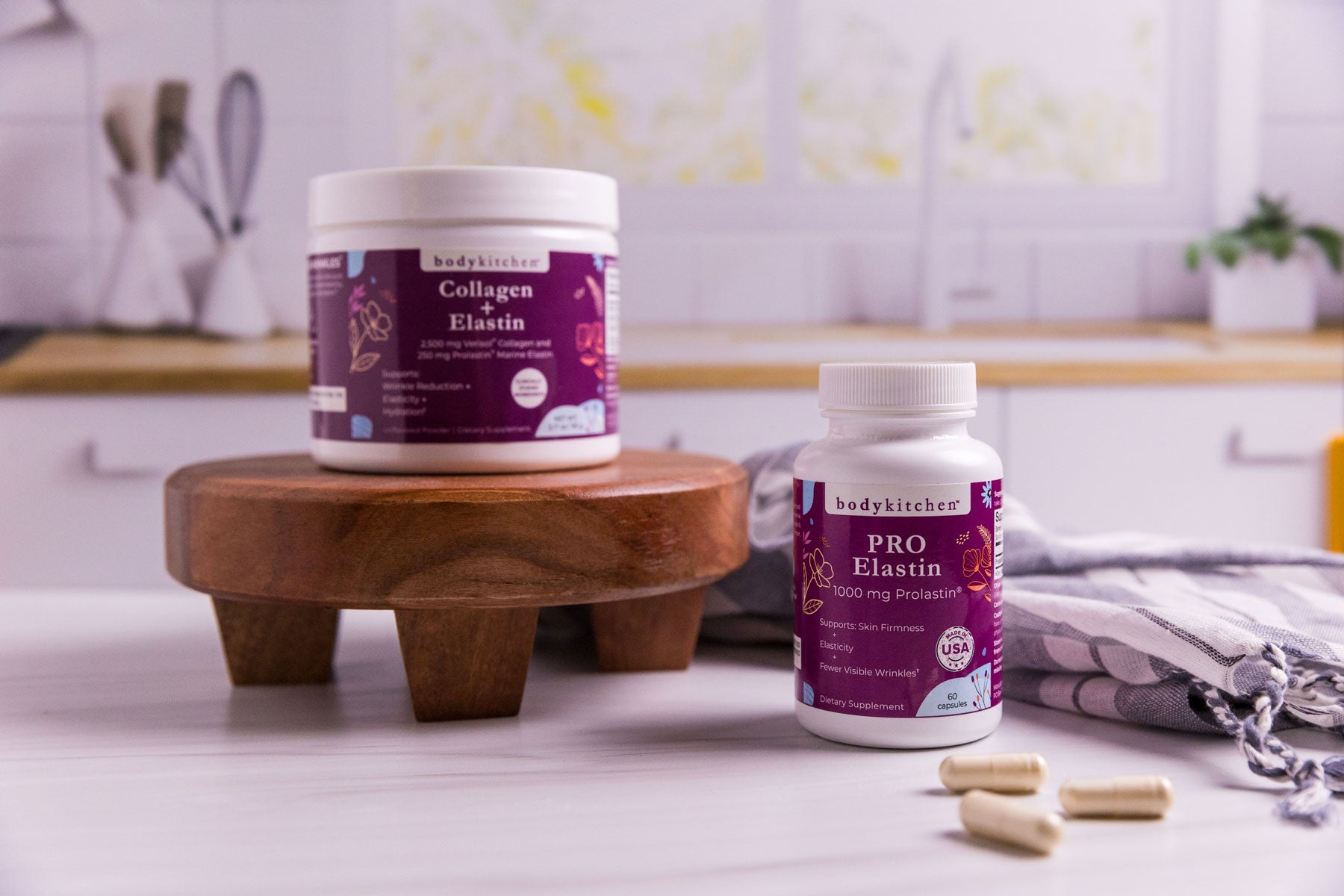
You’ve stuck to your diet; you’ve pursued your exercise program. You’ve committed to your health. You’ve lost the weight you wanted to lose — but now you’re faced with a new problem: loose skin. Loose skin is a natural side-effect of weight loss. It’s quite normal and something that will gradually resolve itself over time. […]

How to Reduce Inflammation in the Gut
Prior to experiencing symptoms such as gas, bloating, diarrhea, or constipation, most people don’t give much thought to gut health. But for those struggling with uncomfortable, inconvenient, or even painful digestive symptoms, the question of restoring gut health becomes an urgent concern. Gut inflammation arises as a response to irritation in the digestive system; when the immune system works to address irritation, which can cause swelling and pain. More severe gut inflammation is associated with potentially serious chronic gastrointestinal diseases such as irritable bowel syndrome (IBS), Crohn’s disease, and ulcerative colitis. Having a chronically inflamed gut can contribute significantly to numerous health problems, not only in the digestive tract but throughout the body, which may manifest in symptoms ranging from brain fog and headaches to joint pain and skin rashes. Gut inflammation can even impact mental health: the gut and brain are inextricably linked by millions of physical and chemical connections between the enteric nervous system (ENS) and central nervous system (CNS). This bidirectional connection is known as the gut-brain axis. The full-body effects of gut inflammation in more detail and provide guidance on how to improve digestion naturally at home and how to heal the gut for greater overall health and wellness. Before making any changes to your diet or supplement intake, please speak with a physician. Body Kitchen’s advice is not a substitute for speaking with a medical expert, since we are not aware of the reader’s possible medical conditions, etc. What Triggers Gut Inflammation? Those struggling with gut inflammation symptoms may benefit from avoiding certain habits and behaviors. The most common triggers of gut inflammation can include: Drinking alcohol Consuming too many inflammatory foods, such as those high in refined sugars Not eating enough gut-healthy foods containing fiber, antioxidants, micronutrients like zinc and magnesium, prebiotics, and probiotics Stress Sleep deprivation Lack of or excessive exercise Trans fats and excessive saturated fats, deficiency in omega 3 fats What is the Fastest Way to Reduce Gut Inflammation? One of the quickest ways to improve gut health and reduce inflammation naturally may be through the consumption of probiotic foods, which are those that contain live bacteria that may be beneficial to gut health. For instance, yogurt and kefir with live and active cultures contain various strains of lactobacilli, which may not only reduce or prevent digestive symptoms such as diarrhea but may also reduce allergy symptoms, treat eczema, produce lactic acid that reduces populations of harmful bacteria in the gut, and more. Consuming prebiotic foods containing fiber that feeds beneficial microbes is another possibly helpful strategy for healing gut inflammation. Regular exercise is thought to be crucial for overall health, including gut health. Research shows that consistent physical activity is associated with a healthier microbiome composition, which means that the gut may have a higher population of beneficial bacteria and lower populations of harmful bacteria. On the other hand, excessive exercise, especially cardio or HIIT has been known to negatively impact gut health. Use common sense and don’t overdo it. What Foods Reduce Inflammation of the Gut? Those seeking natural ways to reduce inflammation should consume pre and probiotics to improve their gut health and transition to an anti-inflammatory diet. Anti-Inflammatory Diet Anti-inflammatory diets emphasize the consumption of foods that are thought to contain anti-inflammatory properties, such as deeply colored berries that are high in antioxidants; cruciferous and green leafy vegetables; healthy fats such as those found in olive and coconut oil, fatty fish, and nuts; as well as spices such as turmeric, fenugreek, and cinnamon. Those adhering to an anti-inflammatory diet should also avoid the gut inflammation triggers listed above, especially alcohol, foods, and drinks that are high in refined sugars. Other potentially inflammatory foods include red meat, processed meat, margarine and shortening, fried foods, and refined carbohydrates such as white breads. Why Are Probiotics Good for Health? Although researchers are still investigating the health benefits of probiotics, consuming probiotics may be able to help maintain a healthy balance of bacteria in the digestive tract. Depending on the bacterial species in question, probiotics may also produce various substances that benefit gut health, including lactic and acetic acids, short-chain fatty acids, hydrogen peroxide, and other bacteriocins, all of which reduce populations of pathogenic bacteria. Consuming pre and probiotics may also help regulate the body’s immune response, reduce the risk of heart disease, lower cholesterol, and minimize bronchitis, eczema, and diarrhea symptoms. Probiotic bacteria may also adhere to the gut’s mucosa and epithelium, outcompeting pathogenic bacteria and strengthening the epithelial barrier. Foods Rich in Probiotics In addition to fermented dairy products such as yogurt and kefir, other probiotic-rich foods that are thought to heal gut inflammation include traditionally lacto-fermented sauerkraut and pickles (meaning that the vegetables were fermented in a salt brine to allow the growth of good lactic acid bacteria, rather than being pickled in vinegar), kimchi, kombucha, and miso. It may be possible to promote the growth of beneficial microbes in the gut by consuming prebiotic foods, which provide good bacteria with the fiber needed for sustenance. Some of the best prebiotic foods to improve gut health may include chicory root, dandelion greens, seaweed, wheat bran, flaxseeds, cocoa powder, apples, oats, bananas, asparagus, onions, garlic, avocados, and other high-fiber fruits and vegetables. Foods that are high in soluble fiber, such as oats and apples, may be particularly soothing for an inflamed gut. What Are the Signs that You Need Probiotics? Those struggling with digestive symptoms such as diarrhea, constipation, gas, or bloating may benefit from probiotic supplementation. Since probiotics may potentially offer full-body health benefits. One way to optimize gut health may be to add a high-quality probiotic to your regimen. Can Stress Cause an Inflamed Gut? Relentless stress may contribute to gut inflammation. Emerging research shows that “psychological stress leads to monocyte-mediated exacerbation of gut inflammation.” In other words, stress commonly causes immune cells called monocytes to go into overdrive, worsening gut inflammation. This means that another strategy for improving gut health may be to reduce overall stress levels, however possible. Stress Management Techniques Some of the most effective stress management methods can include meditation, deep breathing, and yoga. For those who are chronically stressed, finding effective stress management techniques, and sticking with them is thought to be one of the most effective natural remedies for How Long Does It Take for Inflamed Intestines to Heal? The time it takes for inflamed intestines to heal varies significantly depending on numerous factors, including the cause of the inflammation (e.g., infection-related colitis vs. inflammatory bowel disease); the severity of the intestinal inflammation; consumption of probiotic-rich foods, probiotic supplements taken, and prebiotics consumed; stress levels; and whether or not one gets adequate sleep. What To Look for In Probiotic Supplements It is common to look for three key features when choosing a probiotic supplement: The presence of bacterial species with peer-reviewed scientific evidence of their benefits and efficacy. The dose of probiotics (measured in colony-forming units, or CFUs). The inclusion of prebiotics to feed beneficial bacteria. Body Kitchen Gut Balance The best probiotics on the market are thought to contain species of bacteria studied to confirm their health benefits. For instance, Body Kitchen Gut Balance includes three strains of beneficial bacteria, all of which have scientific evidence supporting their efficacy: Bacillus Coagulans, Bacillus Subtilis, and Bacillus clausii. Also significant may be the dose of bacteria that a probiotic supplement provides, measured in colony-forming units (CFU). In general, a high-quality probiotic may contain a minimum of 1 billion CFU. Body Kitchen Gut Balance includes 6 billion CFU per two-capsule serving. It is often recommended to look for a supplement that includes prebiotics to help the probiotic bacteria grow and to maximize their health benefits. Body Kitchen Gut Balance incorporates flavonoid compounds from oranges and grapefruits in a proprietary blend known as MicrobiomeX®. Clinical research has shown that 12 weeks of daily supplementation with 500mg of MicrobiomeX® encourages the growth of beneficial bacteria that produce butyrate. This short-chain fatty acid can reduce biomarkers of gut inflammation such as calprotectin and may improve gut barrier function by increasing the secretion of antibodies in the gut lumen.

New Year’s Big Trend Will Leave You Less Stressed and Sleeping Better
Every New Year arrives with forecasts of what foods we’ll eat, exercises we’ll do, and technologies we’ll use to improve our health and wellbeing. And that’s a good thing! While fads don’t stick around long enough to make a difference, trends have staying power, emerging from the real-time health issues we’re facing and applying the latest innovations available to revolutionize the way we care for ourselves. And when you consider the rising costs of healthcare and barriers to accessing the right care, health trends give us the opportunity to take charge and test-drive new approaches for living healthier, happier, fuller lives. Among them, the top trend of 2024 is unique in that it puts mental health on a pedestal in every category. Putting Mental Fitness First Our Gen Z friends have reframed how we think about mental health. This young population values self-care and has put sick days and mental health days on equal plane. As a result, we’re having stigma-free conversations about stress, anxiety and emotions that raise awareness about the interconnection between our body’s network of systems. Take stress, which has been shown to affect all age groups and has been classified as the health epidemic of the 21st century by the World Health Organization (WHO).** A hair-trigger stress response triggers immune and inflammatory responses, both of which suffer long-term when chronically activated beyond normal range.* A jaw-dropping 75-90% of our health struggles are related to chronic stress, which can ferociously impact the heart, brain, metabolism, gut, muscles, and even oral health.*** And if there are co-existing mental health challenges, stress can intensify them. Fortunately, the New Year is ringing in new and effective ways to cope with stress and increase your mental fitness. Top Health & Happiness Trends of 2024 Mobility exercises Large muscle groups get all the attention in the gym, but the small muscle groups and accompanying cartilage, tendons and ligaments that help you move well, help prevent strains, and improve posture and range of motion. Activities such as yoga and pilates combine improve strength and flexibility through fluid movements that work soft tissue groups as one, not in isolation. Think of these gentle motions as therapy on a mat: they slow the breath and bring focus inward, calming the fight-or-flight response (sympathetic nervous system) and allowing the relaxion response (parasympathetic system) to take over.* If you prefer to stay on your feet, tai chi is a dynamite option for improving balance and core strength. It’s meditation in motion with its slow, rhythmic choreography and sequences that also challenge your mind and help improve memory.* Mindful magnesium The mindful mineral has been on our radar and continues its upward march as a safe, natural way to take the edge off after a stressful day. Magnesium can improve relaxation, reduce stress and improve sleep quality, because it helps ignite 300 enzymatic processes related to muscle and nerve function, and blood pressure regulation.* Researchers also believe it helps calm the central nervous system.* Without magnesium, you can’t absorb other nutrients that support a cool, calm mental state, such as vitamin D and calcium.* According to a review published in The Journal of the American Osteopathic Association, up to 50% of adults are falling short of daily recommendations for maintaining adequate levels of magnesium.* While supplies last, get a FREE Unwind magnesium sleep powder when you buy one. It delivers one of the best absorbed forms – magnesium glycinate – in an easy-to-mix powder. Telepsychology When the pandemic shut everything down, interest in online therapy shot up, unleashing a virtual safe space for every age group to recharge their mental health. Therapists and counselors pivoted en masse to embrace a technology for helping us through a global mental health crisis. We’re no longer in lockdown, but online therapy is here to stay for its convenience and modern approach to addressing modern-day mental health struggles. And with studies indicating the efficacy of online cognitive behavior therapy is on par with in-person therapy for addressing anxiety and melancholy, this is an upward trend with positive effects for us all.* Collagen for brain health When you think of the benefits of collagen, mood enhancement probably does not come to mind. As the most abundant protein in your body, collagen comprises about 30% of total protein volume and is found in familiar places, such as your skin, hair and joints, but also in the protective lining that surrounds organs. Exciting research reveals that collagen may have neuroprotective benefits for supporting age-related cognitive and nervous system function.* One study measured the effects of daily collagen peptides intake (5 grams) on cognitive function and brain structure. After just 4 weeks of daily collagen intake, participants experienced improved memory and cognition.* Find the clinically backed dose in Youthful Beauty Advanced. It supplies 10 grams of collagen peptides, along with protein-building amino acids and antioxidants to nourish collagen-dependent tissues throughout your body. Trends may come and go, but habits that help you stay mentally fit, and increase everyday joy and happiness will never go out of style!

How Long Does It Take for Quercetin to Work?
Just as macronutrients such as fat, protein, and carbs are important parts of a healthy diet, micronutrients are also essential for numerous bodily functions, which makes them essential for overall health. Among these micronutrients, flavonoids stand out as a group of antioxidants that counteract the effects of free radicals in the body to potentially protect against cancer, heart disease, and other serious illnesses. Flavanols are a type of flavonoid, of which quercetin is one of many. Quercetin in particular is a potent antioxidant and anti-inflammatory that may have considerable health benefits, as described below. Disclaimer: before making any of the changes suggested below, please speak with a physician. Body Kitchen’s advice is not a substitute for speaking with a medical expert, since we are not aware of the reader’s possible medical conditions, etc. What is Quercetin? Quercetin is a pigment found in a variety of plants that is also known as a powerful antioxidant and anti-inflammatory. The compound is one of the most abundant antioxidants of its kind and is present in common fruits and vegetables, such as apples, berries, and onions. Flavanol Antioxidant Quercetin is one of many antioxidant flavanols, a group that also includes compounds such as myricetin, kaempferol, and fisetin. Many flavanols have been shown in clinical studies to have health benefits, such as lowering heart disease risk, and are found in edible plants ranging from kale to tea to grapes. What are the Benefits of Quercetin? One of the most important quercetin health benefits is its major antioxidant properties. Being an antioxidant means that quercetin may help to counteract tissue damage caused by free radicals. This is thought to minimize oxidative stress, and by extension, the risk of chronic diseases. Also significant among the health benefits of quercetin are the compound’s anti-inflammatory effects. Since quercetin consumption may reduce markers of inflammation, it is believed to reduce the risk of chronic and overactive inflammatory response, which may contribute over time to serious, even life-threatening conditions such as diabetes and heart disease. Because quercetin benefits may include reduction of oxidative damage, which is linked to the contribution of skin aging, quercetin may also prevent wrinkles and the loss of collagen that may lead to sagging skin. Quercetin skin benefits may also include UV protection, and even anti-inflammatory effects when the compound is applied topically. How Long Does It Usually Take for Quercetin to Work? Factors that could impact how long quercetin takes to work may include why someone is taking it, the severity of symptoms/conditions being addressed, if any, the amount of quercetin being taken, and the degree of absorption of the quercetin. However, it’s worth noting that in a study of women with rheumatoid arthritis, participants took 500 mg of quercetin per day and experienced reduced arthritis symptoms and lower markers of inflammation after about two months of taking the supplement. What Helps Quercetin Absorb Better? There are a few additional compounds that may help the intestinal tract to absorb quercetin more effectively, especially in supplement form: bromelain and black pepper extract to start. Black Pepper Extract The benefits of black pepper extract are numerous and may include increasing bioavailability of nutrients to increase nutrient absorption by 30 percent or more. Black pepper extract benefits may be attributed to the fact that it contains a high concentration of piperine, an alkaloid antioxidant that may not only increase nutrient absorption but also is thought to benefit brain health, improve blood sugar control, and reduce systemic inflammation. It is rare to take a separate black pepper extract supplement; it often comes combined with other beneficial compounds, such as quercetin and curcumin (derived from turmeric). Bromelain Bromelain is a protein-digesting enzyme that is derived from pineapples. Similar to black pepper extract, one of the most important bromelain benefits may be the fact that it increases absorption of other compounds, including quercetin. One may take a quercetin supplement and a separate bromelain supplement, or for greater convenience, a quercetin with bromelain supplement. Who Should Avoid Quercetin? Although quercetin is generally considered to be a safe supplement, there are some groups who should not take quercetin: people with kidney diseases, pregnant women, and breastfeeding women. What to Avoid When Taking Quercetin Make sure to speak to a health care professional before starting quercetin, but especially while taking any of the following medications, which may interact with quercetin: Antibiotics, including fluoroquinolones Blood thinners (anticoagulants), such as Warfarin and Aspirin Chemotherapy drugs Corticosteroids Cyclosporine Digoxin Medications that are altered by the liver What Foods are High in Quercetin? The majority of foods that are high in quercetin are fruits and vegetables. High-quercetin foods can include apples, onions, citrus fruits, parsley, sage, grapes, and dark-colored berries such as blueberries and blackberries. Other foods with quercetin in large quantities include olive oil, red wine, and tea. Side Effects of Quercetin Although quercetin is considered safe for most people, some of the most common side effects of quercetin include stomach upset, tingling in the arms and legs, and headaches. In addition, taking large doses of quercetin (i.e., 1,000 mg or more per day) may cause kidney damage. Medical professionals recommend taking breaks from taking quercetin. There is relatively little data on the long-term safety of high doses of quercetin, but there is currently no evidence of toxicity with doses of up to 1,000 mg per day for as long as 12 weeks. How Much Quercetin Should You Take Per Day? When it comes to the question of exactly how much quercetin per day is beneficial, there is relatively little evidence for particular quercetin dosing recommendations. The typical dose of quercetin that’s found in quercetin supplements is typically 500 to 1,000 mg per day, with most clinical studies of the compound administering between 500 and 1,000 mg daily in multiple divided doses. Best Quercetin Supplement With an almost overwhelming range of options from which to choose, those seeking to benefit from quercetin’s potent antioxidant and anti-inflammatory benefits may be wondering how to find the best quercetin supplements on the market. Quercetin supplements may be especially useful for those who are unable to get enough quercetin from dietary sources alone. However, not all quercetin supplements are equally effective. Choosing a quercetin supplement with additional compounds proven to aid absorption may ensure maximum benefits from quercetin supplementation. Mega NAC + Quercetin Body Kitchen’s Mega NAC + Quercetin Supplement meets the important criterion. Providing a combination of powerful immune and respiratory benefits, our Mega NAC + Quercetin supplement is perfectly formulated to maximize the absorption of its beneficial compounds. The included black pepper extract has been shown to improve nutrient absorption by 30 percent or more in clinical trials. Not only does the Body Kitchen Mega NAC + Quercetin Supplement contain 600 mg of quercetin which may fight free radicals, improve cardiovascular health, lower inflammation, improve skin health, and boost immunity, but it also provides 600 mg of pure N-acetyl cysteine. N-Acetyl (NAC) Cysteine Benefits Benefits of N-acetyl cysteine, also known as NAC, may include increased production of glutathione, an essential antioxidant in the body. N-acetyl cysteine may also provide expectorant properties when the lungs are under stress.

Amplify Cognitive Energy and Clear Brain Fog in 2024
As the new year approaches, many may be zeroing in on goals, as well as seeking ways to improve yourself and your overall performance, both in the workplace and in life in general. And, if brain fog has been an issue, with symptoms of confusion, poor concentration, mental fatigue, and a general feeling of “fogginess,” you’re most likely wondering how to increase focus and improve cognitive ability. Here, we’ll explain how you may be able to clear brain fog and provide a variety of strategies to support the body and mind so that you can better cut through the mental clutter and reclaim the focus and clarity that you want and need. How Can I Improve My Cognitive Function and Overall Focus? Strategies on how to improve cognitive function to increase the ability to focus and attain full-body health are as follows: Pay Attention to Related Biomarkers There are several biomarkers, which are objective and measurable body characteristics/signs, often found via blood tests, which are associated with brain fog. Here’s why blood glucose, B vitamins, and cortisol are the most significant biomarkers to target for improved cognition: Glucose Your blood glucose level measures how much sugar you have in your blood. Addressing issues with blood sugar levels can be one of the most important ways to minimize brain fog and increase cognitive function. When glucose levels are too high or too low, it is more difficult for the brain to function correctly, which can cause concentration and memory problems. Maintaining a stable blood sugar level for instance, by eating a more balanced diet and exercising regularly, can often alleviate brain fog symptoms and help achieve better mental performance. B vitamins B vitamins such as B9 and B12, which are crucial biomarkers for combating brain fog since they’re essential for neurotransmitter synthesis and energy metabolism, may directly impact cognitive function. A balanced diet with plenty of leafy greens, whole grains, and lean proteins can often maintain healthy levels of B vitamins, as can supplementation if you are deficient in B vitamins. Cortisol Cortisol is widely known as the stress hormone. Since cortisol levels may impact cognitive function, it’s another biomarker that’s integral for addressing brain fog symptoms. Chronic stress may lead to elevated cortisol, disrupting neurotransmitter balance and worsening mental fog. To target cortisol, consider focusing on stress management techniques such as mindfulness, exercise, and adequate sleep. Commit to a Brain-Healthy Diet A brain-healthy diet may be the way to cognitive improvement. Following the meal programs or eating the following foods is thought to improve mental clarity: The MIND Diet What is the MIND Diet? Quite literally, it’s a diet for the mind. Also known as “The Mediterranean-DASH Diet Intervention for Neurodegenerative Delay,” that was developed by two medical researchers to preserve cognitive health. The MIND Diet combines two preexisting programs, being the Mediterranean Diet and the DASH Diet, which are already known for promoting brain health. The MIND Diet emphasizes consuming foods such as leafy greens, berries, nuts, whole grains, fish, and olive oil, while avoiding sweets, red meats, butter, and cheese. It’s thought to be incredibly effective, with researchers noting a 53% lower Alzheimer’s rate among those who consumed more of the foods on the MIND Diet. Foods That are High in Flavonoids Flavonoids are antioxidants found in foods such as blueberries, dark chocolate, tea, and red wine. They’re thought to be extremely beneficial to brain health and those who consume many of them were found to do significantly better on cognitive tests. Omega-3 Fatty Acids Incorporating many omega-3 fatty acids into regular meals is thought to be one of the most effective steps to improve brain health. Omega-3 fatty acids are typically found abundantly in foods such as fatty fish, flaxseeds, and walnuts, and play a crucial role in building and maintaining the structure of cells in the brain. Benefits of omega-3 fatty acids include increased learning, memory, cognitive well-being, and blood flow in the brain. Although, consuming foods that are high in omega-3s should provide adequate amounts of these beneficial fatty acids in a more easily absorbed form than supplements, these foods can also be costly. If cost is a concern, consider incorporating an omega-3 supplement for additional cognitive protection. Get Regular Exercise Exercising regularly is essential, not only for the health of your body, but also for cognitive health. A systematic review of numerous studies found that being sedentary is associated with reduced cognitive function, so be sure to get moving. Stimulate Your Mind Keeping your mind busy can help to maintain neural connections and reduce your risk of cognitive decline as you age. Ideally, choose activities that challenge various cognitive functions, including pattern recognition, memory, and problem-solving, such as: Brain Games Whether you’re a crossword puzzle fan or more of a Tetris aficionado, playing games that regularly challenge the brain can increase executive function and mental speed. Socializing Having a healthy social life is essential for cognitive resilience. Social activities are thought to stimulate the mind through communication and engagement and foster emotional connections that support overall brain health. Learn New Skills Learning new skills creates new neural pathways and challenges the brain to adapt, often improving cognitive flexibility. Sleep Schedule OptimizationSleep deprivation is one of the fastest ways to induce brain fog. Quality sleep is thought to be essential for the health of the body and mind, and most people don’t get enough of it (approximately six to nine hours of sleep per night is commonly recommended for adults). According to this comprehensive review of sleep research, getting an adequate amount of sleep is essential for memory, proper metabolism, and minimizing mental fatigue. Ensuring a solid sleep schedule is thought to be one of the best ways to improve cognitive function. Practice MeditationMeditation involves focusing of the mind, typically through techniques such as mindfulness or deep breathing, to achieve mental clarity, calmness, and heightened awareness. It may also lower cortisol levels and slow brain aging. Supplements that Ease Stress and Brighten Mood Body Kitchen’s EXEED Mind is often an ideal brain fog supplement. Formulated by a team of nutritional experts and cellular biologists, the multi-nutrient formula contains: Whole grape and blueberry flavonoids that cross the blood-brain barrier and may improve memory and processing speed. Caffeine derived from non-GMO, sustainably grown fermented green tea leaves and cocoa beans to increase energy (without the crash that many get from coffee). Carotenoids extracted from marigold seeds which may make you feel sharper and more relaxed. This supplement targets and may improve the five critical factors of cognition as listed below: Memory Attention Energy Calmness Visual acuity It’s often recommended to speak with a trusted physician before making changes to any daily routine and to take EXEED Mind to clear away the brain fog and experience new levels of clarity in 2024.

Start Your New Year Strong with Post-Holiday Lessons Learned
As holiday cheer subsides and you pack away the last of the decorations, the beginning of the year naturally invites much reflection over the moments that defined the last 365 days, along with anticipation for the New Year ahead. It’s a happy time of year… right? But what if life is not a cup of hot cocoa at the moment… what if instead of resembling a made-for-TV holiday romcom where things fall perfectly into place, your last few weeks were scripted like a comedy of errors where you play the role of an overwhelmed, stressed-out Scrooge… only you’re not acting. And this is really how you’re feeling. It’s A-OK to have an Unhappy New Year. Perhaps the pressure of operating at full capacity after close to two years of laying low became too much, or there’s static from other personal struggles. Bumps in the road don’t follow a calendar. And while a Happy New Year is a universal pursuit, it’s not always realistic. If your cup of joy and renewal is running low, fill it up with the power of hindsight and few new habits to help you make peace with the parts that didn’t go your way. #1 Don’t fake being happy Let’s get this fact out in the open: the end of the year is crammed with more stress than cheer. This is not conjecture – a survey by the American Psychological Associated revealed that 38% of people experience elevated stress levels during the season of ho-ho-ho.* Overspending, traveling, decorating, wrapping and cooking – on top of working, care-taking and all our other day-to-day to-do’s makes not for a jolly mood. Whether it’s that we truly strive for once-a-year magic or we’re just gluttons for punishment, we don’t exactly set ourselves up for a strong start to the New Year. The solution: stop pretending that everything is happy and fine. It’s not a competition, so it would serve you best to unload yourself of the pressure to keep up with friends and neighbors. By overriding your body’s stress response, you may feel even more disconnected from yourself and unhappy with your circumstances. #2 Set and enforce boundaries Ranking at the top of the list of best habits to adopt for genuine happiness and joy is honoring your personal boundaries. Setting limits and enforcing them is a liberating and grounding experience, because it’s the ultimate act of self-care. Instead of reflecting on the past year and hoping for things to change in the New Year, do a brain dump of what gives you purpose vs what brings you down; what pushes you in the direction of the sun vs what steals your sunshine. Identify the people, places, actions and things that help you realize your best self. Setting and enforcing boundaries offers a bevy of emotional and physical benefits, according to health experts. They include building self-esteem, avoiding burnout, bolstering your sense of self and reducing stress.** And if it means having to say “NO” to live in your truth, then so be it. #3 Stick to your routines We often muse about needing a vacation to recover from a vacation. The end-of-year hustle and bustle is no different as it’s incredibly disruptive to our daily routines and places greater demands on limited resources. Routines and habits bring comfort. Comfort offers stability. And stability brings an authentic sense of joy. So take a moment to decide how much or how little disruption you’ll invite into your daily routine this year. Identify the healthy habits that truly bring you joy and gift yourself permission to not compromise your happiness and wellbeing. Be aware that this is not the same as staying inside your comfort zone, which inherently means passing up opportunities to elevate your confidence and testing your strength in the way that overcoming challenges can do. Setting limits is about you exercising your right to maintain balance and order in your life, and choosing to retain your energy instead of giving it away. Nutrients that feed happiness For many of us, good, wholesome nutrition is immediately compromised when we’re overwhelmed or not feeling like ourselves, which is also when we need it most. To start your year strong and overcome known seasonal hazards to mental wellbeing, consider ramping up on one or more of these nutrients: Magnesium doesn’t see much fanfare, but this mineral “chill pill” is responsible for over 300 enzyme processes in the body that affect muscle and nerve function, blood pressure balance and immune system function.* If your nerves are on edge and you’re having trouble relaxing, magnesium can help by minimizing overstimulation in the brain, reducing anxious thoughts and promoting a more peaceful state.* Vitamin D is called the “sunshine vitamin” for a reason. Produced in the body in response to the sun’s UVB rays, vitamin D is considered essential during winter months due to its positive effect on mood, cognition and the immune response. Studies show this powerful, fat-soluble vitamin can help beat wintertime blues and support mental health.* This is especially crucial if you live in a cold-weather climate where sun exposure is critically low in the wintertime. Vitamin C is another winter must-have, because it’s powerful against unhealthy microbes and bugs that go around this time of year. It boosts your natural defenses and overall health in a variety of ways, such as by enabling iron absorption. Studies show just 200 mg daily of vitamin C can help reduce the duration of a cold by 8%, or about one day. * When you don’t feel well and you have to get back into the swing of things, every day counts! The conclusion: it’s normal, realistic and perfectly okay to have an Unhappy New Year. Take the best of the season and let go of outside expectations of what this time of year should look like. By setting good habits now and respecting your very human boundaries, you’ll set yourself up for a strong year ahead!

Anti-Aging Benefits of Hyaluronic Acid and Resveratrol
Resveratrol and hyaluronic acid are the two best anti-aging skincare ingredients available. They are effective both topically (as crucial ingredients in serums and moisturizing creams) and in the form of oral supplements. Read on, to learn more regarding what you need to know about the benefits of resveratrol and hyaluronic acid for skin care, as well as for your entire body and for any health conditions you may be facing. We'll also explain whether it makes more sense to use resveratrol and hyaluronic acid orally or topically for anti-aging purposes, guiding you toward the most effective products containing these potent anti-aging compounds. What are the Primary Hyaluronic Acid Benefits? Hyaluronic acid is a substance that’s naturally present throughout our bodies, especially in the fluids of our skin, eyes, and joints, where it cushions and lubricates the tissue. As we get older, our skin produces less hyaluronic acid than it did previously, which can contribute to fine lines, dullness, and sagging. One of the most essential advantages of hyaluronic acid in skin care is that it can hold up to 1000 times its weight in water. Here are some of the most notable benefits of using hyaluronic acid regularly: Anti-Aging Skincare The benefits of hyaluronic acid for the skin are numerous. As a compound already found in our skin, hyaluronic acid is a potent ally in anti-aging skin care. It promotes a plump, youthful complexion by hydrating and smoothing fine lines. It is also gentle and non-irritating, revitalizing skin to give it a more supple and radiant appearance. In particular, hyaluronic acid promotes collagen production, which means it can enhance your skin's elasticity and firmness. It can also combat free radicals to reduce the effects of environmental damage to the skin. These effects typically mean that using hyaluronic acid regularly can contribute to a resilient and rejuvenated complexion. Alleviates Joint Pain As a natural component of synovial fluid, hyaluronic acid can relieve joint pain by promoting joint lubrication and reducing inflammation when taken as an oral supplement. Regular intake of hyaluronic acid can improve connective tissue health, enhance joint function, and reduce discomfort. Aids in Wound Healing Hyaluronic acid supplements can expedite healing by assisting with tissue repair. Because hyaluronic acid is essential for collagen synthesis and skin hydration, it can help create an environment more conducive to cell regeneration, which is thought to speed up and improve wound healing. Preserves Bone Strength Hyaluronic acid can also support the strength and overall health of your bones. It is essential in forming hyaline cartilage, which supports the bones of the ears, ribs, and nose, and cushions the ends of long bones. Hyaluronic acid supplements may also accelerate bone repair and regeneration. Oral hyaluronic acid vs. topical hyaluronic acid Hyaluronic acid is available in the form of oral supplements and topical products (such as a hyaluronic acid serum or moisturizer), so you may be wondering which of these you should choose for anti-aging skincare. Here's an overview of oral vs. topical hyaluronic acid: Does Taking Hyaluronic Acid Orally Work for Skin Health? Yes, it does. According to the Cleveland Clinic, "Long-term use of hyaluronic acid serum on your skin or in a supplement taken by mouth can improve overall skin health." This means that oral and topical hyaluronic acid have demonstrable skincare benefits, mainly when used consistently for an extended period. Is Oral Hyaluronic Acid Better than Topical? Because oral and topical hyaluronic acid have different mechanisms of action, it's hard to say whether one is better than the other when it comes to benefits. However, one of the main benefits of taking hyaluronic acid orally is that it can increase your skin's overall amount of hyaluronic acid. This suggests that, ideally, combining oral and topical hyaluronic acid would provide the most anti-aging benefits. What is the Best Hyaluronic Acid for Aging Skin? Regarding topical hyaluronic acid serums, the best product choice depends on your skin type. For instance, if you have sensitive skin, you will likely want to choose a fragrance-free product with a relatively short ingredient list to minimize the chances of irritating your skin. Or, if you have dry skin, a hyaluronic acid serum with extra ingredients that add, and lock-in moisture may be the best choice for you. Look no further than Body Kitchen's Youthful Beauty Advanced Powder for the best oral hyaluronic acid supplement on the market. It contains not only hyaluronic acid, but also other powerful anti-aging substances such as collagen and resveratrol, all derived from natural food ingredients, so you know you're only getting the "good stuff" that'll give you the dewy skin you're seeking. What are the Primary Resveratrol Benefits? Found at higher levels in red grapes and red wine, resveratrol is a type of micronutrient known as a polyphenol. Plants produce polyphenols to defend themselves from diseases and withstand droughts, but interestingly, they also have tons of health benefits for the humans who consume them. The numerous benefits of resveratrol include, but are not limited to, the following: Powerful Anti-Inflammatory Resveratrol has been shown to reduce inflammation throughout the body by suppressing inflammatory pathways, reducing the overall risk of chronic inflammation-related diseases such as cancer, arthritis, and diabetes. Anti-Aging Skincare Resveratrol's antioxidant properties make it a potent tool in anti-aging. Antioxidants help neutralize free radicals, combat premature aging, and help maintain youthful skin. Like hyaluronic acid, resveratrol also stimulates collagen production, improving skin elasticity and firmness. Resveratrol is also believed to activate sirtuins, a protein that regulates cellular repair and enhances longevity. Protects Against Diabetes Resveratrol has shown potential protective effects against diabetes in numerous studies. Regular intake of resveratrol supplements may enhance insulin sensitivity, improving the body's ability to regulate blood sugar levels. This makes it a promising, non-invasive avenue for preventing and managing diabetes. Protects Nerve Cells Resveratrol has shown promising neuroprotective benefits, which means it may help shield neurons from oxidative stress and inflammation. For instance, there's increasing evidence to show that resveratrol can improve nerve regeneration after nerve injury, in addition to protecting against alcohol-induced nerve damage. Anti-Aging Supplements If you're ready to incorporate hyaluronic acid and resveratrol into your daily supplement regimen, you may wonder: Which is the best resveratrol supplement? How about hyaluronic acid supplements? Good news—you don't have to seek out several different supplements for anti-aging purposes. Instead, Body Kitchen's Youthful Beauty Advanced Powder is an all-in-one skincare supplement that contains everything you may want to keep your skin looking healthy and fresh: not only does it contain hyaluronic acid and resveratrol but also collagen peptides and blackcurrant (which is another powerful antioxidant similar to resveratrol). In particular, Body Kitchen's collagen powder also has thirty times as many dipeptides as most comparable products—and including these dipeptides vastly improves collagen absorption, maximizing the anti-aging benefits you'll receive from this supplement. Body Kitchen's supplements are made entirely from the highest-quality real food ingredients, including grass-fed bovine collagen and collagen peptides derived from fish.