Blog

How Long Does It Take for NAC Supplements to Work?
NAC is a very popular supplement with an excellent record. It’s been used for decades as an aid to athletic performance, to help improve lung conditions and various other purposes. NAC has been very well studied, and there is a large body of research to back it up. What does NAC stand for? NAC is […]

Fall Harvest Yogurt & Granola Bowl
Maple and cinnamon abound in this delicious breakfast or anytime snack. It’s good for your gut microbiome, which directly influences immune health and skin health. It’s a good source of complete protein, providing the amino acids you need to support production of proteins, the building blocks of life.

Top 6 Benefits of NAC
For nearly 60 years, N-acetyl cysteine, or NAC for short, has been used in clinical settings, first as a mucolytic and respiratory aid, then as a detoxifier in hospitals to purge the body of many harmful chemicals. In the early 1990s, NAC was made available to the public in supplement form, and has maintained its reputation for being a potent respiratory aid and “toxin trapper”. And, with the discovery of new strains of COVID-19 and other viruses, it has become one of the most popular supplements to take in the fall and winter. But NAC is also considered to be a safe and effective natural alternative with a remarkably wide range of health applications.* What is NAC? NAC is the supplement form of an amino acid called cysteine that’s found in high-protein foods, such as beef, eggs, dairy and legumes. Cysteine is the precursor to glutathione. Considered the mother of all antioxidants, glutathione is highly important, because it’s one of the only antioxidants your body produces naturally for protection against free radicals and inflammation. When these health destroyers accumulate, they threaten cellular function to nearly all major health systems. While food sources are important to avoid a nutrient deficiency, consuming NAC in supplement form helps your body maintain the therapeutic levels needed to support more intensive benefits, especially during “high risk” seasons. And, if you follow a vegan or vegetarian diet, you may benefit from an NAC supplement, since the most concentrated food sources are animal-based. Here are six of the top uses and benefits of NAC supplementation. 6 Science-Backed Benefits of NAC Detoxification NAC promotes removal of harmful toxins by supporting optimal function of your body’s detox organs—your liver and kidneys. It also helps trap heavy metals and environmental impurities that can interfere with cellular function throughout your body and age cells prematuraly.* Respiratory Health NAC is widely regarded as one of the best supplements for respiratory health. It supports healthy lung and bronchial function by increasing levels of glutathione in the lungs and minimizing inflammation. It also helps to breakup buildup in airways, thus improving ease of breathing.* Athletic Endurance Healthy lungs give your athletic performance a boost, which is why NAC supplements are popular among active individuals and athletes who want to take their respiratory rate to higher levels of intensity. Additionally, NAC helps minimize lactic acid buildup, which helps delay the onset of muscle fatigue.* Fights Inflammation and Oxidation As the all-star of antioxidant formulas, NAC supplements assist your body in manufacturing glutathione. This vital antioxidant is essential for keeping inflammation and oxidative stress to a minimum, both of which have been traced to most major health conditions affecting your heart, lung and brain function. Cognition and Mood In addition to replenishing glutathione levels, which protects against cognitive decline, NAC helps regulate the neurotransmitter, glutamate, which influences the central nervous system, brain and mood. It supports memory and learning capacity, and has been studied for its effects as a natural mood balancer.* Women’s Health Women who have experienced problems with ovulation and pregnancy may find some relief in NAC’s positive influence on menstruation regularity, ovarian function, pregnancy and birth rates. Its anti-oxidative and anti-inflammatory qualities have been shown to support fertility by reducing oxidative stress in the ovaries, which is linked to fertility issues.* For a high-quality NAC supplement you can trust, try Body Kitchen Mega NAC + Quercetin. Double down on daily antioxidant protection with a clinically effective, 600 mg dose of NAC to rev up glutathione production, plus another 600 mg of quercetin, a plant pigment that fights inflammation body-wide.

Building a Strong Immune System Before the Season's Change
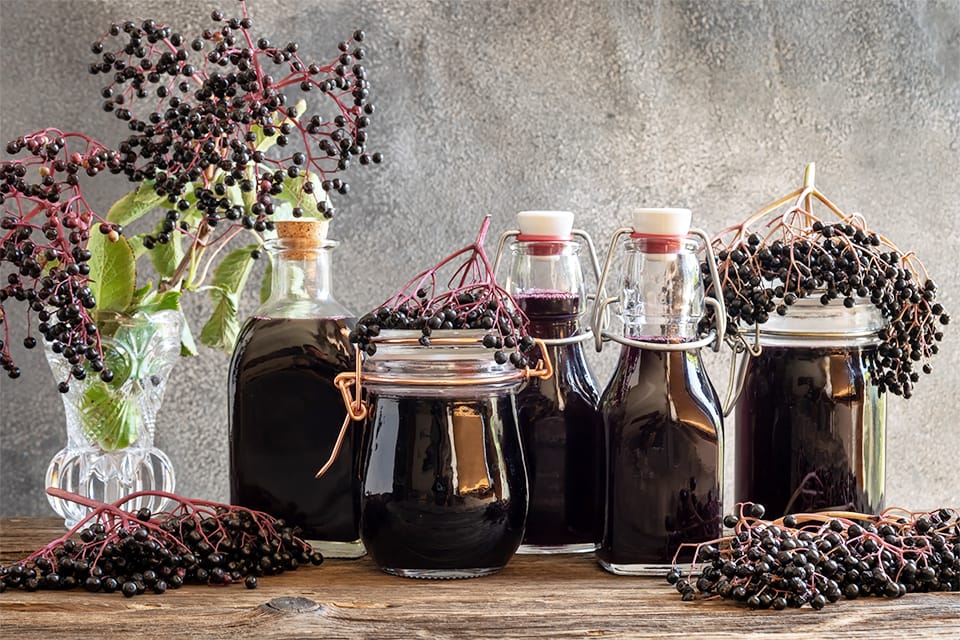
Immune system function is vital to health and well-being all year round, but as the seasons change from summer to fall, it becomes even more vital. As the weather gets colder, more people spend time indoors, making it easier for germs that cause illnesses such as the common cold and flu to circulate. As a result, you're generally more likely to get sick during the fall and winter. The good news is that there are actions you can take to boost immune system function before the seasons shift. Read on for tips on how to build your immune system through self-care, lifestyle, and supplements. How To Boost Your Immune System Made up of organs, proteins, and cells, the immune system is highly complex and relies on many processes within the body. Many factors go into ensuring that the immune system organs and other components function correctly. As a result, there isn't just one secret that will teach you how to boost immune system function. Instead, boosting immune system function requires a multi-faceted approach. Following these tips, together, commonly help to boost your immune system before flu season is upon us. Practice Healthy Sleep Habits Although you're resting, many body parts continue to work hard while you sleep. As you slumber, your body releases cytokines, which play several vital roles, including aiding in immunity. Studies have found that people who don't get enough high-quality sleep are more likely to get sick from infections and recover from illnesses at a slower pace. Here are some things you can do to support healthy sleep: Establish Consistent Sleep Patterns Your body's circadian rhythms help control your sleep-wake cycle and benefit from consistent habits. When you go to bed and get up simultaneously each day, your body can often better produce the chemicals needed to control sleep. On the other hand, staying up late some nights to binge-watch a show or sleeping in on the weekends can disrupt your circadian rhythms. Once you establish a set sleep schedule, you're less likely to spend time tossing and turning and more likely to feel refreshed in the morning. What you do before bed matters, too. Having a nighttime ritual that allows you to relax and unwind can help ease you into sleep more readily. Do your best to limit screen time close to bedtime, as the blue light emitted by televisions, smartphones, and tablets has been shown to energize the nervous system and make it more difficult for people to fall asleep. Consider Tracking Sleep Quality Tracking your sleep can help you see how well changes that you’ve made to your PM routine and overall schedule are working for you. Sleep tracker apps and devices can allow you to become aware of trends over time. For example, you may wake up frequently during the night even though you don't remember doing so. These apps and gadgets can help you identify and discuss potential problems with your healthcare provider. Use Consistent Sleep to Support Other Healthy Habits Improving your sleep can be a significant first step if you're trying to learn how to start a healthy lifestyle. When you get enough high-quality sleep every night, you’re likely to have more energy to be active during the day. Sleep has also been shown to play a role in having good judgment, so you're more likely to make healthy choices during the day when you're well-rested. Create an Exercise Routine Read any article about how to live a healthy lifestyle. You'll likely get advice to exercise regularly, as physical activity is critical to mastering how to improve immune system function. Exercise often leads to changes in white blood cells and antibodies that function as immune system defenders. When you get up and move regularly, these key immune system components can better circulate through the body, often making it easier for your body to spot and fight off germs more quickly. Read on for tips on how to get started with regular exercise. Reap the Benefits of Walking Walking is one of the simplest forms of exercise, but it's also one of the most beneficial - the everyday benefits range from better sleep to improved weight management to lower stress levels. Get moderate-intensity exercise by walking briskly and pumping your arms as you move. It’s often advised to start walking in relatively flat areas, then to work your way up to steeper hills. You can also walk indoors when the weather is wet or cold. Treadmills simulate the experience of walking, and many shopping malls open their doors early, to allow people who walk for fitness, to do laps indoors. Try High-Intensity Exercise If you're pressed for time, high-intensity exercise like running may be your best option. According to the CDC, getting at least 75 minutes of high-intensity exercise per week is enough to promote health and well-being versus the 150 minutes of moderate-intensity exercise needed to get the same benefits. Talk to your healthcare provider before starting your new exercise routine, as high-intensity workouts are only ideal for some. Exercise Outside If Possible While less widely discussed than other nutrients, vitamin D is essential to the immune system. It's also the only vitamin that your body can manufacture on its own, but to do so, it requires sunlight. Exercising outdoors, when possible, can help to keep your immune system supplied with the vitamin D it needs. Diet to Boost Your Immune System Certain foods can be a natural immune system booster. After all, your body needs vital immune system vitamins and nutrients to fight off germs. Let's look at some critical immune system booster foods and the foods you should avoid in order to follow an immune support diet. Default to Whole Foods Whole foods are those that are in their natural state. Compared to processed foods, they're typically more nutrient-dense and free of added sugars, preservatives, and additives. It’s recommended to choose whole foods and prepare meals at home to get the most vitamins for immune system support whenever possible. Eat Foods That Boost Immune System Function Fruits, vegetables, whole grains, and legumes are thought to be some of the best foods to boost immune system function. Eat fruits and vegetables at every meal and eat legumes as often as possible to fuel immunity. Check out online recipes to find new ways to enjoy them. Follow a Healthy Lifestyle People who lead healthy lifestyles and practice good hygiene are less likely to suffer from a weakened immune system. To improve yours, try following these healthy lifestyle tips. Cut Out Smoking Not smoking is one of the most essential healthy lifestyle habits. Not only can kicking the habit improve lung health and reduce your risk of developing many chronic illnesses, but it can also help strengthen the immune system. Ask your healthcare provider about smoking cessation medications and treatments to help you quit. Drink Alcohol – Only in Moderation Research shows that excessive alcohol intake can interfere with immune system function. The CDC says that men should consume no more than two alcoholic beverages daily, and women should have no more than one. Manage Stress Levels Stress has been shown to impair immune system function, making learning how to minimize stress vital. You can do so by trying relaxation techniques such as deep breathing and meditation. Take mental health days to relax, unwind as needed, and build healthy relationships with others to receive ongoing immune system support. Try Immune Support Supplements An immune support supplement can help bridge the diet gap and ensure that you get enough nutrients needed for immunity. Following are some of the vitamins that support your immune system: Vitamin C: Vitamin C helps to stimulate the white blood cells that fight infections, making it one of the best supplements for immune support. Vitamin B6: One of the key immune system boosters, this vitamin is needed to produce white blood cells. Vitamin E: Vitamin E is also among the best immune support supplements since it defends against free radical damage and helps the body fight infections. Elderberry: Anthocyanins and polysaccharides found in elderberries have been shown to support immune function. One serving of Body Kitchen Nordic-Elder Shield provides 27 grams of whole elderberries. It's among the best immune support supplement options and is twenty times more potent than similar supplements from leading competitors.

Using Collagen to Look Your Best for the Holidays
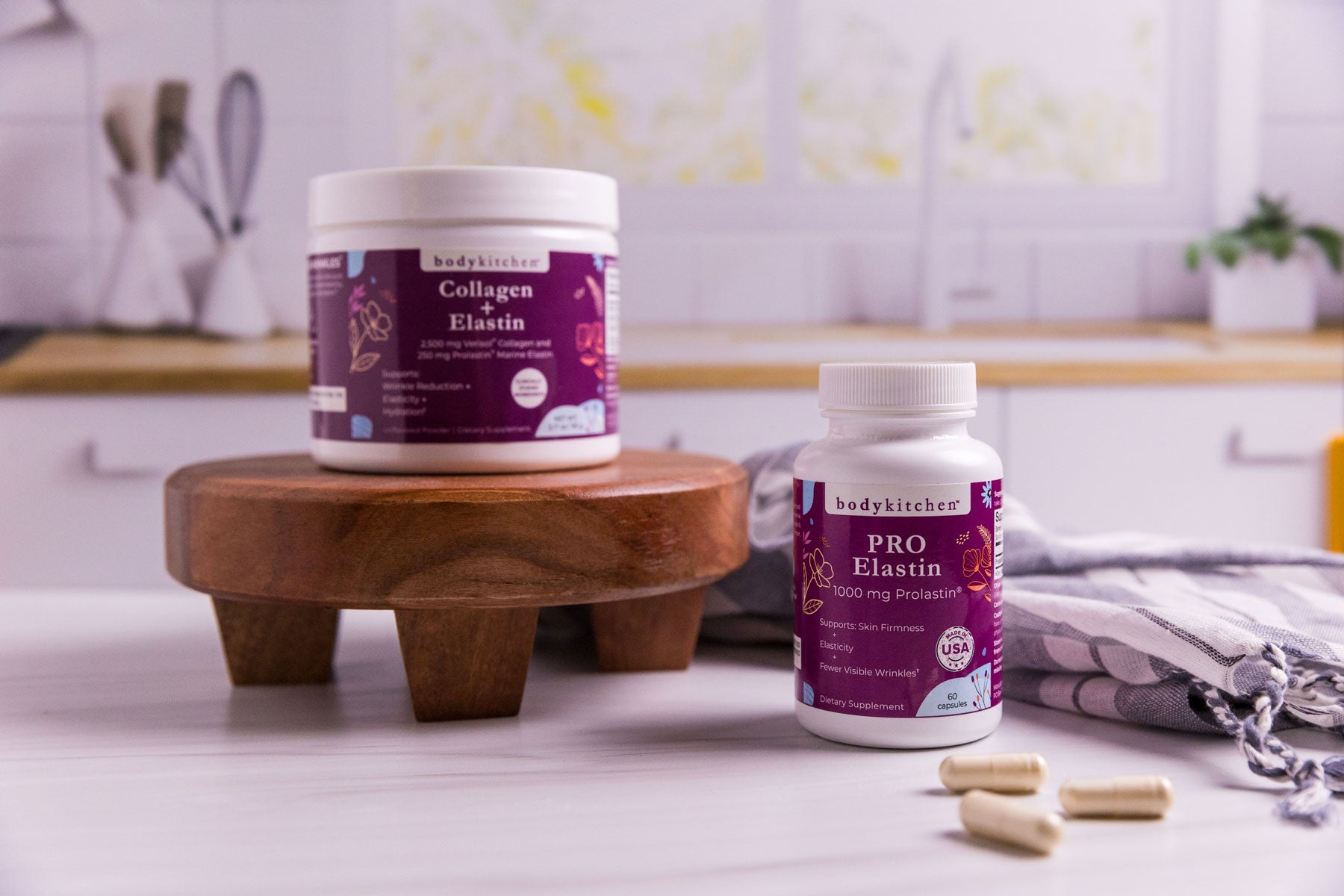
The holiday season means gathering with family and friends that you may not see often, attending parties, and posing for many selfies. Naturally, you want to look your best throughout the holiday season, and many people begin refining their beauty routines in the fall in anticipation of the festive season. Unfortunately, even the best beauty products often fail to deliver their promises. If you've been let down by skin creams, hair treatments, and nail strengtheners in the past, it may be time to take a different approach to supporting beauty ahead of the holidays. One way that you may be able to accomplish this is with collagen supplements. So, what does collagen do, and what is collagen good for? Read on to discover the answers. What Is Collagen? Collagen is the most abundant protein in your body. The benefits of collagen are many, as it helps form, build, and strengthen your: Skin: Collagen proteins form your skin's foundation, helping to keep it firm and supple. Bones: As an essential structural protein, collagen is responsible for much of your bone mass. Muscles: Collagen helps muscles to flex, strengthen, and adapt. Ligaments: This tissue that connects your bones contains collagen. Tendons: Collagen is a vital component of the tendons that join muscle to bone. Connective tissue: Collagen is a crucial aspect of the cartilage that insulates joints and other vital connective tissue in the body. What Are Collagen Peptides? Your body naturally produces collagen, but as we age, the rate of collagen production slows down. As a result, many people wish to raise collagen levels. While this can often be done by consuming large amounts of collagen-rich foods such as bone broth, organ meats, and sardines, taking collagen supplement products can often be a more straightforward solution. For your body to properly utilize the protein found in a collagen powder or other supplements, it must be able to absorb it. Collagen peptides can make it easier for this to happen. A collagen peptide is a small piece of protein that’s derived from an animal. Because collagen peptides are small, they can be absorbed and utilized more readily. This is why collagen peptides are a critical ingredient in the best collagen supplements. Can Collagen Enhance Hair, Skin and Nails? We've already established that collagen benefits many key parts of your musculoskeletal system, but you may now wonder how collagen is good for nails, skin, and hair. Let's look at how taking collagen supplements can benefit these specific aspects of your appearance. Collagen for Hair The benefits of collagen peptides for hair are owed primarily to its relationship with keratin, the protein that is the primary building block for hair strands. Amino acids found in collagen fibers supply the materials for building keratin. This gives collagen peptide powder supplements several benefits for your hair, including all the following Fights Split Ends By supporting keratin production, collagen may promote stronger hair strands. Properly reinforced strands are more resilient and less prone to developing split ends. Maintains Moisture Levels Moisture is essential to healthy hair. When your locks become parched, the strands lose flexibility and are more likely to split and break. Your hair is naturally designed to retain moisture, but environmental damage can make it difficult for hair strands to do so. By promoting keratin production with collagen supplements, you can often improve hair's structure to help it stay hydrated. Addresses Brittle and Thin Hair Assisting with keratin production through hair, skin, and nail collagen supplements can help transform troubled tresses. Over time, collagen may help to restore brittle hair, making it less likely to break. This, in turn, can help hair appear thicker and fuller. As a result, many people take collagen for hair growth. Adds Volume and Shine As previously mentioned, collagen can help boost hair volume by supporting collagen production. By supporting healthy hydration, collagen supplements may also support more lustrous locks, giving hair an overall more attractive appearance. Collagen for Skin In the first section, we discussed that collagen supports your skin. Taking collagen supplements can help support healthy, more youthful-looking skin by doing all of the following: Increases Skin Elasticity If you're looking for answers to improving skin elasticity, collagen supplements are an excellent solution. Properly supported skin is more resilient and much firmer. Boosting collagen levels through supplements helps reduce sagging and enhances the overall elasticity of the face and body skin. Maintains Skin Moisture Similar to your hair, your skin needs adequate moisture to feel and look its best. Not only can skin become rough and dull when dehydrated, but parched skin also makes fine lines and wrinkles more evident. Taking collagen for the skin may help improve moisture levels while also supporting skin elasticity. This means that collagen supplements may help skin feel smoother, look more radiant, and lessen the appearance of lines and wrinkles. Slows Progression of Wrinkled and Crepey Skin with Age Part of the reason that wrinkles and crepey skin develop with age is due to the reduction in collagen levels. As collagen production slows, skin loses its elasticity and becomes more prone to developing lines and deeper wrinkles. The best collagen products can supply the building blocks that your body needs to synthesize new collagen fibers and may help delay the appearance of signs of aging. Collagen for Nails Keratin isn't just found in hair. It's also a key component of your fingernails and toenails. By supplying materials for increased keratin production, collagen powders, as well as other collagen supplements, may provide the following benefits for nails: Strengthens Brittle Nails As with hair, nails can become brittle when deprived of moisture. Supporting a healthy keratin structure with collagen may help the nails better retain moisture, making them less likely to develop brittleness. Promotes Nail Growth Keratin production is what drives nail growth. Collagen powder benefits nail growth by supplying the amino acids needed to manufacture keratin. As a result, supplements may aid in better nail growth. Protects Nails When your nails are made up of robust and healthy keratin fibers, they're less likely to split and break, and an adequate supply of collagen can help your body produce this needed protein. In other words, collagen helps protect nails from damage because it assists with keratin production. What Is the Best Form of Collagen to Take? As you can see, there are many benefits to taking collagen for hair, skin, and nails, but to fully benefit from collagen peptides, you need to take the right supplement. Follow these tips to select the best collagen supplement for you: Prioritize Powders Many people consider collagen powders to be the most beneficial collagen supplement form. Powders don't need to be broken down into capsules for your body to absorb it. Plus, you can take collagen powder in several ways. For example, you can easily add it to smoothies or mix it into your protein shakes. Consider Combination Formulas Collagen is one of the two essential structural proteins found in the skin. The other is elastin, which helps the skin to stretch and flex. A supplement combining collagen and elastin allows you to take a more complete approach to supplementation. Meet Body Kitchen Collagen + Elastin Powder Whether you're looking for the best collagen peptides for your nails or the best collagen for hair and skin, Body Kitchen Collagen + Elastin Powder is a standout option. Our supplement contains proprietary Versitol collagen, which has been shown to diminish eye wrinkles by 32%, increase skin elasticity by up to 30%, and raise moisture levels by 65%. Complementing the actions of the collagen is Pro-Lastin, a concentrated marine elastin. Each serving also contains Vitamin C to support collagen production and provides antioxidant protection from the free radicals that drive the aging process, as well as hyaluronic acid, which helps skin retain moisture. You may want to consider learning more about Body Kitchen Collagen + Elastin Powder and ordering a jar today to prepare for the holiday season.

Now is The Time to Fortify Your Immune Health
You’ve probably heard about two new Covid-19 variants that are gaining momentum, the most dominant of which is quick-spreading EG.5. While it’s gaining traction, influencing many people to mask up in public once aging, scientists allay our concerns with news that it doesposes no more a threat than existing variants—at least for now. The second variant, BA.2.86, is less widespread. However, it’s being closely tracked, because it carries many mutations and evades antibodies produced in response to earlier infections, which could make it resistant to vaccines. Covid-19, in its many forms, is as part of our “new normal” as wearing masks and working from home. But so is our increased understanding of, and appreciation for, our immune system and its role in helping to fight not just Covid-19, but other threats to familiar everyday threats to our respiratory system, such as the flu and common cold. It won’t be long before the year’s “sick seasons” arrive – fall and winter – when viruses and microbes pose a greater risk, requiring greater vigilance from your natural defenses. And with school back in session and more people returning to the office, there’s no better time than now to bring in nutritional muscle to help protect your immune system. We have made it easy for you to choose a powerful immune booster that’s fit for the job. Expertly developed by our innovation team, our 4 immune-boosting powerhouses combine the best of nature and science, working through different pathways to help improve your resistance to airborne threats. Black Elderberry for Fewer “Sick Days” Nordic-Elder Shield Black elderberry (Sambuca nigra) has been traditionally used in herbal medicinal tonics and preparations for centuries. This beneficial berry has been traditionally used in herbal medicinal tonics and preparations for centuries. While many varieties of elderberry exist, black elderberry is said to contain twice the levels of anthocyanins of any fruit – powerful pigmented molecules that fight inflammation and neutralize free radicals. In recent times, research has explored the many ways that the extract from these dark-colored purple berries may work to support immune health, including the ability to stimulate the immune system and even neutralize threats directly.* Our Nordic-Elder Shield is formulated with a highly concentrated extract from black elderberry extract that preserves the berry’s full spectrum of powerful molecules. Each daily dose serves up the equivalent of 27 grams of fresh berries… 8X more potent than black elderberry syrup. Vitamin C Boosts Your Immune System’s Army Vitamin C Shield Vitamin C is touted as the go-to staple for fighting bugs and pathogens, and for good reason. Vitamin C is an essential vitamin that doubles as a powerful, free radical-fighting antioxidant that enhances your immune response and overall health in multiple ways, including by enabling iron absorption. Iron is a key mineral needed to support the body’s first line of defense against harmful bugs and microbes. To boost immune function, vitamin C works by aiding production of white blood cells to help strengthen your natural defenses. Also, studies indicate that vitamin C can help reduce the duration of colds by about one day… and every day counts when you’re not feeling well. Experts suggest 1,000 mg of vitamin C is an effective, therapeutic serving. For optimal absorption and benefits, our Vitamin C Shield is a liposomal formula with 120% improved bioavailability compared to other sources of vitamin C. Plus, it delivers the suggested daily dose for serious immune system protection. Fight “Winter Blues” While Promoting Immune Health Vitamin D + K2 When days get shorter and sunlight starts to shrink, vitamin D is a must-have nutrient to support a balanced mood and support immune health, especially considering that most people have insufficient levels of vitamin D. The “sunshine vitamin” as it’s commonly known is actually a fat-soluble hormone that your body produces in response to the sun’s UVB rays, and has been shown to be a vital nutrient for supporting mood and emotional wellbeing.* Vitamin D is also a powerful immune booster.According to Harvard’s School of Public Health, it may “help control infections and reduce inflammation”. In fact, studies show that vitamin D deficiency is connected to an increased risk of infection.* If you live in a colder weather climate or you’re the indoor type, chances are you’re not getting enough sunlight to synthesize vitamin D on your own, which is why a supplement is so crucial. Vitamin D is a superhero all by itself, but when combined with vitamin K2, the synergy offers a 1-2 punch of immune boosting power. Studies show that vitamin D and vitamin K2 are the “perfect pair”, because they amplify each other’s ability to support immune function as well as bone strength and heart health.* Our unique, vegan Vitamin D + K2 delivers winter-ready daily servings of vitamin D with organic, flower-derived vitamin K2 that’s clinically shown to remain active in your body longer than other forms. Plus, it supports mood balance and strong bones. Immune Health Starts in The Gut Gut Balance A UCLA report reveals that an extraordinary 70% of your immune system is located in the gut microbiome, where immune cells interact with the diverse, healthy bacteria.* Through research, we now understand the immense power of their symbiotic relationship in supporting human health. One study identified a microbial molecule with the ability to activate immune cells known as natural killer (NK) T cells.* In other words, high levels of “good” microbes help to counter the effects of invading “bad” microbes. And this relationship is best reinforced through nutrition. Packed with three live strains of probiotics, fast-acting Gut Balance helps good gut bacteria flourish in just 72 hours. Its clinically studied probiotics from citrus fruit resist the stomach’s harsh acidic environment to reach the microbiome. Plus, this formula is shelf stable, requiring no refrigeration. As with most supplements, it takes a few weeks of consistent daily use for these powerful supplements to deploy and build up the levels of active compounds needed to boost immune system function. So start your routine now and prepare your natural defenses to fight hostile forces later.

Body Kitchen Immune Boosting Turmeric Latte Recipe (Golden Milk)
As the chill enters the air and the kids are back in school, are you catching every cold that comes around? Spice up this fall with a delicious, creamy beverage recipe that shows your immune system some extra love. Reference: https://pubmed.ncbi.nlm.nih.gov/17211725/

What is the Gut-Brain Connection - Can Probiotics Really Help Ease My Queasy Stomach?
What Is the Gut Microbiome? Did you know that your gut has a mind of its own? Inside your gut (gastrointestinal tract) resides vast arrays of microorganisms that collectively make up the human microbiome. The microbiome, which consists of bacteria, fungi, archaea, and viruses, assists with a variety of essential bodily functions, such as: Promoting healthy digestion Regulating the immune system Guarding against disease-causing bacteria Synthesizing crucial amino acids and vitamins A well-functioning, diverse microbiome is one of the pillars of healthy living. Conversely, many autoimmune disorders like diabetes, fibromyalgia, and muscular dystrophy stem from problems within the microbiome, often caused by an imbalance in beneficial (symbiotic) and harmful (pathogenic) species of microbes. This gut flora imbalance has many causes, including infectious diseases, the extended use of antibiotics, and unhealthy diets. What Is the Gut-Brain Connection? The microbiome is connected to the brain through the autonomous nervous system, opening two-way communication between intestinal functions and the emotional and cognitive areas of the mind. This link is called the gut-brain connection or gut-brain axis. The enteric nervous system encompasses the entire GI tract. It is often called the “second brain” because it uses similar cells, chemicals, and systems to regulate bodily functions and sends warning signals to the brain. The communication between the brain and gut, or central nervous system to enteric, presents a host of holistic health implications because they each influence the health and function of the other. This sensitive relationship between seemingly disparate body parts adds importance to maintaining and prioritizing gut health. This 2015 study from the National Library of Medicine offers an illuminating, technical description of the gut-brain relationship: “The gut-brain axis (GBA) consists of bidirectional communication between the central and the enteric nervous system, linking emotional and cognitive centers of the brain with peripheral intestinal functions. Recent advances in research have described the importance of gut microbiota in influencing these interactions. This interaction between microbiota and GBA appears to be bidirectional, namely through signaling from gut-microbiota to brain and from brain to gut-microbiota by means of neural, endocrine, immune, and humoral links.” What Do Probiotics Do? Probiotics are live microorganisms that foster the cultivation of favorable microbiota throughout the GI tract. In other words, probiotics are good bacteria that help maintain the balance of harmful bacteria. Some of the most common types of bacteria found in probiotics are: Bifidobacterium Lactobacillus Saccharomyces boulardii Probiotics are a great way to strengthen the microbiome because they ensure that your gut gets a regular supply of beneficial bacteria. This is no secret - an extensive 2021 survey found that one in four global consumers used probiotics in the previous six months. For millions, taking probiotics is a daily regime on par with taking daily vitamins or brushing your teeth. The mountains of research illuminating the impact of gut health on overall health offer numerous compelling reasons to consider upping your intake of probiotics, whether through dietary shifts or supplementation. What Gastrointestinal Issues Can Probiotics Support? Before moving into how probiotics affect overall health, let’s address a handful of gastrointestinal issues that probiotics can help manage, alleviate, and/or resolve: Upset stomach Constipation Infectious Diarrhea Antibiotic-Associated Diarrhea Irritable Bowel Syndrome (IBS) Inflammatory Bowel Disease GI issues associated with antibiotic treatment exemplify the immediate benefits of probiotics. While antibiotics diligently destroy the harmful bacteria in your gut, they simultaneously wipe out your symbiotic bacterial partners. And that’s where probiotics are beneficial, helping your GI tract to hold the line for the beneficial bacteria as you progress through antibiotic treatment. How Can Probiotics Help with Overall Health? This is where the gut-brain connection comes back into play. Remember, the happenings of the gut and the brain directly influence one another, so maintaining the health of one promotes the health of the other. A series of 2015 studies on the gut-brain connection drew two important conclusions about the gut-brain connection and probiotics: “The microbiota affects anxiety and HPA system by influencing brain neurochemistry.” “Probiotics reduced stress-induced release of cortisol, anxiety- and depression-related behavior. These conclusions indicate that probiotics help treat gastrointestinal issues and positively influence overall health. The expanding body of research suggests that emotional states and cognitive functions are inextricably linked to the health and status of the microbiome. The implications of these findings go both ways. Probiotics can cure your queasy stomach while also improving your sense of well-being emotionally and cognitively. In that case, a healthy, balanced mind can have positive ripple effects for gut-related illnesses. Thus, probiotics benefit overall health because the direct and indirect benefits promote overarching homeostasis and balance. This excerpt from a Harvard Medical School article, Probiotics May Help Boost Mood and Cognitive Function, offers an intriguing example of the inherent health implications of the gut-brain connection: “How might probiotics fit in the gut-brain axis? Some research has found that probiotics may help boost mood and cognitive function and lower stress and anxiety. For example, a study published by Frontiers in Aging Neuroscience found that Alzheimer's patients who drank milk made with four probiotic bacteria species for 12 weeks scored better on a test to measure cognitive impairment than those who drank regular milk. What Are Good Sources of Probiotics? High concentrations of probiotics can be found in various foods, such as sauerkraut or yogurt, and are also available as supplements. Fermented food is the predominant source of dietary probiotics, including: Yogurt Kefir Kombucha Sauerkraut Kimchi Tempeh Miso Pickles Natto Kvass Cottage Cheese Raw Cheese Apple Cider Vinegar Traditional Buttermilk Koji Sourdough Pickled Vegetables Tepache Incorporating probiotics into your diet is a straightforward way to improve your overall health, from your gut to your brain and all your body’s interconnected systems. Finding probiotic-rich foods you enjoy will help set the new habit in stone. What's a Good Starting Probiotic Supplement? Probiotic supplements are another popular choice for daily use. Consider Body Kitchen’s Gut Balance support as a great go-to probiotic option. While probiotics are generally suitable for most people, the quality of probiotic supplements varies wildly. That’s why Body Kitchen’s Gut Balance support guarantees: Smooth digestion: Reduces gas, bloating, and constipation, promoting optimal absorption of nutrients and elimination of harmful toxins and waste. Double the benefits: Resets the ratio of good to harmful bacteria to boost GI and immune system health, while supporting the gut’s response to inflammation, in just 12 weeks. Citrus probiotics: Clinically studied orange and grapefruit flavonoids can resist stomach acid and reach the colon, where healthy bacteria thrive. Complementary ingredient: 6 billion colony-forming units (CFU) from 3 live strains help repopulate good gut bacteria in the colon, where healthy immunity starts. Clinically effective doses: Experience the real benefits of scientifically studied ingredients at amounts that are shown to work.

The Health Benefits of Taking Vitamin C Year-Round
What's the first thing most of us do when the initial signs of a cold or flu appear? That’s right, we head to the medicine cabinet, rush out to the nearest drug store, or fill our shopping cart with citrus to increase our intake of vitamin C. No questions asked. But if vitamin C boosts our immune system so effectively, why don’t we prioritize it as an essential day-to-day nutrient instead of a reactive response to sudden illness? Sure, many hit their recommended daily dose naturally through their diets, but approximately 18 million American adults are still vitamin C deficient. This widespread deficiency (albeit comparatively small to the cumulative vitamin D deficiency) is a real head-scratcher when considering the variety of foods rich in vitamin C and supplements geared towards reaching our daily recommended doses. What’s more, the health boons of vitamin C don’t start and stop at strengthening the immune system – far from it. Vitamin C fosters many vital bodily functions, making an even stronger case for its daily use. Let’s unpack the abundant health benefits of vitamin C, recommended daily doses, familiar sources of vitamin C, and how those factors all point to daily intake. Why Is Vitamin C Important? One crucial fact to understand about vitamin C is that it’s an essential, water-soluble vitamin, meaning that the body can’t make or store it, and any excess is expelled in urine. Luckily for us, vitamin C is abundant in numerous fruits and vegetables, with many supplemental options available, making it an easy addition to our daily diets. Vitamin C Promotes Healthy Immune Systems Taking vitamin C for common colds is arguably one of the most widely propagated health-based rules of thumb ever. But how is vitamin C actually going to bat for our immune systems? Vitamin C stimulates the production of white blood cells to add extra layers of protection from infection and disease. In addition to stimulating white blood cell production, vitamin C shields them from damage as they help the body fight off threats. Vitamin C has been shown to shorten the healing time of wounds. White blood cells are the foot soldiers of the immune system, patrolling the body for infections using your bloodstream and tissues. Once the source of infection is located, white blood cells go to work alerting the entire immune system, thus rallying more white blood cells to the scene while producing antibody proteins that effectively eradicate the infection. Vitamin C strengthens this army of white blood cells and the subsequent strength of immune responses. Vitamin C Functions as a Powerful Antioxidant Before discussing vitamin C as an antioxidant, let’s quickly touch on oxidative stress in general. Oxidative stress refers to the difference between the body’s level of reactive oxygen species (ROS) and the rate at which natural mechanisms eliminate them. Thus, oxidative stress, a precursor and cause of chronic inflammation, occurs when these reactive oxygen species (also known as free radicals) accumulate beyond your body’s ability to eliminate them. So, antioxidants protect against inflammatory responses caused by reactive oxygen species. ROS are natural by-products of cell activity (breaking down food, sun exposure, etc.), indicating the importance of taking daily vitamin C to mitigate inflammation. Vitamin C Assists in Iron Absorption Speaking of essential vitamins and minerals, iron is near the top of the list. Iron’s importance derives from its role in producing hemoglobin and myoglobin, two essential proteins in red blood cells that transport oxygen throughout the body. Without sufficient iron levels, the body can’t efficiently distribute oxygen-rich blood throughout the body, resulting in a jumble of potential health problems. Vitamin C significantly improves iron absorption from food, especially in plant-based sources of iron, which aren’t easily absorbed. Vitamin C augments iron absorption so effectively that, in one study, children with mild anemia used Vitamin C to manage their conditions without other treatments. Vitamin C Promotes Collagen Production Collagen is the most abundant structural protein in the human body, creating strong bones, cartilage, tendons, connective tissues, and healthy skin. Collagen functions like the molecular bricks of the body, adding yet another reason for daily vitamin C intake to spur the biosynthesis (production) of this structural supermolecule. This study, drawing the line between vitamin C and skin health, summarizes the link between vitamin C and collagen production. It states, "Vitamin C, in its purest form, is the only antioxidant to increase collagen synthesis. This is because it is an L-ascorbic acid, which helps form prolyl hydroxylase, an enzyme necessary for the creation of a stable collagen molecule. Not only this, but it’s also essential for the enzyme lysyl hydroxylase, which improves tissue strength by crosslinking collagen molecules together.” In other words, vitamin C not only stimulates the synthesis of collagen but also strengthens the superstructure of collagen in the form of more elastic, healthy skin. What's the Recommended Daily Dose of Vitamin C? The recommended daily dose of vitamin C typically varies by age, gender, and overall health. Most people receive an adequate daily dose of vitamin C through their diet, but it’s still worth double-checking your intake to ensure that you meet the recommended amount. This table from the National Institute of Health (NIH) covers the recommended daily allowances (RDAs) for vitamin C from early childhood development through adulthood. Note the differences for pregnancies and smokers. Age Male Female Pregnancy Location 0 - 6 mos 40mg 40mg 7 - 12 mos 50mg 50mg 1 -3 yrs 15mg 15mg 4 - 8 yrs 25mg 25mg 9 - 13 yrs 45mg 45mg 14 - 18 yrs 75mg 65mg 80mg 115mg 19+ yrs 90mg 75mg 85mg 120mg Smokers Individuals who smoke require 35mg/day more Vitamin C than nonsmokers. Source: National Institute of Health Can You Have Too Much Vitamin C? While the chart above references recommended allowances, you can still consume a considerable amount of vitamin C before experiencing any adverse symptoms. The upper limit of vitamin C intake is approximately 2,000mg, which can lead to symptoms like nausea, diarrhea, heartburn, headaches, and stomach cramps. Taking too much vitamin C isn’t advised because of the uncomfortable symptoms that may follow, but long-term health complications from large doses of vitamin C are still exceptionally rare. Remember, the body can’t store vitamin C and will quickly work to expel any excess vitamin C that it doesn’t need. Best Sources of Vitamin C Vitamin C is present in loads of different fruits and vegetables (check out the top 20 dietary sources of vitamin C here). For the sake of keeping things simple and accessible, here are five common foods that will guarantee to boost your daily vitamin C intak Citrus Fruits Bell Peppers Strawberries Tomatoes Cruciferous Vegetables What Is Liposomal Vitamin C? Liposomes are microscopic bubbles that behave like cell membranes, enabling better absorption of vitamin C as it travels throughout the body. Similar in concept to enteric-coated medication, which protects drugs from gastric acids in the stomach so they can penetrate deeper into our systems, liposomal vitamin C is a more potent and effective form of this essential daily vitamin. Try Body Kitchen’s Vitamin C Supplement - Liposomal C Boost your immunity with 1,000mg of vitamin C in one single serving. This powerful Vitamin C formula can also be used in combination with any of our collagen formulas for improved skin moisture results. Vitamin C with Liposomal C has been clinically proven to have 120% improved absorption compared to other sources of vitamin C. Don’t wait to enjoy the benefits of Liposomal C. Try it today!