Blog


Benefits of Elastin
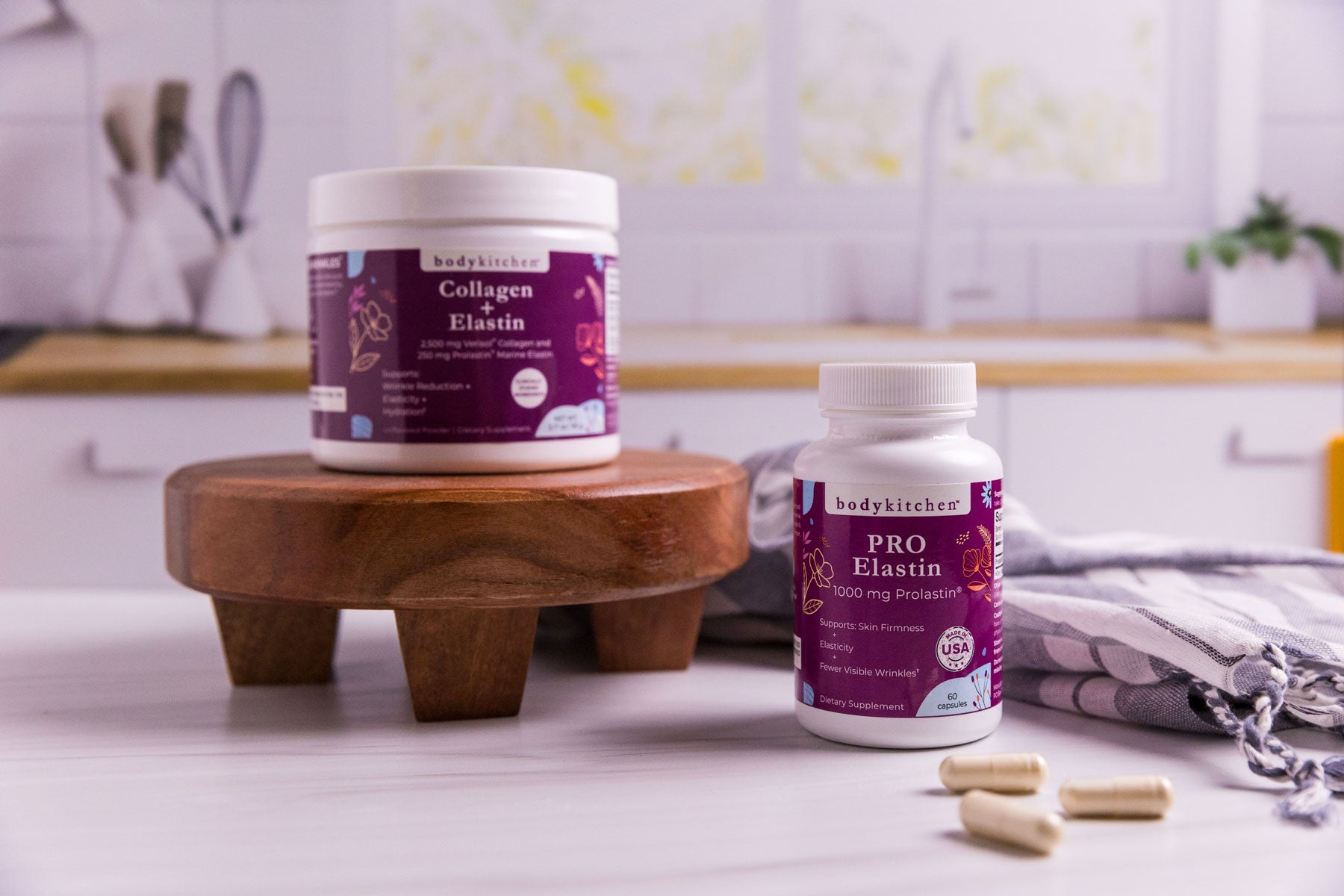
Elastin protein is a vital part of many tissues in the body, and elastin structure gives the protein several benefits. Unfortunately, elastin levels can decline for various reasons, leading to multiple concerns. Read on to learn more about the benefits of elastin and how elastin supplements may be beneficial for restoring protein levels throughout the body. Where Is Elastin Found in the Body? Elastin is a protein that your body manufactures from tropoelastin, an amino acid made by endothelial cells. These cells are also responsible for producing another essential structural protein called collagen. Once manufactured, elastin becomes a key component in your: Bladder Lungs Large blood vessels Some ligaments Skin Cartilage What Does Elastin Do? The primary function of elastin fibers is to allow tissues and organs to stretch. Depending on its location, elastin functions in different ways. Elastin in the Bladder Your bladder is the organ that stores urine produced by the kidneys until you release it through your urethra during urination. Urine levels fluctuate throughout the day and night, so your bladder must be able to stretch to accommodate more liquid and then return to its standard shape once empty. Stretchy elastin protein fibers help with this process. Elastin in Ligaments Ligaments are the type of connective tissue that connects bones to other bones. In some ligaments, elastin protein fibers help the connective tissue stretch to accommodate your movements. Elastin in Lungs When you breathe, your lungs expand and contract to help move air in and out of your respiratory system. In the lungs, the function of elastin fibers is to allow the lungs to move outward and accommodate incoming air without stretching too far. Elastin in Skin Elastin in the skin contributes to the overall elasticity of your skin tissue. It makes skin resilient and able to stretch when you make facial expressions. In the skin, the function of elastin is complemented by the actions of collagen, which supports the tissue. Together, elastin and collagen give skin its youthful firmness and suppleness. Elastin in Arteries and Veins In large arteries and veins, elastin is essential to vascular function. Arterial elasticity allows blood to move through the cardiovascular system more freely. This helps the heart function properly and ensures blood can travel to and from the extremities efficiently. What Causes Loss of Elasticity in Arteries, Veins, Lungs, and Skin? Several things can result in a loss of elasticity in the arteries, skin, and the rest of the body. Typically, this happens when elastin fibers become damaged, or the body does not produce enough of the structural protein. Some things that contribute to lost elasticity include: Age: Elastin and collagen production rates naturally decline due to the aging process. Due to age, drops in elastin and collagen manufacturing are partially responsible for the development of fine lines and wrinkles. Oxidative stress: Highly reactive particles called free radicals found in ultraviolet radiation and pollution can cause oxidative damage that destroys healthy elastin protein fibers. This can cause signs of aging to develop prematurely and damage the cardiovascular system and other organs in the body. Atherosclerosis: This plaque accumulation inside the arteries is often caused by diet, lack of exercise, and smoking. When plaque builds up, elastin fiber levels may drop, leading to a loss of elasticity in the arteries that can raise blood pressure levels and increase your risk of heart attack and stroke. Emphysema: Smoking can cause this lung disease where elastin in the lungs breaks down, leading to symptoms like fatigue, wheezing, coughing, and shortness of breath. Genetic disorders: People with genetic variations may develop conditions linked to low elastin levels, such as the heart defect supravalvular aortic stenosis (SVAS), the development disorder Williams syndrome, and the skin disorder cutis laxa. How To Restore Collagen and Elastin While restoring lost or damaged collagen and elastin completely may not be possible, you can potentially support the production of the structural proteins with supplements like Body Kitchen Pro-Elastin. Taking elastin supplements may supply your body with raw materials that can be used to manufacture new elastin fibers to potentially address the loss of elasticity in the arteries and elsewhere in the body. In addition, you can take steps to protect existing collagen protein by: Applying broad-spectrum sunscreen with an SPF of at least 30 every day. When you're outside for long periods, reapply sunscreen every two hours or more frequently if you're sweating heavily or swimming. Eating a well-balanced diet rich in leafy greens, berries, nuts, citrus fruits, and berries Following a skincare routine with products that contain antioxidants and ingredients that may lessen the damage caused by free radicals Quitting smoking to shield your body from the effects of chemicals found in cigarettes Increasing your physical activity to support circulation and overall health and well-being

Importance of Elastin Supplementation
Do you want to support your skin elasticity and youthful contours as you age? That’s an obvious YES! But did you know about elastin’s many side benefits, such as supporting lung and vascular health, and playing a role in protecting you against cardiovascular disease? In this article, you’ll find answers to common questions about elastin and elastin supplementation, including: What is elastin? What does elastin do for skin elasticity? What does elastin do for lung health? What does elastin do for vascular health? How to increase elastin in skin? What is skin care from the inside-out? What are the benefits of elastin supplements? Elastin is the beauty buzz in skincare aisles everywhere and has rightfully earned its place as an effective age fighter. It’s an elastic body protein that works with collagen to give structural support to your skin, promoting elasticity and firmness for greater resistance against wrinkles, sagging and dullness as you age. While elastin is mostly associated with elasticity and radiance, its contributions to everyday health stretch way beyond beautiful skin and youthful contours. Your lungs, heart, arteries and veins, among other tissues designed to expand and contract also contain elastin, making elastin supplementation important for healthy aging from head to toes, inside and out. What is Elastin? Elastin is a hard-working protein with stretch goals. Strong yet flexible, elastin protein is made-up of 60-70 amino acids and chains of tropoelastin—the precursor of elastin—that create coil-like elastin fibers.** Three key amino acids—proline, glycine, desmosine and isodesmoisine—interact with other protein-building vitamins and minerals to help repair elastin fibers and synthesize new elastin protein. It’s part of the dynamic duo of structural proteins—collagen and elastin—that form the extracellular matrix (ECM) of connective tissue throughout your body. Together with a third structural protein, keratin, they comprise about 42% of the human body’s dry weight.* Elastin is NOT the Same As Collagen Collagen and elastin are both structural proteins with independent roles and functions, but they’re far from rivals—they’re complementary proteins that work together to support the organs and connective tissues that need them. In fact, taking elastin supplements have been shown to boost collagen and elastin production while increasing antioxidant activity.* But there is one crucial distinction between collagen and elastin that you should know about: elastin has what scientists call a low turnover rate compared to collagen. This means that elastin fibers do not renew themselves as efficiently as collagen fibers can. Elastin fibers are done forming when your body reaches maturity.* Like collagen fibers, they’re susceptible to degradation from a variety of internal and external factors, which is why elastin supplementation is so vital for maintaining optimal elastic tissue function. What Does Elastin Do? Elastin protein is abundant in organs and tissues that require the ability to stretch, explaining why it’s essential for skin elasticity, lung health and vascular health. In men, there’s elastic tissue in the prostate, and in women, the uterus is largely composed of elastic tissue. So it comes as no surprise that the elastin content in the uterus is 4-5 times greater during pregnancy.* Like a rubber band, this rubbery protein forms elastin fibers that stretch to the specifications of the mechanical needs of the tissue.* And that’s why the elastin supplement benefits of strengthening and protecting their ability to spring, bounce and stretch is so vital to healthy aging. Here’s a closer look at the elastic tissue function related to three major, elastin-dependent systems in your body: Elastin in Skin In skin, elastin is part of the dermal layer, the thick, structural mid-layer made of connective tissue, oil and sweat glands, collagen and elastin fibers, and other structures. It’s where dermal fibroblasts are found, the cells responsible for manufacturing structural proteins to renew collagen and elastin, and promote wound healing.* Tropoelastin compounds bind and form an intricate network of coil-like elastin fibers, oriented both perpendicularly and in parallel—a design that promotes elastic tissue function, enabling skin to stretch and spring-back into shape when pulled.* Since elastin’s presence in skin is limited to the dermis, it makes up only 2-4% of this foundational layer, yet plays a key role in maintaining a firm, radiant appearance and resisting sagging, undereye pockets and other signs of elasticity degradation. Elastin for Lung Health Tissue that stretches is essential for lung health and a well-functioning respiratory system. Your lungs contain a network of tree shaped tissues with branch-like air tubes, called bronchioles, with tiny air sacs at the ends, called alveoli. In these sacs is where your blood and lungs exchange oxygen. Tropoelastin, the precursors to elastin, fuse to form rubbery elastin fibers in the form of a welded plate surrounding these sacs.* With every breath, this elastic tissue functions to allow these life-giving air sacs to expand when you inhale and spring back during exhalation to release carbon dioxide. One of the most remarkable scientific revelations related to lung health and elastin protein is that decreased lung elasticity is associated with chronic pulmonary conditions, such as emphysema.* Due to elastin’s low turnover rate, scientists can use elastin fragments as diagnostic markers for these elastin-degrading lung conditions.* Elastin for Vascular Health Also known as the circulatory system, the vascular system is a transportation network of vessels, including arteries, veins and capillaries, by which blood, oxygen and nutrients are carried from your heart to other parts of your body, then returned to your heart.** Maintaining good vascular health is crucial for reducing risk factors associated with cardiovascular diseases.* Of these vessels, arteries are the superhighways. The aorta and the pulmonary artery are called “elastic arteries” for a reason: compared to their diameters, the walls of these two key arteries are thin, which is why their elastin content is high. To maintain optimal circulation and cardiovascular health, the walls of these elastic tissues must be able to expand to accommodate the surge of blood that your heart pumps, then recoil to pass it through.* How to Increase Elastin in Skin Now that you understand what elastin protein is and the role of elastic tissue function in supporting skin elasticity, lung health and vascular function, you can appreciate why maintaining its strength and pliability is an essential part of healthy aging, not just for beautiful skin but overall good health. But, at a certain age when wrinkles, sagging and slack skin emerge—visible cues that once-taut collagen and elastin fibers are losing strength and resilience—it’s only natural to wonder how to increase elastin in skin so you can maintain a younger-looking appearance for as long as possible. Before taking steps to increase elastin in skin, however, the best first step is to take precautions for protecting your skin’s precious elastin fibers from further loss of elasticity due to their slow rate of renewal. Factors That Decrease Skin Elasticity As elastin fibers mature, they are prone to degradation as a result of multiple internal and external factors that diminish their ability to spring and recoil. Toxins and free radicals that form as a result of excess sun exposure, pollution, elevated and sustained stress levels, lack of sleep and poor nutrition, not to mention your own genetics and natural aging, all come together to influence how well your elastin fibers will retain their strength and resilience. Of these various factors, there are three that are especially aggressive at breaking down elastin: Menopause Your skin has been aging since about your 20th birthday, the age when collagen synthesis starts to decrease by about 1% annually, as does production of elastin and natural hydrators, such as glycosaminoglycans (GAGs), sweat and oil.* At menopause, this gradual decline picks up speed, wreaking havoc on a woman’s estrogen-deficient skin. Estrogen plays a part in cellular turnover—when it drops, cellular turnover slows down as mature cells have to work harder to grow and multiply to refresh tissue. As skin loses structural integrity, it becomes thinner and prone to drooping and dullness. In the first five years of menopause, skin loses an alarming amount of collagen—about 30%—after which the decline slows to roughly 2% per year.* This explains why changes to facial skin and facial contours appear dramatic during menopause. UV Damage Overexposure to the sun’s ultraviolet radiation, both UVA and UVB rays, can be harmful to your skin in different ways, leading to sunburn, wrinkles and loss of elasticity, and can play a role in the formation of certain types of skin cancers.* UVA rays have the ability to penetrate the dermis where collagen and elastin fibers are found and produced, and can even cause changes to DNA over time. These long-term consequences are referred to by dermatologists as photoaging, photodamage or sun damage. UVB rays reach only the top layer of skin, the epidermis, which cause sunburns and lead to the formation of free radicals, unstable molecules that can accumulate and interfere with normal cellular function. The takeaway: wear sunscreen every day on your face, neck and chest! Stress and Sleep Extended periods of elevated stress and anxiety, and sleep deprivation have a direct effect on skin elasticity. Chronic stress demands more energy of your body than it can efficiently generate, creating an imbalanced environment ripe for the formation of reactive oxygen species (ROS)—unstable molecules that cause oxidative stress, or “rusting”, overpowering cells’ ability to eliminate them.* Stress and sleep are closely correlated. Skin cells have a circadian rhythm that dictates when certain processes occur, and skin regeneration occurs overnight. Without adequate levels of deep, restorative sleep, cellular renewal is inefficient—a single 4-hour night of sleep leads to a measurable decrease in elasticity and hydration, and an increase in the processes of wrinkle formation.* Eating Habits Your dietary choices can have a profound impact on the condition of your skin as you age, making nutrition one of your #1 tools for how to increase elastin in skin. Amino acids are the nutritional foundation of elastin. The protein you eat is broken down into these building blocks that interact with other nutrients, such as vitamin C, B-vitamins and minerals to synthesize and renew elastin in skin. Diets that are high in sugar and low-quality carbohydrates, and low in fruits, vegetables and plant-based foods cannot supply an adequate supply of free radical-fighting antioxidants to neutralize cellular rusting and promote cellular rejuvenation, leading cells to become weaker and less efficient. What is Skincare from the Inside Out The concept of “skin care from the inside out” means going beyond topical skincare products, which only reach the epidermis, to fortifying collagen and elastin at the dermis, skin’s structural layer where these extracellular matrix proteins are formed and function best. If you want to know how to increase elastin in skin, step out of the skincare aisle and make the food department your first stop, where you’ll find the nutritional building blocks you need to boost elastin protein, skin elasticity and help repair elastin fibers for smoother, more radiant, lifted-looking skin. Plus, as a bonus, the bump in elastin protein will also promote your overall health, by supporting lung health, vascular health, cardiovascular health and strong connective tissue. Fill your plate every day with these powerful, elastin-building nutrients: Protein – Foods such as meat, poultry, seafood, dairy, legumes and nuts are broken down into amino acids your body uses to build elastin protein, some of which have an antioxidative effect.* Vitamin C – Found in many fruits and vegetables, this nutrient is an essential cofactor for collagen production and is also a formidable antioxidant that fights free radicals and limits the damage caused by ultraviolet light.** Minerals – Zinc and copper are known to support healthy skin, production of collagen and elastin, and have UV-protective qualities to help minimize the effects of photoaging on skin.* Antioxidants – These powerful compounds neutralize free radicals and counter their effects. Fruits and veggies are loaded with phytochemicals in the form of colorful plant pigments in every color of the rainbow.* Additionally, prioritize stress management and sleep quality to create a balanced, optimal environment for cellular repair and renewal to thrive and offset oxidative stress before it can degrade collagen and elastin fibers. Benefits of Elastin Supplements While collagen supplements need no introduction, the importance of elastin supplementation is not as widely known—but it’s equally as important. In fact, the latest research on the benefits of elastin supplements shows their ability to help promote skin elasticity, encourage natural production of elastin and minimize the effects of skin aging.* In addition to research on elastin supplements, cutting-edge advancements in nutritional technologies have made premium elastin protein ingredients even more effective. For example, they deliver pure protein peptides that are hydrolyzed, meaning that large elastin proteins are precisely ‘diced’ into micro-sized molecules that are soluble and easy for your body to absorb. These hydrolyzed elastin peptides are then delivered either in capsule or powder form, ready to interact with cofactors to deliver a variety of skin benefits, including: Improve skin elasticity Enhance moisture content Fortify elastin protein Protect elastin fibers from breakdown Improve suppleness Neutralize free radicals Reduce oxidative stress One study on elastin peptides offered answers to the all-important questions of how to increase elastin in skin and improve elastic tissue function. Researchers found that digesting elastin peptides stimulated fibroblasts—cells that produce collagen and elastin—and “significantly enhanced their production of new elastic fibers (>250%) and collagen fibers (100%)”.* In addition, the study revealed an increase in antioxidant activity to help counter free radical damage and protect elastin fibers from oxidative stress. Sources of Elastin Supplements Marine-derived elastin protein is the main source of elastin supplements. Fish are rich in elastin, which is processed and hydrolyzed to yield concentrated, biologically active peptides that can be absorbed and utilized to activate natural elastin production. Hydrolyzed fish elastin has been recognized as a promising food ingredient for improving skin and blood vessel conditions.* So, a high-quality elastin supplement made with marine elastin peptides can not only support skin elasticity and beauty, but also promotes vascular health. Human clinical studies on hydrolyzed fish elastin peptides indicate its ability to activate fibroblasts and support elastin synthesis, which measurably improved the condition of skin in a number of ways, including elasticity, moisture, number of wrinkles and blood flow, compared to the placebo group.* Elastin Dosage Recommendations Clinical studies on marine elastin ingredients range from low-dose usage of 10-30 mg daily to 1,000 mg daily. Elastin supplements are very well tolerated at daily doses of up to 1,000 mg, an amount that supplies abundant levels of amino acids needed to manufacture elastin naturally.

Glycation and Advanced Glycation End Products (AGEs)
When it comes to looking after our skin, most people think of avoiding the sun or using the right skincare products. But did you know that reducing sugar can be just as helpful? Through a process called glycation, excess sugar can attach to proteins such as collagen and elastin, forming a compound we call “advanced glycation end products,” or AGEs.1 These AGEs cause the skin to weaken and leads to wrinkles, sagging skin and a damaged skin barrier. Knowing about AGEs and understanding how glycation works can help you protect your skin from every angle. How Sugar Damages Your Skin from Inside Out We know that sugar can wreak havoc on our waistline and cause or worsen conditions such as diabetes and heart disease, but now we know it can cause skin damage as well. When advanced glycation end products bind to our elastin and collagen, they cannot function as they normally would. This can accelerate the breakdown of the skin and worsen not only its health but also appearance.2 Researchers have found that AGEs naturally increase as we get older, so some of this is unavoidable. But diets high in sugar and processed foods make the problem much worse. The bottom line is, excess sugar isn’t just bad for our health, it can also cause skin damage. What are Advanced Glycation End Products So, what is glycation, actually? Glycation is the chemical reaction that occurs when sugar molecules attach to proteins or fats. The result is what we call advanced glycation end products, which are sticky substances that mess with how our collagen and elastin work.1 Once formed, AGEs trigger oxidative stress and inflammation as the body tries to deal with these damaged proteins. This can cause skin damage and a damaged skin barrier.2 And while our bodies are normally pretty good at repairing damaged molecules, in the case of advanced glycation end products, it’s not that effective. The AGEs start to build up, which affects the structure and appearance of the skin. This might explain why high-sugar diets and poorly controlled blood sugar can lead to premature aging, chronic disease, and glycation skin issues such as loss of firmness and increased sensitivity.3 Glycation Process and Skin Aging Connection Collagen and elastin are the basic framework of healthy, firm skin. When glycation alters these proteins, they lose flexibility and strength.2 Imagine an elastic band that is thin and brittle – the proteins can no longer bounce back, leading to sagging, fine lines, and a dull appearance. Studies show that AGEs reduce skin elasticity and prevent skin repair, ultimately leading to damaged skin barrier which then makes the skin less able to protect against UV, pollutants, and other harmful irritants.4 Glycation may also reduce antioxidant activity in the skin, further increasing skin damage over time.5 This is why topical skincare isn’t always enough. We have to look at this from an inside out approach. A healthy diet can help, but supplements can provide a protective boost as well. Supplements like Body Kitchen’s Youthful Beauty Advanced Powder are targeted for this task. Containing ingredients that protect against glycation and promote collagen health, it can be a tool to fight back against the aging effects of sugar. Foods that Accelerate Skin Glycation Foods that spike blood sugar or are inflammatory in nature can increase glycation and accelerate skin damage. Here are some examples:6 Refined sugars: Candy, soda, table sugar, syrups, etc Ultra processed foods: White breads, white pastas, instant noodles, frozen meals, etc Charred or fried foods: Foods cooked at very high heats can create AGEs directly High fat & sugar combos: Ice cream, pastries, doughnuts, ice cream, etc Note that in the case of charred or fried foods, it’s not just the food itself that can be problematic but rather the cooking method. Cooking protein-rich foods at really high heat can cause glycation within the food itself. Try to avoid this. Overall, by reducing these foods and being mindful with cooking methods, you can slow down glycation and reduce skin damage. How to Prevent Sugar-Induced Skin Damage The good news is that there are many ways to reduce glycation and prevent rapid skin damage. Consider these tips when it comes to your diet and lifestyle: Keep blood sugar balanced: Prioritize fiber-rich foods, protein and healthy fats. Avoid refined and processed carbohydrates and especially high sugar foods. Add more antioxidant-rich foods: Colorful fruits, veggies, legumes, spices and even teas provide powerful compounds that fight inflammation, reduce advanced glycation end products and prevent skin damage. Cook smart: Avoid frying or charring foods. Steaming, sautéing, poaching and blanching are better choices to avoid the production of advanced glycation end products. Consider key supplements: Nutrients and compounds like vitamin C, polyphenols, curcumin, resveratrol, omega 3’s and others have been found to reduce AGEs.7 And don’t forget Body Kitchen’s Youthful Advanced Powder, with its blend of skin-supportive nutrients, as another key resource for preventing skin damage. Final Thoughts While skin aging is a part of life, research shows us that diet and lifestyle can play a huge role in preventing skin damage and slowing the aging process. Glycation is a hidden but powerful driver of damaged skin, but reducing sugar and adding anti-inflammatory support can help. By lowering sugar intake, packing in colorful anti-inflammatory foods and being smart about cooking methods -- as well as adding key supplements like Body Kitchen’s Youthful Advanced Powder -- your skin can have a fighting chance against glycation and stay firm, radiant and strong. Remember, our skin needs more than topical support. Protect your skin and fight aging at a cellular level. References: https://pubmed.ncbi.nlm.nih.gov/35455991/ https://pubmed.ncbi.nlm.nih.gov/36364850/ https://pubmed.ncbi.nlm.nih.gov/37111220/ https://pubmed.ncbi.nlm.nih.gov/35646963/ https://pmc.ncbi.nlm.nih.gov/articles/PMC9655929/ https://pubmed.ncbi.nlm.nih.gov/37547584/ https://pubmed.ncbi.nlm.nih.gov/35636190/

The Role of Resveratrol in Anti-Aging
Aging is a natural process that we all face, but research is showing we may have promising tools to help slow it down. Resveratrol, a compound found naturally in the skins of grapes, berries and nuts, has been capturing the headlines. Studies show that the benefits of resveratrol can help in all sorts of conditions, from diabetes to metabolic syndrome to even Alzheimer’s disease, but it’s role in anti-aging has been most intriguing.1 If you are curious about resveratrol, read on as we break down the claims and the science. Why Resveratrol is Your Longevity Secret Weapon What is resveratrol? Resveratrol is a powerful antioxidant produced by certain plants to defend themselves. When we eat resveratrol compounds in food, it seems to give us similar defenses against cellular breakdown and damage.1 In several studies on both mice and insects, adding resveratrol appeared to extend their lifespan. In humans, resveratrol seems to protect cells and reduce overall inflammation, all of which can help slow down the aging process.2 While more studies on humans are needed to understand this further, the evidence so far is encouraging. The benefits of resveratrol could be the key to improving longevity. Resveratrol Anti-Aging Benefits Explained While many compounds and supplements are touted as “anti-aging,” they all work slightly differently. So how does resveratrol actually work? Research has found that resveratrol activates something called sirtuins, which are a family of proteins that help with DNA repair and healthy aging. By boosting the activity of sirtuins, resveratrol directly repairs and protects our cells. It’s almost like resveratrol is helping to extend the shelf life of our cells, which means we age more slowly.2 Studies have shown that through this process, resveratrol supports cellular protection in a number of areas related to aging such as: Heart health: Studies show that one of the benefits of resveratrol is protecting the heart via helping regulate blood pressure, improving health of the arteries, and reducing inflammation.3 Brain health: Studies have demonstrated that resveratrol may decrease inflammation in the brain, which improves cognitive ability.4,5 Skin health: Using resveratrol for skin can help enhance cell turnover and repair, improving the health and overall appearance of skin.6 Cancer risk: Studies show that resveratrol may help kill off cancerous cells and even improve tolerance to chemotherapy. 7 Metabolic balance: The anti-inflammatory properties of resveratrol may help improve insulin function and blood-sugar balance.8 How Resveratrol Fights Cellular Aging At the root of aging is cellular damage. Cellular damage is normal, but our ability to repair our cells wanes as we get older. Resveratrol works in several ways to help our body fight back: Provides antioxidant defense: Studies show that resveratrol benefits our cells by neutralizing damaging free radicals.1 Enhances anti-inflammatory pathways: Resveratrol benefits the entire body by bolstering the ability of our body to fight inflammation.1 Supports mitochondrial health: By activating sirtuins, resveratrol can help fight fatigue by repairing and improving the mitochondria, the energy powerhouse of our cells.9 Protects our telomeres: Some studies suggest that resveratrol benefits longevity by preserving the length of our telomeres. Telomeres shorten with age, and so this can provide critical anti-aging support.10 Together, this host of effects may slow the biological aging process and help us keep living life to the fullest. Best Resveratrol Supplements for Longevity While we have some resveratrol foods, the sources are limited. The highest concentrations are in foods such as red grapes, berries, peanuts and even dark chocolate. Red wine is another good source, but due to the alcohol content, using it regularly for resveratrol intake is not recommended. That’s where adding a resveratrol supplement can fill the gap. But be aware, with resveratrol supplements more is not always better. In fact, really high doses may have negative effects, so consult with your doctor before adding concentrated doses.11 Body Kitchen offers an ideal product with their Youthful Beauty Advanced supplement blend. It provides the anti-aging support of resveratrol alongside a host of other anti-inflammatory ingredients to give your body extra support for all concerns related to aging. Resveratrol vs Other Anti-Aging Antioxidants Resveratrol isn’t the only antioxidant that claims it offers anti-aging support. So how does it stack up against the others? Let’s look at a few of the most popular: Vitamin C: Essential for collagen production and immune defense while also providing strong anti-inflammatory support, it doesn’t offer the boost to sirtuins or direct benefit to DNA that resveratrol does.12 Vitamin E: Very effective at protecting cells from oxidative stress and damage, but does not offer the full breadth of anti-aging support, especially in areas such as cancer, diabetes, and metabolic health.13 Green tea: Offers broad-spectrum antioxidant benefits through its high concentration of polyphenols, but is not as targeted as resveratrol.14 Curcumin: May have similar effects to resveratrol but acts on different anti-inflammatory pathways. May work synergistically with resveratrol to provide optimal anti-aging benefits.15 The bottom line? All antioxidants offer unique strengths, but resveratrol supplement benefits stand out for their ability to target inflammation, mitochondria and DNA repair simultaneously. Final Thoughts Resveratrol won’t stop the aging process, but studies suggest it can help mitigate the effects of aging and may even slow down the process. Whether through resveratrol-rich foods like berries or using a high-quality resveratrol supplement, such as Body Kitchen’s Youthful Beauty Advanced, adding this compound to your routine may help you age gracefully. The science is still evolving, but so far, the benefits of resveratrol make it a promising choice in the pursuit of optimal longevity. Don’t forget that the foundation of healthy aging remains the same: a healthy and diverse diet, regular exercise, good sleep, stress management, and avoiding environmental toxins. But resveratrol could add a boost to a comprehensive anti-aging strategy. References: https://pmc.ncbi.nlm.nih.gov/articles/PMC8289612/ https://pmc.ncbi.nlm.nih.gov/articles/PMC7587336/ https://pmc.ncbi.nlm.nih.gov/articles/PMC8587649/ https://pubmed.ncbi.nlm.nih.gov/29943083/ https://pubmed.ncbi.nlm.nih.gov/38278473/ https://pubmed.ncbi.nlm.nih.gov/35696226/ https://pubmed.ncbi.nlm.nih.gov/35038152/ https://pubmed.ncbi.nlm.nih.gov/32058210/ https://pubmed.ncbi.nlm.nih.gov/33053864/ https://pubmed.ncbi.nlm.nih.gov/33329978/ https://pmc.ncbi.nlm.nih.gov/articles/PMC6164842/ https://pubmed.ncbi.nlm.nih.gov/34655018/ https://pubmed.ncbi.nlm.nih.gov/25428288/ https://pmc.ncbi.nlm.nih.gov/articles/PMC6412948/ https://pubmed.ncbi.nlm.nih.gov/38409646/

Inflammation and Aging: Breaking the Vicious Cycle
Inflammation is a popular buzzword. Articles everyone are telling us inflammation is linked with stress, depression, chronic disease and even premature aging. But what is inflammation? And what really are the best tips for reducing inflammation for healthy aging and longevity? How Chronic Inflammation Accelerates Cellular Damage In a nutshell, inflammation is your body’s natural response to injury or infection. We need this process to occur. But when it becomes non-stop, due to things like poor diet, high stress, lack of exercise, and chemicals or other toxins from the environment, it starts to do more harm than good. While minor inflammation helps our body heal, chronic inflammation can: Damage cells Speed up the aging process May contribute to diseases such as heart disease, cancer, diabetes and dementia One of the key mechanisms behind this is oxidative stress. When our inflammatory signals trigger a response that produces too many free radicals over and over again, it starts to harm our cell membranes, DNA and proteins. The cells then age faster and can’t make new, healthy cells as easily. In fact, many studies have called this “inflammaging,” where repeated, ongoing inflammation ages our entire body, including our nervous system, reproductive system, the heart, and the brain.1 No part of body is spared from the damaging effects. Inflammation and Premature Aging Connection So while a lot is clearly happening on the inside, what does this look like from the outside? Premature aging related to inflammation shows up as dull, sagging skin, wrinkles, joint stiffness, fatigue, and decreased muscle mass. When these signs show up on the outside, damage is happening inside as well. This can be things like plaque buildup, high cholesterol, worsening blood sugar control, and weight gain. All of these slowly increase your biological age. There’s one particular marker that doctor’s use to evaluate inflammation, and that is C-reactive protein (CRP). High CRP levels have been associated with heart disease and other chronic diseases that reduce life span.2 The take-home message? Chronic inflammation doesn’t just make you look and feel older – it ages you from the inside as well. Natural Ways to Reduce Chronic Inflammation While this can sound depressing, the good news is that we actually have quite a few tools to help our body reduce inflammation. Your daily habits either add fuel to the fire or help slowly bring the inflammatory cascade to a halt. Here are a few tips on how to prevent inflammation in the body naturally: Manage stress: Stress is probably one of the biggest drivers of inflammation in our society. Studies have suggested that high stress may increase CRP levels.3 Prioritize sleep: Poor sleep can increase pro-inflammatory markers. Aim for 7-9 hours of restful sleep per night.4 Quit smoking and limit alcohol: Both of these are known toxins to our bodies, which increase inflammation. Avoid environmental toxins: As much as you are able, avoid second-hand smoke, noxious fumes, and even mold, all of which can raise inflammatory levels. Eat healthy: We all know a healthy diet is important, but there are numerous important compounds in anti inflammatory foods that help our body reduce inflammation. On the flip side, an unhealthy diet fuels inflammation. Anti-Inflammatory Foods for Longevity One of the most effective tools we have at our disposal is what we eat. Every day we make choices that can either promote inflammation or reduce inflammation. Incorporating anti inflammatory foods regularly can dampen the fire of inflammation and help slow down the aging process. Here are just a few of the top anti inflammatory foods to reduce inflammation: Fatty fish (Salmon, tuna, mackerel, sardines)Rich in omega-3 fatty acids, these anti-inflammatory fats are powerful as helping your body turn off the inflammatory cycle. Legumes (lentils, beans, soy and peas)Lean plant protein from legumes not only contains amino acids for growth and recovery but are low in saturated fat and high in fiber which aides digestion but also supports the prevention of cardiometabolic conditions including obesity. Nuts and seedsMany nuts and seed come packed with plant-based omega-3 fatty acids (great for vegetarians and vegans!), but also fiber and other compounds that studies have shown help reduce inflammation.5 Berries (Blueberries, raspberries, strawberries) All foods high in polyphenols (aka antioxidants) are great for fighting inflammation, and berries are one of the best sources. Leafy greensWe all know our greens are good for us, but one reason is they come packed with numerous nutrients that help our body detoxify and flush out inflammation. Add them daily! Olive oilThe Mediterranean diet provides a lot of anti-inflammatory foods, and one those is olive oil. This monounsaturated fat has compounds such as oleocanthal and other polyphenols that make it one of the top anti inflammatory foods. SpicesTurmeric and other spices are often touted as some of the top anti inflammatory foods, and for good reason. Studies have shown that many spices can help dampen the effects of chronic inflammation.6 Breaking the Inflammation-Aging Cycle This cycle of inflammation and aging, what we call “inflammaging,” is the constant loop where chronically high inflammatory levels lead to cellular damage, which then promotes more inflammation. Breaking this frustrating cycle requires a comprehensive approach. First, use the tips outlined for reducing inflammation naturally. A healthy diet, restful sleep, movement, reducing stress and avoiding toxins are all steps we can take to move the needle towards an anti-inflammatory lifestyle. Second, see your doctor. There may be some underlying health conditions that could explain ongoing inflammation that is hard to break. And lastly, consider targeted supplementation to give your body a boost in reducing inflammation. Body Kitchen offers several inflammation-fighting options, such as Mega NAC, Vitamin C, Collagen + Elastin, and even a comprehensive women’s multivitamin. Always consult with your doctor or trusted healthcare provider first to make sure any supplements you take are appropriate for your health and treatment plan. Final Thoughts Inflammation may be a part of the natural aging process, but it can be managed. The right foods, a healthy lifestyle with proper sleep and movement, and reducing exposure to stress and toxins can help reverse or delay the effects inflammation take on us daily. Focus on anti inflammatory foods, and consider adding targeted supplements as a boost, if necessary, to help reduce inflammation. By nourishing and protecting the cells that support every system in the body, from the inside out, you can gain control over the aging process and enjoy your health to the fullest. References: https://pubmed.ncbi.nlm.nih.gov/38052484/ https://pubmed.ncbi.nlm.nih.gov/38242225/ https://pubmed.ncbi.nlm.nih.gov/35028602/ https://pubmed.ncbi.nlm.nih.gov/31997771/ https://pubmed.ncbi.nlm.nih.gov/33506690/ https://pubmed.ncbi.nlm.nih.gov/30423840/

The Science Behind Peptide Absorption: Why Size Matters
Did you know that not all collagen supplements are created equal? When it comes to collagen powder, molecule size matters. Why? Because according to research, smaller peptides are better absorbed by the body.1 This means hydrolyzed collagen, which is broken down into smaller peptides, is likely going to be absorbed better when taken orally than non-hydrolyzed collagen. While both are useful, for most of us, using hydrolyzed collagen powder is going to offer more bang for your buck. Let’s break down why smaller peptides outperform larger ones, and why that makes a difference for your skin, joints, and overall health. How Molecular Weight Affects Bioavailability In science, bioavailability refers to how much of a nutrient or compound can be absorbed by the body and then is available for use. For peptides, bioavailability comes down to molecular weight. Small peptides, which as you can guess, weigh less, are easier to pass through the digestive tract and into the bloodstream. Larger peptides, which, you guessed it, weigh more, have a slightly harder time getting absorbed as quickly and efficiently as smaller ones.2 A 2024 study found that people taking low molecular weight collagen had improved bioavailability and enhanced absorption, noting this then helped improve muscle repair and reduced levels of inflammation.2 Small vs Large: Peptide Absorption When you consume collagen powder, your body starts breaking it down into smaller fragments during the digestive process. The key is, if you start with smaller, low molecular weight peptides, that digestion and absorption can happen a lot faster and more fully. Small peptides can:2 Cross the intestinal barrier intact Reach target areas of the body (skin, muscle, joints) more quickly and efficiently Help reduce inflammatory levels and provide overall support across the body almost immediately In contrast, while larger peptides are still absorbed, the breakdown takes longer as they must be broken down even more, and this can lead to a slower and less efficient process. Why Peptide Size Matters for Results If you are taking collagen powder for many of the reasons most of us do, ie skin health, easing achy joints, strengthening bones, healing the gut or reducing inflammation, the better and quicker these peptides are digested, the faster your body can get to work using them. For example: Skin: Numerous studies have shown that collagen peptides can stimulate the production of new collagen and elastin while also improving skin hydration and firmness.3 Joints: Hydrolyzed collagen powder has been shown to improve cartilage and reduce inflammation.4 Gut lining: The health of the intestinal lining and overall digestion may be improved with the use of hydrolyzed collagen.5 Bone health: Studies have shown that hydrolyzed collagen powder may help improve bone density.6 For this reason, Body Kitchen offers a highly bioavailable, hydrolyzed collagen and elastin supplement that can provide comprehensive support in all of these areas. Bioavailability of Different Peptide Types With so many products on the market, choosing the best collagen powder can be confusing. From collagen powder blends to specific peptides such as the BPC 157 peptide now garnering more attention, the options are endless. Looking at the various types and their bioavailability can help make what to look for much easier. Collagen peptides: These are often derived from marine or bovine sources. Typically hydrolyzed for enhanced absorption. Multi-collagen peptides: These are blends of collagen peptides from various sources (marine, bovine, chicken, etc) to offer a wider spectrum of peptides and amino acids. Also usually offered hydrolyzed to maximize absorption. Peptide powder blends: These can include a combo of collagen, elastin, keratin, or other functional peptides to target a number of health concerns. May or may not be hydrolyzed, so absorption may vary. BPC-157 peptide: This is a very low-molecular weight synthetic peptide that has been studied for supporting tissue healing and gut health. While studies have shown numerous benefits, especially related to muscle healing, it should be noted this compound is not approved by the FDA and banned for use in elite athletes.7 Choosing a High-Absorption Collagen Supplement If you want the best results from your collagen powder, here’s what to look for: Low molecular weight: Choose products clearly labeled as hydrolyzed collagen peptides. This will ensure smaller peptide size and better absorption. Multi-collagen peptides: A single collagen powder can provide good results, but why not make sure you get a wide range of functional peptides and amino acids? A blend of hydrolyzed collagens plus elastin and other supportive compounds can help improve absorption and results. Powder form: While liquid options do exist, these are not typically the forms use in research studies. Use what studies have shown as effective. A great example is Body Kitchen’s Collagen + Elastin powder, offering hydrolyzed collagen, functional peptides, and an easy-to-use powder form Final Thoughts When it comes to collagen peptides and effectiveness, the science suggests that size matters. Smaller peptides, whether from collagen peptide powders or multi-collagen peptide blends, offer better bioavailability. You get more of what you need and with greater results. That’s exactly why Body Kitchen offers a hydrolyzed collagen + elastin blend that is easy to digest and highly bioavailable. By choosing a high-quality collagen supplement, you are giving your body powerful tools so you can look and feel better – fast. References: https://www.gavinpublishers.com/article/view/hydrolyzed-versus-native-collagen-in-management-of-acute-surgical-wounds-a-literature-review https://pubmed.ncbi.nlm.nih.gov/39408370/ https://pmc.ncbi.nlm.nih.gov/articles/PMC10180699/ https://pmc.ncbi.nlm.nih.gov/articles/PMC10058045/ https://pubmed.ncbi.nlm.nih.gov/28174772/ https://pubmed.ncbi.nlm.nih.gov/21927918/ https://pubmed.ncbi.nlm.nih.gov/40005999/

The Circadian Rhythm of Skin Repair
The skin is our largest organ, and like the rest of our body, it functions on a 24-hr cycle. That’s why timing your skincare is an important consideration for getting the best results. From collagen peptides to antioxidants and skin-repairing nutrients, matching your supplement skincare routine to when your skin needs it most matters. Let’s take a look into how and why timing your skincare routine is important so you can get the most out of the supplements you use regularly. Timing Supplements for Maximum Overnight Recovery Did you know that your skin does a lot of its repair work overnight? Just like your brain and your muscles, your skin is working hard to regenerate while you sleep. While at rest, skin cell turnover accelerates, blood flow increases throughout the body, and nutrients are delivered to the cells. This means nighttime can be a strategic window for taking supplements that aid collagen synthesis, replenish elastin, and reduce oxidative stress.1 Now in reality, the best goal is to take the right supplements daily and when it’s convenient. For many of us, that might be evening, but taking skincare routine supplements in the morning or other times of day is fine as well. But … it can also be helpful to split these up between morning and night. Let’s look at some of the best supplements for skin and how to time them for consistent results. Morning vs Evening Skin Supplements Again, taking your supplements whenever works for you is the best strategy to stay consistent. But, if you have the time and energy, breaking them up between morning and night can help give your body a ready dose of needed nutrients at key times in the day. So what to take when? Consider these suggestions and steps for a skincare routine: Morning supplements: Antioxidants (Vitamin C, E): Help protect the skin from daytime oxidative stress caused by UV light and toxins.2 B-complex and multivitamins: Provides nutrients that help with energy and general maintenance for the entire body. Vitamin D: Helps reduce inflammation in the skin after UV exposure.1 Evening Supplements: Collagen and elastin: Work great before bed to give your body what it needs for tissue repair and protein synthesis. Zinc and magnesium: Helps with cell turnover and immune health while also promoting restful sleep. Zinc and magnesium: Helps with cell turnover and immune health while also promoting restful sleep. Circadian Rhythm and Supplement Absorption Circadian rhythm is our body’s internal clock, which helps us regulate not only when we sleep but also dictates when hormones are secreted, digestive activity, and possibly even how nutrients are absorbed and metabolized. Taking energy-producing supplements earlier in the day can help us capitalize on the body’s digestive processes revving up and allow those nutrients to be dispersed throughout the body all day long. For our skin, research suggests that it follows these rhythms too, doing much of its repair at night.1 This is why taking collagen supplements for skin health after dinner or before bed could be an ideal strategy. Additionally, some supplements are best absorbed on an empty stomach, and for many this can be easiest to achieve later in the evening. But again, don’t let this deter you if taking supplements at night is not your thing. The most important factor is to take your skin care routine supplements regularly. When to Take Collagen for Results Collagen, the structural protein that gives our skin its firmness and elasticity, starts to break down over time, even in our 20s! That’s why giving the skin the tools it needs to repair the collagen we have and increase collagen production is so vital. And in the case of collagen, timing can be everything. Try these practices for taking collagen to get the best results: collagen to get the best results: Take before bedtime: This will give your skin extra tools for the process of repairing and rebuilding during sleeping hours. Take on an empty stomach: Some suggest that collagen is better absorbed on an empty stomach when it has more acidity, but others claim it makes little difference. One study did note that taking collagen before bed helped with sleep, so that could be an additional benefit for evening use.3 Take with vitamin C: This nutrient is essential for collagen production and reducing inflammation.2 One note: If you are taking collagen supplements for loose skin, consider also adding elastin to the mix, which can help keep the skin firm.4 Body Kitchen’s Collagen Pro Elastin makes a great duo with collagen for total skin support, anytime of day. Optimal Supplement Timing for Skin Repair The get the most out of your supplements, it’s important to match your skincare routine order with your internal rhythms. Here’s a basic outline to help structure your day: Morning skincare routine: Step 1: Hydrate Step 2: Take your multivitamin or your preferred best vitamin supplements for hair, skin and nails Step 3: Add antioxidant and anti-inflammatory support (vitamin C, vitamin D, etc) Step 4: Apply sunscreen and any other topical skincare products Evening skincare routine: Step 1: Clean skin and apply any topical skincare products Step 2: Take collagen powder and elastin-boosting supplements such as Body Kitchen’s Pro-Elastin Step 3: Add magnesium and/or zinc for extra skin recovery and better sleep Step 4: Hydrate At the end of the day, the main goal is to find the steps for a skincare routine and timing that works best for you. Experiment and make a schedule that helps you care for your skin in a consistent and reliable way. Final Thoughts The best time take to supplements really depends on the nutrients you need and your overall goals. Morning is ideal for taking anything that supports energy and fights inflammation, while evening can be best for supplements that support sleep and repair, such as collagen supplements, elastin skin care nutrients, and certain minerals. If you are already taking collagen supplements for skin, consider adding Body Kitchen’s Pro Elastin to the mix for a comprehensive skin care routine. Remember, supplements are only part of the puzzle. A healthy diet, staying hydrated, and getting plenty of sleep, alongside an organized and well-timed skin care routine, will give your skin what it needs to glow, from the inside out. References: https://pmc.ncbi.nlm.nih.gov/articles/PMC6777699/ https://pmc.ncbi.nlm.nih.gov/articles/PMC5579659/ https://pmc.ncbi.nlm.nih.gov/articles/PMC10799148/ https://pmc.ncbi.nlm.nih.gov/articles/PMC10938029/

Stress-Induced Skin Aging: The Hidden Connection
Aging is a natural part of life, but that doesn’t mean we can’t take steps to help slow it down. In fact, did you know that chronic stress symptoms can speed up the rate our skin ages? While most of us associate stress with increasing anxiety or making us more tired and cranky, the real damage may be happening at a cellular level. Let’s take a look at how the symptoms of chronic stress and certain hormones, especially cortisol, can impact our skin health and how we can best protect our skin so it glows for years to come. Understanding Cortisol’s Impact on Collagen Production Cortisol is a hormone produce by the adrenal glands in response to stress. While short bursts of cortisol are normal and even helpful, high cortisol long-term can lead to chronic stress symptoms and a cascade of health problems, especially for our skin. One of the main ways that cortisol impacts our skin is by decreasing collagen synthesis. Collagen is the protein in our skin that keeps it soft, supple and firm. Collagen naturally starts to break down as we age, but the impact of stress can accelerate this process. Specifically, cortisol inhibits the activity of fibroblasts – the cells responsible for collagen formation – while at the same time promoting the breakdown of the collagen we already have.1 Less collagen means more sign of aging, such as fine lines, wrinkles, and sagging skin. Even the best anti-aging skin care or best moisturizer for aging skin can’t make up for the loss of collagen. Stress Hormones and Aging Skin But it’s not just cortisol. Other stress hormones, such as epinephrine and norepinephrine, when released in excess, can contribute to something we call “inflammaging” – a low-grade, chronic inflammatory state that accelerates the breakdown of tissues and causes aging of the cells.2 Skin cells that are under repeated stress show: Reduced cell turnover Dehydration Impaired barrier function Increased redness and sensitivity The skin’s outer later becomes less effective at retaining moisture, and the skin is less able to ward off infections and irritations. This leads to skin that looks dull, tired and inflamed.2 Even the best anti aging skin care routine can’t erase the long-term effects of inflammaging on the skin. How Chronic Stress Damages the Skin Chronic stress doesn’t just put you on edge – it literally damages the skin over time. Studies show that stress increases oxidative damage to the skin by creating free radicals. These free radicals attack all the key components of our skin – lipids, proteins, and even the DNA – which speeds up the signs of aging.3 In other words, chronic stress symptoms can damage your skin faster than you think. Cortisol Effects on Elastin Breakdown While collagen gives strength and firmness, elastin provides the bounce and elasticity. Unfortunately, cortisol kills our elastin as well. When cortisol levels stay high for long periods of time, they can stimulate enzymes that start to break down elastin fibers. Additionally, free radicals damage elastin the same as they do with collagen. All of this equates to sagging, wrinkled skin. A paper in 2022 emphasized the impact all this stress has on skin, suggesting that the cumulative effects of cortisol and oxidative stress lead to premature loss of skin elasticity and impaired skin repair.4 To support healthy elastin and collagen, the best anti aging skin care routines should go beyond topicals and target internal antioxidant and anti-inflammatory support. Stress-Related Skin Aging Prevention Thankfully, it’s not all bad news. We do have resources we can use to ward off the signs of “inflammaging” and take back our health. Managing stress, both inward and outward, can mitigate these effects and help get our skin back to showing its internal glow. Start with these tips: 1. Incorporate Stress-Relieving PracticesManaging stress is priority #1. Reducing cortisol levels and chronic stress symptoms will help slow down the damaging effects of stress. Not sure where to start? Try integrating some of these daily or weekly: Deep breathing or meditation Gentle movement (yoga, tai chi, walking) Prioritize sleep and hydration Limiting caffeine and sugar Make time to socialize Talk with a therapist 2. Key Supplementation: Support Antioxidant Defense with NAC5N-Acetyl cysteine (NAC) is one of our most powerful antioxidants to fight the symptoms of chronic stress. Its main role is to replenish our master antioxidant, glutathione, which is our best internal defense against oxidative stress. NAC has been shown to: Reduce the production of free radicals Protect the skin from breaking down Improve overall cellular function Body Kitchen’s Mega NAC delivers a potent dose of NAC to help fortify your skin from the inside out. By reducing the oxidative burden, NAC allows collagen and elastin to thrive and allows you to look and feel your best. 3. Use Targeted Skincare ProductsSkincare products that provide topical antioxidant support can be another good choice. But don’t let it replace targeting the inner inflammation as well. Look for ingredients such as: Vitamin C Hyaluronic acid Peptides Ceramides Turmeric For a comprehensive routine, focus on anti aging skin care products that offer a variety of these potentially helpful ingredients. But remember, the world of skin care products can be confusing and tricky. Ideally, consult your dermatologist for the best anti aging skin care routine so you get what’s most effective and don’t end up wasting your money. 4. Protect Your Skin from WithinA healthy diet is one of your best defenses against inflammaging and chronic stress symptoms. A diverse diet rich in fruits, vegetables, nuts, legumes, whole grains and fish will provide key anti-inflammatory nutrients such as: Vitamins C & E Omega 3’s Zinc and selenium Polyphenols (aka antioxidants) Combining these with an NAC supplement, such as Body Kitchen’s Mega NAC, is the perfect combo to calm the inflammation within and restore skin’s integrity and youthfulness. Final Thoughts While aging is inevitable, there are many ways we can help slow the process and keep the skin vibrant and healthy for years to come. Unfortunately, chronic stress is rampant in our society, and so we need to take proactive steps to prevent the breakdown of collagen and elastin and slow down the process of inflammaging. Remember, reducing stress is top priority. But while working on that, employ these other tips and techniques to help your skin stand a chance against the stress in our daily lives. A good first step is adding Body Kitchen’s Mega NAC to your daily routine. Supporting your skin’s natural defenses from within could be the key to keeping your skin young for years to come. References: https://pubmed.ncbi.nlm.nih.gov/39506493/ https://pubmed.ncbi.nlm.nih.gov/33358020/ https://pubmed.ncbi.nlm.nih.gov/39506493/ https://pmc.ncbi.nlm.nih.gov/articles/PMC9220264/ https://pmc.ncbi.nlm.nih.gov/articles/PMC8719286/

Collagen Protein Zucchini Muffins
It’s the time of year when zucchini explodes from the garden, and it can be challenging to use it all! Luckily, zucchini is a versatile ingredient that’s easy to add to the diet, even in baked goods. Try this high-protein zucchini muffin recipe, utilizing collagen protein and almond flour. With a touch of sweetness, these muffins make a great snack, breakfast addition, or after-dinner treat. Plus, you can freeze them to enjoy later, when vegetables are less abundant. Your skin will love the combination of zucchini and collagen, and this idea provides another option for delicious ways to include more Body Kitchen Youthful Beauty Advanced in your diet regularly.