Blog

Essential Vitamins for Women over 40
Do we really need to be taking vitamins as we get older? It’s easy to relax a bit on this, given the key growth in our bones, muscles and brain are over, and general maintenance tends to be the goal. But the truth is, the latter part of life is no time to be less vigilant about proper nutrition. In fact, as we age, our nutrition needs don’t decrease, they merely evolve. Hormonal changes, metabolic shifts, and decreases in bone density and muscle mass all affect the way we absorb and utilize nutrients. This is why vitamin supplements for over 40 and beyond can be so critical. Let’s take a look at the key vitamin supplements for over 40 age groups, including calcium, vitamin D3 and K2, magnesium, omega 3’s, and general multivitamin options. Then you can decide what gaps to fill and how best to meet those needs with both diet and appropriate supplementation. Calcium Requirements After Age 40 It’s probably no surprise that calcium made the list. We know that calcium is crucial for maintaining strong bones and preventing osteopenia and osteoporosis, especially as estrogen levels decline during perimenopause and menopause.1 The Recommended Dietary Allowance (RDA) for women up to age 50 is 1,000 mg/day. After age 50, this increases to 1,200 mg/day. This amount can seem like a lot, but first focus on getting a good number of calcium-rich foods in your diet. These are foods such as:2 Dairy products (milk, cheese, cottage cheese, yogurt) Dark leafy greens (kale, spinach, collard greens, bok choy) Fish such as salmon and sardines Beans and lentils Nuts Fortified foods (orange juice, cereals, plant-based milks) Second, consider a supplement if getting enough from food on a regular basis is challenging. Ideally look for an option that meets at least half your daily calcium needs. The best calcium supplement for women should also contain other helpful nutrients to support bone health, such as vitamin D and vitamin K2. Or simply add Body Kitchen’s Vitamin D + K2 to your routine to make it a complete combo. Vitamin D3 and K2 Combo for Women In addition to calcium, vitamin D3 and K2 are very important for the health of our bones as we age. What does vitamin D3 do? It enhances calcium absorption and helps make sure we have the right amount of calcium in the bloodstream. Then comes vitamin K, which works alongside vitamin D3 to help get calcium to the bones and prevent the buildup of calcium in places where it shouldn’t be, such as arteries and other tissues. But, how much vitamin D3 per day for a woman is optimal? The RDA recommends 600 IU/day for everyone under age 70, and then 800 IU/day over that. But studies suggest that slightly higher amounts might be preferred, especially for older adults.3 Body Kitchen offers a high-quality vitamin D3 + K2 supplement option which makes meeting your daily needs easy and consistent. Magnesium Benefits for Women 40+ Magnesium is definitely an unsung hero for women aged 40 and beyond. Did you know that magnesium is involved in over 300 different biochemical reactions in the body? It’s vital not only for bone health but also nerve function, energy production, digestive health, and muscle contractions. Additionally, research suggests that magnesium supports:4 Better sleep Regulating blood sugar levels Reducing PMS symptoms Lowering stress levels Preventing migraines It’s recommended to shoot for 320 mg of magnesium per day, but some women may need more, especially for supporting mood and sleep disruptions that are related to hormonal changes. Good food sources of magnesium include: Nuts and seeds Leafy greens Soy Dark chocolate Avocados Unfortunately, many of us fall short of our daily needs, so supplementation may be a good idea. A supplement offering magnesium on its own is typically the best magnesium for women as products packaged with other nutrients often fall short of providing enough of what you need. Omega 3’s for Women Over 40 Omega 3’s are known for helping to reduce inflammation and improve cardiovascular function, both of which are essential for women over 40. These critical fatty acids – EPA and DHA – are important for all of us, no matter what stage of life. But as we age, inflammation levels naturally start to rise due to hormonal changes. The benefits of omega 3’s for women are in decreasing this cascade of inflammation. Additional omega 3 benefits for women include::5 Lowering triglycerides Improving cognitive function Reducing joint stiffness Improving cardiovascular function May reduce the risk for cancer Food sources are few, but fish such as salmon, mackerel, tuna, and sardines are some of the best options. Other foods such as flax seeds, chia seeds, hemp hearts, leafy greens, walnuts and tofu offer plant-based sources that are not as potent as fish, but they do help. To make sure you get enough anti-inflammatory support daily, especially during the hormonal changes of menopause, a supplement can be great to keep on hand. Choose a high-quality brand that contains both EPA and DHA for best results. Best Women’s Multivitamin Guide The use of multivitamins has been somewhat controversial as of late, but let’s talk about why this still might be a good choice if you are a women over 40. A multivitamin can provide a nutritional safety net, of sorts, and makes sure any nutritional gaps are covered. This can be especially important during hormonal upheavals and changes in both digestion and metabolism. The best women’s multivitamins have nutrients that target: Hormonal balance (B vitamins, zinc, iodine, selenium, omega 3’s) Energy production (iron, selenium, B vitamins, vitamin C) Heart health (omega 3’s, vitamin E, CoQ10, vitamin C) Immune support (zinc, vitamin C, vitamin D3) Bone health (vitamin D3, vitamin K2, trace minerals) Note that calcium and magnesium are not included here. These minerals are larger in general and require higher doses, hence they often don’t “fit” into a multivitamin. Or if they are included they are added in very small amounts. It’s best to take these separately to ensure you get the dosage you need, and the ability to spread it out during the day, if necessary. Also remember, a multivitamin does not replace a healthy diet. A pill can never replicate the full spectrum of health benefits that food offers. But it can provide some back up, particularly when life gets busy or food sources of certain nutrients just aren’t available. Final Thoughts Navigating nutrition status after 40 be tricky. There can be so many curveballs the aging process throws at us, but don’t let that slow you down. Eating healthy should always be top priority, but certainly don’t overlook supplemental support if your body is showing signs it needs some help. Whether it’s through nutrient-dense meals, a well thought out supplement plan, or both, finding the right strategy to meet your health goals can set the foundation for long-term health. Be proactive, check in with your healthcare provider regularly, and invest in healthy routine appropriate for your stage of life. References: https://pubmed.ncbi.nlm.nih.gov/34448749/ https://www.osteoporosis.foundation/patients/prevention/calcium-content-of-common-foods https://pmc.ncbi.nlm.nih.gov/articles/PMC11405507/ https://pmc.ncbi.nlm.nih.gov/articles/PMC5926493/ https://ods.od.nih.gov/factsheets/Omega3FattyAcids-HealthProfessional/\

Sleep Better Tonight: Natural Supplements That Help You Rest
If tossing and turning is keeping you up at night, you are not alone. Many adults struggle with getting enough quality rest, which can impact every area of your life. While there are many strategies we know can help, such as minimizing screen time, setting regular sleep rhythms, and reducing stress, there are some natural sleep aids that can help get you the deep rest you need, especially in the short-term. And while supplements are no replacement for healthy habits that promote decent sleep, they may get the process started in a way that is more natural and easier to wean off of than prescription options. Here’s a closer look at some of the best sleep supplements, how they work, and what might be the best natural sleep aids for your needs. Natural Sleep Supplements That Work The market is filled with products that claim they will help you sleep. Many of these can indeed help, but finding the right ones takes a customized approach. Some of the best natural sleep aid options that have been shown to have benefits for sleep include:1 Magnesium Melatonin Valerian root Ashwagandha Lavender GABA L-theanine Chamomile Lemon balm CBD Typically these work by relaxing your body in some way, such as calming the nervous system or promoting your body’s hormones that regulate sleep. So, if you are wary of aggressive pharmaceutical options and looking for a more natural sleep aid, one or more of these supplements may be better alternatives. And while most natural sleep aids are safe, always discuss with your doctor before adding any of these to your routine. Herbs and other supplements can interfere with certain medications or may be contraindicated for some people. Melatonin vs Other Sleep Aids Melatonin is one of the most well-known over the counter sleep aids. What is melatonin? Interestingly, it’s not an herb or nutrient, like other natural sleep aids. It’s actually a hormone naturally produced in our brain that helps to regulate our wake-sleep cycle. In some cases it can help “reset” our circadian rhythm, which helps us fall asleep when we should.2 Melatonin can be especially helpful for: Jet lag Shift workers Delayed sleep disorders Trouble with falling asleep Of course, melatonin doesn’t work for everyone. Some people have reported getting no relief, or they experience crazy dreams and/or extreme drowsiness the next day. Also, melatonin differs from other over the counter sleep aids because it is actually a hormone, and hormone use should be carefully monitored. It’s not recommended for long-term use unless directed by your doctor. Magnesium for Better Sleep Quality For some people, using magnesium for sleep works miracles. This mineral plays an important role in over 300 different chemical reactions in the body, many of which relate to relaxing both the muscles and nervous system. And this can promote much needed rest and quality sleep. In fact, numerous studies have linked magnesium use with reduced symptoms of anxiety and better sleep.3But which magnesium is best for sleep? The research is still not conclusive, but using magnesium glycinate for sleep is often a top choice, as this form is highly absorbable and can be calming for the brain. Studies suggest magnesium-L-threonate may be another good option.4 Other forms, such as magnesium oxide and magnesium citrate can be useful for digestion issues, such as constipation, but do not offer the same sleep-supportive benefits. Herbal Sleep Remedies Guide If instead you are looking for a gentle, natural sleep aid, consider herbal remedies. Many of these have been used for centuries in various cultures and have published research demonstrating their effectiveness. Some options include: Valerian root: Studies suggest this root can help people fall asleep faster and improve the overall quality of rest.6 Chamomile: This herb tends to promote relaxation; often taken as a tea.7 Lavender: Has shown to be effective in many types of sleep disorders. Usually used as aromatherapy, but sometimes as part of a tea blend.8 Lemon balm: This is another common garden herb that promotes relaxation. It’s most often used as a tea or aromatherapy but can also be taken as a capsule. A couple studies even found in helpful for sleep disorders related to menopause.9 Ashwagandha: This herb is well known for helping to control stress, and that may translate to a calm mind and better sleep.10 Safe Sleep Supplements for Nightly Use With all these possible options, you might be wondering, what is the strongest sleep aid over the counter that is still natural and most importantly, safe? As with all things, it depends. It depends on your body and your unique sleep challenges. If falling asleep is your main concern, melatonin or valerian root may be good options to talk through with your doctor. If you are waking frequently or feeling too wired to sleep, using magnesium glycinate for sleep might be something to try first. Just remember, while all these options discussed are “safe,” they may not always be safe for long-term use or alongside certain medications. This is why talking with your trusted healthcare practitioner is so important. Always talk with your doctor before starting any new supplements, especially when it comes to sleep. Final Thoughts If you are struggling with sleep, know you are not alone, and you are not out of options. From magnesium to herbal remedies to melatonin, there may be some safe, gentle and natural sleep aids that can help get you and your body back on track. If you are thinking it’s time to tackle nagging sleep issues, talk with your doctor first. Not all natural sleep aids are right for everyone, and they may even cause harm if used inappropriately. But in many cases, finding the right supplement, along with a few changes to your sleep routine, may be just what your body needs to get better rest. References: https://pmc.ncbi.nlm.nih.gov/articles/PMC11321869/ https://pubmed.ncbi.nlm.nih.gov/29318587/ https://pmc.ncbi.nlm.nih.gov/articles/PMC11136869/ https://pubmed.ncbi.nlm.nih.gov/39252819/ https://ods.od.nih.gov/factsheets/Magnesium-HealthProfessional/ https://pmc.ncbi.nlm.nih.gov/articles/PMC7585905/ https://pubmed.ncbi.nlm.nih.gov/31006899/ https://pubmed.ncbi.nlm.nih.gov/35412693/ https://pmc.ncbi.nlm.nih.gov/articles/PMC10183928/ https://pubmed.ncbi.nlm.nih.gov/34559859/

Kids and Vitamins: What Parents Needs to Know
Raising healthy kids is every parent’s top priority. And with that comes a million decisions parents have to make every day for our kids, with one of the most important being their nutrition. We all want to make sure our kids are growing well, building a strong immune system, and staying energized for learning, sports and social connection. But with so many “healthy” products aimed at our kids, it’s natural to wonder: Do kids really need vitamins? And if so, what are the best vitamins for kids? Let’s break down what parents should know when it comes to nutrition and the best kids vitamins. Kids Vitamins: What Parents Need to Know Kids bodies are in a constant state of growth. From building bones and big brains to training the immune system to fight infections, their nutritional needs are quite high. Thankfully, most of this can be obtained with a healthy diet. But in today’s world, where picky eating, food allergies, and other dietary restrictions are more common, supplements may be needed to ensure all those needs are being met. Most common kids vitamins are formulated with their unique needs in mind, typically offering important nutrients such as vitamins A, C, D, E and the full spectrum of B vitamins, as well as minerals such as calcium, magnesium, iron and zinc. But not all kids vitamins are created equal. Parents should consult with their pediatrician and choose age-appropriate products from trusted brands that utilize third-party testing for quality and safety. Do Children Really Need Vitamins? Providing kids a healthy diet should always come first. Food is the foundation not just for physical health but also for engaging in the world around us. But there are cases where a vitamin deficiency can result, and an appropriate kids vitamin may be helpful. A few examples include: Picky eaters: If your kid frequently avoids many types of foods or even entire food groups, supplementing certain nutrients might be warranted. Food allergies or intolerances: Common allergies include eggs, gluten, and dairy, which can limit vitamin D and calcium intake, as well as many other important vitamins and minerals. Vegan or vegetarian diets: These diets may be low in B12, omega 3’s and iron. Chronic conditions: Many medical issues, from simple tummy aches or constipation up to more severe conditions such as celiac disease and inflammatory bowel disease can interfere with nutrient absorption. Developmental delays or disabilities: These may be associated with restrictive diets and/or increased nutrient needs and therefore may benefit from supplementation. Best Vitamins for Growing Kids These are some of the key vitamins for kids as they grow. Discuss with your pediatrician if you think your child might a vitamin deficiency in any of these areas. A well-rounded multivitamin should contain most of these, but sometimes adding individual supplements may be best. Zinc and Vitamin C1,2These are important vitamins for kids as they both play key roles for the immune system and overall health. While deficiencies are not common when kids are eating a normal diet, those with very restricted diets or chronic illness might benefit from supplementation.Good food sources of vitamin C for kids include oranges, red peppers, strawberries, tomatoes, kiwi. A few kid-friendly sources of zinc include foods such as breakfast cereals, meats, eggs, and dairy products. Calcium3Critical for growing bones, kids between the ages of 4 and 8 should aim for 1,000 mg per day, while over age 9 should shoot for 1,300 mg per day.Kid-friendly food sources of calcium include dairy products, fortified orange juice, fortified cereals, beans, and broccoli. Vitamin D34Vitamin D3 helps calcium in its role to support growing bones, as well as helps with immune function and fighting inflammation. The American Academy of Pediatrics recommends kids get at least 600 IU per day. Food sources of vitamin D are few, so a supplement is recommended by most pediatricians.Deficiencies are rare, but symptoms of vitamin D deficiency can include frequent illness, poor growth, and muscle weakness. Iron5This crucial mineral is needed for energy and brain development. Iron deficiency is actually one of the most common nutrient deficiencies in children, so make sure you follow through with your child’s yearly check-ups to assess their status. Kid-friendly food sources of iron include meats, breakfast cereals, chickpeas, lentils, and even chocolate. Vitamin B126This vitamin is important for proper neurological function and making red blood cells. Be aware that B12 is only from animal products, so vegans and some vegetarians may need to supplement. Vitamin Dosage Safety for Children One of the biggest concerns with using vitamins for kids is giving too much. Since many kid vitamins taste like candy, kids may be tempted to take more than what they need, which can be dangerous. Fat-soluble vitamins (A, D, E, K) and some minerals, especially iron, can build up in the body if taken in excess. Make sure to always: Store supplements out of reach of young children. Use childproof caps on supplement bottles. Follow the dosage instructions for your child’s age. Choose products specifically made for children. Do not use adult products unless directed by your pediatrician. If for any reason you feel that your child has taken an excessive amount of vitamins, call Poison Control immediately. Signs Your Child Needs Vitamins It can be hard to know if and when your child should take a kids vitamin. Potential signs of a vitamin deficiency include: changes in behavior or mood, getting sick more often, or showing certain physical signs such as weak nails, hair loss, discolored teeth, pale skin, or poor growth. In any of these cases, visit your doctor as soon as possible. They can check for specific nutrient deficiencies and make recommendations for supplements, if needed. Final Thoughts Remember, a supplement is a tool to fill nutritional gaps. The primary focus should be on helping kids get a healthy and diverse diet full of nutrient-dense foods. Most of the time, that is enough to get kids everything they need. But for some, adding a kids vitamin may be something to consider, especially if your child is on a restrictive diet, is a picky eater, or has a chronic health condition. Always talk with your pediatrician first before adding any new supplements to your child’s daily routine. Also, when using any vitamins for kids, always stick with age-appropriate doses, and choose a high-quality, safety tested brand. Your healthcare provider may have specific, trusted brands they can recommend. Overall, a thoughtful approach involving diet changes and some vitamins, if needed, can help ensure your child gets everything they need to thrive. References: https://ods.od.nih.gov/factsheets/VitaminC-HealthProfessional/ https://ods.od.nih.gov/factsheets/Zinc-HealthProfessional/ https://ods.od.nih.gov/factsheets/Calcium-HealthProfessional/ https://pmc.ncbi.nlm.nih.gov/articles/PMC9744225/ https://ods.od.nih.gov/factsheets/Iron-HealthProfessional/ https://ods.od.nih.gov/factsheets/VitaminB12-HealthProfessional/

What’s In a Woman’s Multivitamin That’s Not Appropriate for a Man?
Multivitamins may all seem the same on the outside, but in fact many brands are quite unique, especially when it comes to gender. A women’s multivitamin is designed to meet the nutritional needs of women at different stages of life. But a common question is, can men take women’s vitamins, and vice versa? While both sexes need all the same vitamins and minerals overall, the optimal amounts vary due to differences in biology, hormones and disease risk. This is why a woman-specific multivitamin can look very different from a men’s multi. Let’s take a look at the common nutrients in a women’s multi and see why sticking with gender-appropriate options is ideal. Why Women’s Vitamins Contain Iron Iron is one of the key differences in men’s vs women’s multivitamin. During the reproductive years, women have higher iron needs to compensate for blood loss during menstruation. The recommended daily intake (RDA) for women age 19-50 is 18 mg per day, while for men it’s only 8 mg per day. That’s quite a difference! For this reason, a women’s multivitamin commonly has higher iron levels than those for a man. In fact, most men’s formulations are iron-free or contain only small amounts. Why does this matter? If men take excessive amounts of iron, it can start to accumulate and possibly contribute to inflammation, heart disease, gastrointestinal distress, certain cancers and even disrupt hormone and nerve function.1 Bottom line: Some womens’ multivitamins may contain high levels of iron that could be potentially harmful for men long-term. Calcium Requirements for Women’s Health Calcium plays a key role in bone health for all people, but women tend to have higher needs, especially after menopause. This means, unless you are getting a lot of calcium from food, calcium supplements for women can be a useful tool. The RDA for calcium jumps from 1,000 mg per day up to 1,200 mg per day after age 50 due to declining levels of estrogen, which speeds up bone loss.2 To help keep bones strong, some women’s multivitamins may add extra calcium, which is great. But be aware, just because a women’s multivitamin doesn’t have a lot of calcium does not mean it’s not a good supplement. Calcium is a large mineral and is often hard to fit enough into a standard pill, so sometimes the best option is to take a calcium supplement separately. The best calcium supplements for women will typically be combined with vitamin D and other bone-supportive nutrients, and in divided doses to maximize absorption. Vitamin D Dosage in Multivitamins Male or female, we all need vitamin D, as it plays very important roles in bone health and immune function. While we can get some from the sun, most often we do not get enough. And women over 50 may need to increase their intake to maintain critical bone strength.3 Many women’s formulas will contain anywhere from 800 – 2,000 IU per day, which is great for daily maintenance. Not sure how much vitamin D you should be getting? Ask your doctor to test your vitamin D levels so you can target the right amount. Vitamin E Benefits for Women Vitamin E acts as an antioxidant that protects our cells, but it also provides some women-specific benefits. Vitamin E benefits for women may include reducing PMS symptoms, boosting the immune system, helping the heart, improving the skin, and even reducing cancer risk.4,5 The RDA for adults is 15 mg per day, but most women’s multivitamins contain slightly more than this. While it might be tempting to add more vitamin E to your routine, this is not one where you want to add too much. In studies, very high doses of vitamin E have actually worsened health, so stick with the amounts in your multivitamin to play is safe, unless otherwise directed by your doctor.6 Folic Acid in Women’s Supplements Folic acid is the synthetic form of folate, a B-vitamin that our bodies use for DNA synthesis, cell reproduction, and neural tube development. But folic acid benefits for women go beyond growth and pregnancy. It has also been linked with mood, nerve function and heart health. Folate is relatively easy to get from the diet, in foods such as beans, oranges, leafy greens, eggs and enriched cereals and pasta. But because of folate’s critical role during pregnancy, you may need more. Many women’s multivitamins will contain at least 400 – 800 mcg of folic acid to make sure the bases are covered. Now, men need folate as well, but not as much as women during the reproductive years. Folic acid supplements for women are not harmful for men per se, but they may do better with a lower dose, unless there’s reason for higher intake such as poor diet habits, issues with nutrient absorption, or are managing certain health conditions. Final Thoughts Multivitamins, while they often look the same across the board, usually serve very specific needs with the package of nutrients they offer. They are not a one-size-fits all solution. Women’s formulas are uniquely designed to support women as they age and during specific points in life, such as pregnancy or menopause. Certain nutrients, such as iron, calcium, vitamin E, vitamin D and folic acid may fluctuate based on the stage of life, and often these levels are much higher than what men need. While this may not be a big deal in the short term, there clearly is a difference between a men’s multivitamin and women’s, and they should be used appropriately. If you are unsure which formulation is right for you, talk with a registered dietitian or your trusted healthcare provider for personalized guidance. Supplements are an amazing tool that can be very helpful for health – but only when matched appropriately to your unique needs and stage of life. References: https://pmc.ncbi.nlm.nih.gov/articles/PMC6902410/ https://pubmed.ncbi.nlm.nih.gov/40341576/ https://pubmed.ncbi.nlm.nih.gov/36566517/ https://pubmed.ncbi.nlm.nih.gov/30779288/ https://pubmed.ncbi.nlm.nih.gov/29746786/ https://www.ncbi.nlm.nih.gov/books/NBK564373/

Does Vitamin C Help Protect Cells from Free Radicals?
It’s well known that vitamin C is essential for our immune system, but did you also know that it plays a really important role in protecting our cells from breakdown and damage? Vitamin C is one of the most studied and well-known antioxidants in the human diet, with mounds of evidence showing its ability to fight free radicals and reduce oxidative stress in the body. Understandably, all of this can sound a bit confusing. Let’s go deeper and understand how this powerful vitamin protects us at a cellular level, and why adding a high-quality vitamin C supplement may be one of the best choices for your health. What Are Free Radicals, Exactly? Free radicals are unstable molecules produced as a byproduct of normal metabolic processes. But they are also produced when our body comes under other stressors, from things like pollution, toxins and even excessive UV light. These unstable compounds can go on to damage our cells and DNA – a process called oxidative stress. Chronic oxidative stress leads to premature aging and contributes to diseases, including cancer, cardiovascular disease and neurodegenerative conditions.1 While oxidative stress is a normal part of life, it becomes a huge problem when free radicals build up faster than our bodies can get rid of them. How Antioxidants Protect Your Cells Antioxidants, on the other hand, are compounds that protect our cells. They help stabilize and neutralize free radicals before they can go on to do damage. Our body makes some antioxidants on its own, but many come from the foods we eat.2 Vitamin C, also known as ascorbic acid, is a water-soluble vitamin and very potent antioxidant. The benefits of vitamin C is that it not only goes after free radicals but it also helps other antioxidants do their jobs better and enhances overall protection.3 Does Vitamin C Fight Free Radicals? Absolutely. Vitamin C is one of the most powerful antioxidants in the body, and as we’ve seen, vitamin C benefits go far beyond just immune support. Here are the ways vitamin C helps our body combat free radicals: 4 Neutralizing unstable molecules: Vitamin C directly targets these unstable molecules and keeps them from being able to do damage to our cells. Supporting other antioxidants: Vitamin C helps other antioxidants restore function after they do their jobs, so they can work longer and stronger. Protecting the cardiovascular system: LDL cholesterol, aka our “bad” cholesterol, is very susceptible to oxidation, and this can lead to build up of plaque in the arteries. Vitamin C helps keep LDL from becoming oxidized, which protects the heart and arteries. Research suggests taking 500mg or more of vitamin C per day may be helpful for reducing oxidative stress, especially for those with high levels of inflammation or at risk for chronic disease.4 Choosing a highly absorbable vitamin C supplement, like Body Kitchen’s Vitamin C Shield, can help ensure your cells get the targeted support they need. Best Food Sources of Vitamin C One of the best and easiest ways to boost vitamin C naturally is by adding lots of colorful fruits and vegetables to your diet. Here are some of the top foods high in vitamin C: Citrus fruits (oranges, lemons, limes, grapefruits) Bell peppers Kiwi Strawberries Cantaloupe Broccoli Brussel sprouts Tomatoes Leafy greens (kale, spinach, chard) The recommended daily intake is 75 mg per day for women and 90 mg per day for men, though many experts believe higher levels are optimal to get the full range of vitamin C benefits.5 Getting a good amount of foods high in vitamin C everyday is ideal, but a high-quality supplement can help fill the gaps, especially if your diet is inconsistent. Body Kitchen’s Vitamin C Shield is an excellent option thanks to its liposomal delivery system, which enhances absorption and ensures your cells receive exactly what they need. Why Antioxidants Matter for Skin Health Consider this: Your skin is constantly exposed to environmental stressors – UV rays, environmental pollutants, and chemicals from both food and other products. It’s our first line defense against the world, and so it is especially prone to free radical damage. But as we’ve seen, vitamin C and its band of antioxidant friends are here to help. In addition to protecting against cellular damage that leads to aging, here’s how antioxidants like vitamin C benefits the skin in other ways:6 Stimulates collagen synthesis: Collagen is the protein that helps with skin’s firmness and elasticity. Vitamin C is an essential cofactor for collagen synthesis. Evens skin tone: Vitamin C helps the skin produce melanin, which brightens the skin. Provides extra protection against the sun: When skin is exposed to sun, vitamin C within our cells is ready to fight the inflammatory response and keep DNA damage to a minimum. Studies show that taking a vitamin C supplement can work in tandem with topical products to boost your skin’s defenses from within.7 Final Thoughts Vitamin C definitely plays a key role in fighting free radicals, reducing oxidative damage, and protecting both our skin and entire body from the harmful effects these unstable molecules can cause. The benefits of vitamin C are extensive. From preventing premature ageing and fighting against risk factors for inflammation and chronic disease, antioxidants like vitamin C play key defense for us. While eating foods high in vitamin C is a good start, many people may benefit from extra supplementation. Consider adding a highly absorbable vitamin C supplement like Body Kitchen’s Vitamin C Shield to your daily routine. References: https://pmc.ncbi.nlm.nih.gov/articles/PMC8243062/ https://pubmed.ncbi.nlm.nih.gov/31705360/ https://pubmed.ncbi.nlm.nih.gov/32455696/ https://pmc.ncbi.nlm.nih.gov/articles/PMC7761826/ https://ods.od.nih.gov/factsheets/VitaminC-HealthProfessional/ https://pubmed.ncbi.nlm.nih.gov/28805671/ https://pubmed.ncbi.nlm.nih.gov/29104718/

Sources of Vitamin K2
Vitamin K2 may not grab as many headlines as other vitamins, but it’s role in our health is crucial. Most of us probably learned in school that vitamin K is associated with blood clotting … and it is, but that’s actually the job of vitamin K1. It’s cousin, vitamin K2, plays very different roles due to its similar but different structure. Why does this matter? Because vitamin K2 provides key support in bone and cardiovascular health, and these vitamin K2 benefits are not insignificant. A vitamin K2 deficiency can lead to increased risks for osteoporosis, stiffened arteries, and other age-related diseases.1 In fact, the differences between vitamins K1 and K2 are so great that there’s been chatter about giving vitamin K2 its own recommended daily intake (RDI) targets.2 Given its importance, let’s talk more about this crucial vitamin, where to find it in the diet, and whether a vitamin K2 supplement might be right for you. What is Vitamin K2 Good For? When people ask, “what is vitamin K2?”, the answer is usually surprising. Unlike vitamin K1, which supports blood clotting, vitamin K2 activates proteins that regulate calcium in the body. It helps calcium get where it needs to go, ie your bones and teeth, and not where it shouldn’t end up, such as the arteries and soft tissue. Vitamin K2 is particularly valuable for:3 Bone health: Helps get calcium into the bones, where it belongs Heart health: Prevents the build-up of calcium in the arteries, which reduces the risk for stiff arteries that leads to cardiovascular disease Partners with vitamin D: Together, vitamin D3 and K2 work to get calcium absorbed and where it needs to go Apart from bone and heart health, there’s also studies showing that vitamin K2 may play a role in improving insulin function, reducing the risk for cancer, supporting the liver, improving kidney function, enhancing the immune system, and protecting our nerves.4 Top Foods High in Vitamin K2 Some of the best vitamin K2 foods are fermented or from animal products. Since these food sources are somewhat limited, this can make it challenging to get enough from food alone, especially for vegans and vegetarians. The most potent vitamin K2 foods include:3 Natto: A fermented soybean dish from Japan which has the highest known concentration of vitamin K2. *Be aware, this food has a slimy, stringy texture with slightly bitter flavors. It can be a bit of an acquired taste. Hard and soft cheese: The second richest source of vitamin K2 in the diet. Other fermented foods: Sauerkraut, kefir and kimchi offer small amounts of vitamin K2, depending on the fermentation process. Meats and liver: All types of animal meats contain small amounts of K2 Egg yolks: Also offer modest amounts of K2. Also, it’s worth noting that as a result of bacterial fermentation in our own guts, we do make some vitamin K ourselves. But it seems that with the onslaught of stress, processed foods and digestive diseases, we are likely not making enough.5 Hence food sources should be sought out as appropriate. Should You Take a Vitamin K2 Supplement? Given the limited food sources, choosing a vitamin K2 supplement to protect your bones, heart and entire body might be a good choice. But how much? While the US does not have a set RDA for vitamin K2, other countries have thankfully made suggestions that can help. Japan, for example, recommends 250-300mcg per day as therapeutic for bone health, and Europe has set their adequate intake (AI) level at 70mcg per day. Studies suggest that anywhere from 100 – 300mcg per day might be a good target.5 Additionally, taking a combined vitamin D3 and K2 supplement, like Body Kitchen’s Vitamin D + K2, can help strike the right balance, especially for bone health. This product pairs 5,000IU of vitamin D with 180mcg of MK-7, a highly absorbable form of vitamin K2. Hard to get enough K2 from food alone? Body Kitchen Vitamin D3 + K2 delivers 180 mcg of MK-7 with 5,000 IU of D3 in one small capsule to support bone and heart health. Shop Vitamin D3 + K2 Vitamin K2 Benefits for Bone Health One of the most researched vitamin K2 benefits is related to bone health. A review study in 2022 found vitamin K2 has a positive effect on bone mineral density in post-menopausal women and may help prevent the risk of fractures.6 Additionally, another review concluded that K2 supplementation can help prevent bone loss and artery stiffness in older adults.7 And yet another study found that vitamin D3 and K2 together can significantly increase bone density.8 So while vitamin K2 alone can certainly help, pairing with vitamin D3 will likely offer greater benefit. How to Add More K2 Daily If you are looking to increase your daily intake of vitamin K2, here are a few easy strategies: Incorporate fermented foodsStart by adding fermented foods like natto, kefir, sauerkraut, or miso to your diet. Even small amounts can help, though natto stands out as the richest source. Add egg yolks and pasture-raised meats to your dietOpt for organic or pasture-raised eggs and meat when possible. These tend to have higher K2 levels due to the animal’s healthier diets. Snack on cheeseAged and soft cheeses are a great K2 source due to the bacterial fermentation process they undergo. Take a high-quality supplementWith the few food sources we have, most of us are not getting enough. If you are concerned about your K2 status, look for a supplement that combines vitamin D3 and K2 for maximum benefits, like Body Kitchen’s Vitamin D + K2. Final Thoughts Although not as widely known as other vitamins, vitamin K2 is vital for both bone health and cardiovascular protection. It’s role in directing calcium into the bones and away from soft tissues like the arteries is one of the key vitamin K benefits, in addition to all the other possible ways it helps towards overall health, from diabetes management to cancer prevention. If your diet lacks fermented foods or high-quality animal products, a vitamin K2 supplement may be essential. Take with vitamin D3 for the best results. So whether you are protecting your bones, your heart, or overall wellness, don’t overlook all the powerful ways vitamin K2 benefits your whole health.

Benefits of Adding Collagen and Elastin Powder to Smoothies
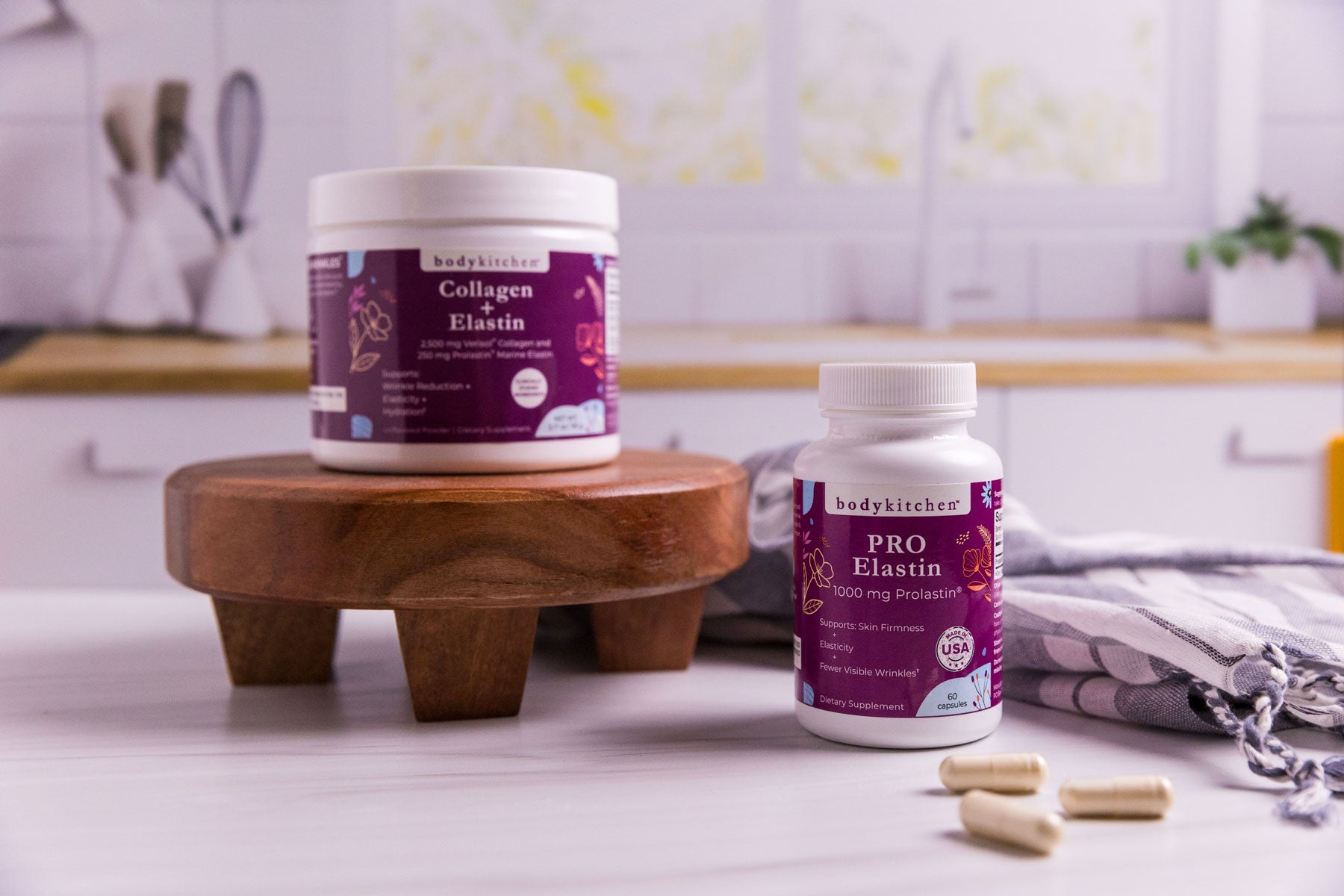
There’s nothing like a refreshing smoothie to give you an energy and nutrient boost during the day. It’s the perfect way to blend a host of health-supportive ingredients together in one convenient, portable beverage. But when it comes to smoothies, it’s important to keep it balanced. In addition to antioxidant-rich fruits, common add-ins include fiber-full seeds and greens, tasty protein powders in flavors like chocolate or vanilla, and healthy fats like nut butter or avocado. These powers combined give you the carbs, protein and fiber you need at each meal. But here’s one you may not have considered: collagen powder. Growing in popularity, collagen peptides and collagen supplements with elastin are a super easy and convenient addition to any smoothie. Here’s how this incredible smoothie addition could boost your health, including the best collagen supplements to consider adding to your regular smoothie routine. Why Add Collagen to Smoothies Daily Adding protein powder or other protein-rich ingredients to smoothies is great for overall health, but collagen is special. As the most abundant protein in the body, it plays a key role in the health of our skin, bones, tendons and ligaments.1 But starting in our mid-20’s, our body’s production of collagen peptides starts to decline. That’s where collagen powder comes in. These small, easily digestible protein fragments are readily absorbed in the digestive tract and can help stimulate your body’s own collagen peptide synthesis.2 Potential benefits of daily collagen powder use include:1,3,4,5 Improved skin elasticity and hydration Reduce appearance of wrinkles Stronger hair and nails Stronger bones Support to the lining of the digestive tract By simply adding a scoop of collagen powder to your daily smoothie, you get a protein boost that supports your entire body. The best collagen supplements are those that provide hydrolyzed peptides for optimal absorption – and pairing that with elastin takes those benefits to the next level. Elastin Powder’s Benefits for Skin Health While collagen gets most of the spotlight, elastin actually plays an equally important role for our skin and overall health. Elastin is the protein that allows skin to stretch and tighten, helping it stay firm, supple and resilient.6 Like collagen, elastin fibers wear down as we age, leading to a loss of firmness in the skin. Unfortunately, elastin isn’t as easy to get from dietary sources, which is why targeted supplementation becomes essential. Research suggests that supplementing with marine-based elastin peptides, like those found in Body Kitchen’s Collagen + Elastin powder may:7 Improve skin moisture and elasticity Reduce wrinkles Improve skin thickness and structure Work alongside collagen peptides to restore healthy, glowing skin The best collagen supplements should have a blend of collagen and elastin to support both strength (collagen) and flexibility (elastin). Support Joint Health with Daily Smoothies Is joint pain and stiffness starting to creep up on you? Here’s another reason for adding regular smoothies with collagen powder. Collagen peptides, specifically type I and type II collagen, are vital for maintaining the integrity of joint cartilage and reducing inflammation. When consumed regularly, collagen supplements have been shown to in studies to:8 Decrease joint pain and improve mobility Reduce joint pain related to exercise Promote cartilage repair Enhance joint function in older adults And, the addition of elastin may help improve the flexibility of the tissues and ligaments around the joints. Drinking a daily smoothie with Body Kitchen’s Collagen + Elastin powder is an easy and delicious way to ease joint discomfort and protect your ligaments for the long haul. If you are searching for the best collagen supplement for overall health, Body Kitchen’s dual-action formula deserves a spot in your smoothie routine. More Benefits of Collagen and Elastin Beyond skin and joint support, collagen benefits extend throughout the body. Both collagen and elastin provide important amino acids to the body, which are essential for tissue repair, healing, and so much more. Additional benefits include:9,10,11,12 Gut health: Collagen supports the gut lining and may help reduce inflammation Bone health: Studies suggest collagen supplements may help improve bone density and help prevent fractures Muscle mass: Collagen can enhance muscle repair, especially when used post-workout Metabolic support: Preliminary studies suggest that collagen can help with blood sugar regulation How to Blend Collagen into Smoothies Adding collagen powder to your smoothies is incredibly simple. Here’s how to make a tasty, well-balanced smoothie with a boost of collagen + elastin. Choose your baseStart with a liquid such as milk, almond milk, coconut milk, oat milk, or even plain water Add high-fiber whole foodsToss in fresh or frozen fruit (berries, banana), greens (spinach, kale), flax seed, chia seeds Add healthy fatsMix in avocado, nut butters, or even hemp seeds Boost with proteinAdd a scoop of protein powder or Greek yogurt Scoop in the collagen + elastin powderAdd 1 scoop Body Kitchen’s Collagen + Elastin powder, which blends easily into cold or warm drinks. It won’t change the flavor or the texture. Blend and enjoy! Final Thoughts Smoothies are a fantastic addition to your weekly routine and can be a nourishing habit that gives long-term benefits. Packing in a whole host of nutrients in one easy-to-make drink, smoothies can really take your health to the next level. But it’s super important that you keep it well balanced. Make sure you have protein, fiber and healthy fats. Fun extras, like collagen powder, can be an easy way to get additional health-promoting ingredients that you might otherwise overlook. For those looking for the best collagen supplements, try a trusted formula like Body Kitchen’s Collagen + Elastin powder, which provides a unique blend of hydrolyzed collagen peptides and marine-based elastin for comprehensive support. Creating the perfect powerhouse smoothie boosted with collagen powder and elastin may just be the next best thing you do for your health! References: https://pubmed.ncbi.nlm.nih.gov/37064452/ https://pmc.ncbi.nlm.nih.gov/articles/PMC11325589/ https://pubmed.ncbi.nlm.nih.gov/33742704/ https://pubmed.ncbi.nlm.nih.gov/34605901/ https://pmc.ncbi.nlm.nih.gov/articles/PMC9198822/ https://pmc.ncbi.nlm.nih.gov/articles/PMC8239663/ https://pubmed.ncbi.nlm.nih.gov/38481080/ https://pubmed.ncbi.nlm.nih.gov/39060741/ https://pubmed.ncbi.nlm.nih.gov/37277083/ https://pubmed.ncbi.nlm.nih.gov/29337906/ https://pubmed.ncbi.nlm.nih.gov/34491424/ https://pubmed.ncbi.nlm.nih.gov/39619994/

Why is Vitamin D an Essential Nutrient?
Most of us are no stranger to the importance of vitamin D. We know it plays a crucial role in many of our body’s system – far beyond just keeping bones strong. Despite that, research shows that almost half of us are vitamin D deficient.1 The problem is, it’s not an easy one to get from the diet. Sunlight is the best source, but not all of us have frequent access to the right amount of UV light. And while supplements are abundant, it still can be easy to overlook. But staying up on vitamin D intake is very important. Why? Because vitamin D is an essential nutrient and our body literally cannot function without it. If you’ve been slacking on vitamin D, let’s take a refresher on why vitamin D is so crucial, the critical benefits of vitamin D, and how to find it in food and vitamin D supplements. Why Your Body Needs Vitamin D So, what does vitamin D do exactly? Vitamin D acts as a hormone, regulating many processes in our body. It’s most well-known for maintaining calcium balance and supporting our bones, but there’s actually so much more. Studies have shown that other benefits of vitamin D include enhancing the immune system, reducing inflammation, and may even help in chronic conditions such as heart disease, autoimmune disease, and possibly even certain cancers.2,3 A vitamin D deficiency can lead to symptoms such as fatigue, muscle weakness, bone pain, and even mood disorders such as depression and anxiety.4Severe cases of vitamin D deficiency lead to soft, weak bones, a condition called osteomalacia. Given how much our body depends on vitamin D, it’s not a nutrient to sleep on! Vitamin D’s Role in Bone Health One of the most well-established vitamin D benefits is its vital role in maintaining strong bones. Vitamin D helps direct key minerals, especially calcium, into the bone. Without it, our bones would slowly weaken over time.5 And weak bones lead to higher risk for fractures and conditions like osteoporosis, which then progressively leads to less movement, weaker muscles and reduced quality of life. This is why so many health professionals recommend vitamin D supplements as part of an overall bone-health strategy. Because when it comes to our bones, prevention is key. Always talk with your doctor first before starting any new supplement, but Body Kitchen’s vitamin D + K2 provides a great solution for proper bone health. Offering 5,000IU of highly absorbable vitamin D in every capsule, just take one a day and you are set. How Vitamin D Helps Absorb Calcium We know that vitamin D and calcium work together for bone health, but maybe you are still wondering, what does vitamin D do when it comes to calcium absorption? Think of vitamin D like a gatekeeper. First, vitamin D helps the calcium from food and supplements move from your digestive tract into the bloodstream. Like a gate agent, it seems to regulate how much calcium can pass through at a time.5 Once through the gate, calcium now needs further instructions on where to go. Both vitamin D and K2 now help direct it where it’s needed, whether it’s to the bones or teeth. And most importantly, it helps prevent calcium from going where it shouldn’t be, mainly the arteries and other soft tissue. This powerful nutrient partnership is why now some of the best vitamin D supplements include K2 for better effectiveness. Again, Body Kitchen’s Vitamin D3 + K2 stands as a smart choice if you are looking for a high-quality, comprehensive option. Vitamin D and a Strong Immune System Besides bones, vitamin D benefits the immune system as well. Research shows that vitamin D plays a critical role in coordinating our immune response and helping to reduce the risk of infections, especially respiratory infections.6 In fact, low levels of vitamin D have been linked to increased risk for colds and flu.7 Interestingly, vitamin D levels tend to decrease during the winter when there’s very low sunlight, so keeping up with a vitamin D supplement can be a way to reduce illness and support year-round immune health. Top Vitamin D Sources to Know There are 3 main ways our bodies get vitamin D: From sun, food and supplements. Sunlight When your skin is exposed to UV light, it makes vitamin D. The amount our body makes can be affected by sunscreen use, pigment of the skin (darker skins absorb less light), and time of year. Vitamin D Foods There’s actually only a handful of vitamin D foods, so getting enough from diet alone can be quite tricky. Here are some of the top foods rich in vitamin D:8 Fatty fish (salmon, mackerel, sardines, anchovies, tuna, trout) Cod liver oil Egg yolks Dairy products UV-exposed mushrooms Fortified foods (non-dairy milks, orange juice, cereals) Vitamin D Supplements For many people, a vitamin D supplement is the most reliable way to maintain optimal D3 levels daily. While some supplements offer the D2 form, using a supplement with D3 is typically preferred as this is the form that is active and raises blood levels of vitamin D faster. Body Kitchen’s Vitamin D3 + K2 fits this criteria, offering a highly absorbable form of D3 with the addition of K2 to increase effectiveness for bone health. Final Thoughts So,is vitamin D an essential nutrient? Absolutely, because it plays critical roles in bone health, proper calcium absorption, immune function, and even mood and chronic disease prevention. Essentially, we can’t live without it. And yet, many of us are not getting enough – especially during the winter months. The good news is there are several easy, proactive steps you can take, including adding vitamin D foods and using vitamin D supplements, to get your levels up. It’s probably one of the best things you can do for your long-term health. References: https://pmc.ncbi.nlm.nih.gov/articles/PMC9573946/ https://pubmed.ncbi.nlm.nih.gov/35233703/ https://pubmed.ncbi.nlm.nih.gov/36308576/ https://pubmed.ncbi.nlm.nih.gov/31093951/ https://www.niams.nih.gov/health-topics/calcium-and-vitamin-d-important-bone-health https://pubmed.ncbi.nlm.nih.gov/33798465/ https://pubmed.ncbi.nlm.nih.gov/32252338/

Why Water Matters: Stay Hydrated for Hormonal Harmony
Staying cool is getting harder as regions throughout the country are increasingly scorched by extreme heatwavesthat push temperatures into blistering record-breaking triple digits. Prolonged heat stresses your body, forcing systems to work overtime to maintain the balanced internal core temperature needed to stay in healthy balance. You are mostly made of water – about 60% to be exact. Not only is this life-saving liquid central to healthy urinary function, digestion, cardiovascular, skin, vaginal health, but to hormonal balance. Fluid balance – or osmoregulation – involves a collaboration between your brain, kidneys and endocrine system to keep levels of water and electrolytes balanced. Dehydration simply means that water blood is too concentrated with proteins and minerals and too low in water content. And when your brain detects dehydration, it sends a thirst signal for you to increase water consumption. In the meantime, your kidneys adjust to hydration levels by producing less (but more concentrated) urine to conserve much-needed water. So, it makes sense that your body’s command center and filtration system are affected by dehydration, but what does water have to do with your internal chemistry? A lot, according to science. Thirsty hormones Water keeps hormonal balance afloat. The endocrine system consists of a network of glands located throughout the body that produce an assortment of chemical messengers. Among these hormones are estrogen and progesterone (ovarian), aldosterone and cortisol (adrenal), antidiuretic hormone (hypothalamus) and insulin (pancreatic). When you don’t drink enough water, the dehydration that follows disrupts hormonal balance in various ways: Cortisol, a stress hormone, spikes as a result of the brain’s perceived threat to life and health. Antidiuretic hormone (ADH) is released to instruct kidneys to conserve water, leading to a reduction in urine, sweat and saliva production. Insulin, the hormone that aids sugar uptake, spikeswhen blood sugar levels in the bloodstream are too concentrated Estrogen and progesterone help regulate hydration levels, so increasing water intake is important when these sex hormones fluctuate. To maintain a harmonious balance of hormones throughout your body, drinking water daily and consistently is vital – and so easy to do. Electrolytes or plain water With all the options available for staying hydrated, you’re probably wondering, what exactly does your body needmost – electrolytes or water? Whether you prefer filtered or tap, water is the everyday elixir you need every day to support hormone balance, rid your body of toxins, and promote overall good health. If you consume a high-protein diet, it’s wise for you to increase your water intake to flush out waste products, such as urea, that are generated as a by-product of breaking down protein. If you don’t drink enough water, your kidneys must work harder to flush out waste products through urine. This does not mean that electrolytes are not important. In fact, they’re essential. Electrolytes are minerals that regulate fluid balance and carry out a multitude of functions, including supporting muscle and nerve function. When they dissolve in water, their electrical charge sparks reactions throughout the body. Electrolytes include: Sodium Potassium Magnesium Calcium Chloride Phosphate Bicarbonate You consume electrolytes naturally through food, such as bananas, avocados, veggies, nuts, dairy and whole grains; and coconut water and mineral water are naturally high in electrolytes. Because electrolytes are readily available, electrolytedrinks are generally not necessary unless you’re losing fluids through excess sweating or illness. Hydration heroes While your hormonal health depends on water, your taste buds may sometimes crave something more refreshingand satisfying. There are many healthy ways to stay hydrated and support osmoregulation that are thirst-quenching and revitalizing: Iced herbal tea, unsweetened Flavored ice cubes, unsweetened Water-rich fruit (watermelon, cucumbers, cantaloupe, strawberries, oranges, pineapple) Flavored seltzer water, unsweetened Mineral water, unsweetened Water with sliced or muddled fruit and fresh mint Iced coffee, unsweetened For a deliciously hydrating drink that really brings the summer vibe, try our Refreshing Strawberry Lemonade recipe. Get creative with your refreshments to prevent hydrationboredom this summer. Sugary beverages and energy drinks don’t count While a small amount of caffeine from coffee or tea (400 mg daily for adults*) is not dehydrating, an overload of caffeine, especially from sugary energy drinks and sodas, can increase your risk of dehydration. Sugar, on the other hand, is a hard no. Both sugar and caffeine are diuretics, meaning they increase urine production. But unlike coffee or tea which contains lots of water to offset the loss of fluid, caffeinated drinks are disproportionately loaded with sugar and caffeine. Excessive amounts of sugar can lead to dehydration by competing with water molecules for absorption into the intestine, as well as by increasing vasopressin levels, a hormone that increases urine production.