Blog


Collagen Protein Brownie Mug Cake
When that chocolate brownie craving hits and you don’t want to make a whole batch, try this two-serving brownie mug cake. It contains whole food ingredients, providing protein, fiber, and healthy fats to keep blood sugar stable and satisfy your craving.

Top Nutrients & Nootropics to Support Focus & Brain Health
A sluggish, foggy-brain feeling makes it impossible to concentrate on what you’re doing and distracts you from what you’re supposed to be doing. The ability to control one’s focus is a survival skill. It’s the prelude to thinking and shapes your capacity for learning, memory and recall. A focused mind influences how well you can solve problems and make decisions. Social interactions and personal relationships rely on keen focus and attention capabilities, too. From loved ones who deserve your mental presence, to co-workers who depend on your performance and contributions, relationships and experiences are more vivid and perceptions more intense when you can focus on them. A fitful night of sleep or an overload of stress can temporarily dim your brainpower. But if inattentiveness is causing your work, school or home life to suffer and is preventing you from sharing your gifts with the world, you may be stuck in “survival brain”. What is “survival brain”? Your brain is a wonderful and wild network of activities that control reason, emotions and coordination at breathtaking speed. Your learning brain helps you process information, memorize information and cope with stress. But when you’re feeling mentally and emotionally overwhelmed, your hypervigilant nervous system switches your survival brain to protective mode, making getting through your day difficult and clouding your ability to think clearly. Nutrients that brighten brainpower and soothe your nervous system Whether you’re zoning out because you’re stressed out, or you just can’t break out of the brain fog, give your mind a nutritional tune-up. Your daily nutrition is the foundation of your mental and physical health, ensuring that your body has the abundance of essential and non-essential nutrients needed to function at peak levels. And when it comes to optimizing brain power, fatty acids and antioxidants are the nutrients that rule the day. The three pounds of gray matter between your ears are nearly 60% fat. Fatty acids are critical building blocks that support the brain’s ability to function optimally, but they are not produced in the human body. Fatty acids must be consumed through diet. Antioxidants are inflammation-fighting compounds that help protect brain cells from free radical destruction and aid in the repair of brain tissue. Your body can produce some antioxidants, such as glutathione and vitamin D. But most others must also be consumed through diet. Here’s a look at top natural sources of brain-boosting fatty acids and antioxidants and why you need them. Fatty fish Sources: salmon, tuna, herring and mackerel Oily fish varieties contain mega-high levels of omega-3 fatty acids that help build brain cell membranes and support neuroplasticity—your ability to form new connections for learning. One human study revealed a positive correlation between high concentrations of omega-3s and cerebral blood flow. Link DHA and EPA are two powerful omega-3 fatty acids that possess anti-inflammatory factors that protect cognitive function. Shellfish and other seafood Sources: oysters, clams, cod and shrimp While fatty fish have the highest concentrations of DHA and EPA, there are other seafood sources that contain this brain food, which is great news if you’re not a fan of fatty, cold-water fish. Nuts Sources: walnuts and cashews Certain nuts contain high levels of polyunsaturated fatty acids (PUFAs), which include both omega-3s and omega-6s. ALA is an omega-3 fatty acid that your body converts to DHA and EPA. Walnuts contain the highest levels of omega-3s of any nut, plus high levels of vitamin E and polyphenols. And cashews are rich in L-arginine, an amino acid that boosts blood flow; as well as magnesium and zinc. Seeds Sources: flaxseed, sunflower seeds and chia seeds Like certain nuts, this select group of seeds is considered brain fuel for supplying PUFAs and being good plant-based sources of omega-3 fatty acids. While omega-6 PUFAs are good for you, consuming them at levels that are disproportional to omega-3s can increase inflammation. Link Link Berries Sources: blueberries, blackberries, strawberries and black currant Studies reveal the neuroprotective benefits of dark-colored berries. They contain powerful plant chemicals, including anthocyanins, catechins and quercetin, that are believed to promote memory, motor function and learning, and counteract the effects of oxidative stress. Link Leafy greens Sources: spinach, kale and collard greens For improved focus, load up on leafy greens every day. Their brain-boosting nutrient profile includes magnesium, vitamin K and folate, all of which support cognitive and nervous system health. They’re also brimming with inflammation-fighting antioxidants. Fill the gaps There is no question that fortifying a sharp mind and strong memory starts in the kitchen. Nutritious foods supply perfect balances of macro and micronutrients that work synergistically to optimize health and energy. But if you don’t have a taste for salmon or kale, you’re not doomed to living in a cognitive haze. By supplementing the nutrients your brain needs most, you can support the vast network of vital processes that center your focus and bring out your best. Nutrients known to fire-up cognition include: Iron Magnesium Vitamin B12 Vitamin C Vitamin D Vitamin K Omega-3s Micronutrient deficiencies can negatively affect your attention span, mental acuity, memory and even your mood. Deficiencies are not only the result of a lack of nutritious foods or a balanced diet—some medications and conditions, such as chronic stress, can deplete nutrients your brain needs. Assess whether your daily menu provides a steady intake of these brain fuels, and if they don’t, consider filling the gaps with a supplement form. Can natural nootropics enhance cognition? Nootropics have a reputation for helping to improve memory, concentration, clarity and processing speed. Synthetic, medically-prescribed nootropics are known as “smart drugs”. Natural, plant-based nootropics are known as performance enhancers. The word itself means “to guide thinking” in Greek. While nootropics sound exotic, natural nootropics are simply herbs or plant-compounds that activate certain responses in the brain and nervous system. They can give you a mental edge and help slow the effects of cognitive aging. Even if you’re still young, you can experience a decline in mental agility and performance. Believe it or not, processing speed is believed to start slowing down around age 30, especially in women. Link Best nootropic sources As with micronutrients, there’s a wide assortment of natural nootropic compounds, each one working to enhance cognition in different ways. Some natural nootropic sources can boost mental stamina and focus while combatting sluggishness (coffee bean and green tea). Others promote mental and visual sharpness and processing speed (marigold seeds and blueberries). Natural nootropics are available in supplements to deliver higher concentrations of active ingredients than what you could consume through food alone. For one you can trust to boost your brainpower, try our Exeed Mind made with science-backed nootropics from fruit and botanical compounds. Food for thought If your mind needs some help to ‘get up and go’, your diet and nutrition choices are the way to go. Sparking your mind and maintaining your focus don’t have to be complicated rituals, but you do have to take action to get the results you want. By prioritizing the foods that your brain needs most, minding the nutritional gaps and using nootropics for an extra edge, you can clear the mental fog, improve focus and get the most out of your performance.

Folate and DNA Methylation
Folate, also called vitamin B9, is thought to be an essential vitamin for human health. It can play an important role in DNA methylation, a process that helps to regulate gene expression. Without adequate levels of folate, cells often can't divide properly. However, roughly half of the population has a gene mutation (known as the MTHFR gene mutation) that affects their ability to use folate adequately. For these people, certain types of synthetic folate supplements called folic acid may not be helpful. Methylated folate supplements may be a better fit for these people. Now, let's discuss more about what folate is, folate benefits, the importance of folate for DNA methylation, folate vs. folic acid, and how to ensure that you're getting enough folate. Understanding Folate's Role in DNA Methylation Folate in its active form, tetrahydrofolate, can be an important mediator in the process of DNA methylation. But what is DNA methylation and what does it do? DNA methylation is thought to be what allows gene expression to occur without mutating the DNA, so it may be imperative for cell division and replication. It may be a crucial aspect during fetal development as well as throughout each life, since our cells are continuously being recycled and renewed.1 Specifically, folate can donate methyl groups for the synthesis of S-adenosylmethionine (SAM), which then may donate methyl groups for DNA methylation.2 How Folate Influences Gene Expression and Cell Function DNA methylation may silence or activate specific genes, and folate is thought to be an integral part of this process. DNA hypermethylation and hypomethylation are often how this silencing or activation of certain genes is accomplished.1 This process most likely controls cell function, production, and differentiation. Methylation commonly helps to direct the body to produce the specific types of cells it needs at the correct times. Folate may also be necessary for the synthesis of nucleotides, which are the building blocks of DNA. Therefore folate deficiency - at any period of life, but especially during fetal development - may have a huge impact on proper development. Folate deficiency during pregnancy can lead to spinal development disorders in the infant, such as spina bifida. In this condition, the neural tube commonly doesn't fully form.3 Folate can also work closely with other vitamins that are important for cell development and differentiation, such as vitamin B12 and choline. Folate deficiency symptoms may affect several various body systems since it can have wide-reaching effects. The Link Between Folate Deficiency and Epigenetic Disorders Epigenetics typically refers to the interplay between genetics and the environment. For instance, you may have a genetic predisposition towards a certain condition but can also require an environmental trigger for the issue to manifest. This is a broad but emerging field of science, and it appears that many diseases may have an epigenetic origin. Folate deficiency may disrupt DNA methylation homeostasis, or balance, which can lead to the activation of genes that may stimulate tumor growth or immune changes. Folate deficiency has also been linked to neural tube defects in infants, cardiovascular disease, and psychiatric conditions. The folate link to these diseases is thought to be due to its effects on DNA methylation. Low folate levels can also lead to high levels of homocysteine, and these high homocysteine levels may contribute to the development of heart disease and some psychiatric conditions such as schizophrenia.3 Folate's Impact on Health: From Development to Disease Prevention Folate can play an important role in health across each lifespan, from fetal development to optimal health in adults. During pregnancy, folate can be essential for proper development, helping to prevent neural tube defects that may affect the brain and spinal cord. Adequate folate intake during pregnancy may reduce the risk of these defects and support healthy fetal growth.3 For children, folate may be necessary for growth, development, and forming new tissues. Folate is also thought to support red blood cell production and help prevent anemia, which is a common cause of fatigue and other health complications in children. In adults, folate may help support heart health, brain function, and healthy immune responses. Folate may also help reduce risk of age-related diseases and cognitive decline in older people.3 How to Ensure Adequate Folate Intake for DNA Health It can often be considered essential to get enough folate in your diet or via supplements, not only for DNA methylation but for overall health. Folate has many different uses in the body. Folate is often found naturally in leafy green vegetables such as spinach and kale, citrus fruits, nuts, beans, seeds, liver, eggs, and whole grains.3 Folic acid is added to many grain foods, but folic acid isn't the same thing as folate. Folic acid is a synthetic form that people with the MTHFR gene mutation may not utilize effectively.4 The recommended dietary allowance (RDA) for folate can vary based on age, sex, and life stage. Adults typically need 400 micrograms of folate per day, but pregnant women often need 600 micrograms and breastfeeding women can need 500 mcg. 3 Supplementation is usually recommended for individuals with higher folate needs or those who have difficulty obtaining enough folate from their diet. Women who are trying to become pregnant are often advised to take a folate supplement to reduce the risk of neural tube defects in the developing fetus. Also, all prenatal multivitamins are typically formulated to contain 100% of a pregnant woman's daily need for folate. When choosing a folate supplement, look for one that is methylated or that contains 5-methyltetrahydrofolate (5-MTHF) rather than folic acid. Is folate the same as folic acid? No, so it's important to choose a high-quality methyl folate. Speak to Your Doctor Before Taking a Folate Supplement Folate supplements are generally safe. For the most part, excessive amounts of folate are likely excreted in your urine. However, there are some concerns that high doses of folate can mask other nutrient deficiencies, such as a vitamin B12 deficiency.3 Doses over 1,000 micrograms per day may also cause serious side effects and complications, especially in people with preexisting medical conditions.3 If you have any concerns about folate supplementation or folate side effects, be sure to speak with a doctor before using a folate supplement. References https://pmc.ncbi.nlm.nih.gov/articles/PMC3521964/ https://pmc.ncbi.nlm.nih.gov/articles/PMC3262611/ https://ods.od.nih.gov/factsheets/Folate-HealthProfessional/ https://pmc.ncbi.nlm.nih.gov/articles/PMC9380836/

Choline and Longevity: Could This Nutrient Be the Key to Anti-Aging?
Choline may be the best, as well as notoriously underrated, nutrient, but in recent years we have finally started to understand its importance for health and longevity. Although it may be naturally produced in small quantities in the liver, it’s commonly recommended to meet most of our choline needs through food or supplements. As a key component of the neurotransmitter acetylcholine, choline is thought to play a starring role in cellular health, brain function, and overall wellness. In this article, let's explore what choline is, the possible benefits of choline for anti-aging, the best choline food sources, the importance of choline supplements, and choline deficiency symptoms. The Science Behind Choline's Potential Anti-Aging Benefits From conception to late adulthood, choline can benefit optimal health and may play a role in anti-aging - especially in preserving brain function and preventing cognitive decline.1 However, choline may also play a vital role in all cells - supporting cellular integrity as a key component of the cell membrane.1 Here's more about how choline works to support longevity, as well as the effects of choline on cellular health. Understanding Choline's Role in Aging and Longevity Choline may play what’s considered to be a supporting role in several physiological processes, including some roles that are related to metabolism, central nervous system function, and liver function. As a result of natural aging, our bodies may undergo numerous changes. However, many of these age-related changes may further be influenced by cellular dysfunction, inflammation, and oxidative stress. Some research suggests that adequate choline intake can help combat some of these aging-related issues, promoting longevity and reducing the risk of age-related diseases.2 One of the most important ways choline may influence aging is through its role in DNA methylation. This process regulates gene expression and is important for maintaining healthy cells. With aging, DNA methylation patterns may become disrupted, which can lead to alterations that affect homeostasis (balance) in the body. Choline may act as a primary methyl donor in the DNA methylation process, so adequate levels of choline may work in this way to help combat premature aging.3 Choline is also involved in homocysteine metabolism. Homocysteine is a compound that, when found in high levels, may contribute to cardiovascular diseases and cognitive decline. However, choline may help to convert homocysteine into less harmful substances, potentially lowering the risk of these age-related health issues.4 How Choline Supports Cellular Health and Function To prevent premature aging and support longevity, cellular health is foundational — and choline may be essential for cellular health. It's thought to be an important component in phospholipids. These compounds can be found in the cell membrane of every cell in the body. Phosphatidylcholine, the primary phospholipid containing choline, can often help cell membranes to remain flexible while maintaining their integrity.5 With aging, and in cases of choline deficiency, cell membranes may lose flexibility - making it easier for the cells to be damaged while also limiting communication between cells. However, choline may support the fluidity of cell membranes in order to ensure that they can repair damage, communicate with other cells, and function optimally.5 Finally, choline can be essential for neurotransmitter synthesis. It's necessary to create acetylcholine, a neurotransmitter that sends messages to and from the central and peripheral nervous system. It can help support brain function, muscle control, memory, and more. Acetylcholine may decline with aging, which may also lead to cognitive decline. A series of studies have shown that choline supplementation may help reduce the risk of cognitive decline that’s naturally seen with aging.1,2 Choline Sources: Foods That Boost Your Intake Choline is often found in a variety of foods with some of the best high choline foods coming from animal sources. For instance, the single best source of choline is thought of as beef liver, which can provide over 50% of the Daily Value (DV) for choline per serving.1 However, another significant source of choline may be eggs. Egg yolks are extremely rich in choline, with one egg providing about 25% of the DV for choline per serving.1 Other meats, including fish and seafood, can be the next best choline sources. Some plant-based sources of choline can often include soybeans, potatoes, kidney beans, and quinoa. People following a plant-based diet may need to be especially thoughtful about meeting their choline needs through dietary choline sources alone.1 Choline Deficiency and Its Impact on Health and Aging Choline deficiency is rare in the U.S., but it can occur under certain circumstances. Individuals who are pregnant, breastfeeding, or consuming a diet that’s low in choline-rich foods are typically at an increased risk of deficiency. Symptoms of choline deficiency can be severe, including liver damage, muscle damage, and impaired cognitive function. In extreme cases, choline deficiency may cause nonalcoholic fatty liver disease (NAFLD), which can then increase the risk of other liver complications.1 Pregnant women commonly require more choline for fetal brain development. Poor choline intake during pregnancy has been linked to an increased risk of neural tube defects and impaired cognition in babies. Choline deficiency during fetal development may also increase the risk of age-related cognition issues later in life.1 Choline needs commonly vary by age, sex, and life stage. For most adults, the recommended daily intake, typically ranges from 425 milligrams for women to 550 milligrams for men. But how much choline is needed for a successful pregnancy, knowing how important it is for fetal brain development? Pregnant and breastfeeding women may require higher amounts of choline, with recommendations often ranging from 450 to 550 milligrams per day.1 Choline supplement benefits may be most noticeable for people at a higher risk of inadequate choline intake, such as elderly people and those who follow a vegan lifestyle. The best choline supplements contain enough choline to ensure that these groups receive 100% of their daily needs. Talk to Your Doctor Before Using Choline Supplements Consuming too much choline from choline supplements may come with some risks. Adults who exceed the Tolerable Upper Intake Level (UL) of 3,500 milligrams of choline per day may experience symptoms such as vomiting, excessive sweating and saliva production, low blood pressure, fishy body odor, and liver damage.1 Choline consumption is also thought to increase the body's production of trimethylamine N-oxide (TMAO), which may increase your risk of heart disease.1 For these reasons, as well as for often unforeseen reasons, it's important to discuss choline supplementation with your doctor before adding it into your daily intake - especially if you have any concerns. References https://ods.od.nih.gov/factsheets/Choline-HealthProfessional/ https://pubmed.ncbi.nlm.nih.gov/31560162/ https://pubmed.ncbi.nlm.nih.gov/28468239/ https://pubmed.ncbi.nlm.nih.gov/16002808/ https://pubmed.ncbi.nlm.nih.gov/26511472/

The Collagen-Sleep Connection: How Collagen Supports Deep Rest and Overnight Recovery
Magnesium, melatonin, chamomile… are all natural sleep supplements that are associated with relaxation and better rest. But there's another natural supplement that’s thought to promote better sleep - it may not immediately come to mind, though. It may just be… collagen. Collagen is the body's most abundant protein, and can be found in the skin, joints, bones, blood vessels, and other connective tissues. Although supplemental collagen peptides are most renowned for potential benefits related to joint support, skin health, and skin appearance, they may help you rest easier too. The reason for this is due to its glycine content, an amino acid which commonly plays a crucial role in restful sleep and overnight recovery. Let's review the surprising relationship between collagen supplements and better sleep, and why collagen may be a powerful addition to your evening routine. Key Benefits of Collagen for Better Sleep Quality Does collagen help you sleep? Scientific research on the benefits of collagen for better sleep is extremely limited. However, the research that is available does suggest a link between collagen supplementation and sleep quality. Additionally, some research also suggests that better sleep can enhance the effects of collagen supplements - so there may be a bidirectional relationship between the two.1,2 There's also a larger body of research to support the effects of glycine, one of the key constituents of collagen, on sleep and relaxation. So yes, collagen can help with sleep - at least, there's a fair bit of research to suggest that it does. How Collagen Supports Restorative Sleep Cycles Collagen is a protein, so it's made up of smaller units called amino acids. Since it's particularly rich in the amino acid glycine which may support full body recovery and restful sleep that offers collagen its nighttime accolades for better sleep. Some benefits of taking collagen at night may include: Lowering body temperature: A slightly lower body temperature at night can make for better quality sleep, and supplemental glycine may help lower your core body temperature.3 Supporting Circadian rhythm: Taken in the evening, the glycine in collagen may also help to support the body's natural sleep-wake rhythms.4 Improving sleep efficiency: Additionally, collagen and glycine may help you fall asleep faster and have fewer interruptions at night.3 Calming the nervous system: Finally, glycine may also help calm the nervous system - making it easier to switch off your "fight or flight" defenses so that you can fully rest and recover.5 The Role of Collagen in Overnight Recovery Sleep isn't just a way to alleviate fatigue, it's thought to be an essential and restorative recovery process for every system in the body. Collagen supplementation can also play a role in muscle recovery and healing. Here are a few ways that collagen may support overnight recovery and restorative sleep: Tissue repair: While we sleep, our bodies actively and typically repair damaged tissues and build new cells. Collagen can provide the building blocks that we need for this regeneration process.6 Skin health: During the overnight hours, our skin cells are commonly active in the regeneration process. Having adequate collagen to support this renewal process could help lead to better skin appearance upon waking.6 Muscle recovery: Athletes and people who exercise regularly may also benefit from collagen supplementation, since it appears to help support muscle repair and recovery during sleep.7 Other Benefits of Collagen Collagen has numerous other benefits, too. Since it's a protein, it has been found to help support satiety (feelings of fullness) as well as the maintenance of muscle mass. It may also help with: Digestive health: Collagen peptides and their constituent amino acids may help repair and strengthen the gut lining, reducing gut permeability. This can improve your gut microbiome and may help strengthen the immune system as well.8 Joint support: Collagen is important for joint health, and there is some compelling evidence to support the use of supplemental collagen to reduce joint discomfort.9 Skin health and appearance: Collagen is also well-known for its potential to improve the appearance of skin. It can help the skin appear more youthful and hydrated, reducing wrinkles.6 Metabolism: Proteins, including collagen, may help stabilize blood sugar levels. This can help reduce extreme hunger and improve metabolic health.10 Will Collagen Make Me Sleepy During the Day? Does collagen make you sleepy? For most people, collagen doesn't typically cause fatigue or sleepiness. However, because of its glycine content, collagen is often used as a nighttime sleep aid. Some people report that collagen can make them feel drowsy. If this is the case for you, it may be best to take your collagen before bed rather than in the morning. You can commonly take collagen at night with zero issues. If you take it mixed with liquids, however, be sure to account for proper timing so your sleep isn’t interrupted due to bathroom breaks. You may also find it helpful to split your collagen into a morning and evening dose. How to Incorporate Collagen for Enhanced Rest Interested in trying collagen for sleep? Collagen is surprisingly easy to incorporate into your nightly routine as a natural sleep aid supplement. About 30 minutes to one hour before bed, it’s recommended to take your collagen supplement - following the directions on the label. Taking it at this time may help glycine levels to reach their peak right as you're preparing to go to sleep. Some people like to take their collagen mixed into tart cherry juice, an antioxidant-rich juice that may work synergistically with glycine to support restful sleep. Some other complementary compounds that may work well in conjunction with collagen include: Magnesium: supports sleep by working in tandem with glycine11 Lavender: enhances relaxation and stress relief12 Chamomile: promotes restfulness and tension relief12 Vitamin C: supports natural collagen production13 However, collagen benefits are compounding - it may not necessarily work well as a once-in-a-while sleep aid when you're feeling restless. Instead, you'll most likely get the most benefits for sleep, as well as skin and joint health, by taking collagen consistently over several weeks or months. Speak to Your Doctor Before Taking Collagen Collagen is considered to be safe with very few known side effects. It may cause minor side effects, such as nausea or stomach upset. However, collagen supplements may also contribute to histamine production, so people who are sensitive to high histamine levels may want to limit their use of collagen supplements.14 Finally, you should speak to your doctor before taking collagen if you have any health concerns or if you're taking any prescription medications since your doctor can typically guide you in the right direction. References https://pubmed.ncbi.nlm.nih.gov/37874350/ https://pubmed.ncbi.nlm.nih.gov/39912934/ https://pmc.ncbi.nlm.nih.gov/articles/PMC4397399/ https://pmc.ncbi.nlm.nih.gov/articles/PMC3328957/ https://pmc.ncbi.nlm.nih.gov/articles/PMC6007534/ https://pubmed.ncbi.nlm.nih.gov/30681787/ https://pubmed.ncbi.nlm.nih.gov/30783776/ https://pubmed.ncbi.nlm.nih.gov/28174772/ https://pubmed.ncbi.nlm.nih.gov/36986062/ https://pubmed.ncbi.nlm.nih.gov/34677483/ https://pubmed.ncbi.nlm.nih.gov/35184264/ https://pmc.ncbi.nlm.nih.gov/articles/PMC7191368/ https://pubmed.ncbi.nlm.nih.gov/30386805/ https://pubmed.ncbi.nlm.nih.gov/2425589/

Your Vitamin C Fact Sheet for Improving Your Entire Body
Vitamin C is the baking soda of the nutrient world. This all-purpose nutritional staple wins the prize for versatility for fighting off multiple threats, interacting with other nutrients, and improving your health in every way. From radiantly plump skin to immune system defender – and these are only the well-known benefits! Glorious vitamin C also supports your heart function, reduces your risk of developing devastating health problems, and pumps marathon-level energy into your cells. But don’t be fooled by its commonplace ubiquity. As one research study stated, “Vitamin C in humans must be ingested for survival.” * You literally can’t live without it! No matter what you think you know about vitamin C, get reacquainted with this fierce age-fighter and discover what it can do for your body. Vitamin C makes plants and humans stronger In plants, vitamin C’s role is to boost growth and stress tolerance. And by consuming vitamin C through diet or supplements, you invite the good stuff to circulate in your bloodstream to nourish all of the cells inside of you. * Vitamin C is an essential, water-soluble nutrient that your body cannot produce. In its naturally occurring state, it’s known as L-ascorbic acid, a compound found in the juicy fruits and vegetables we eat. Top vitamin C foods include: Oranges Berries Mangoes Kiwi Tomatoes Bell peppers Spinach Broccoli Brussels sprouts Cabbage Cauliflower (Don’t miss our Orange Creamsicle Smoothie recipe made with one whole orange!) Body-wide benefits of vitamin C Vitamin C has a protective role in helping to keep you healthy and safe, inside and out. Here’s a look at the major ways in which this powerhouse shines: * * Collagen renewal – essential for synthesizing protein building blocks in skin, bones, teeth, cartilage, tendons, eyes, and blood vessels. Heart health – low levels of vitamin C may increase the risk of cardiovascular issues, including high blood pressure. Boosts iron absorption – increases GI acidity, converting iron into an absorbable form. Vision health – helps reduce the future risk of age-related eye problems. Immunity defense – enhances immune cell function to fight infections. Lowers risk of cell-related conditions – neutralizes free radicals, supporting healthy cellular behavior. Supports the nervous system – protects memory, cognition, and nerve health for healthier aging. For most adults, 70-150 mg daily is considered the average protective dose. * The daily Recommended Dietary Allowance (RDA) is 75 mg for women and 90 mg for men. Higher doses, up to 1,000 mg daily, appear beneficial without significant side effects. * Doses above this may not be fully metabolized and are excreted. (Boost your vitamin C levels with Vitamin C Shield – it includes liposomal vitamin C for longer retention.) Diet or supplement? When consuming plenty of vitamin C-rich foods daily, dietary sources may be sufficient. However, during stressful periods or cold seasons, a high-quality vitamin C supplement can help maintain optimal levels.

Orange Creamsicle Smoothie with Collagen + Elastin
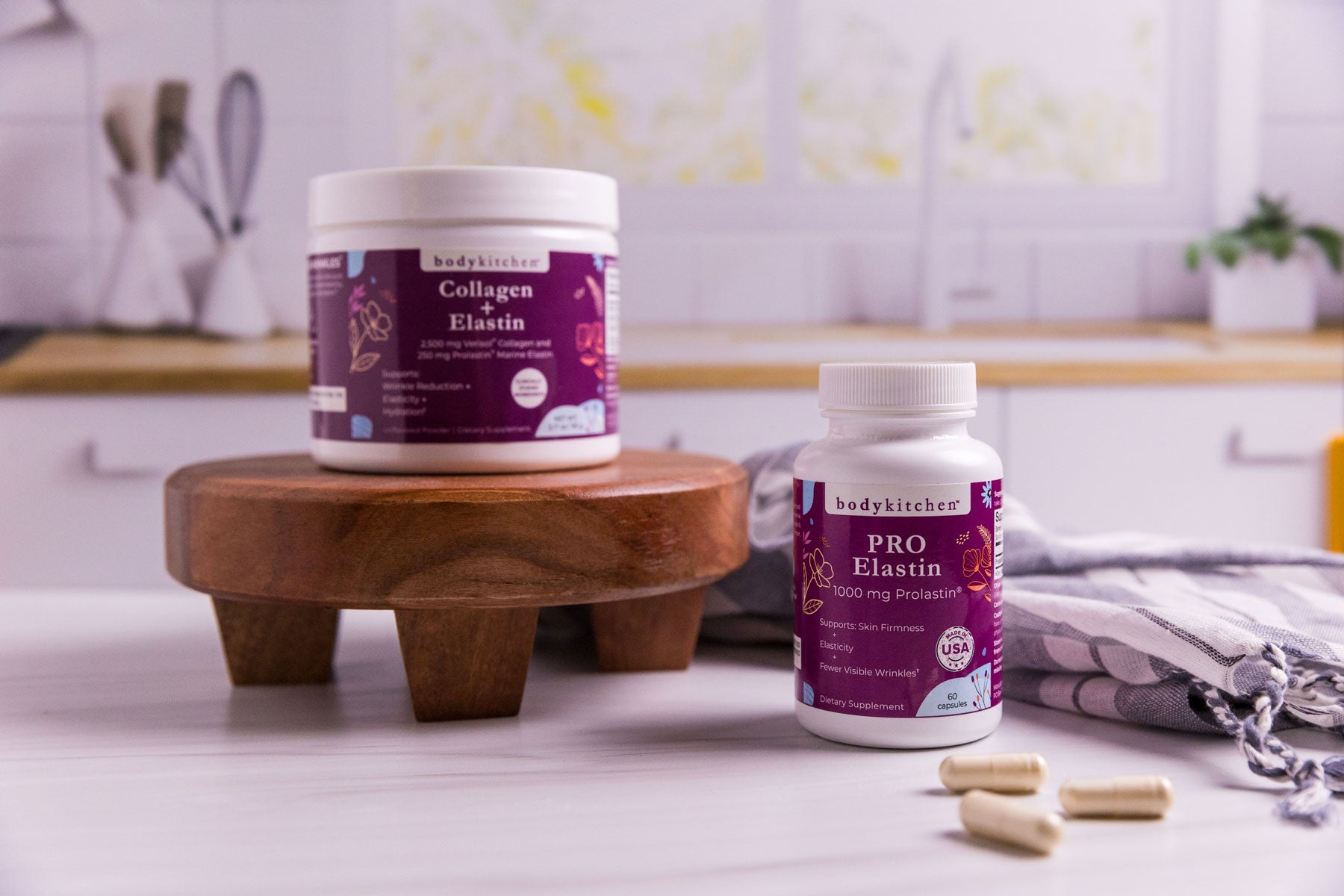
As it’s warming up outside, get ready to add this refreshing and nourishing smoothie to your rotation. It’s perfectly creamy and bright with orange flavor from the whole fruit and zest, reminiscent of a creamsicle popsicle. You might know oranges for their vitamin C content, but they are also packed with antioxidant polyphenols that work together with vitamin C in the body for immunity, skin health, and more. Most of these polyphenols are in the peel and white, pithy part of the orange, which you’ll make the most of in this smoothie. The orange color of oranges comes from carotenoids, yet another type of antioxidant. This orange creamsicle smoothie is also the perfect vehicle for Body Kitchen Youthful Beauty Advanced Powder and Body Kitchen Collagen + Elastin Powder, providing protein to target skin firmness, elasticity, and vibrance. Prep and steep time: 5 minutes Makes: 1 serving Ingredients: ½ banana, fresh or frozen ½ - 1 teaspoon orange zest 1 medium orange, peeled and seeds removed ½ cup unsweetened soy milk (or milk of choice) 2 tablespoons coconut cream (from a refrigerated can of coconut milk) 1 scoop Body Kitchen Youthful Beauty Advanced Powder 1 scoop Body Kitchen Collagen + Elastin Powder ½ teaspoon vanilla extract (or ¼ teaspoon vanilla bean powder) 4-5 ice cubes Directions: Place all ingredients in a high-speed blender and blend until smooth. Enjoy outside in the sunshine. Nutrition facts (1 serving): 285 calories, 20 grams protein, 12 grams fat, 31 grams carbohydrate, 5 grams fiber

How To Strengthen Nails Naturally
Through just about all of your daily activities, your hands are hard at work. While you perform tasks and use gestures to express yourself, people notice them. As a result, having healthy nails can significantly impact your appearance. Unfortunately, many people struggle with nails that break easily or refuse to grow. Read on to learn how to strengthen nails naturally and discover how vitamins and minerals for nail health like biotin and Cynatine HNS could make a big difference. What Is Biotin? Biotin for nails: Biotin is the common name for vitamin B7. You'll also sometimes see it referred to as vitamin H. Your body needs biotin to convert food into energy. Because the vitamin is water-soluble, it can't be stored, and your body also can't manufacture it. As a result, you need to regularly consume foods rich in biotin like seafood, lean proteins, seeds, and certain vegetables like sweet potatoes and broccoli. One of the critical signs of biotin deficiency is brittle nails. It can also cause slow hair growth and thinning hair in some people. Often, medical professionals recommend biotin for hair and nails, and the vitamin is a crucial ingredient in many hair and nail supplement products. What Is Keratin? Keratin is a protein that functions as the primary component of the fingernails and toenails. To manufacture keratin, the body needs specific amino acids. There is some evidence to suggest that increasing the body's supply of these nutrients by taking a keratin supplement could promote stronger nails and support growth. What Is Cynatine HNS? Cynatine HNS is a form of keratin used in some vitamins to strengthen nails. The keratin is solubilized to increase bioavailability. In other words, this form of keratin is optimized to help your body digest and utilize the amino acids it contains more efficiently. Due to the increased bioavailability, Cynatine HNS may make supplements more effective than products that contain other forms of keratin. Cynatine vs. Biotin: Which Works Best To Improve Nail Strength? Both Cynatine HNS and vitamins are options for people who want to take vitamins to improve nail strength, and those researching products often wonder which is better. The truth is that the two key ingredients are both critical for promoting stronger, healthier nails. Biotin supplies the body with a vital vitamin necessary for maintaining nails, while Cynatine NHS gives you a boost in amino acids for building stronger bones. Because your body needs both keratin and biotin to strengthen nails, the best approach is to choose a product that contains both. Tips for How To Improve Nail Growth and Strength To improve nail growth and strength, follow these tips: Don't Go the Faux Route. Acrylic and gel nails may allow you to get the look of longer, stronger nails, but these artificial nails can wreak havoc on your real ones. Over time, they can weaken the nails and cause peeling and brittleness. Plus, nail technicians often use ultraviolet lamps to cure artificial nails and tips, exposing your hands to cancer-causing UV. Use Earth-Friendly Polishes Many nail polishes contain harsh toxic chemicals that can damage nails. When you want to treat yourself to an at-home manicure, use products labeled as free of formaldehyde, formaldehyde resin, DBP, toluene, camphor, ethyl tosylamide, xylene, parabens, and TPHP. Also, take a break from occasionally polishing to allow your nails to breathe. Keep Them Short While Strengthening Longer nails are more susceptible to breakage. While using other interventions to strengthen your nails, keep them trimmed to a shorter length. This will reduce stress on the tips and allow your nails to grow stronger and thicker. When you notice a difference in the nail surface, you can start to grow your nails longer slowly. Stay Hydrated Inside and Out Drinking the recommended six to eight glasses of water every day can help ensure that you stay well hydrated to benefit your nails and the rest of your body. In addition, make sure to keep your fingernails moisturized to discourage brittleness. Apply a gentle hand cream in the morning and before you go to bed at night and remember to reapply after washing your hands. Make sure to rub the moisturizer into your nails and cuticles. For severely dry nails, you may wish to use nail oil in place of hand lotion. Choose a Balanced Blend of Vitamins and Minerals for Nail Health Keratin and biotin are two essential nail health nutrients, but they're not the only ones. Elastin, Copper, zinc, niacin, vitamin B6 and pantothenic acid also have a role to play in healthy hair and nail growth. Body Kitchen Total Beauty Advanced - Hair, Skin & Nails gives you the benefits of these ingredients plus Cynatine HNS and biotin for a complete approach to supporting nail health. Talk to your healthcare provider about whether the supplement is ideal for you. FAQ What causes nails to become weak or brittle? Weak or brittle nails are often caused by nutrient deficiencies, frequent exposure to harsh chemicals, dehydration, or repeated trauma from artificial nails and polish removal. A lack of key nutrients like biotin and keratin can also prevent nails from growing strong and resilient. Does biotin really help strengthen nails? Yes. Biotin, also known as vitamin B7, plays a key role in maintaining nail structure and strength. Brittle nails are a common sign of biotin deficiency, and consistent intake of biotin through diet or supplementation can help support healthier, stronger nails over time. What is Cynatine HNS and how does it support nail strength? Cynatine HNS is a highly bioavailable form of keratin that provides the amino acids needed to build stronger nails. Because it is solubilized for easier digestion, Cynatine HNS allows the body to better absorb and use keratin, making it more effective than standard keratin sources. Is biotin or keratin better for nail growth and strength? Both are important. Biotin supports the body’s ability to maintain healthy nails, while keratin supplies the structural protein that nails are made from. Using a supplement that contains both biotin and keratin, such as Cynatine HNS, offers a more complete approach to improving nail strength and growth. What is the best way to strengthen nails naturally? Strengthening nails naturally involves a combination of internal nutrition and healthy nail-care habits. Staying hydrated, limiting artificial nails and harsh polishes, keeping nails trimmed during recovery, and using a balanced supplement that includes biotin, keratin, and supportive minerals can help promote stronger, healthier nails over time.

Skin Anti-Aging: Benefits of Elastin, Copper, and Hyaluronic Acid
Skin aging is the result of several cellular and structural changes that occur as the body ages. Collagen synthesis is thought to decrease and cell turnover can slow down, commonly leading to wrinkles, loss of elasticity and plumpness, and a dehydrated appearance.1 Probably not the news you want to hear, right? But there is some good news if you're wondering how to improve skin elasticity or how to increase skin elasticity naturally. Fortunately, there are a handful of key bioactive ingredients that can be used to support skin health from the inside out AND the outside in. Elastin, copper, and hyaluronic acid are compounds that are found naturally in the body - they are extremely important for maintaining the skin's youthful appearance and can be applied topically or taken as dietary supplements to help support skin health. Below, we'll review the anti-aging benefits of elastin, copper peptides, and hyaluronic acid supplements. Elastin: Enhancing Skin Elasticity First up: elastin. Elastin is a protein in the skin that does exactly what its name suggests - it gives the skin elasticity, flexibility, and bounciness. This allows the skin to return to its original shape after being stretched and keeps it looking smooth and youthful.2 Unfortunately, as we age, skin elastin production can decrease - commonly leading to wrinkles and sagging skin that lacks the "bounce back" factor. Elastin skincare and elastin supplements may help bridge this gap, though. Still, published research studies on the effects of supplementary elastin are lacking. Taken topically or internally, elastin protein may: Improve skin elasticity and firmness, Work with the collagen matrix to improve skin structure, Reduce or prevent the appearance of fine lines. Copper Peptides: Boosting Collagen Production What are copper peptides, you ask? Copper peptides are perceived as short chains of amino acids that are bound with copper ions. There's a great deal of interest in copper peptides for skin because of their often-impressive anti-aging properties. Copper is a trace mineral that's essential for skin health, as well as collagen and elastin production. In online anecdotes and published research, supplementary or topical copper peptides have been reported to have remarkable anti-aging effects.3 Here are some ways that copper peptides may help support skin anti-aging: Promotes natural collagen and elastin production, Enhances skin repair and wound healing, Exerts antioxidant effects to protect cells against oxidative stress, Supports skin cell turnover, Improves skin texture and firmness. Topical copper peptides can penetrate deeper layers of the skin, allowing them to be more effective than many other types of topical skincare products. Additionally, supplemental copper peptides appear to be well-absorbed by the body. They are able to replenish copper stores across the body, including in the skin cells, to help optimize their health. At a cellular level, copper peptides can kick off a number of regenerative biochemical pathways. Hyaluronic Acid: Deep Hydration for Youthful Skin Here's a mouthful: hyaluronic acid is a glycosaminoglycan, a naturally occurring compound that’s found in the body's connective tissues. It is especially abundant in skin, where it's important for maintaining moisture levels and preventing dehydration. It can actually hold up to 1,000 times its own weight in water.4,5 Hydrated skin is thought to be more plump and youthful looking, so hydration is a primary part of the equation for elastic skin and anti-aging solutions. Here are a few of the roles of hyaluronic acid for skin in topical skincare and dietary supplements: Providing deep hydration to all layers of skin Reducing the appearance of fine lines and wrinkles Promoting a plumper, more youthful look Possibly the best hyaluronic acid approach is one that combines the benefits of hyaluronic acid with other powerful ingredients in a vitamin made to benefit skin elasticity. Combining Elastin, Copper, and Hyaluronic Acid When used together, elastin, copper peptides, and hyaluronic acid can offer a comprehensive approach to anti-aging skincare. While each ingredient offers unique benefits, using all three ingredients together provides synergistic effects. All three compounds may help your skin cells in different ways to enhance your results. It's also extremely easy to incorporate these ingredients into your daily routine. While there are several topical skincare products to use that include these skin-loving ingredients, you may also choose to ingest a dietary supplement instead. Supplements are splendid to use in combination with topical skincare because they provide another route to deliver these powerhouse ingredients directly to the cells. Also remember, that lifestyle factors may help make or break skin health, too. A healthy lifestyle typically supports skin health and helps to ensure that your body has the raw materials it needs to produce healthy skin cells. Be sure that you're eating a balanced, plant-rich diet to get plenty of nutrients and phytochemicals, getting enough sleep and managing your stress, and exercising regularly to support overall health. Incorporating These Ingredients Into Your Routine The combination of elastin, copper peptides, and hyaluronic acid can offer a powerful approach to anti-aging skincare. By understanding how these ingredients work and by using them correctly, you may be able to develop an effective skincare routine that helps maintain youthful, healthy-looking skin. But don't forget that you can feed your skin from the inside out, as well. Body Kitchen Total Beauty Advanced is thought to be one of the best elastin supplement for skin health. It delivers elastin, copper, and hyaluronic acid in an effective daily dose packaged with several other anti-aging ingredients such as zinc, keratin, and methylsulfonylmethane. Each ingredient has been carefully chosen and dosed to ensure that it will be well-absorbed by the body and optimally effective. With just three capsules per day, you can support your skin and overall health with key nutrients and structural components to help restore skin and promote a more youthful, glowy appearance. Remember that consistency is key, and results should improve with regular, long-term use. Speak to a Doctor Before Adding Skin Anti-Aging Supplements to Your Routine Research on using these ingredients as dietary supplements is fairly limited. It's important to remember that side effects are possible. People with fish, egg, or shellfish allergies should possibly avoid elastin supplements. Additionally, since it's a type of protein, elastin could be contraindicated for people who need to reduce their protein intake - such as people with gout or chronic kidney disease. These supplements may also cause issues such as bloating or nausea, but they are typically mild, if they do occur. If you have any questions or concerns about starting a skin anti-aging supplement, be sure to speak with your trusted healthcare provider beforehand. References https://pubmed.ncbi.nlm.nih.gov/37234413/ https://pubmed.ncbi.nlm.nih.gov/34195612/ https://pubmed.ncbi.nlm.nih.gov/29986520/ https://pubmed.ncbi.nlm.nih.gov/34203487/ https://pmc.ncbi.nlm.nih.gov/articles/PMC8347214/